What is Sweden’s A-26 and why is it described as the world’s first 5th-gen submarine?

It is built around meeting NATO’s emerging Multi-Domain Operations requirements and delivering a combination of stealth, intelligence gathering, seabed warfare capability and long-range strike options that mark a significant shift in modern submarine design.
Introduction
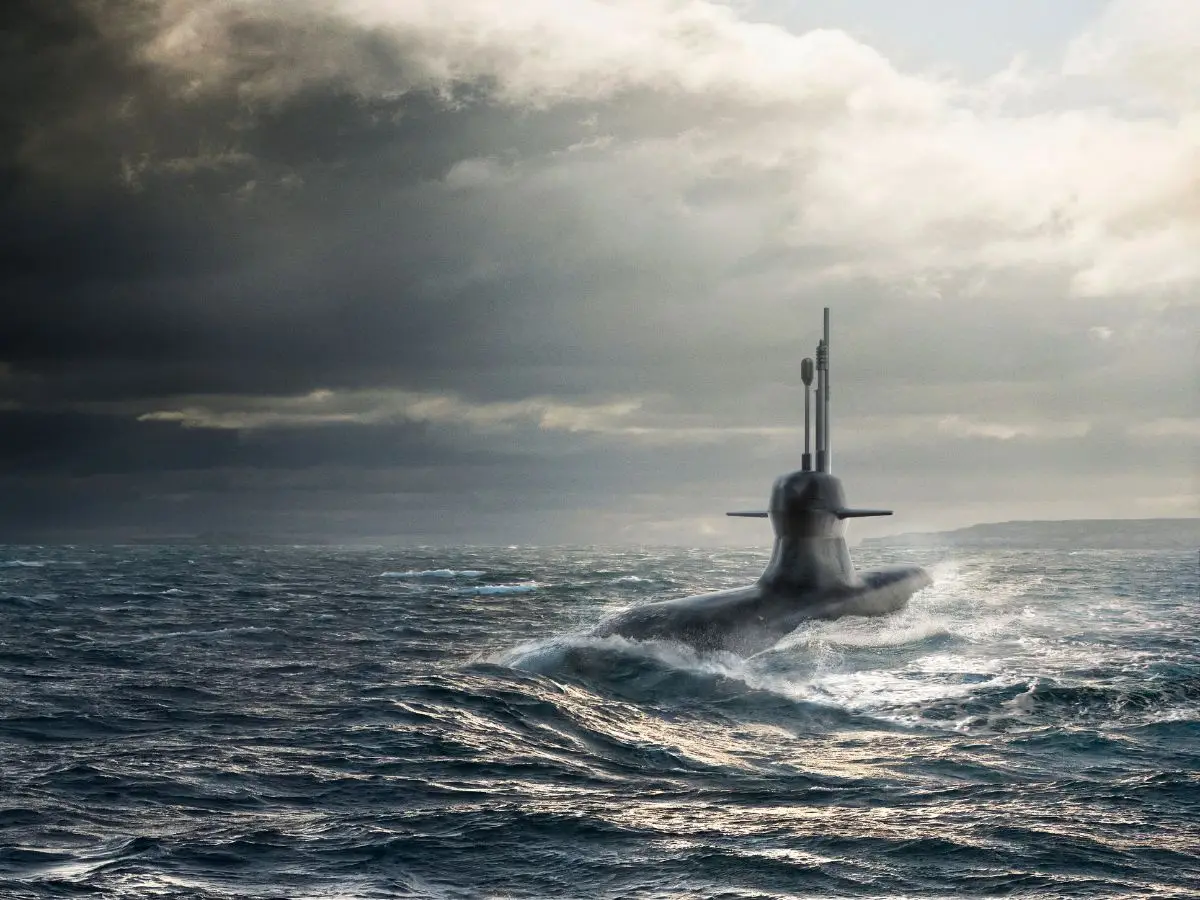
Poland recently announced it had chosen Sweden’s Saab to supply three submarines in a multi-billion-dollar deal central to Warsaw’s effort to strengthen its defences in the Baltic Sea. The decision places Saab’s Blekinge-class submarine also known as A-26 submarines at the centre of Poland’s Orka programme and has renewed global interest in a vessel Saab describes as the world’s first 5th-generation submarine. But what makes this design special, and why is it considered the first of its kind? To understand this claim, it is necessary to examine the A-26’s core features and its broader operational concept. Saab’s own published material outlines the foundations of this classification, built around meeting NATO’s emerging Multi-Domain Operations requirements and delivering a combination of stealth, intelligence gathering, seabed warfare capability and long-range strike options that mark a significant shift in modern submarine design.
Meeting Multi-Domain Operational Demands
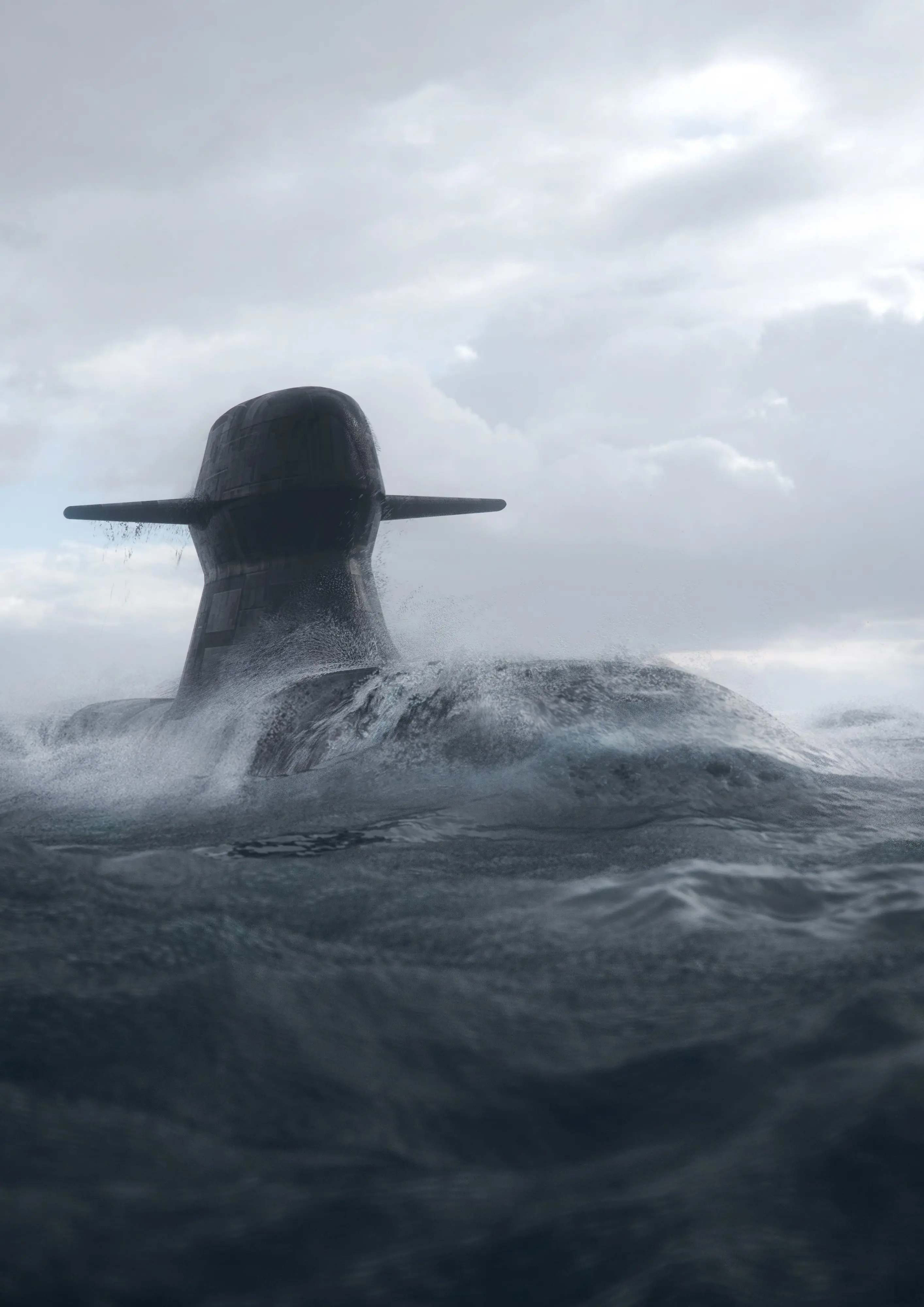
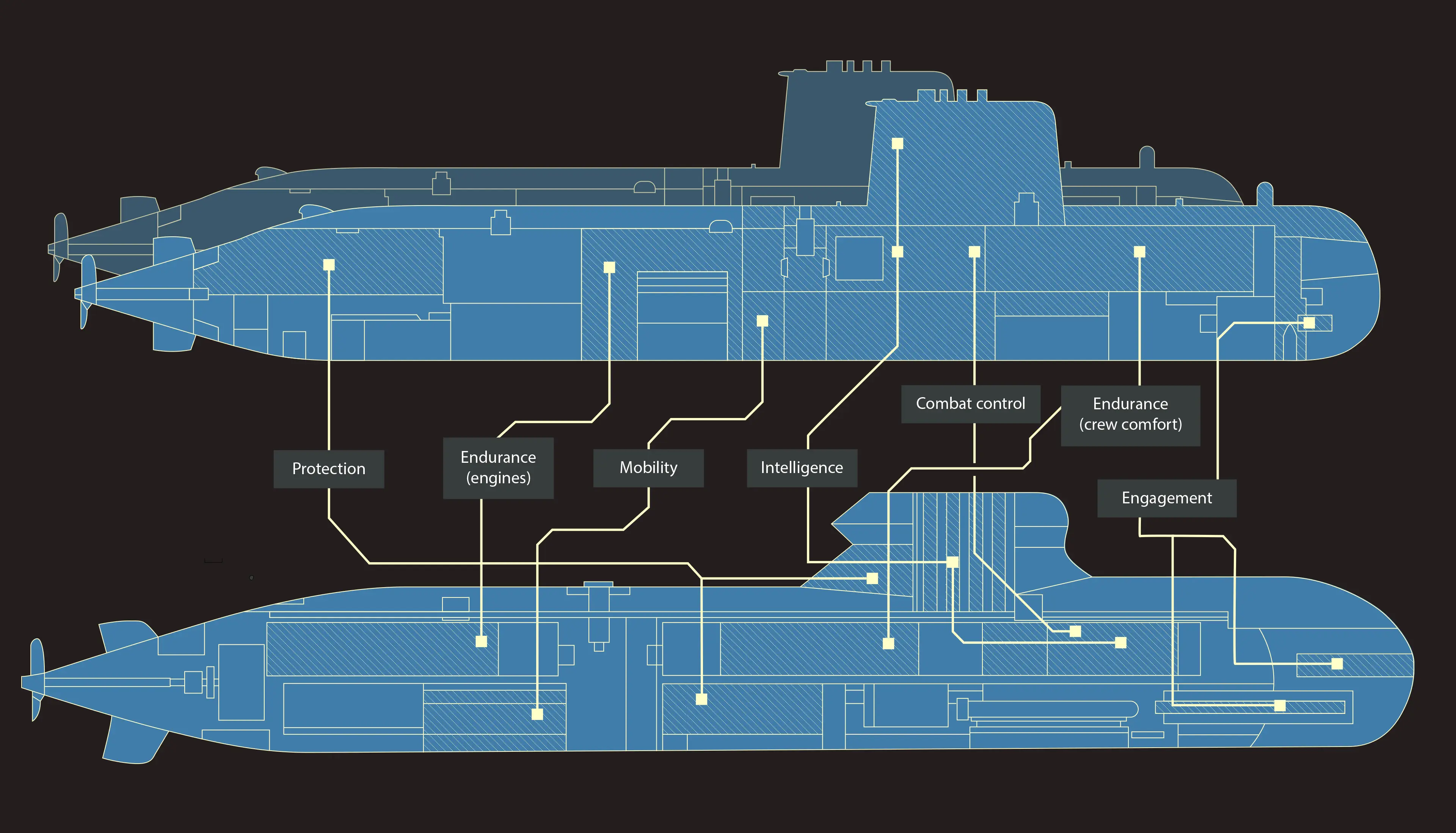
This definition of a 5th-generation submarine centres on the ability to contribute seamlessly to multi-domain operations (MDO). The A-26 integrates secure and interoperable ISR systems, advanced onboard data processing supported by AI, long-range strike options and mission flexibility intended for coordinated allied operations.
Balanced Multi-Domain Signatures
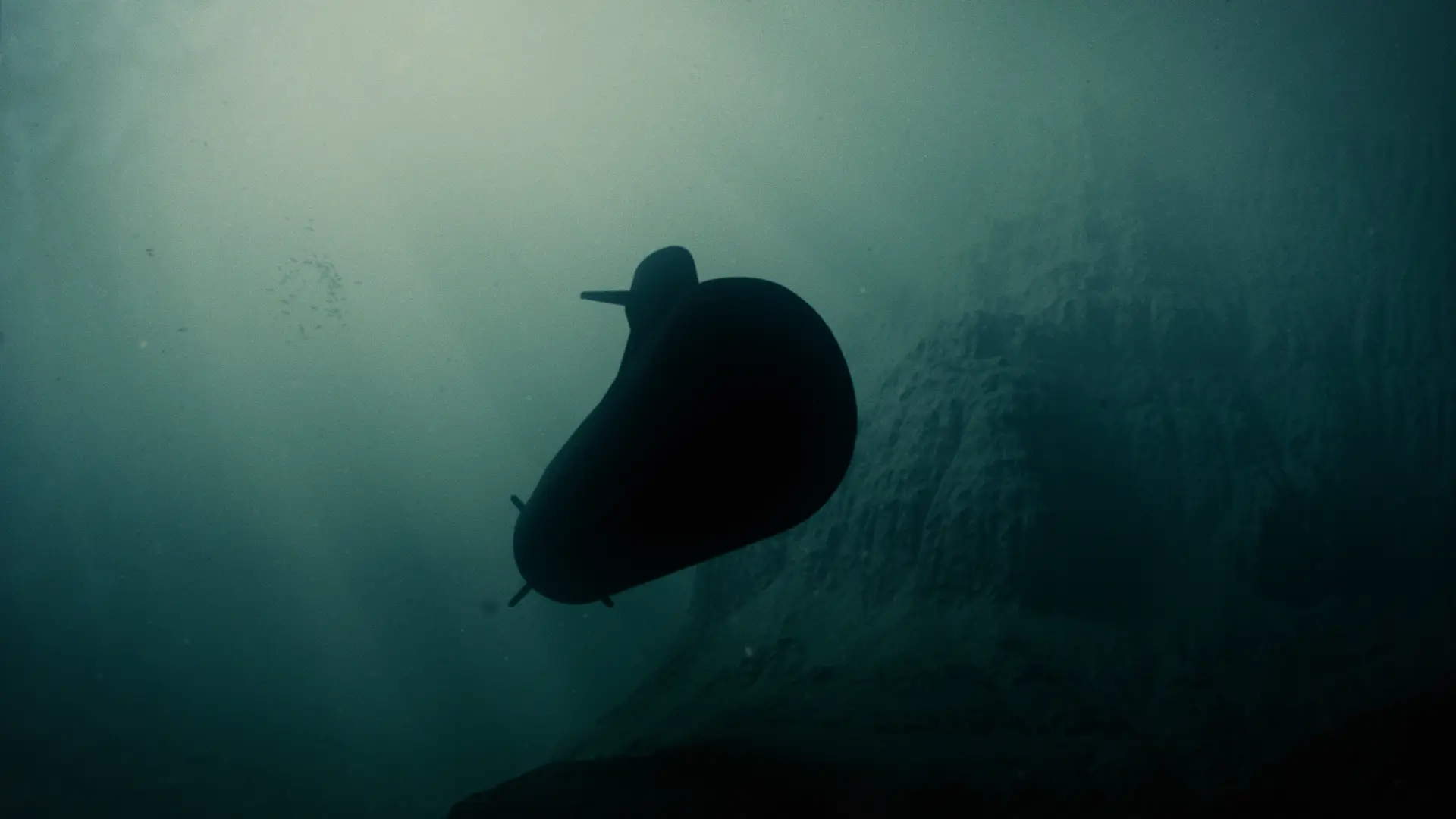
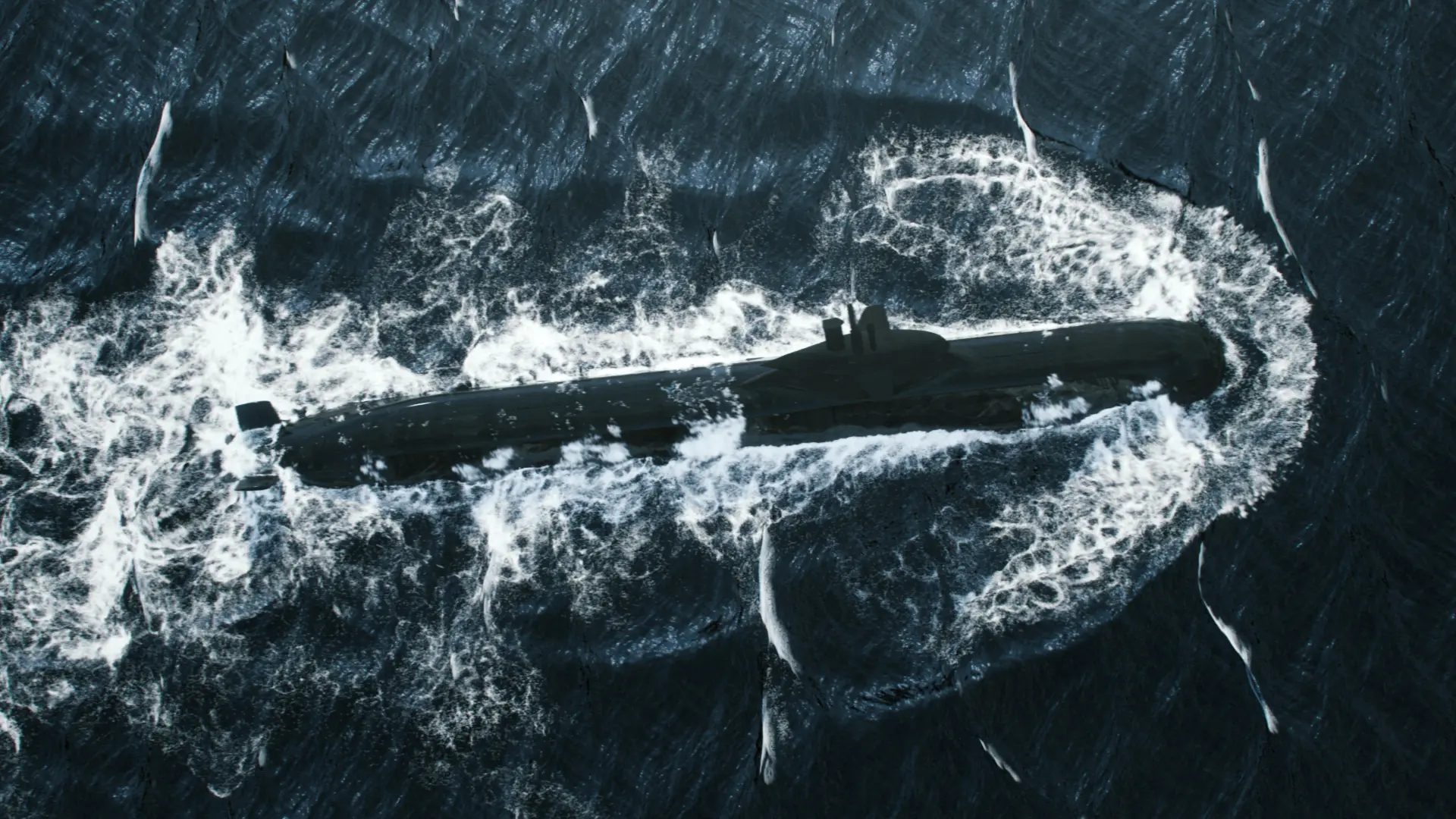
A central feature is the A-26’s signature-management approach. Saab highlights very low acoustic signatures, spanning frequencies beyond the traditional submarine spectrum; reduced magnetic signatures through advanced degaussing; optimised electric signatures; and minimised target-echo strength using hull geometry and integrated coatings. Surface signatures such as radar, visual and infrared are limited through specialised hull treatments. The Stirling air-independent propulsion system supports extended silent running.
Stealth and ISR Performance
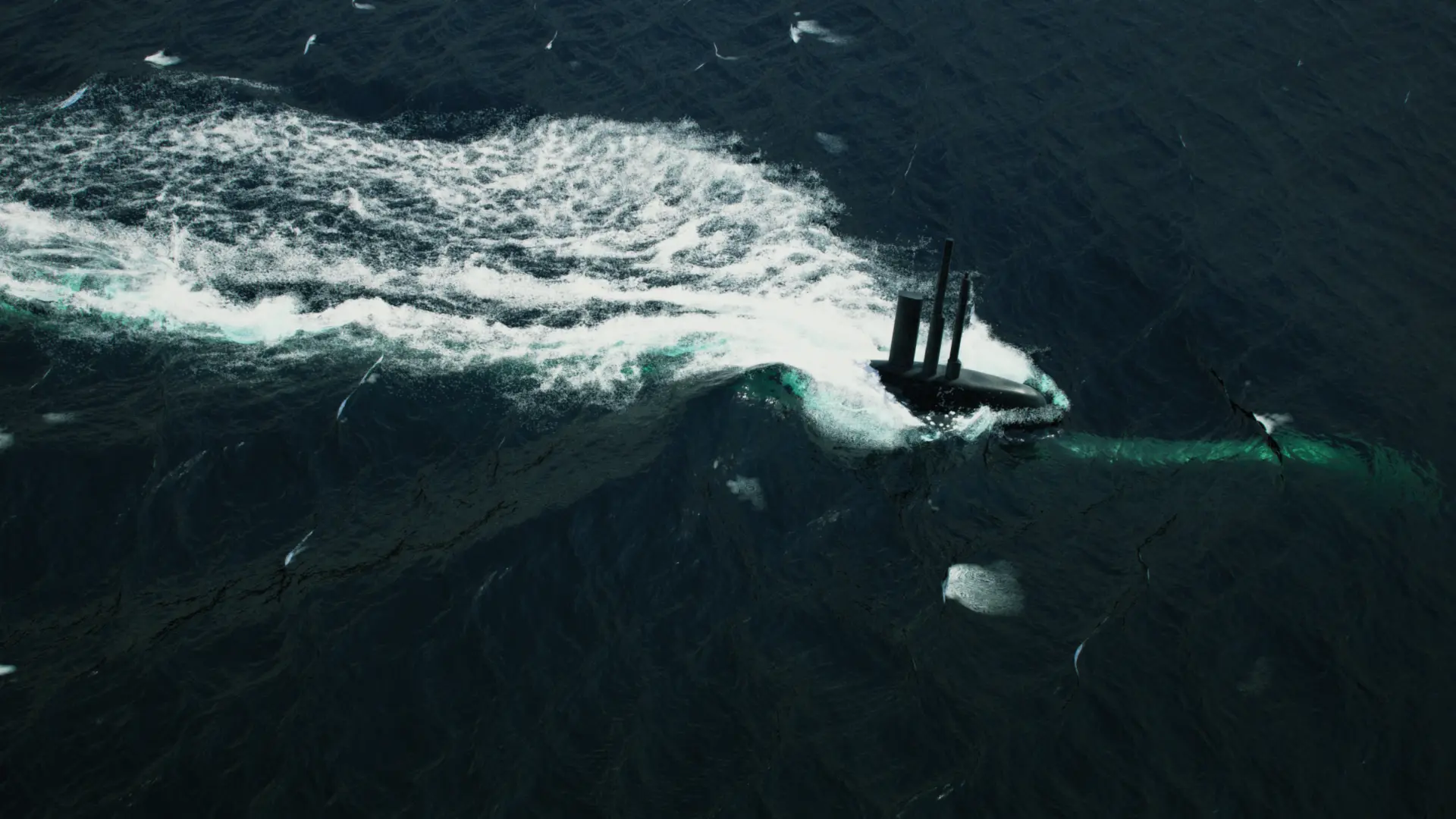
The A-26 has been developed for the Baltic Sea, one of the world’s most complex naval environments. It is designed to remain undetected in both shallow littoral areas and deeper waters while collecting intelligence on adversary movements and communications without exposing itself. Saab emphasises unrestricted mobility and persistent ISR as key attributes.
Seabed Warfare Capabilities
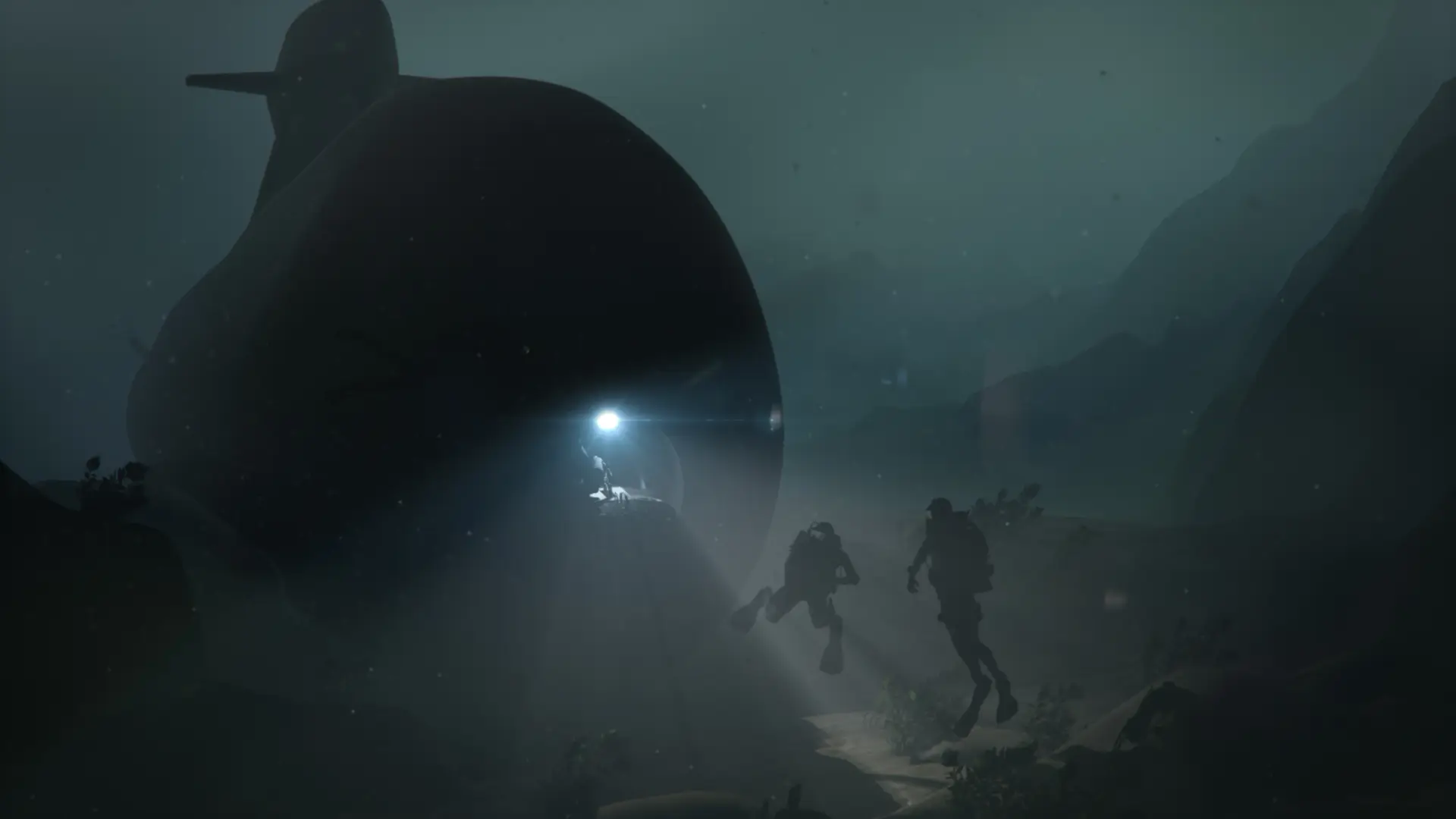
A-26 is built for seabed warfare, enabling the deployment of unmanned underwater vehicles, special forces and seabed-interaction systems through the Multi-Mission Portal. A notable feature is its ability to lie on the seabed, using a strong hull and X-rudder configuration and special coatings to evade detection and conduct covert tasks.
Strike Capabilities
The submarine is equipped for long-range precision torpedo strikes and has the potential to operate submarine-launched missiles. This allows it to engage maritime or land targets as part of wider multi-domain actions.
Electronic Support Functions
Electronic surveillance and passive signal detection form another layer of capability. The A-26 can classify enemy signals, enhance targeting data and support coordinated kinetic and non-kinetic operations.
Force Projection and Information Warfare
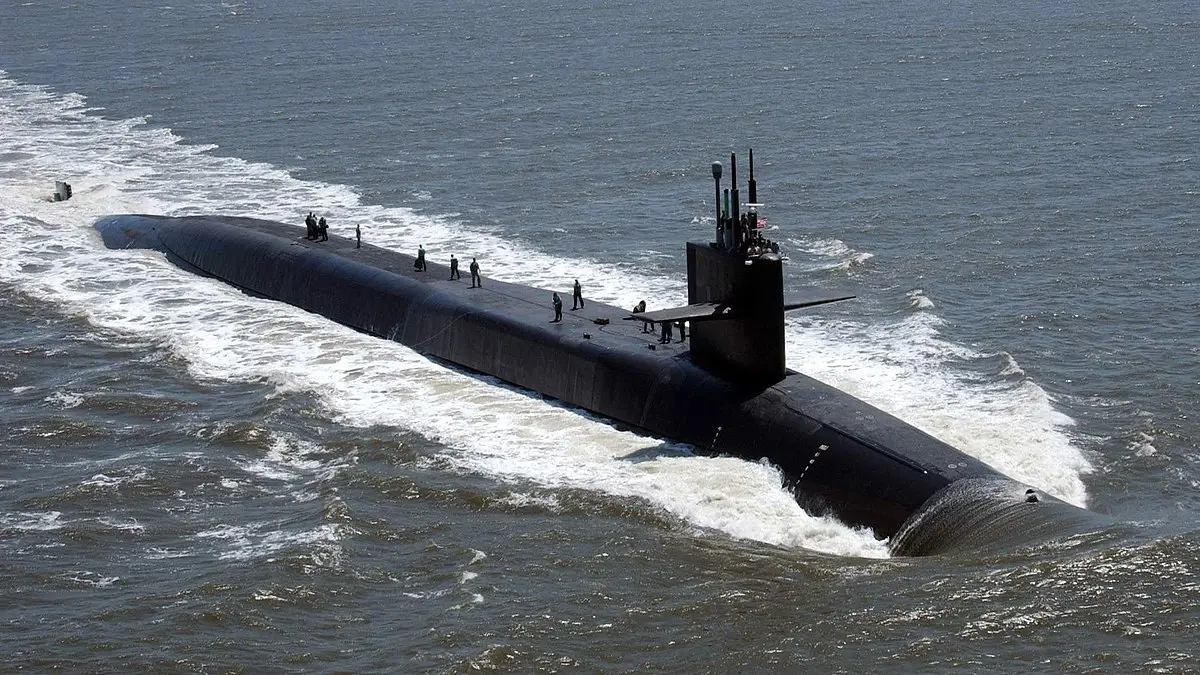
With long endurance and sustained covert presence, the A-26 contributes to deterrence and operational control in strategic regions. It can support information-warfare activities by exploiting or disrupting enemy communications and undersea cables, aligning with the Swedish Navy’s concept of underwater information warfare.
)
)
)
)
)