What is stage separation? How it worked in Axiom Mission-4’s Falcon 9 launch

Stage separation is a key part of rocket launches like ‘Axiom Mission-4. It allows rockets to drop used stages and lighten their load, helping spacecraft like SpaceX's Dragon reach orbit efficiently. This process saves fuel, boosts safety, and enables future space missions.
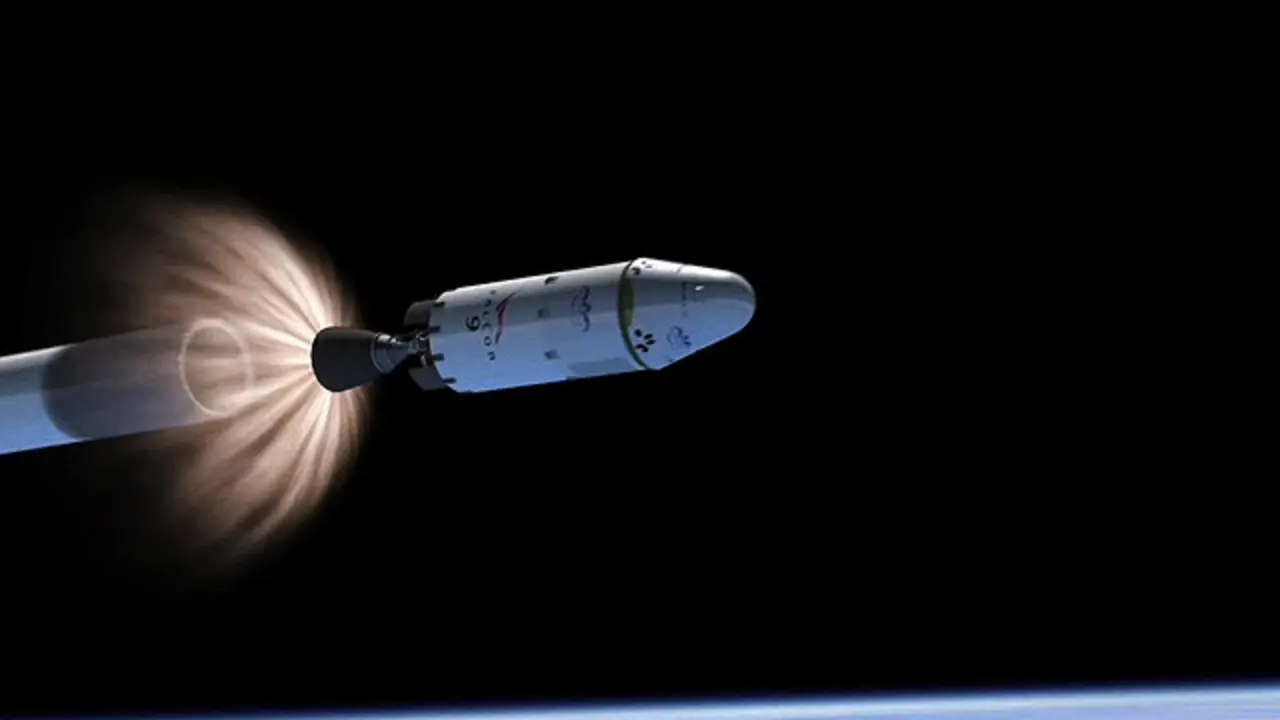
What Is Stage Separation in Rocket Launches?
Stage separation is when a rocket drops its empty lower part, called a stage, after burning its fuel. The next stage then takes over, helping the spacecraft travel further towards space.
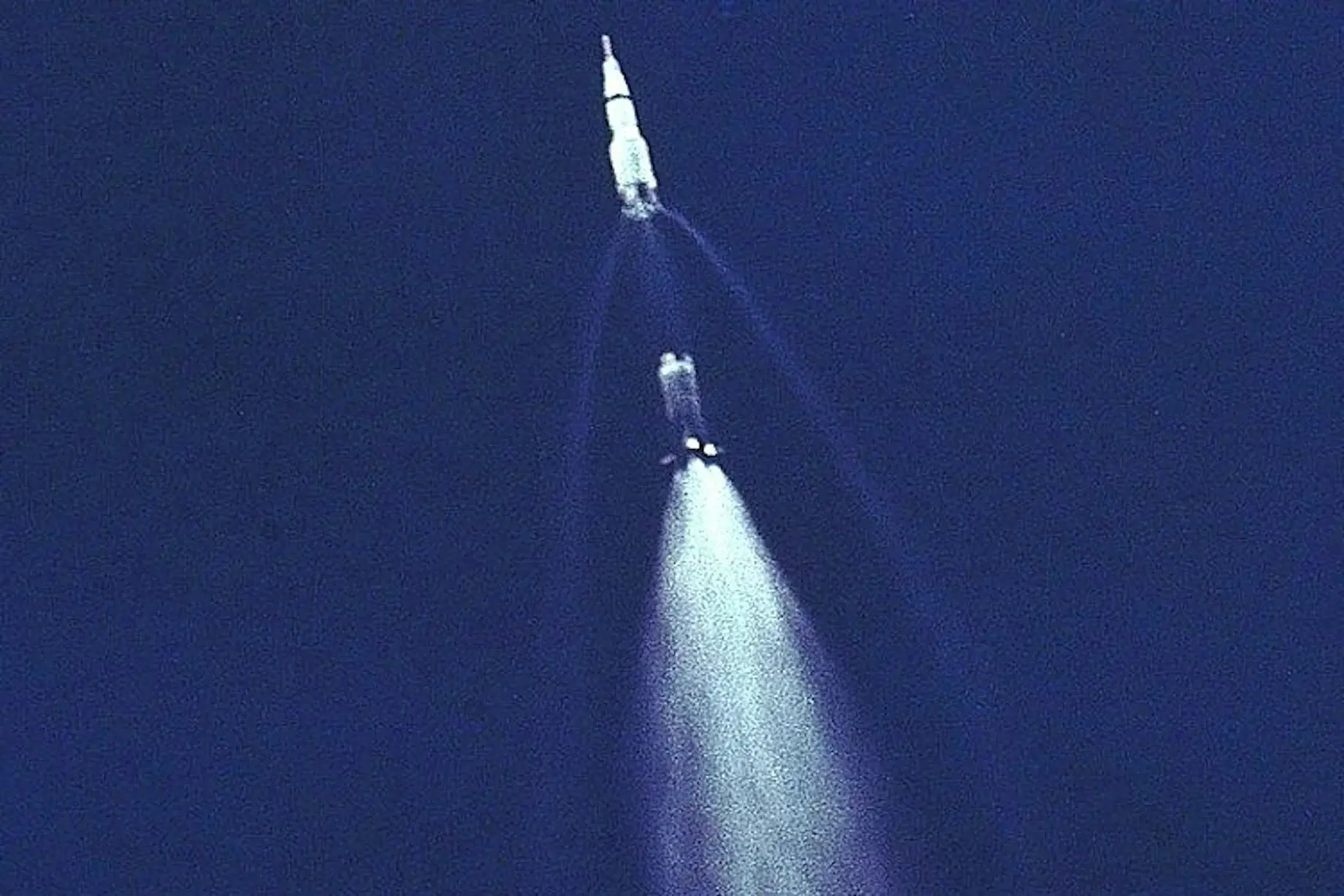
How Does Stage Separation Work?
A rocket is built in sections, or stages. When the first stage runs out of fuel, it falls away. The next stage’s engine starts, pushing the rocket higher. This process repeats until the spacecraft reaches space.
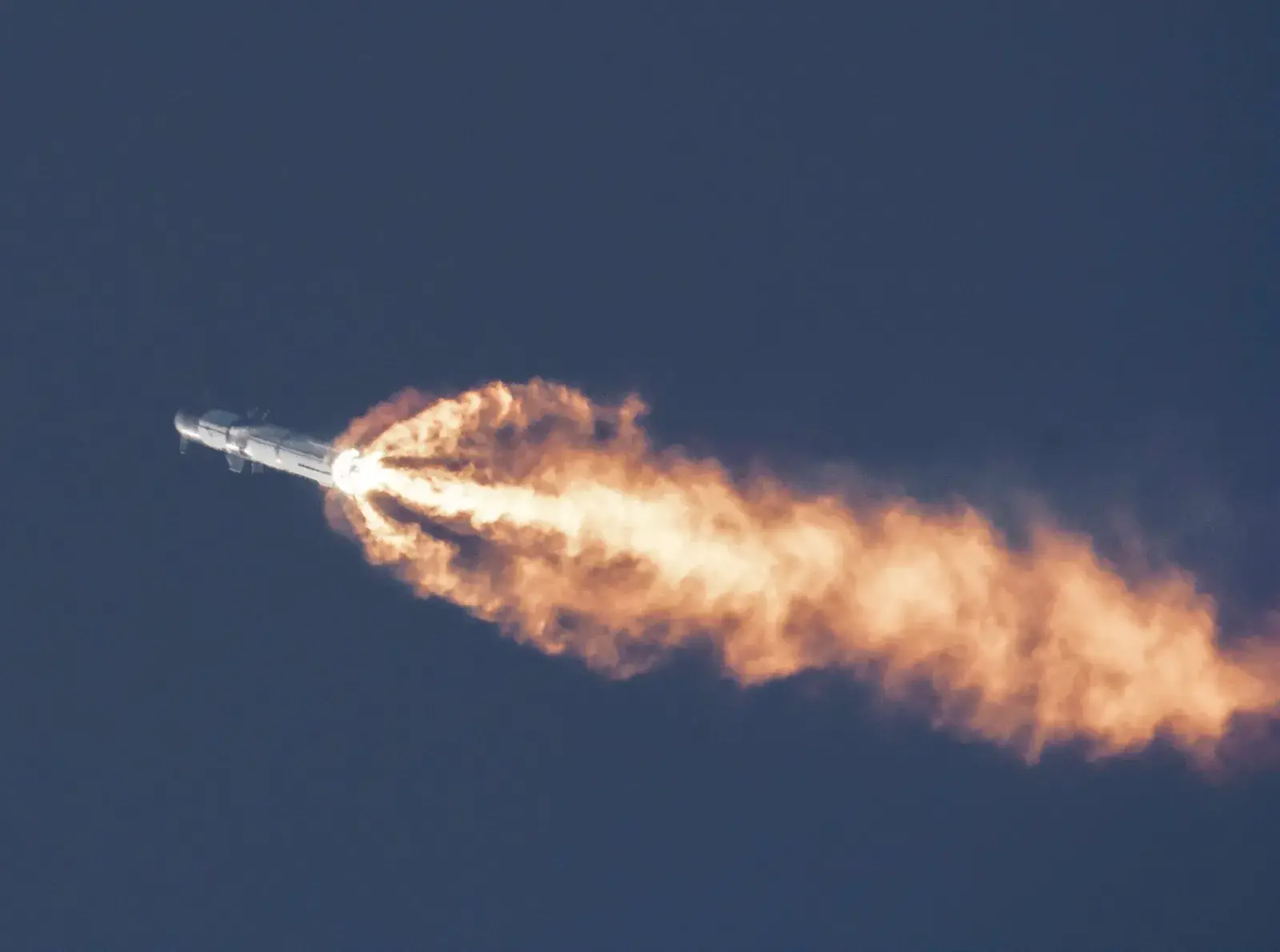
Why Is Stage Separation Important?
Stage separation makes rockets lighter as they climb. By dropping used parts, the rocket needs less fuel to keep going. This helps the spacecraft reach the speed and height needed for its mission.
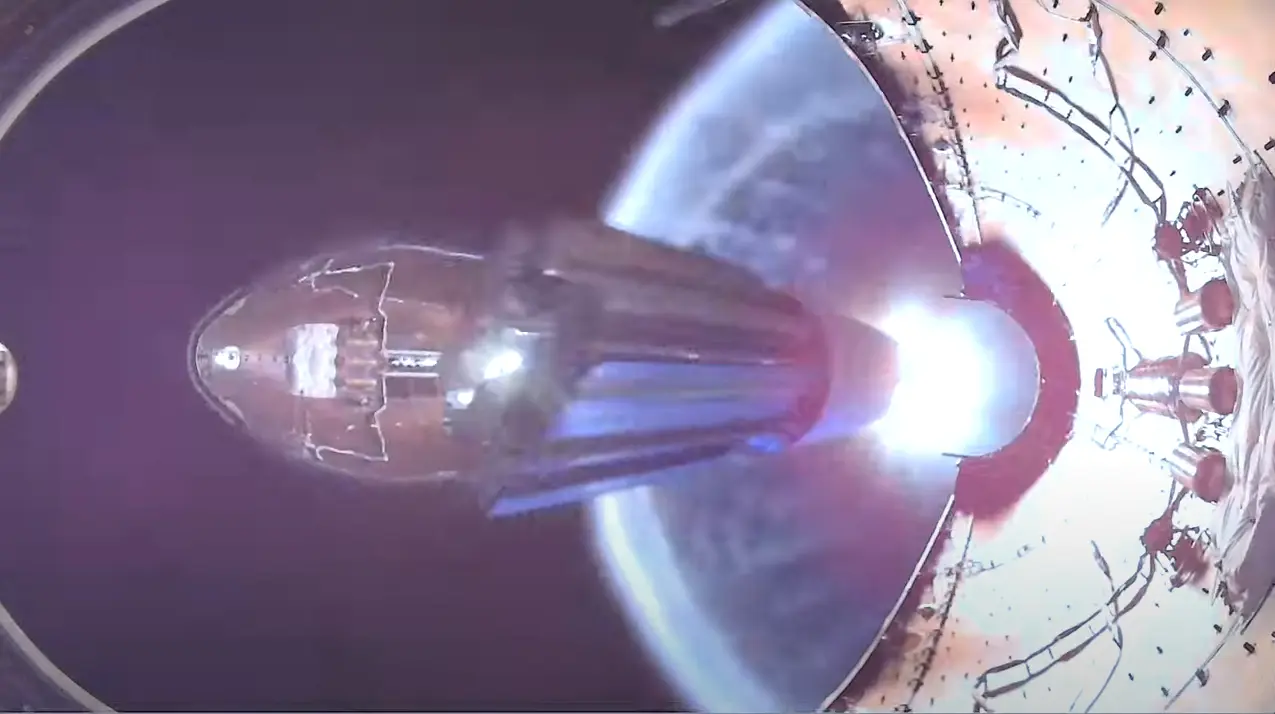
Stage Separation in Axiom Mission-4
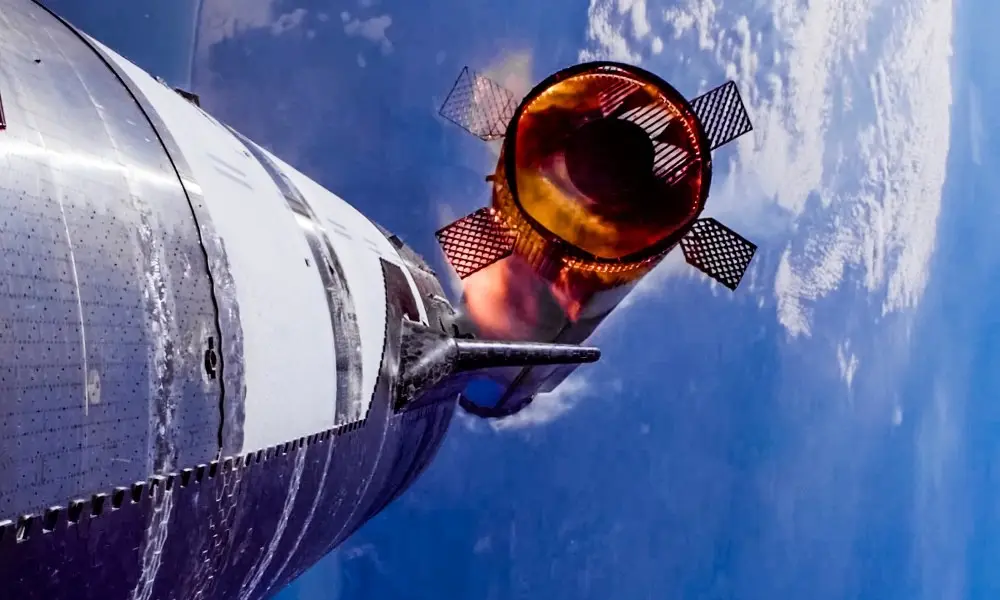
For the Axiom Mission-4, SpaceX’s Falcon 9 rocket uses two stages. The first stage lifts the rocket off the ground. After separation, the second stage takes the Dragon spacecraft to orbit and towards the International Space Station.
What Happens After Separation?
After the first stage separates, it returns to Earth and can be reused. The second stage continues, carrying the Dragon capsule and its crew to space, saving money and resources for future launches.
Safety and Precision
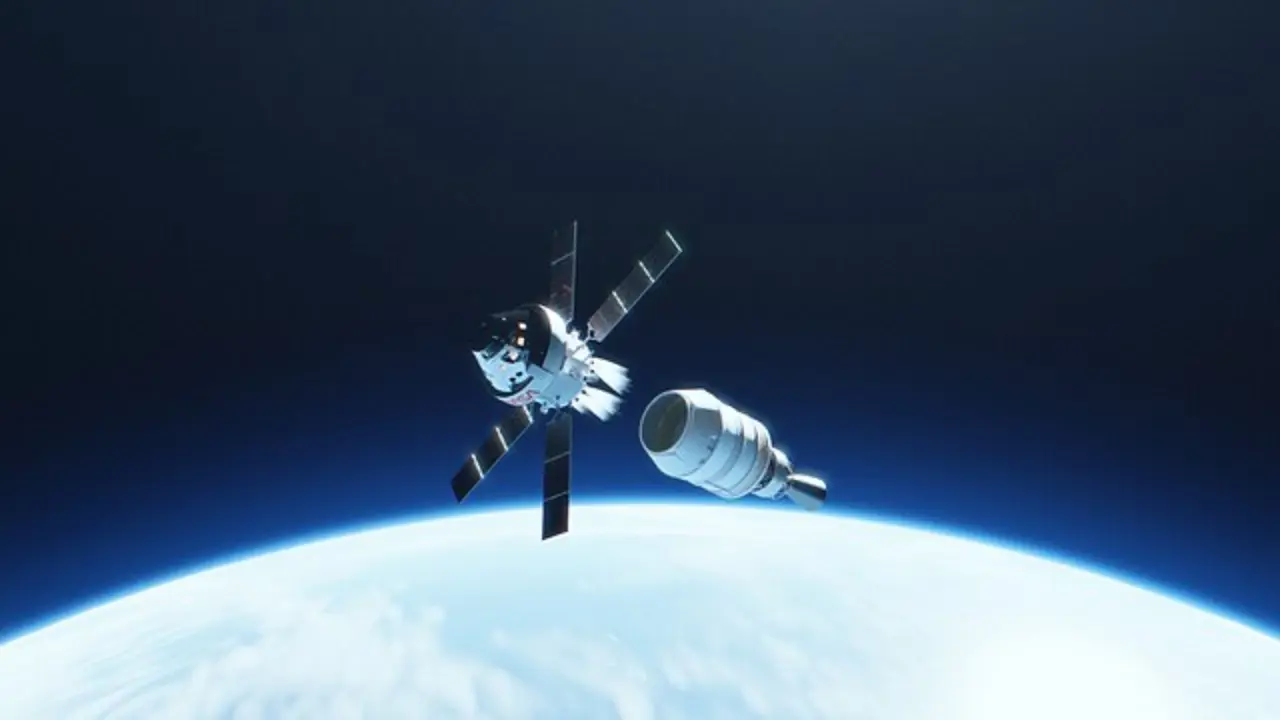
Stage separation must be timed perfectly. If it happens too early or too late, the mission could fail. Engineers use computers and sensors to make sure each stage separates at just the right moment.
Why It Matters for Space Missions
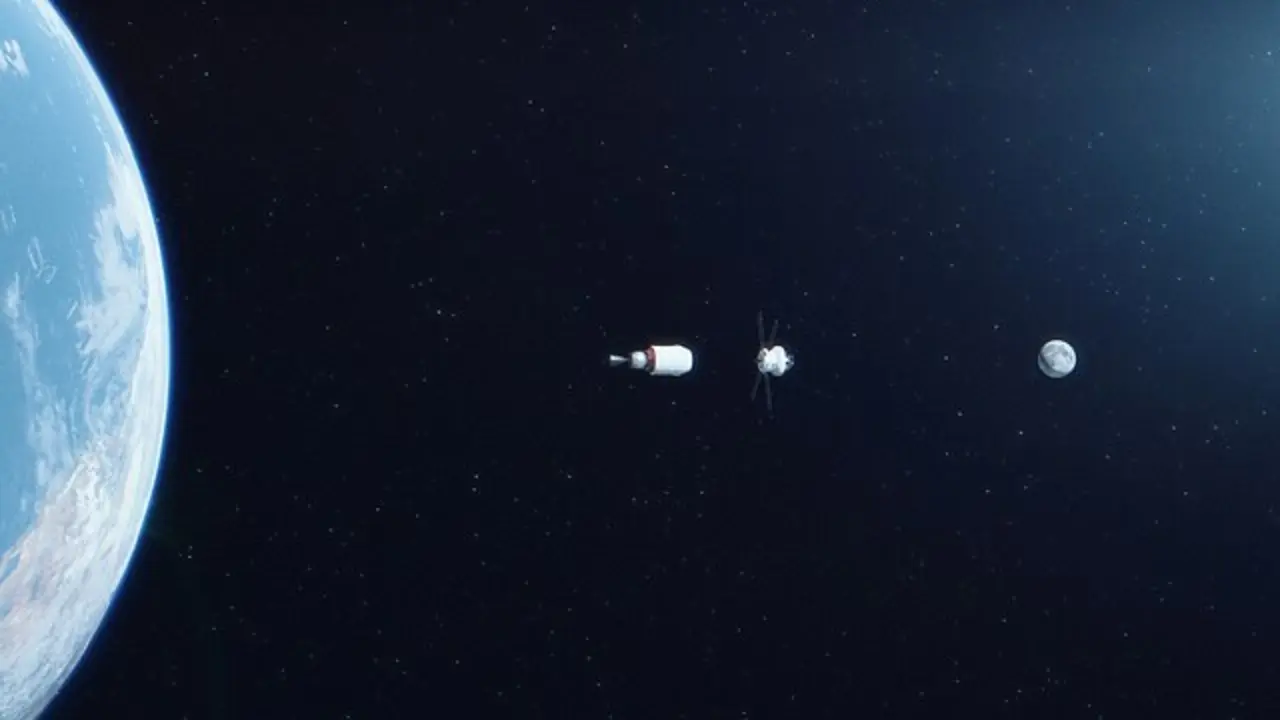
Stage separation lets rockets carry heavier loads and travel further. For missions like Axiom-4, it means astronauts and cargo can reach the International Space Station safely and efficiently, opening new doors for space exploration.
)
)
)
)
)