What is Skynex? Ukraine’s German-made drone killers firing 1,000 rounds a minute

Each unit can fire up to 1,000 rounds per minute and engage targets effectively within a 4-kilometre range.
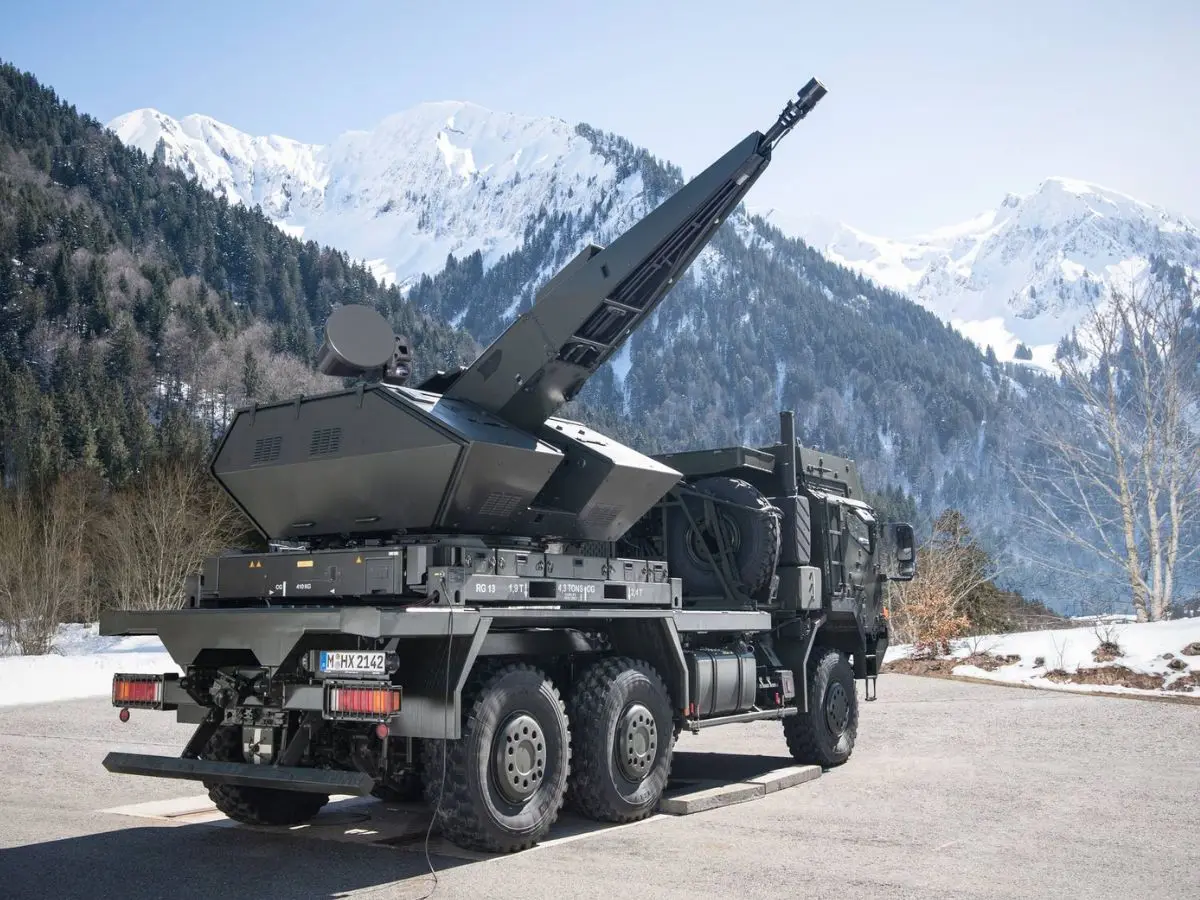
What is Skynex?
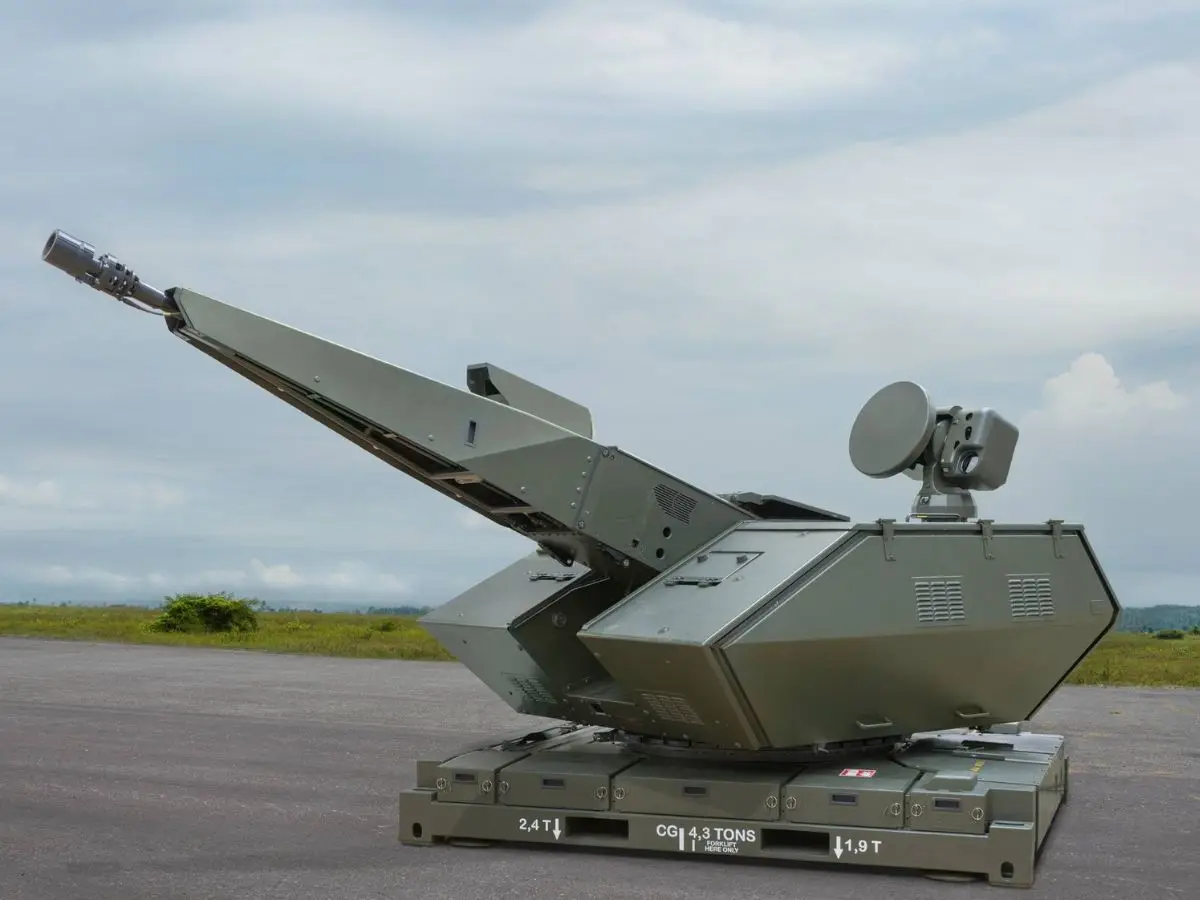
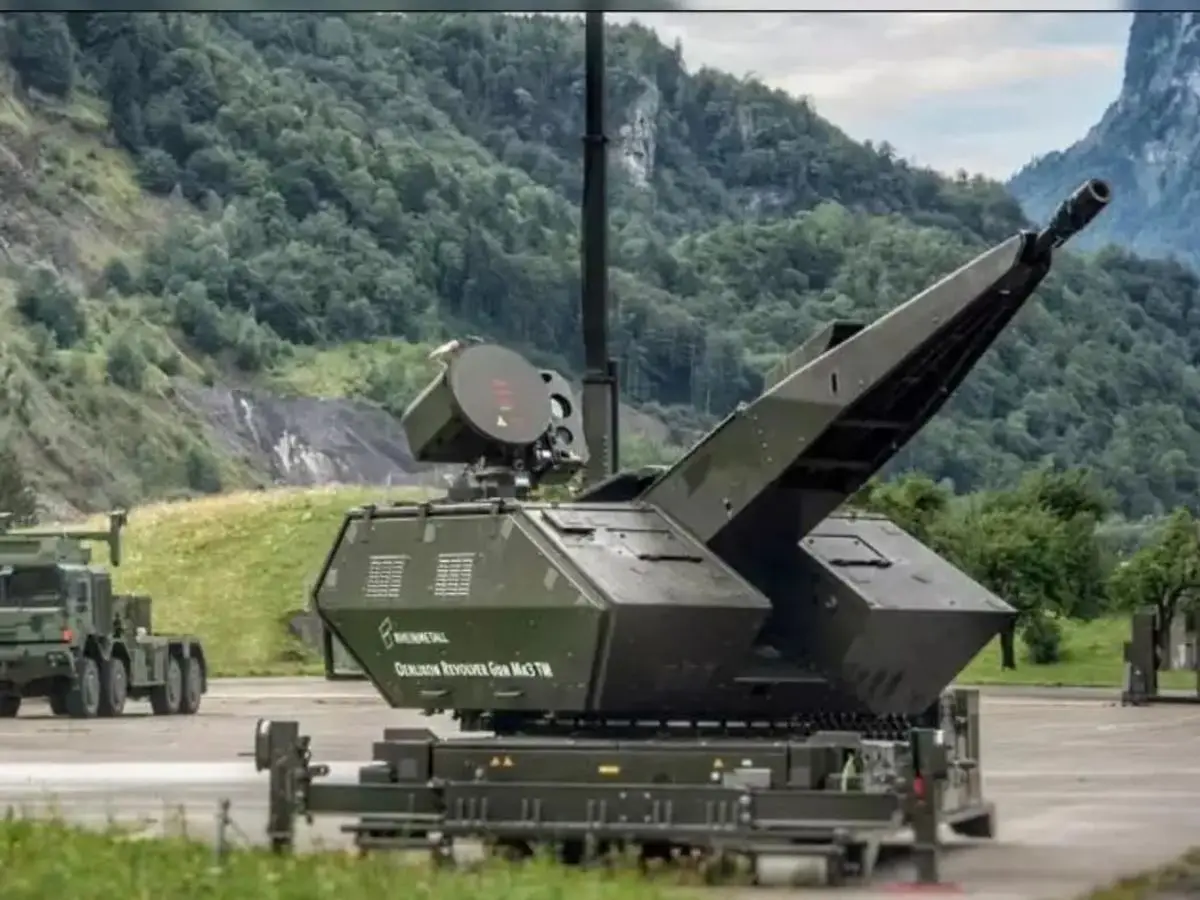
Skynex is a short-range air defence (SHORAD) system developed by Germany’s Rheinmetall and introduced in 2021. Built to counter modern aerial threats, it targets drones, cruise missiles and precision-guided munitions. Deployed in Ukraine since 2024, Skynex is tasked with protecting airfields and critical infrastructure from Russian Shahed drones and other low-flying threats. According to Rheinmetall, Skynex represents the latest generation of modular air defence technology, focusing on effectiveness and cost-efficiency against mass drone attacks.
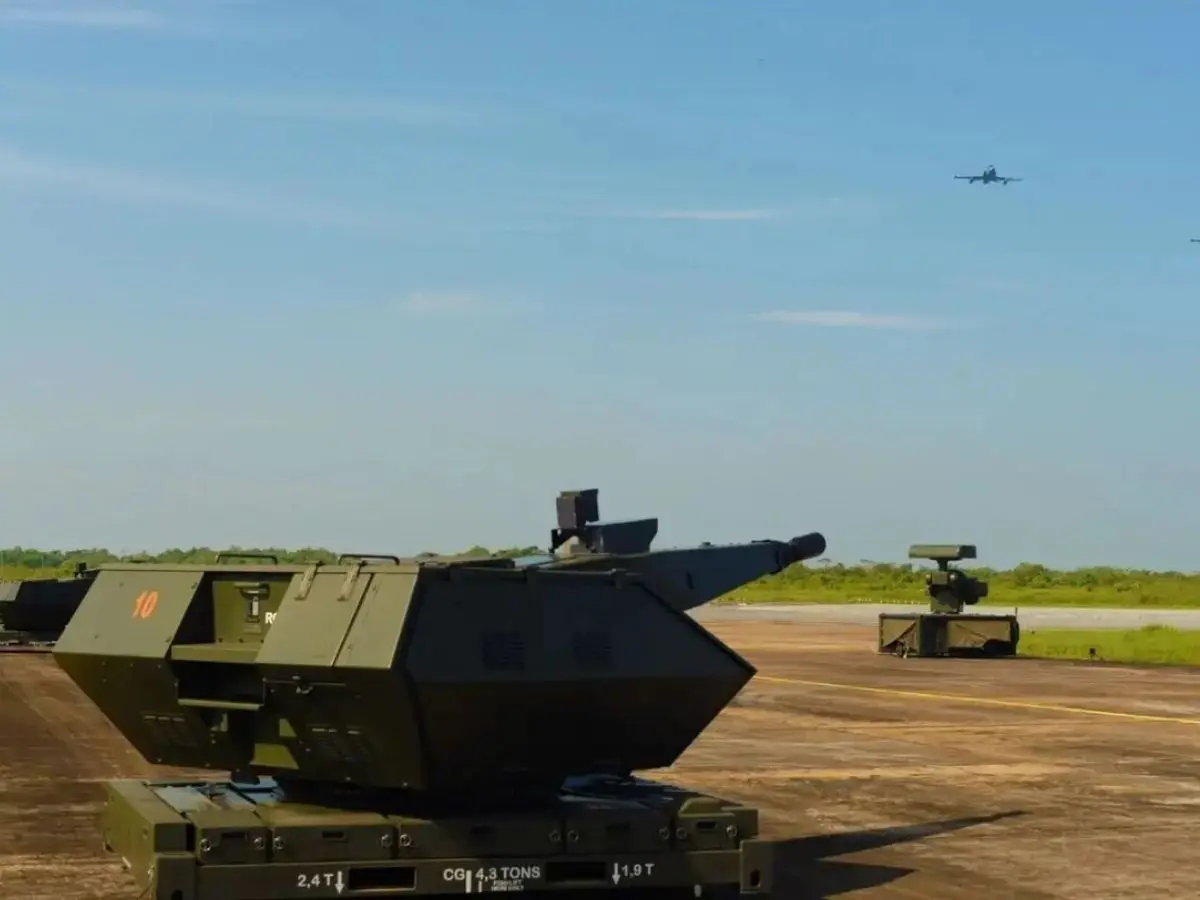
Firepower: 1,000 rounds per minute
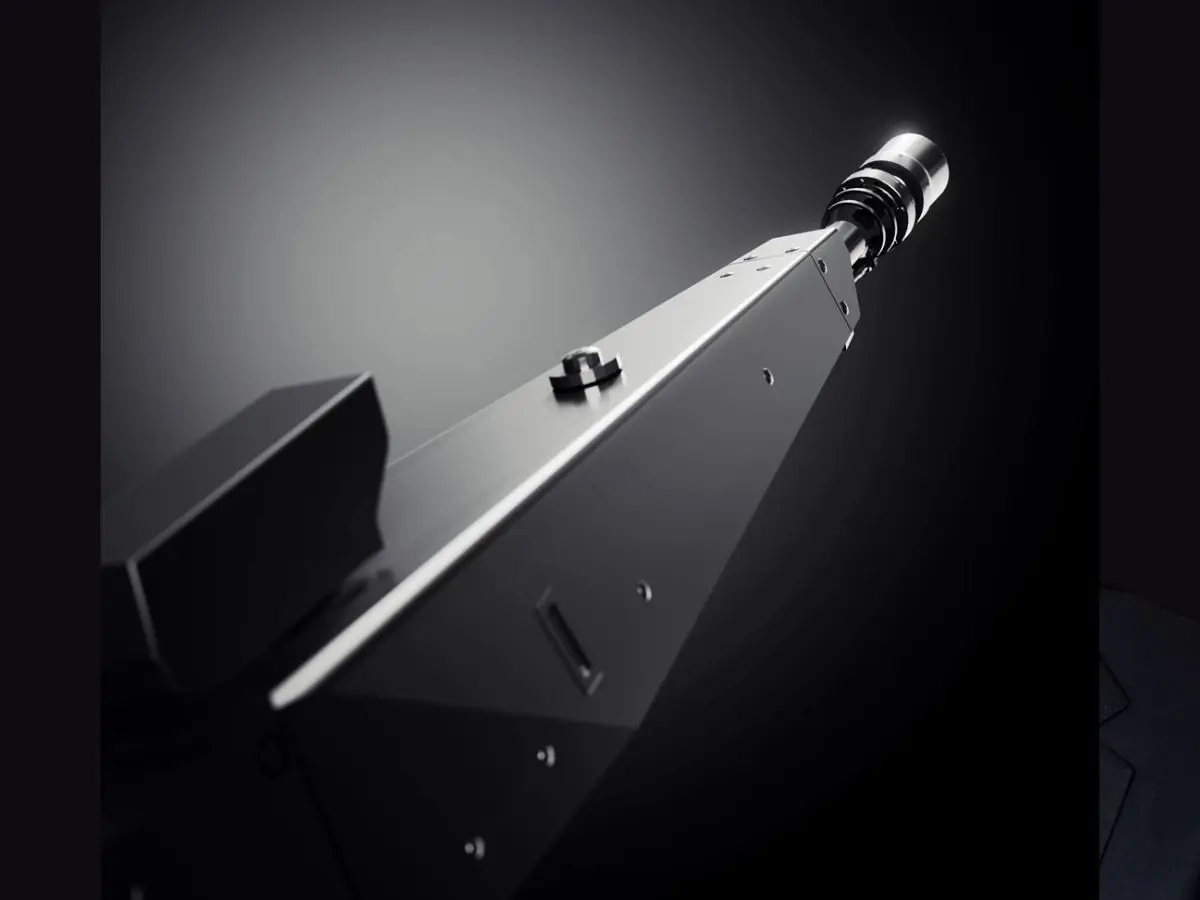
At the heart of Skynex lies the Oerlikon Mk3, a 35mm automatic cannon. Each unit can fire up to 1,000 rounds per minute and engage targets effectively within a 4-kilometre range. The cannon is paired with AHEAD (Advanced Hit Efficiency and Destruction) programmable ammunition. This technology allows shells to detonate mid-air at a precise distance from the target, creating a cloud of tungsten sub-projectiles that destroy drones and small missiles.
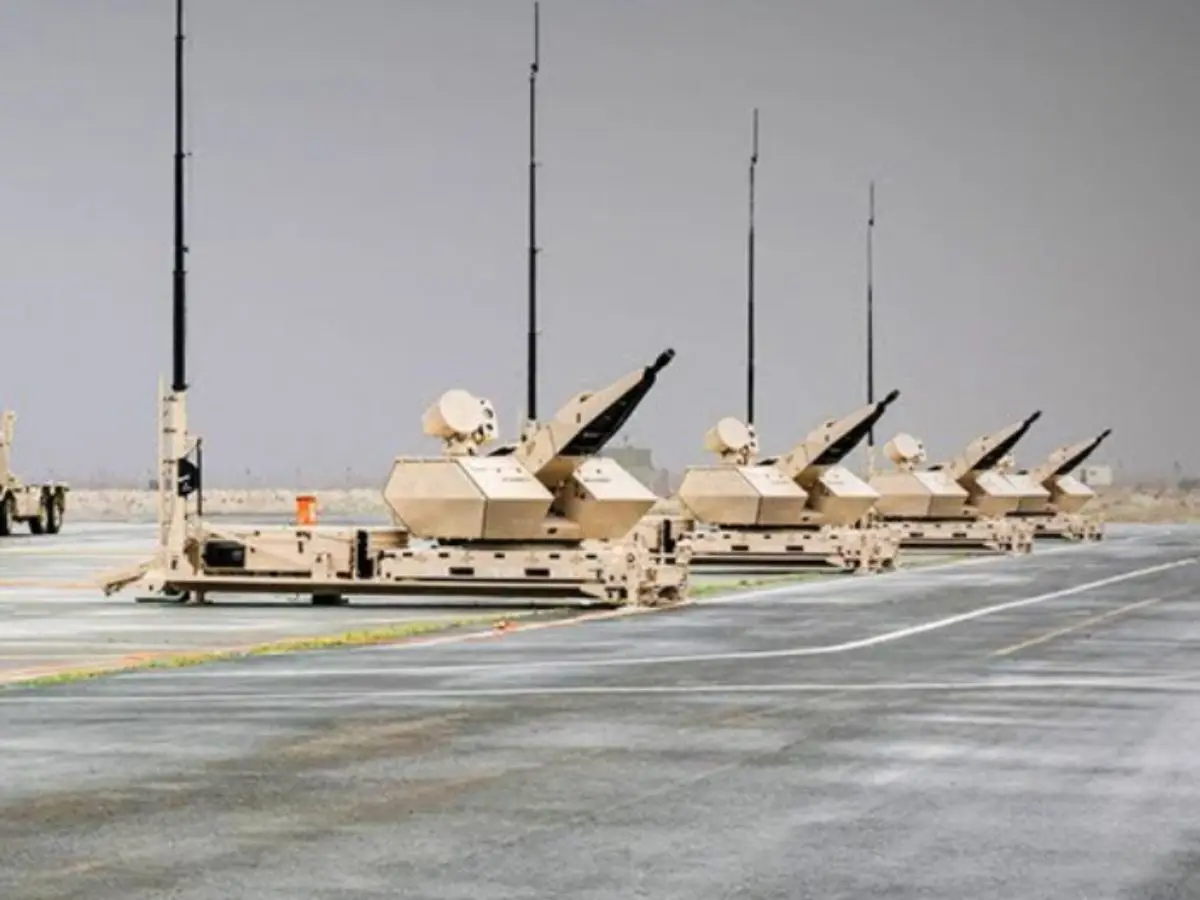
Modular design and autonomous targeting
A typical Skynex battery includes four gun modules, each fitted with radar and electro-optical targeting systems. This design allows each gun to autonomously track and engage threats, even without central coordination. Additionally, the system includes a command post and a separate radar unit that detects and prioritises incoming targets. This layered approach enables Skynex to handle multiple threats simultaneously, which is critical when defending against swarm drone attacks.
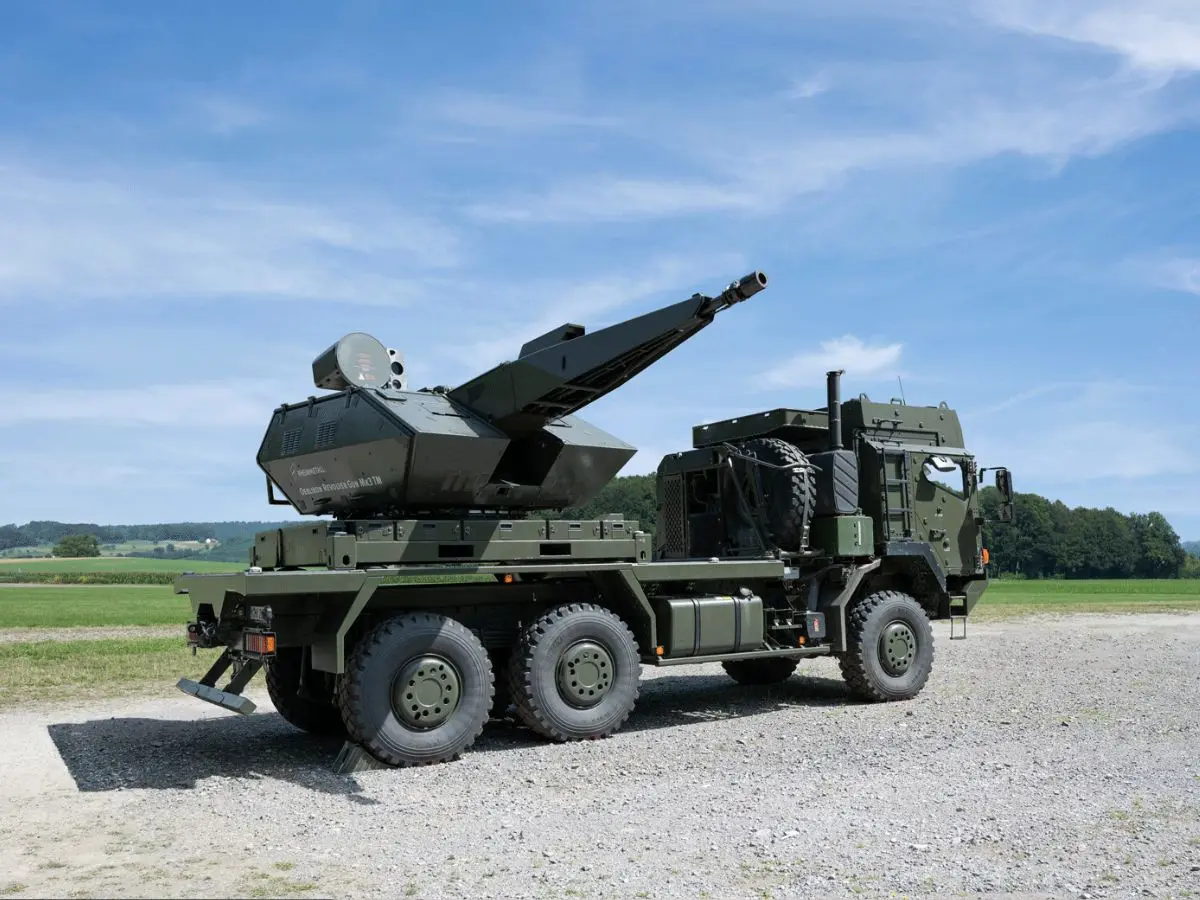
Effective against drones and more
Skynex has shown consistent success in intercepting Russian Shahed drones over Ukraine, according to reports. On the night of 11–12 July, Ukrainian air defence forces reported shooting down 319 Shahed drones and 25 cruise missiles during one of the most intense attacks yet. Video footage released by Ukraine shows Skynex guns downing at least seven drones with rapid bursts of fire. The system has proved particularly useful against low-flying, slow-moving aerial threats where missile systems might be too costly or vulnerable to electronic countermeasures.
Cost efficiency: €4,000 per engagement
One standout feature of Skynex is its economic advantage. Rheinmetall estimates that firing AHEAD ammunition costs about €4,000 per engagement, significantly cheaper than using missile interceptors. This cost-effective design makes Skynex well suited for prolonged conflicts, where large numbers of relatively cheap drones can overwhelm expensive missile-based systems like IRIS-T.
A rare system in service
Germany reportedly sold two Skynex systems to Ukraine in 2024 at a combined cost of €182 million. As of now, these remain the only operational Skynex units deployed anywhere in the world. Despite concerns from some scientists about research access, Ukraine’s use of Skynex demonstrates its importance as a practical battlefield solution against drone warfare.
Future of battlefield air defence
Designed with modularity in mind, Skynex can be upgraded and integrated with other systems. Its success in Ukraine highlights the growing need for layered, short-range air defence solutions that rely on kinetic rather than purely electronic countermeasures. In an era of drone swarms and precision-guided weapons, Skynex shows how rapid-fire cannons paired with smart ammunition could reshape frontline air defence.
)
)
)
)
)