Why does an S-400 vehicle have so many wheels?

The S-400 uses an 8x8 MZKT-7930 chassis to carry 24-tonne payloads. Its 1.5-metre tall tyres lower ground pressure, letting the 500-hp V12 engine conquer extreme off-road terrain.
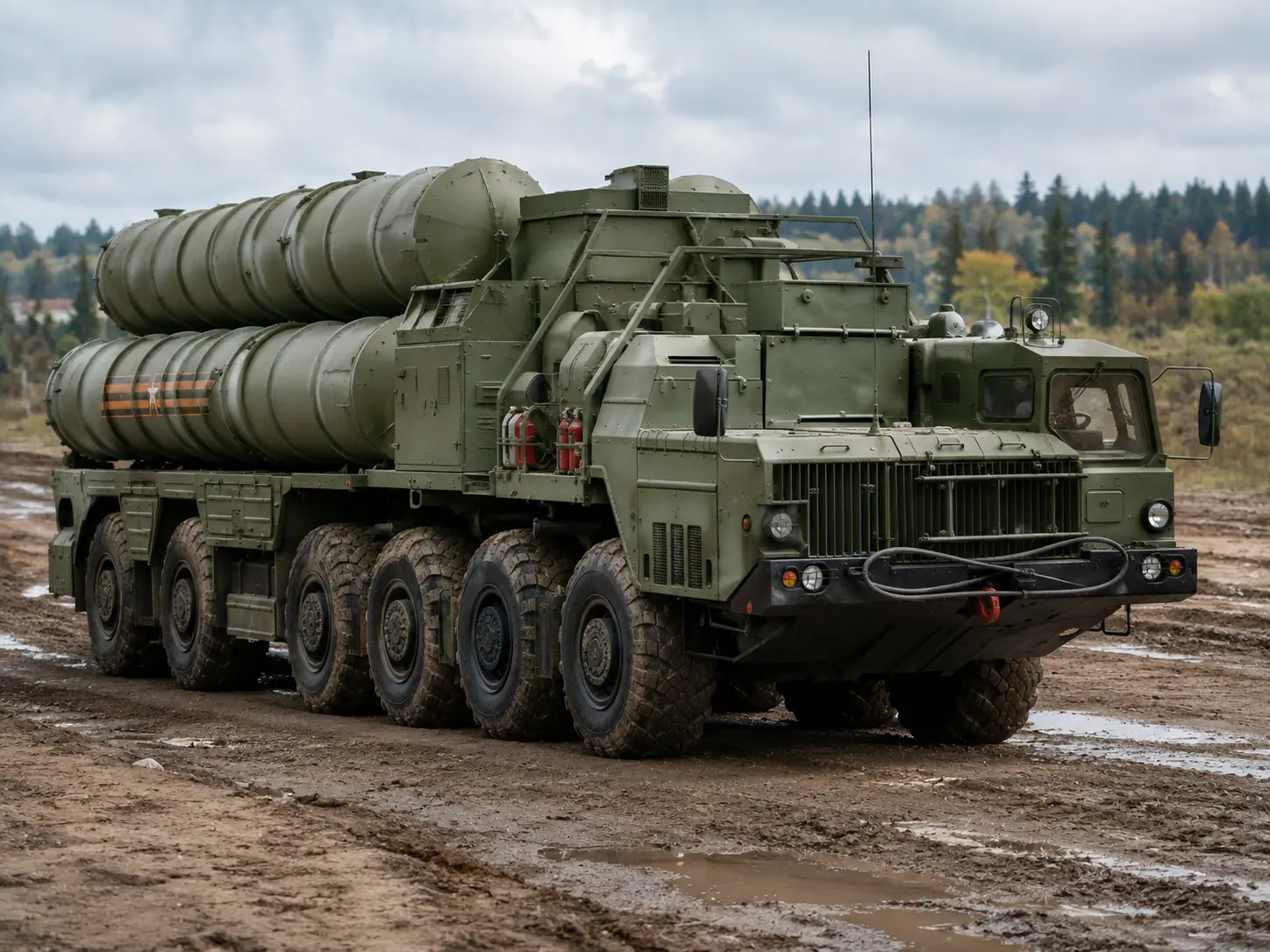
The 24-Tonne Problem
The Russian S-400 Triumf is one of the heaviest air defence systems in the world. Transporting its massive 91N6E surveillance radars and loaded missile tubes requires a vehicle that can safely carry extreme payloads of up to 24 tonnes without suffering structural failure.
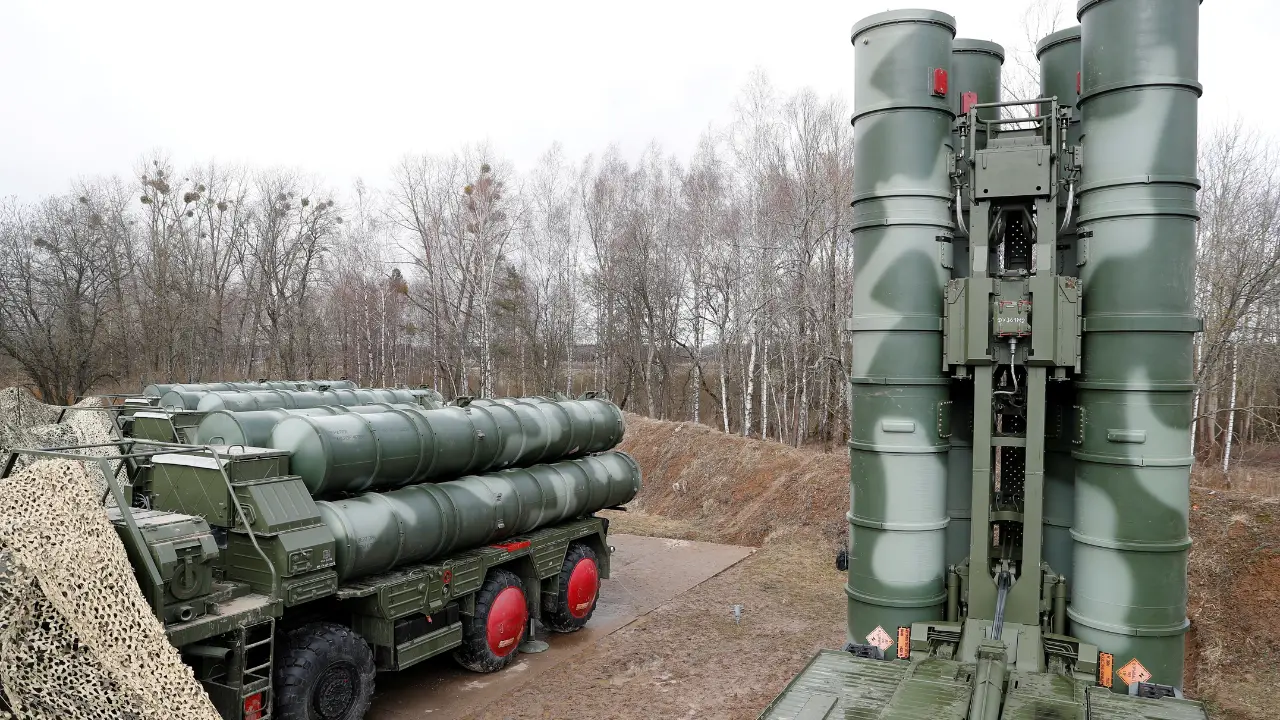
Distributing the Load
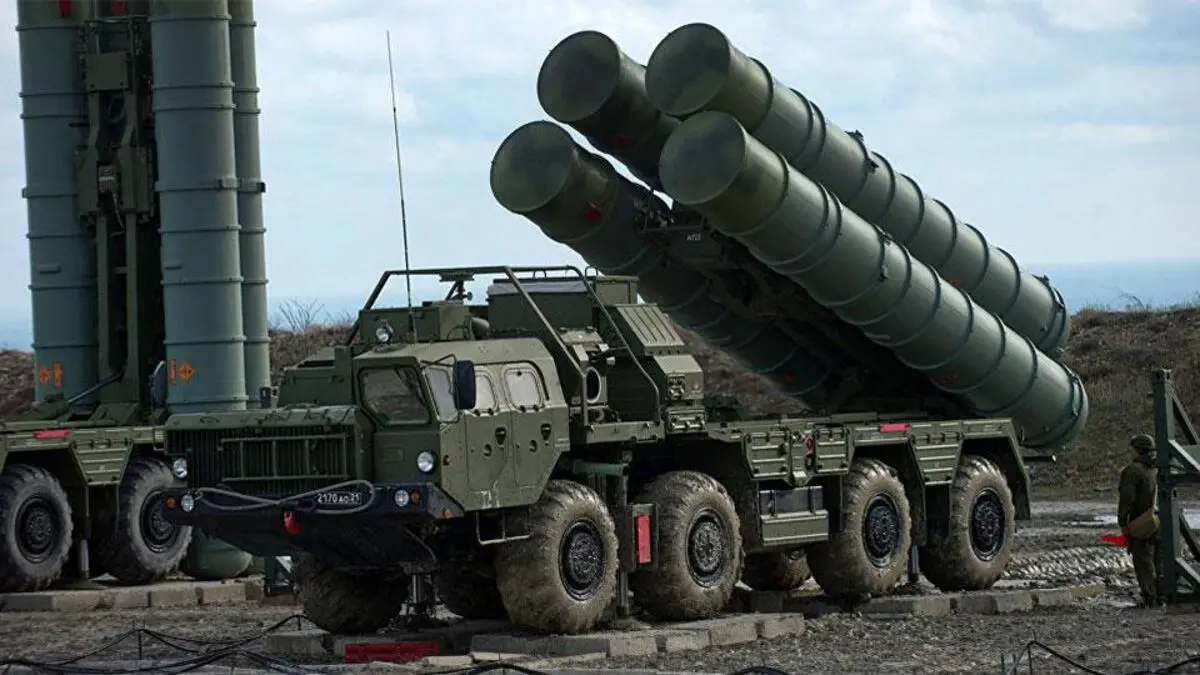
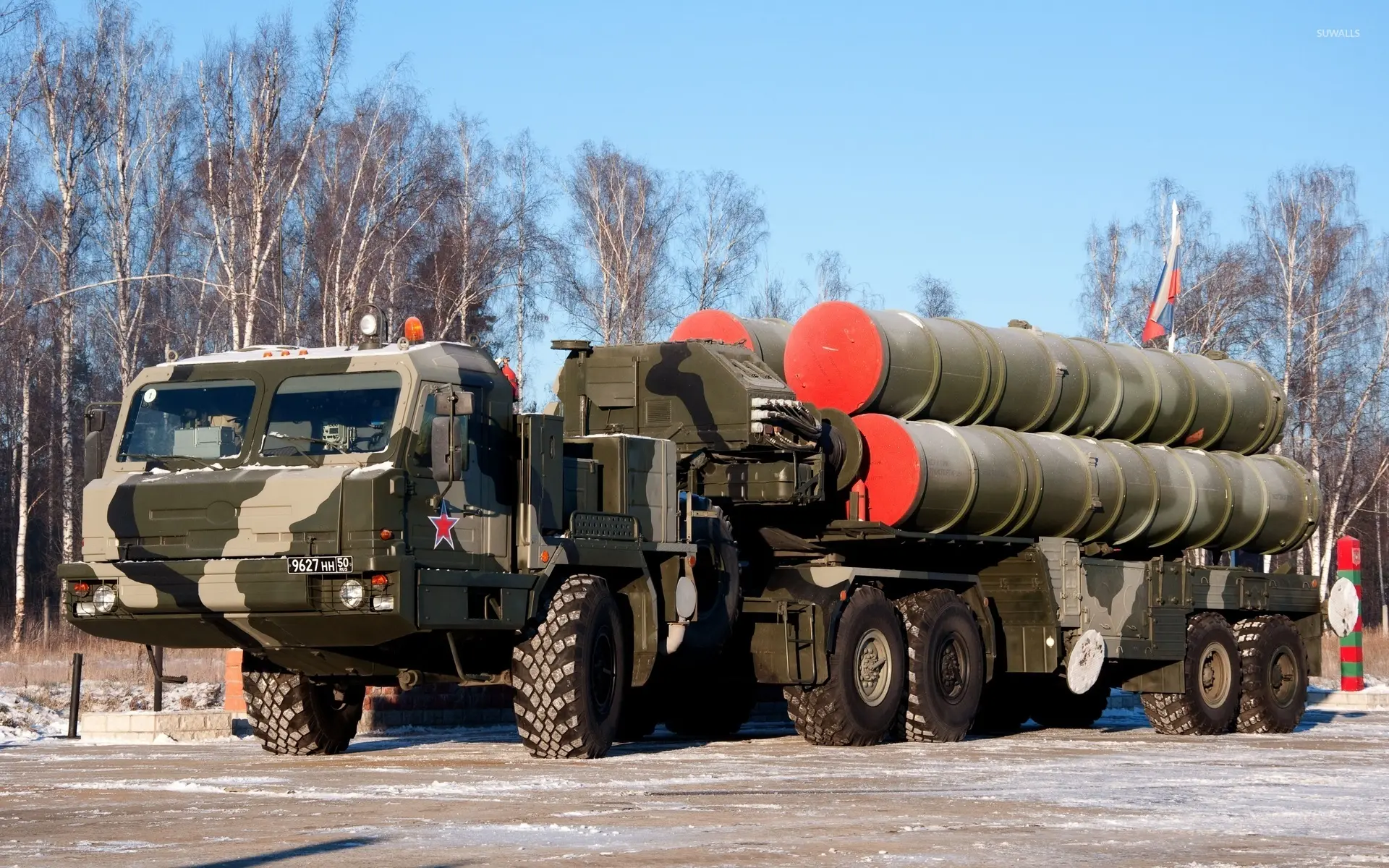
To manage this staggering weight, the system relies on the MZKT-7930 transporter, which utilises an eight-wheel-drive (8x8) chassis. By spreading the 24-tonne payload across eight contact points, the vehicle significantly lowers its ground pressure and prevents itself from sinking into soft terrain.
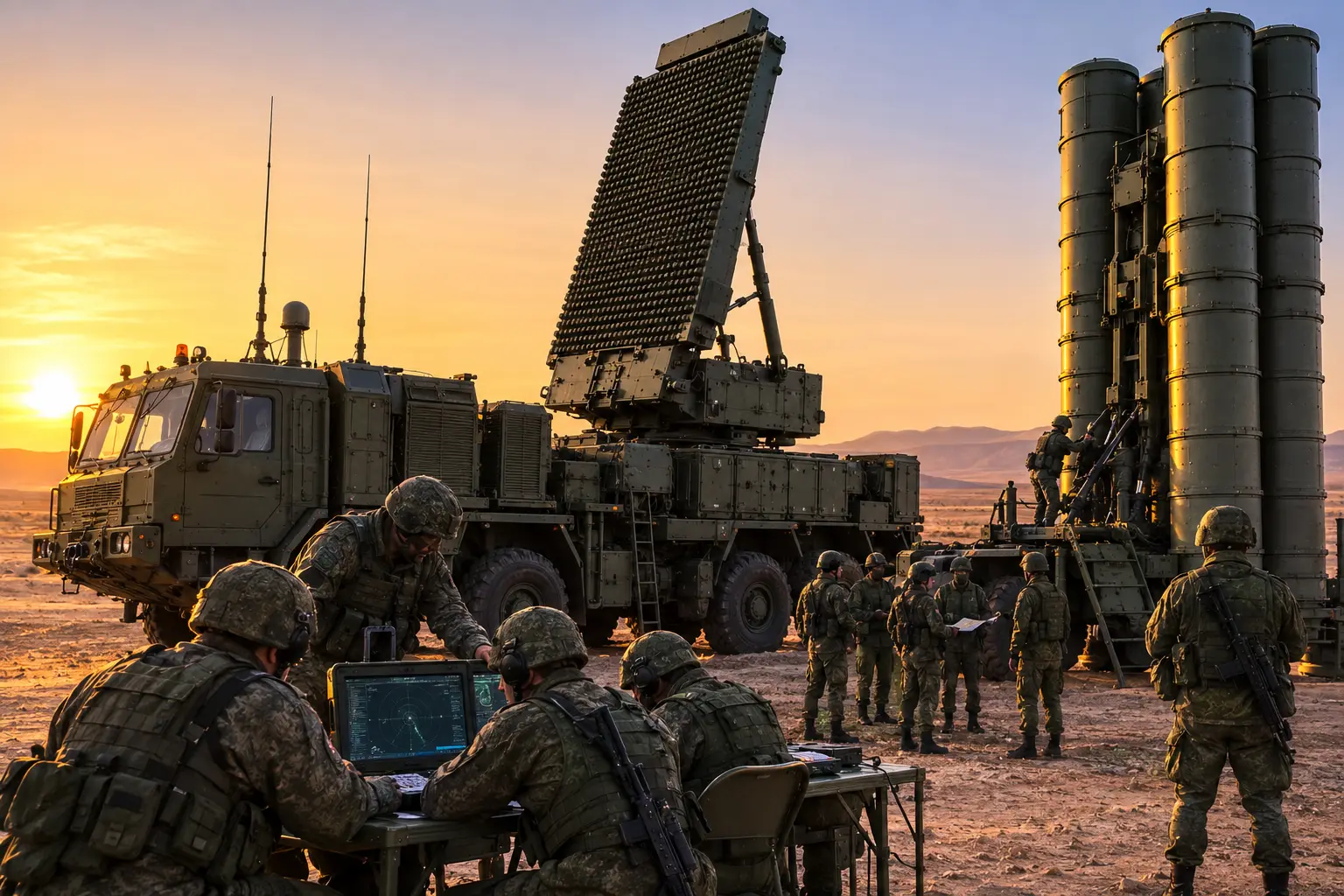
Human-Sized Tyres
Standard commercial truck wheels would instantly buckle under the immense pressure of a fully loaded S-400 battery. Instead, the transporter uses specially reinforced heavy-duty tyres that stand 1.5 metres tall—making them nearly the size of a grown adult.
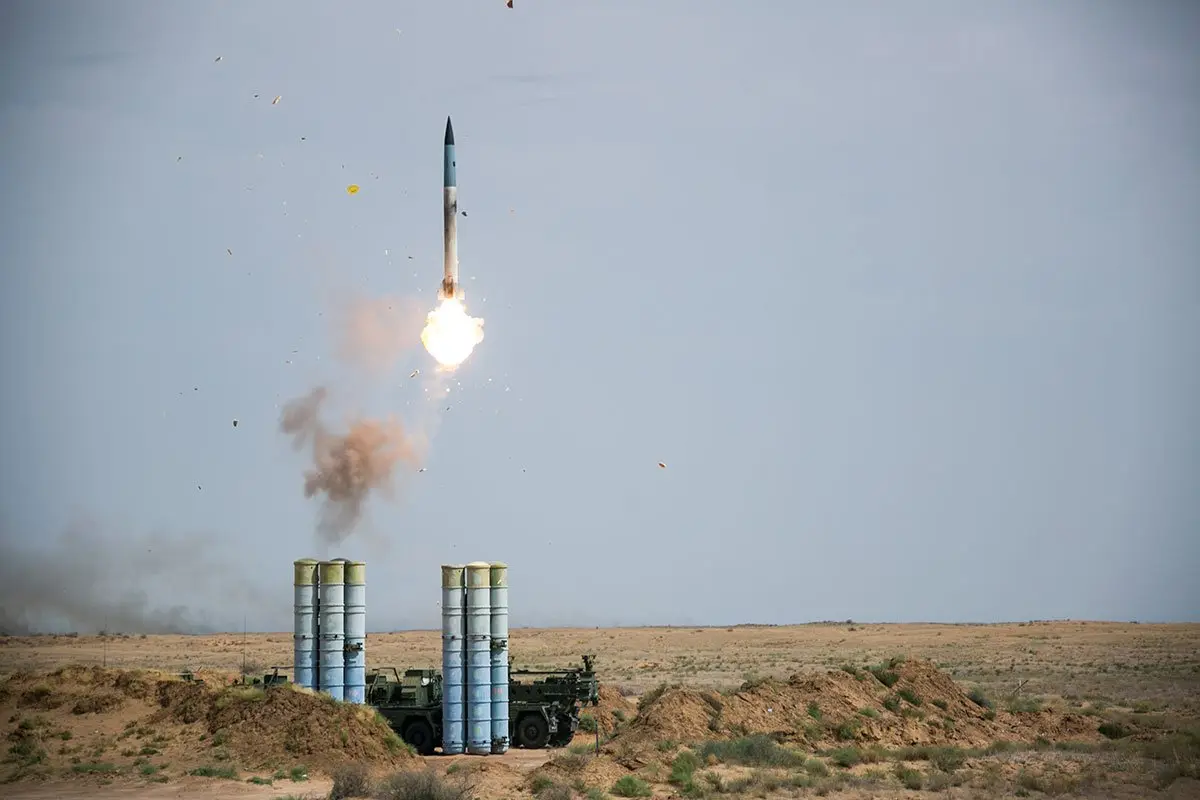
The 500-Horsepower Heart
Powering these eight massive wheels requires extreme mechanical force. The transporter is equipped with a YaMZ-846 V12 diesel engine that generates 500 horsepower, evenly distributing high torque across all eight axles to maintain relentless traction.
Protecting Sensitive Electronics
Carrying expensive, highly calibrated radar equipment across unpaved landscapes creates violent mechanical shocks. The eight-wheeled chassis uses an independent wishbone suspension system to absorb these extreme impacts, ensuring the multi-million dollar electronics arrive at the launch site undamaged.
Conquering the Terrain
Military vehicles must traverse unpredictable environments to reach isolated deployment zones. Thanks to the giant 8x8 wheel configuration, the S-400 achieves a 3.29-metre vehicle height for superior ground clearance, allowing it to conquer thick mud and climb steep 45 per cent gradients.
Shoot-and-Scoot Survival
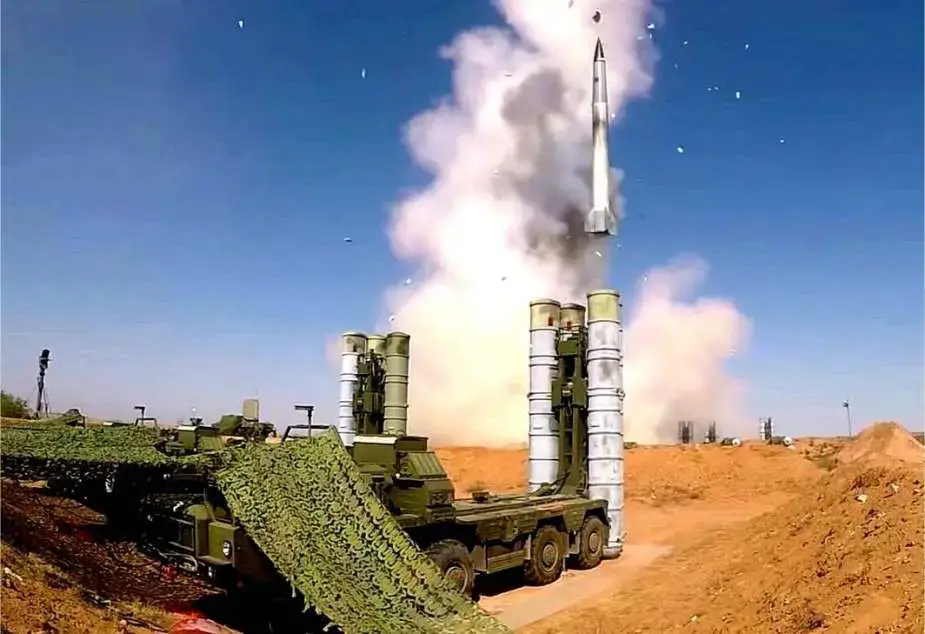
Ultimately, the eight-wheeled design is a vital survival mechanism for the USD 1.25 billion system. By flawlessly navigating harsh off-road terrain, the S-400 can launch its interceptors and rapidly relocate across the wilderness before enemy bombers can execute a retaliatory strike.
)
)
)
)
)