What is search warrant and why LAPD needs it to nail Rob Reiner's murder case for prosecution?

Arresting Rob Reiner’s son wasn't enough. To find the "hidden" evidence from secret journals to deleted texts police need a search warrant. Without it, the "fruit of the poisonous tree" rule could let the killer walk free on a technicality.

Search Warrant?
In simple terms, a search warrant is a legal document signed by a judge that gives police permission to enter a private property and look for specific evidence. Without it, the Fourth Amendment protects citizens (even suspects) from "unreasonable searches." In the this case, this piece of paper is the difference between a solid conviction and a case thrown out of court.

Cannot search the entire without a separate warrant
A legal rule called Chimel v. California. Police can only search the "immediate area" (or "lunge zone") of an arrested person for weapons. They cannot search the entire 10-bedroom Brentwood mansion without a separate warrant.

The "Fruit of the Poisonous Tree"
This is the most critical legal concept. If the LAPD searches the home illegally (without a warrant) and finds the murder weapon, that weapon is considered "fruit of the poisonous tree."
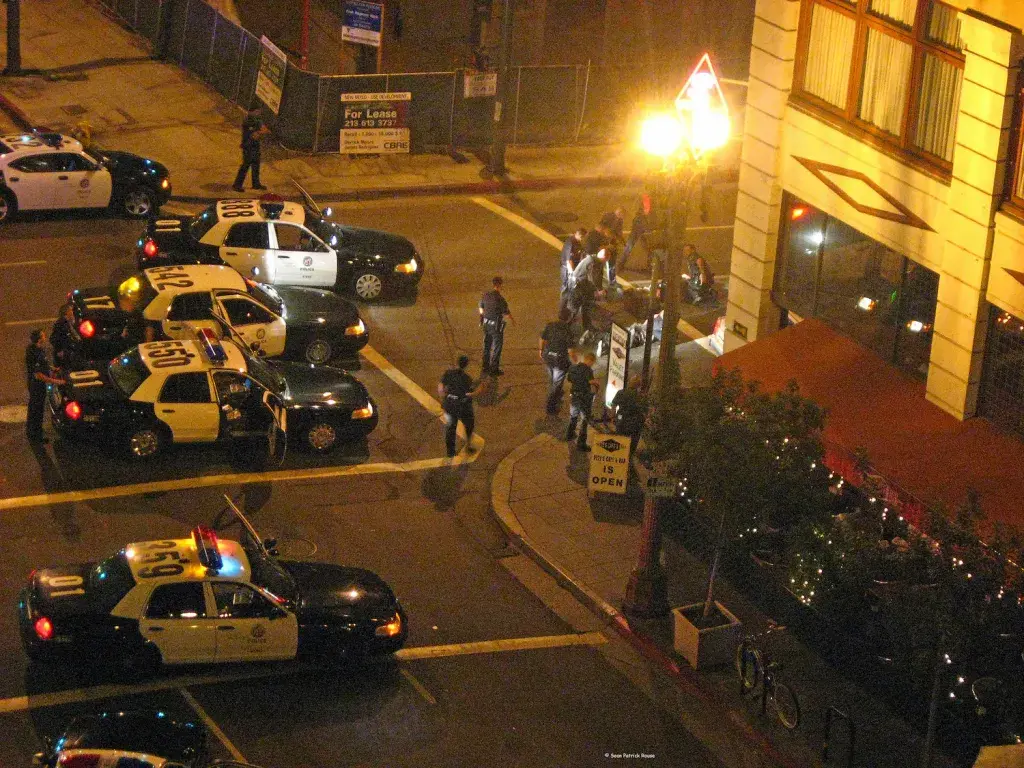
The "Digital Goldmine" (CalECPA)
California has a strict law called the California Electronic Communications Privacy Act (CalECPA). This law says police cannot search a suspect's cell phone or computer without a specific warrant, even if they have the phone in their hand. To see Nick’s texts, recent calls, or digital notes, the LAPD needs a judge's specific permission.

Hunting for the "Motive" (Journals)
In parricide cases (children killing parents), the motive is often hidden in paper, not just blood. Detectives will use the warrant to look for physical journals, diaries, or angry letters drafted by Nick. These documents can prove "premeditation" (planning), upgrading the charge from manslaughter to First-Degree Murder.

The Financial Trail
Many reports suggest money was a major source of tension. The warrant authorizes police to seize financial records, bank statements, and wills found in the home. They are looking for evidence that Rob Reiner had recently "cut off" Nick or threatened to disinherit him, which would provide a powerful financial motive for the jury.

The "Cleanup" Check
A warrant allows forensics teams to use chemicals like Luminol to search for "latent blood" blood that has been wiped away. If Nick tried to clean up the scene before his sister arrived, a warrant gives the LAPD the right to pull up carpets and dismantle plumbing traps to find the washed-away DNA evidence.

The Security Hard Drives
A mega-mansion in Brentwood likely has a high-end security system. The warrant gives police the legal right to seize the DVR hard drives containing CCTV footage. This footage is crucial: it can prove exactly when Nick entered the room, how long he stayed, and if anyone else (a defense theory) ever entered the house.

Ruling Out the "Mystery Killer"
Defense attorneys often argue, "My client didn't do it; a random intruder did." The search warrant allows police to thoroughly check every window and door for signs of forced entry (broken locks, pry marks). By documenting that no forced entry exists, the warrant helps the prosecution destroy the "intruder" defense before the trial even starts.

The Drug Stash
Given Nick's history of addiction, the warrant will specify a search for narcotics and drug paraphernalia. Finding the specific drugs Nick was using can help prosecutors understand his mental state. Was he high? Or was he going through withdrawal rage? This distinction changes how the jury views the "intent" of the crime.
The "Slayer Rule" Evidence
The investigation isn't just criminal; it's civil. The evidence collected under the warrant will also be used to trigger the "Slayer Statute," which blocks a killer from inheriting money. The search ensures that the $200 million estate is protected from the person accused of destroying the family that built it.
Access to Medical Records
If Nick was living at the house, he may have had prescription medications or medical documents in his room. A warrant allows police to seize these to build a profile of his psychological state leading up to the murder. Did he stop taking prescribed meds? The search will tell the entire story.
The "Plain View" Doctrine
While a warrant is specific, it also legally protects the police if they find other illegal items in "plain view" during the search. If they are looking for a phone but find a stash of illegal firearms or other contraband, the warrant makes that evidence admissible too, piling more charges onto the suspect.

Protecting the "Chain of Custody"
A search warrant creates a paper trail. It logs exactly who entered the house, what time they entered, and what they took. This "chain of custody" is vital in court. It proves that the evidence wasn't planted or tampered with, reassuring the jury that the bloody knife presented in court is the exact one found at the scene.

The Judge’s Stamp of Approval
The warrant is a shield against bias. Because a "neutral and detached" judge must sign it, the defense cannot easily argue that the police were "out to get" Nick Reiner. The judge’s signature certifies that there was probable cause before the police kicked down the door, making the prosecution's case bulletproof.
)
)
)
)
)