What is Space-Based Infrared System and how it provides early missile warning for the US military

It is a constellation of military satellites equipped with infrared sensors that detect heat signatures from missile launches, explosions and large-scale fires.

A system watching the world from space
In an era of rising missile threats and compressed decision times, the United States relies on space-based surveillance to detect danger within seconds. At the centre of this architecture is the Space-Based Infrared System, also known as SBIRS. It is a network of satellites that are designed to provide early warning of missile launches anywhere on Earth.
What is SBIRS
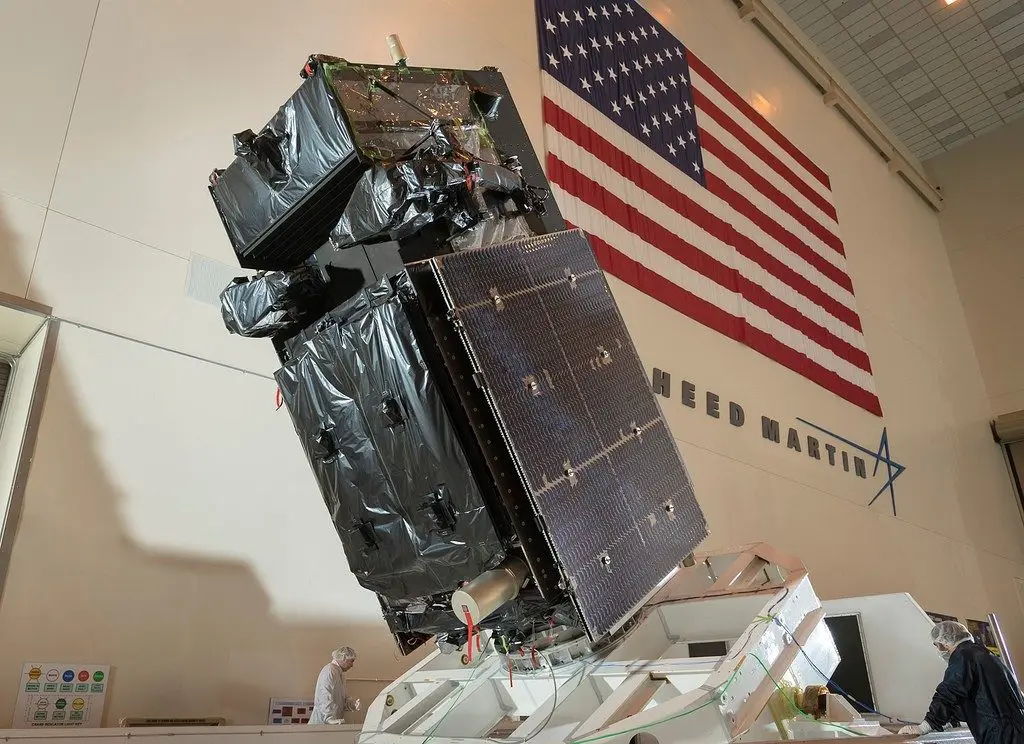
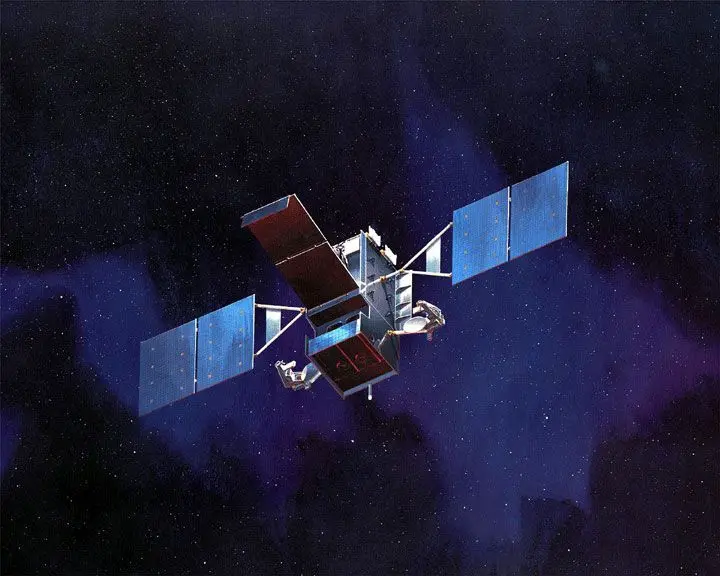
According to Northrop Grumman, “The SBIRS system enhances global missile launch detection capability, supports the nation's ballistic missile defense system, expands the country’s technical intelligence gathering capacity and bolsters situational awareness for warfighters on the battlefield.” It is a constellation of military satellites equipped with infrared sensors that detect heat signatures from missile launches, explosions and large-scale fires. According to the US Space Force, the system serves as the primary strategic missile warning system for the United States and its allies, forming a critical layer of national and theatre missile defence.
How the satellites are deployed
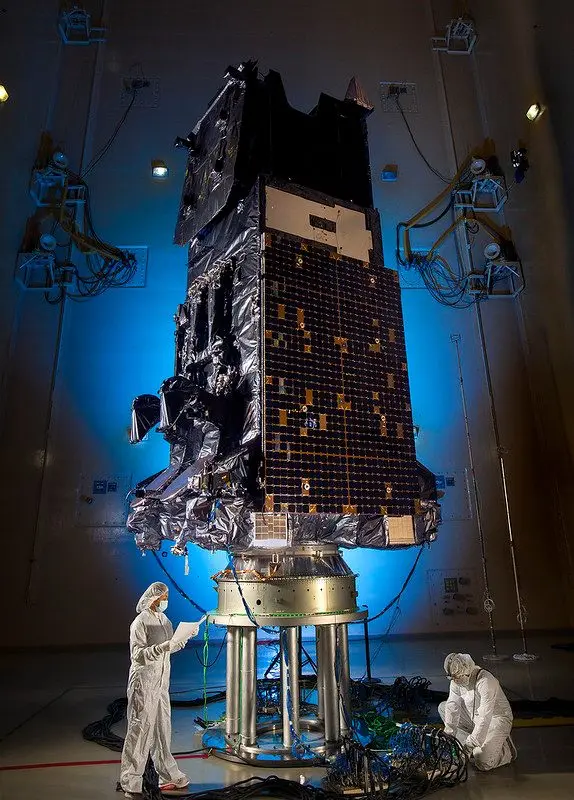
SBIRS operates using satellites in geostationary orbit and infrared payloads hosted on satellites in highly elliptical orbit. Lockheed Martin notes that this combination allows continuous monitoring of key regions while also covering high-latitude areas such as the Arctic, where missile detection is more complex due to Earth’s curvature.

Detecting missiles in real time
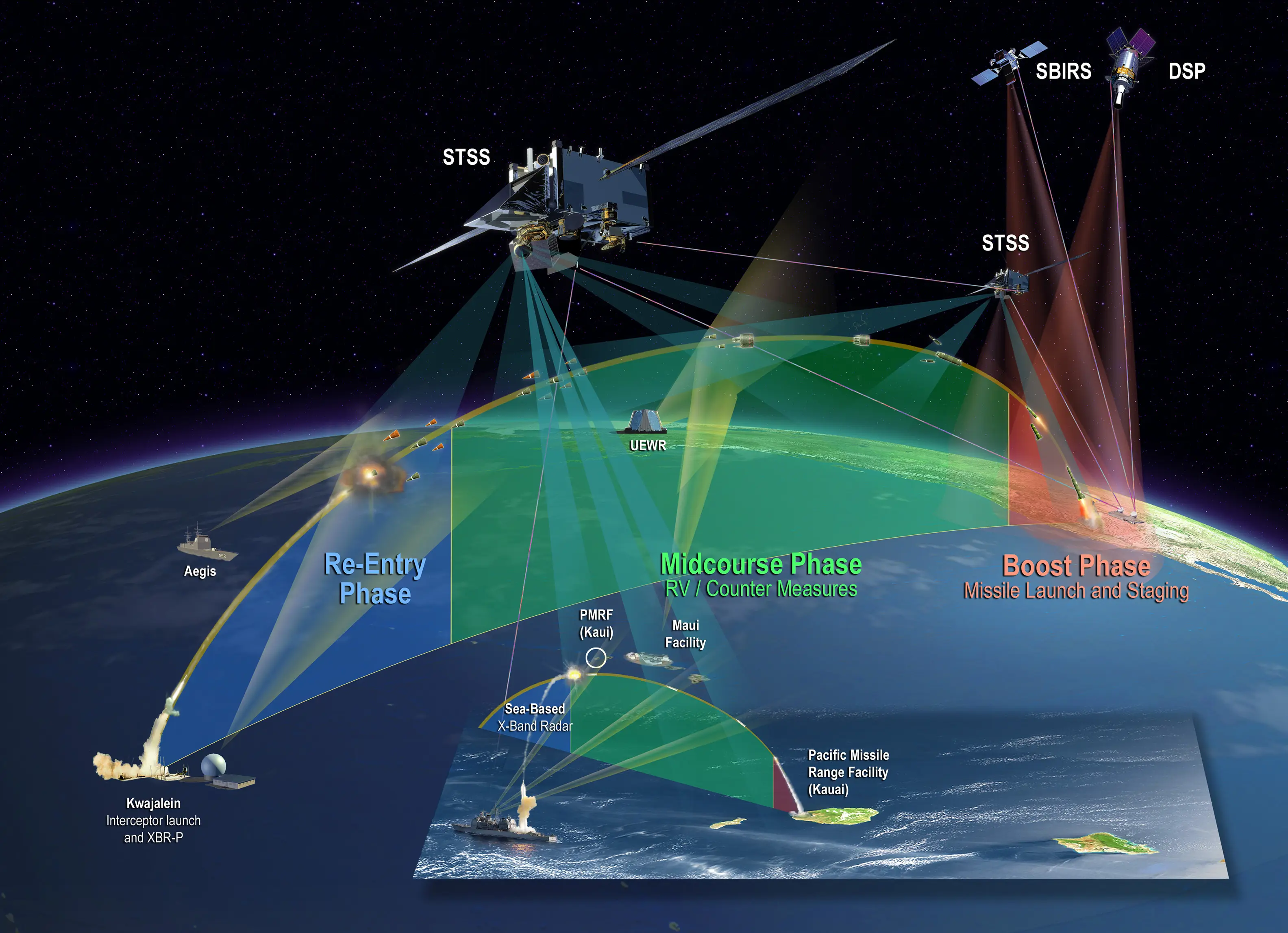
The system’s infrared sensors are capable of spotting the intense heat generated during the boost phase of a missile launch. According to Northrop Grumman, SBIRS can detect and track ballistic missiles shortly after launch, providing near real-time data on trajectory and potential impact areas. It includes a resilient mix of satellites in Geosynchronous Earth Orbit (GEO), hosted payloads in Highly Elliptical Orbit (HEO) orbit, and ground mission-processing hardware and software.
Supporting missile defence and intelligence
The US Space Force says the system also supports technical intelligence by analysing missile performance, helping defence planners understand emerging threats and adversary capabilities. USSF operates HEO sensors and GEO satellite constellations.
Who builds and operates SBIRS
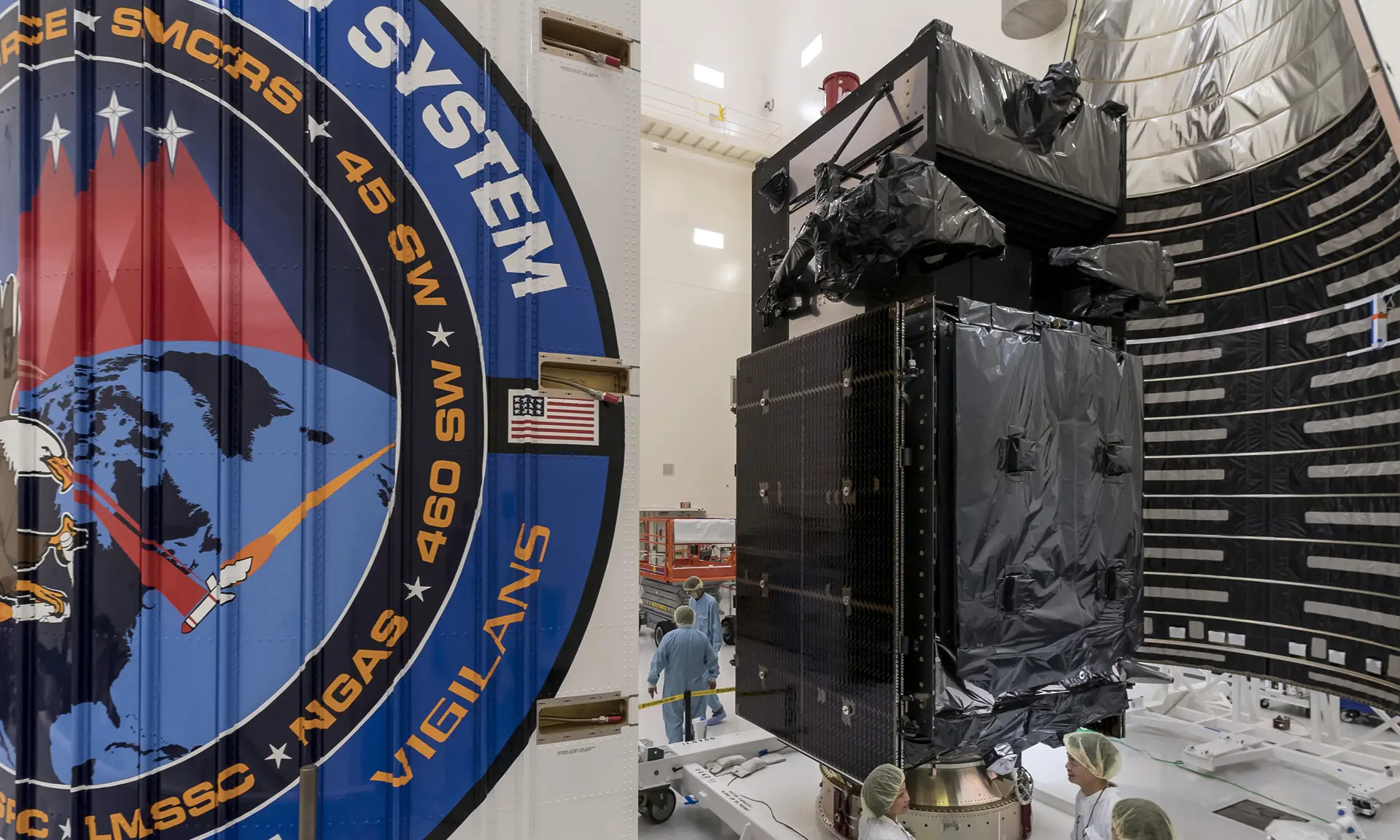
The program is managed by the Remote Sensing Systems Directorate at the US Space Force’s Space and Missile Systems Center. The system’s infrared payload consists of two sensors; a scanner and a step-starer. The scanning sensor of the system scans the earth continuously to provide 24/7 global strategic missile warning capability. The step-staring sensor, with its highly-agile and highly-accurate pointing and control system, provides coverage for theater missions and intelligence areas of interest with its fast revisit rates and high sensitivity.
What comes after SBIRS
While SBIRS remains fully operational, it is gradually being supplemented by the Next-Generation Overhead Persistent Infrared programme. According to the US Space Force, future systems will be better suited to detect advanced threats such as hypersonic weapons and will offer improved resilience against jamming and cyber attacks.
)
)
)
)
)