What is 'Sanchar Saathi' app and why is it now mandatory in your new mobile phones?

Supersonic systems can be integrated into existing land, air and sea platforms without major redesign. This compatibility provides operational flexibility that newer hypersonic systems, still undergoing integration trials, do not yet offer at scale.
1. Government Mandate for All New Smartphones
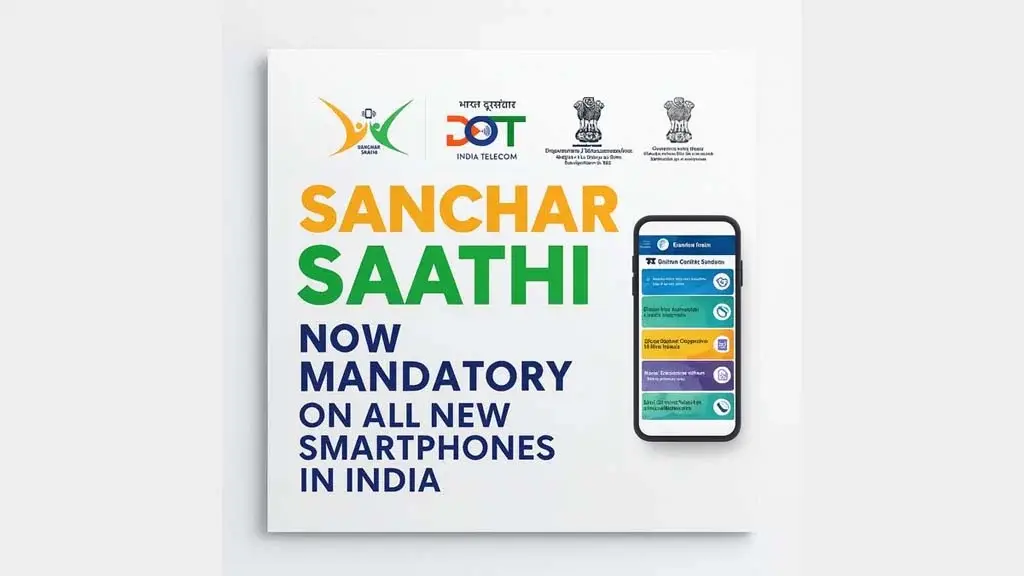
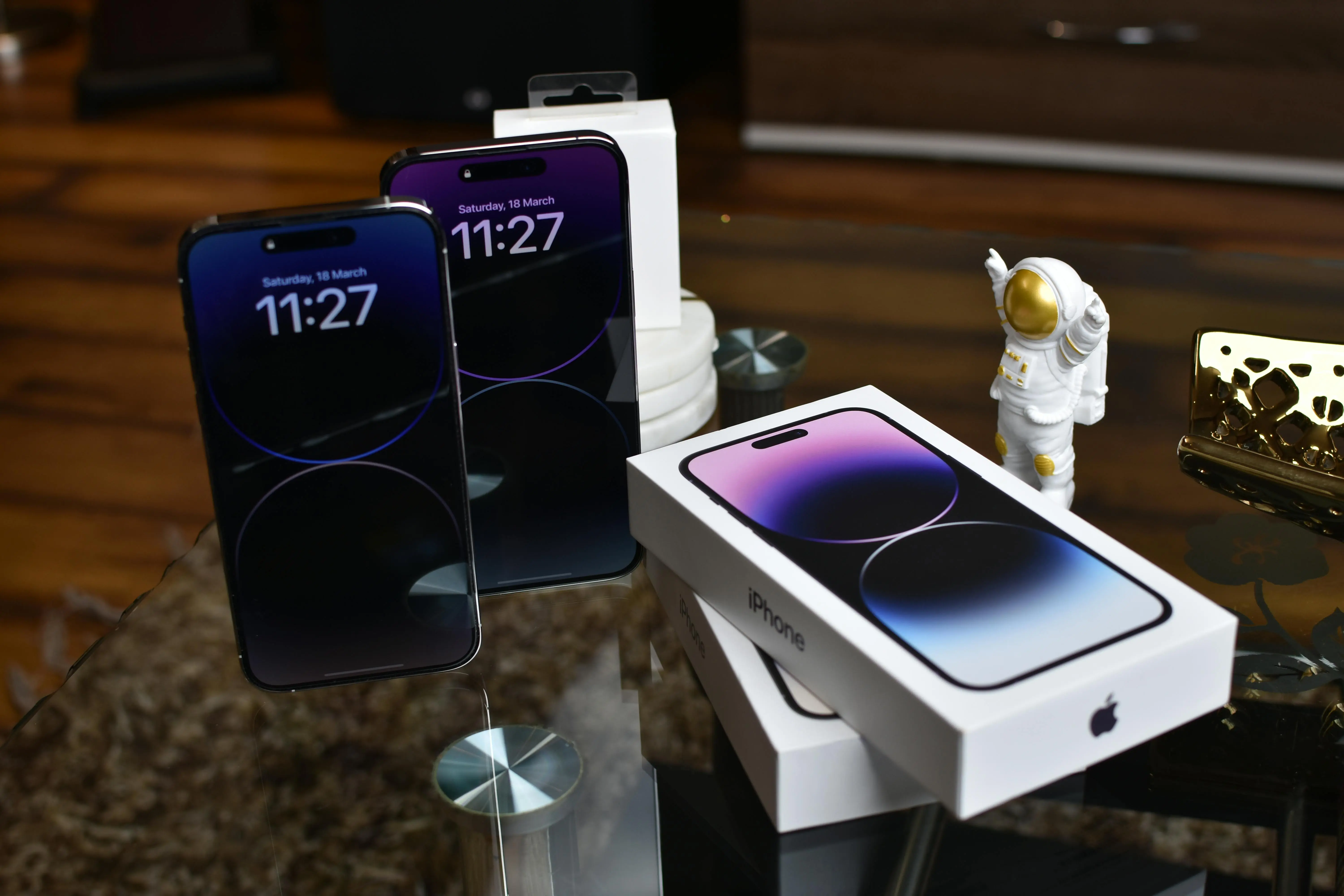
The Department of Telecommunications (DoT) has directed every smartphone manufacturer and importer to pre-install the Sanchar Saathi app on all new devices sold in India. As per the Hindustan Times report, the app must appear on first use and cannot be removed or disabled by the user. Brands have been given a compliance window of 90 days.
2. Built to Track and Block Lost or Stolen Phones
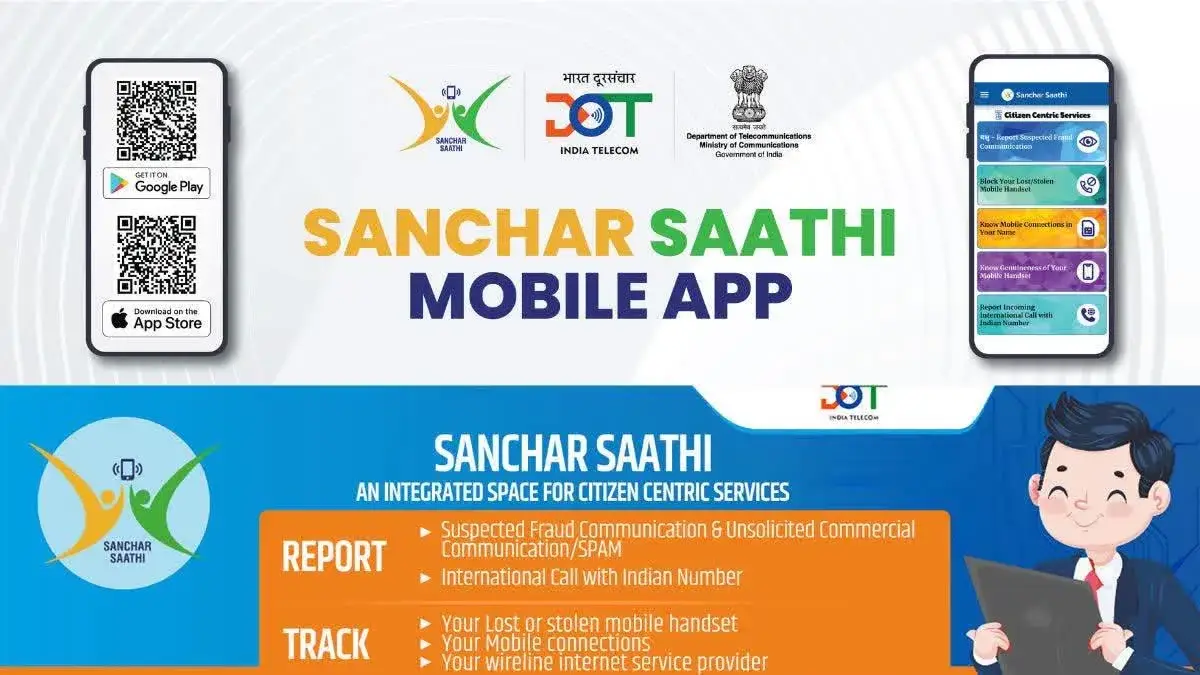
Sanchar Saathi’s core feature is the ability to block a lost or stolen handset using its IMEI number. Once blocked, the device becomes unusable across all telecom networks. This function already exists on the Sanchar Saathi portal, and the app now brings it directly to users’ phones.
3. Helps Users Check All Mobile Connections in Their Name
The app allows users to see how many mobile numbers are issued against their identity. This is meant to prevent the misuse of personal documents for unauthorised SIM registrations — a problem highlighted repeatedly in cybercrime investigations.
4. IMEI Verification for Device Authenticity
Sanchar Saathi includes a phone-verification tool that checks whether a handset’s IMEI is genuine, duplicated or tampered with. The feature is intended to reduce the circulation of counterfeit devices and detect cloned phones using the same IMEI.

5. Reporting Fraud Calls, SMS and Suspicious Links
The app provides an option to report suspected fraud, phishing attempts, scam calls and unsolicited commercial communication. These reports feed into DoT’s system for analysing spam patterns and identifying numbers involved in cyber-fraud.
6. App Will Also Be Pushed to Existing Devices
The directive doesn’t apply only to future smartphones. As per the report, DoT has asked manufacturers to roll out the app to existing devices through software updates wherever technically possible. This means a large section of current users may receive the app automatically.
7. Privacy Concerns and Questions Around User Choice
The move has triggered debate about mandatory installation. Critics argue that a state-run app that cannot be removed raises questions about data access and user consent. The government’s view is that the app enhances security and helps reduce fraud, while privacy groups want more clarity on data handling and permissions.
)
)
)
)
)