What is 'S-500 Prometheus' and why India wants to buy it after S-400 success in Operation Sindoor

Russia appears open to exporting S-500 (or at least discussing it with interested allies). Reports trace back to 2021 when Russian officials named India as a “prospective customer.”
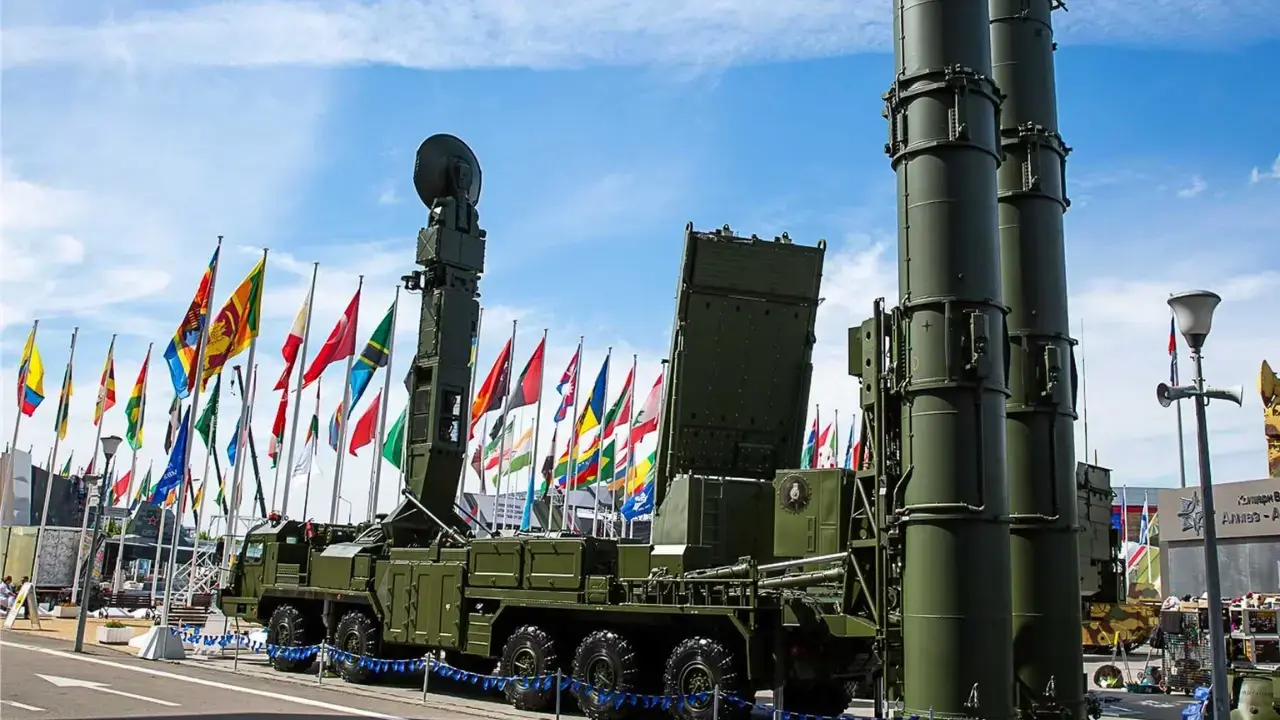
1. What is the S-500: A Next-Gen Air & Missile Defence System
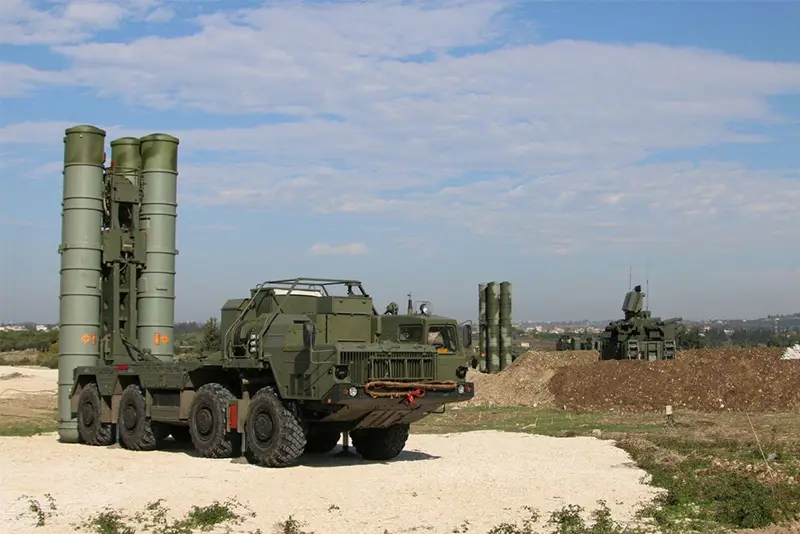
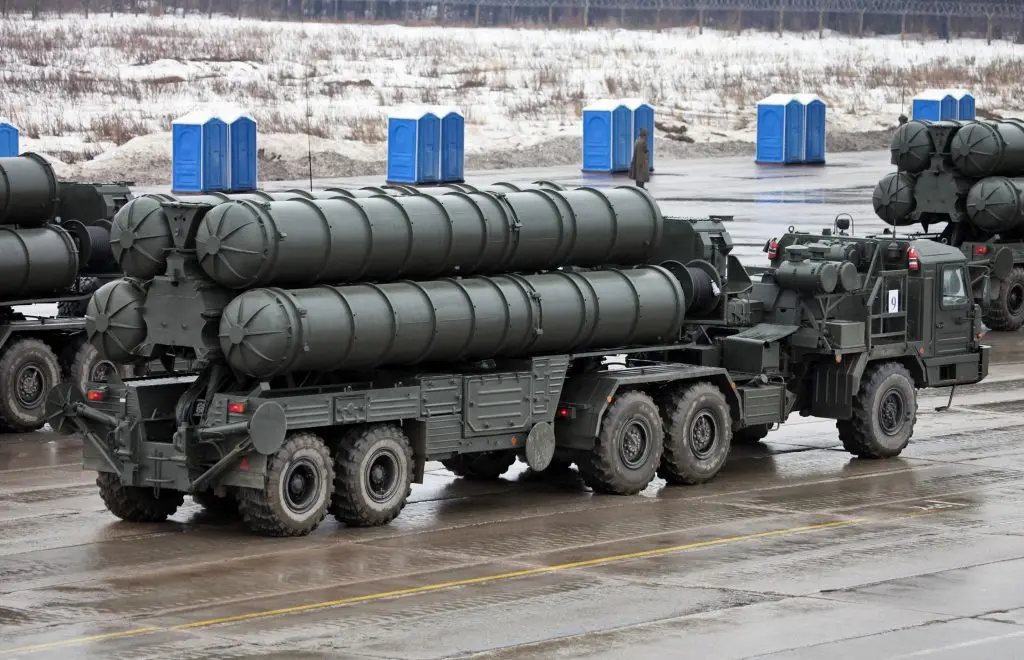
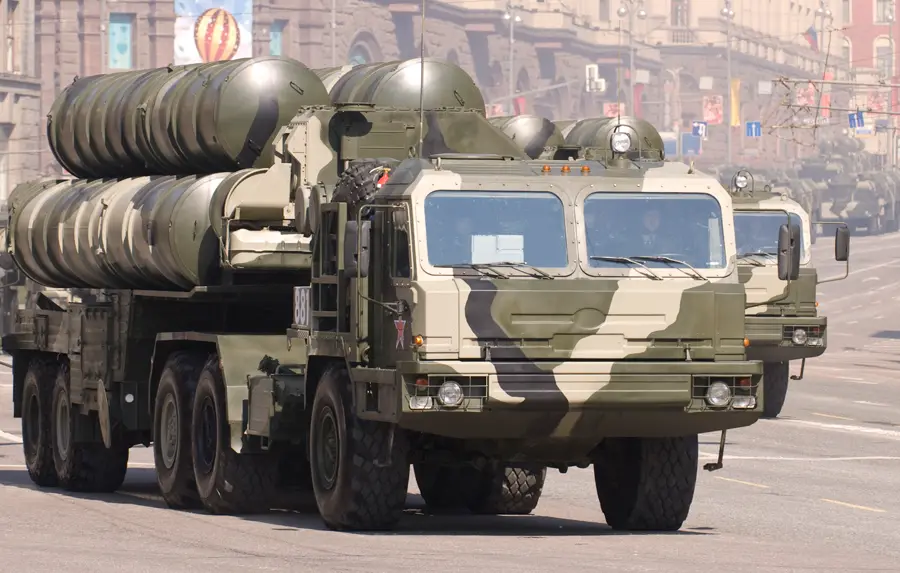
The S-500 is a cutting-edge Russian mobile air-defence and anti-ballistic-missile system, developed by Almaz-Antey. It is designed to intercept ballistic missiles, hypersonic weapons, cruise missiles, stealth aircraft and even low-orbit satellites. It reportedly boasts an intercept range up to 600 km and can engage threats at altitudes up to ~200 km, giving it a coverage envelope much broader than most existing air-defence platforms.
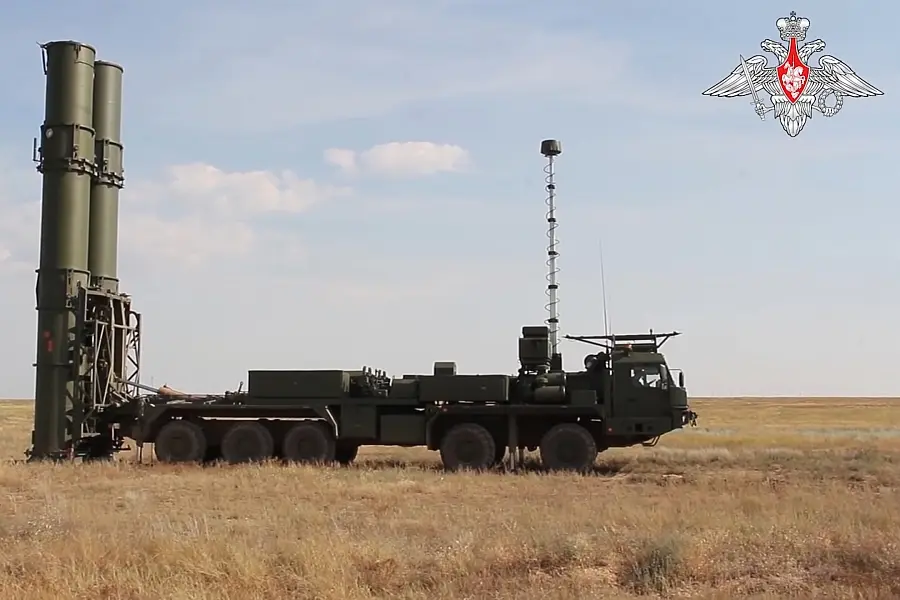
2. S-500 vs S-400: What Makes It a Major Upgrade
While the S-400, already inducted by India, counters aircraft, drones, cruise missiles and some ballistic threats, the S-500 adds hypersonic missile interception, high-altitude / near-space threats, and anti-satellite (ASAT) capability. That makes it not just an “upgrade,” but a qualitative leap, preparing for next-generation threats, not only current ones.
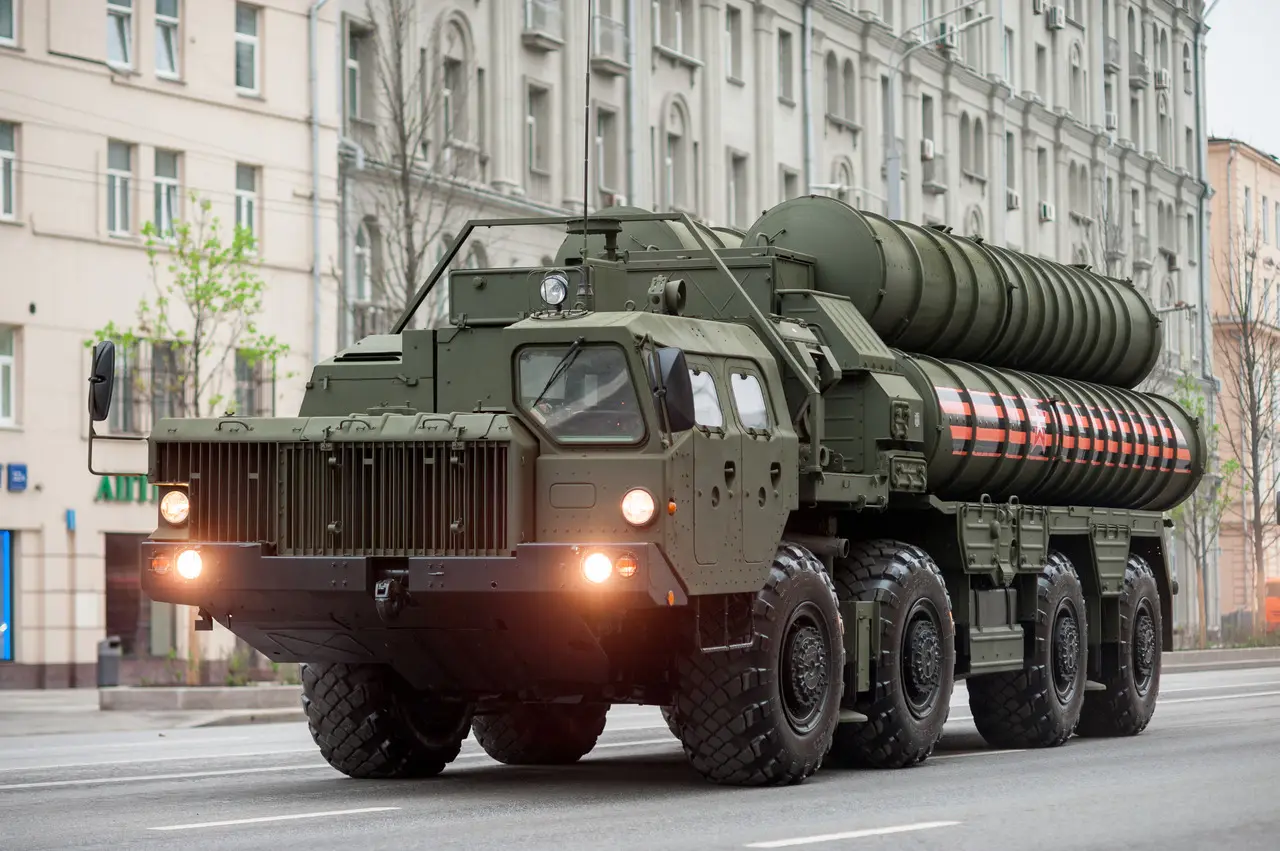
3. Why India Is Considering It Now — Boost After S-400’s Performance
India’s existing S-400 systems have reportedly performed well in recent conflicts and border tensions, reinforcing confidence in Russian air-defence technology. Given evolving regional threats, including advanced missiles, drones, and potential hypersonic systems, India’s defence planners see value in adding a more capable layer like the S-500 to its multi-layer air-defence shield.
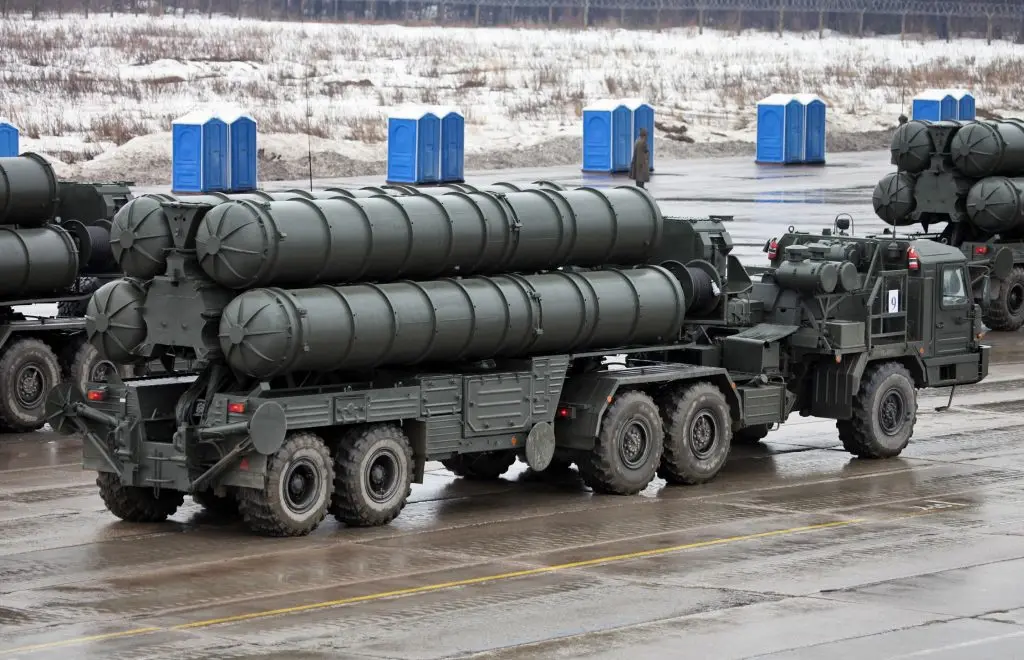
4. What the S-500 Offers That Indian Air Defence Lacks Today
- Ability to intercept hypersonic missiles and ballistic trajectories — which many existing systems struggle against.
- Capability to engage high-altitude threats — such as ballistic missiles during ascent, or even low-orbit satellites — giving India "space-layer" defence potential.
- A long-range umbrella (600 km +) — giving broad protection to critical assets: major cities, nuclear sites, strategic airfields, command-and-control hubs.
5. What Russia Has Offered — And the India–Russia Defence Context
Russia appears open to exporting S-500 (or at least discussing it with interested allies). Reports trace back to 2021 when Russian officials named India as a “prospective customer.” India and Russia have a long history of defence cooperation (tanks, aircraft, missiles, joint manufacture), making S-500 a plausible next step in that relationship.
6. The Challenges & Questions — Why It’s Not a Done Deal Yet
The S-500 is very expensive, both for procurement and upkeep. That demands careful budgeting and cost-benefit analysis. Integration with India’s existing air-defence architecture (radars, command controls, support systems) needs careful planning, it’s not a drop-in addition. Export and delivery depend on Russia’s production status, export policy, and global geopolitics. S-500 is still relatively new and not widely fielded.
7. What This Move Signals: India Looking Ahead to Future Air & Space Threats
If India acquires the S-500, it would mark a shift: from protecting against conventional aerial threats to preparing for next-generation warfare, hypersonic missiles, space-based threats, stealth aircraft, ballistic missiles. The S-500 could become the top layer of a multi-tier air- and space-defence shield. In short: for India, this isn’t just about upgrading old systems, it’s about future-proofing national security.
)
)
)
)
)