What is Russia’s 'shadow fleet'? The sanctions-dodging tanker network moving oil worldwide

Following the Russia Ukraine war, the European Union (EU), G7, and allied partners imposed extensive sanctions targeting Russia's economy, in particular the oil sector.
Why It Matters Now
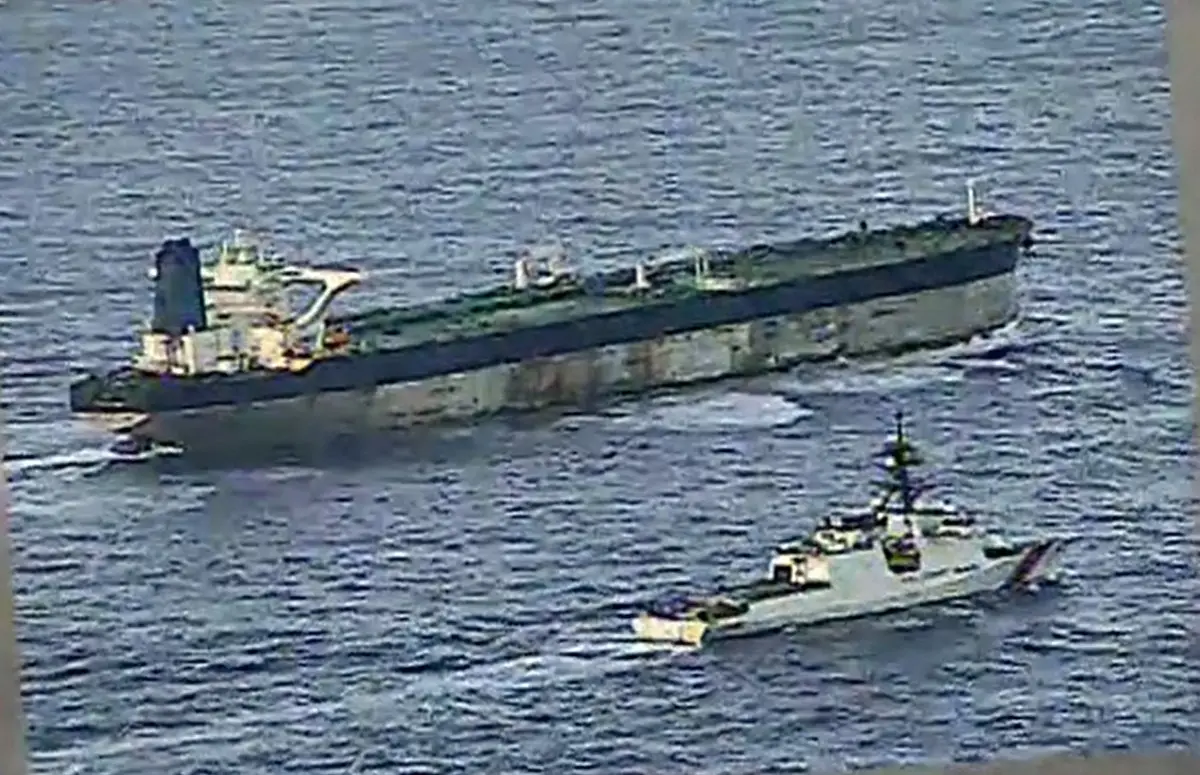
The term Russia’s shadow fleet has become central to discussions about sanctions enforcement after the United States recently seized Russia-linked oil tankers in the North Atlantic and Caribbean for allegedly violating sanctions. This move raises concerns of a fresh flashpoint between the US and Russia. Moscow has already condemned Washington on the seizure, saying 'freedom of navigation applies in waters on the high seas'.
What Happened?
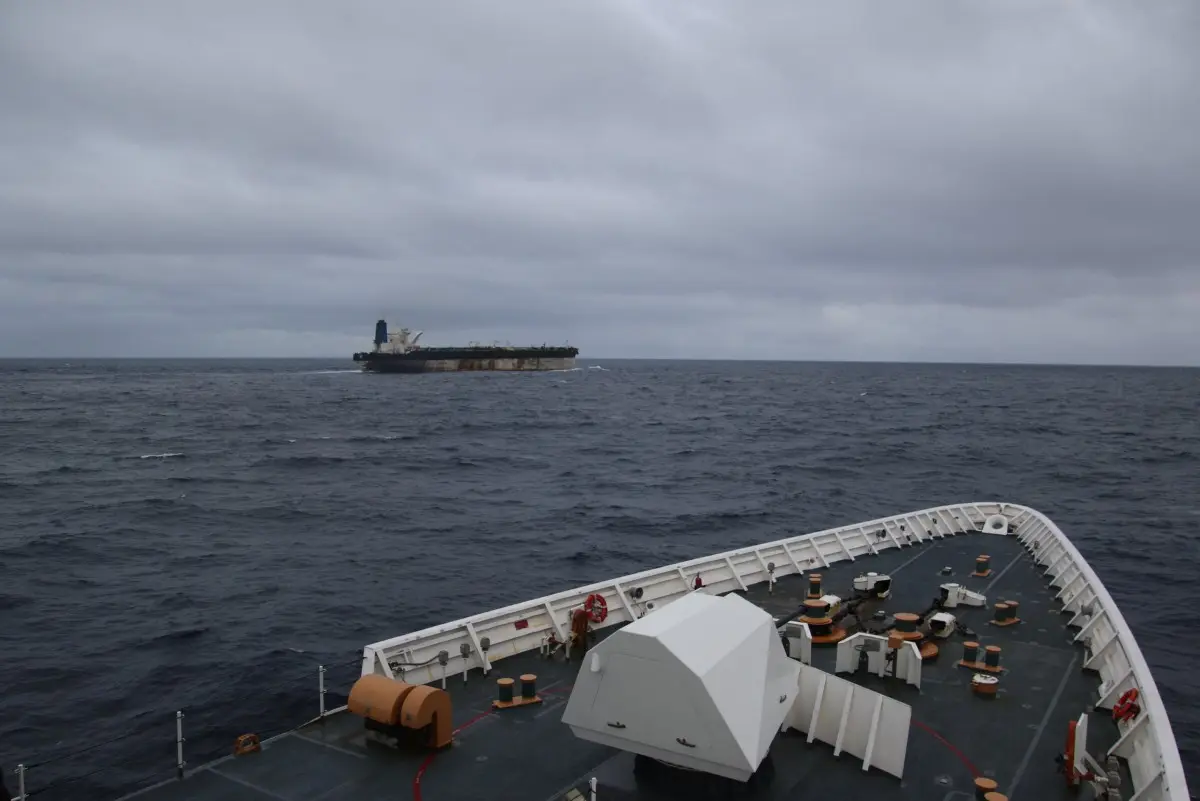
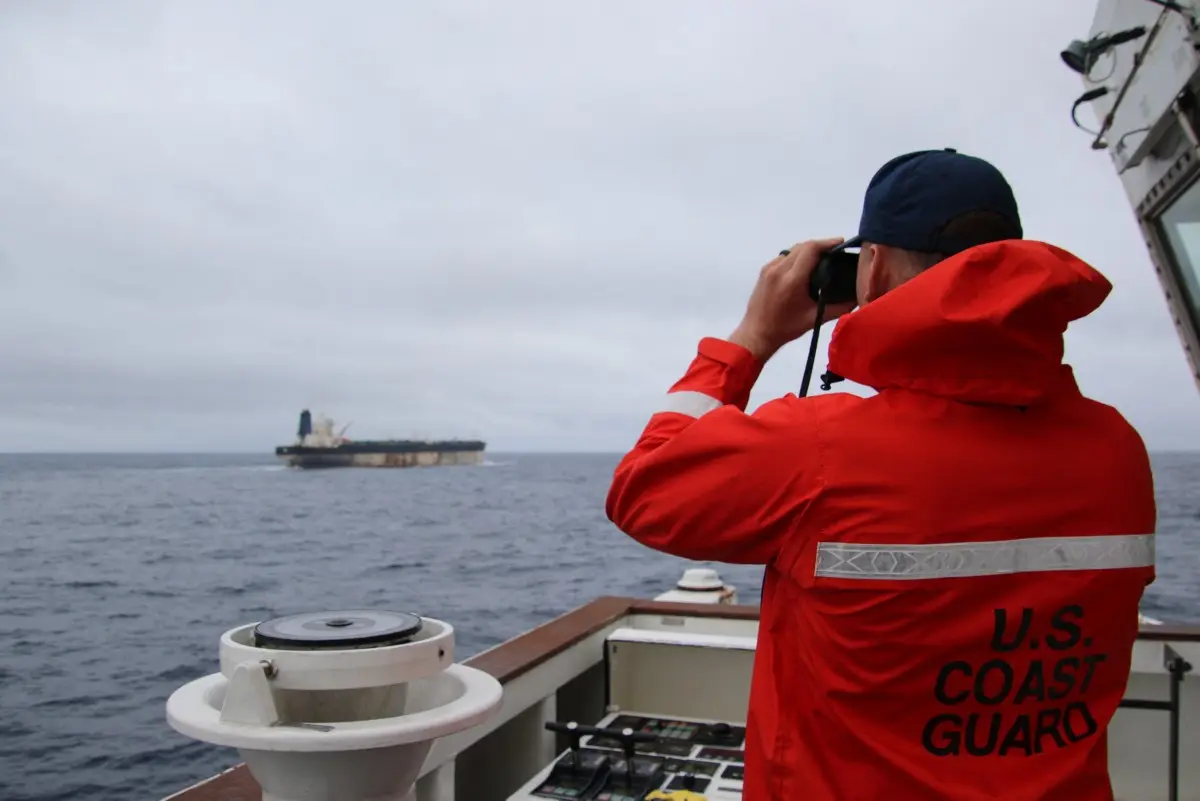
On Wednesday, the US European Command confirmed the seizure of the Marinera for violating US sanctions. “The vessel was seized in the North Atlantic pursuant to a warrant issued by a US federal court after being tracked by USCGC Munro,” it said in a post on X. Following the Russia Ukraine war, the European Union (EU), G7, and allied partners imposed extensive sanctions targeting Russia's economy, in particular the oil sector. These so-called 'ghost' or shadow vessels transport sanctioned crude and petroleum products to markets while avoiding Western restrictions.
What the Shadow Fleet Is
According to the European Parliament, "To evade sanctions, the Russian 'shadow fleet' makes use of flags of convenience and intricate ownership and management structures while employing a variety of tactics to conceal the origins of its cargo, including: ship-to-ship transfers; automatic identification system blackouts; falsified positions; transmission of false data; and other deceptive or even illegal techniques.”
Ageing tankers
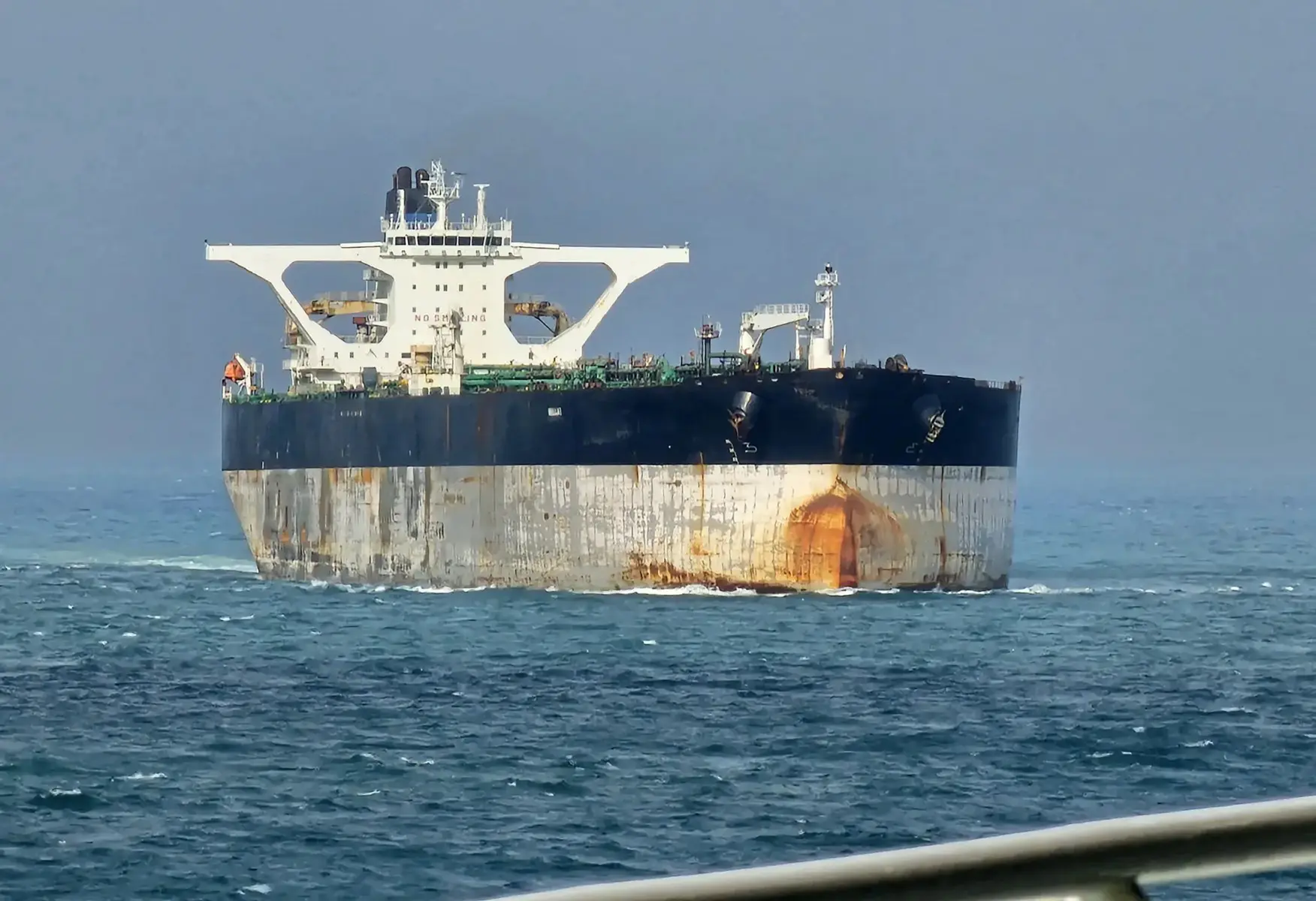
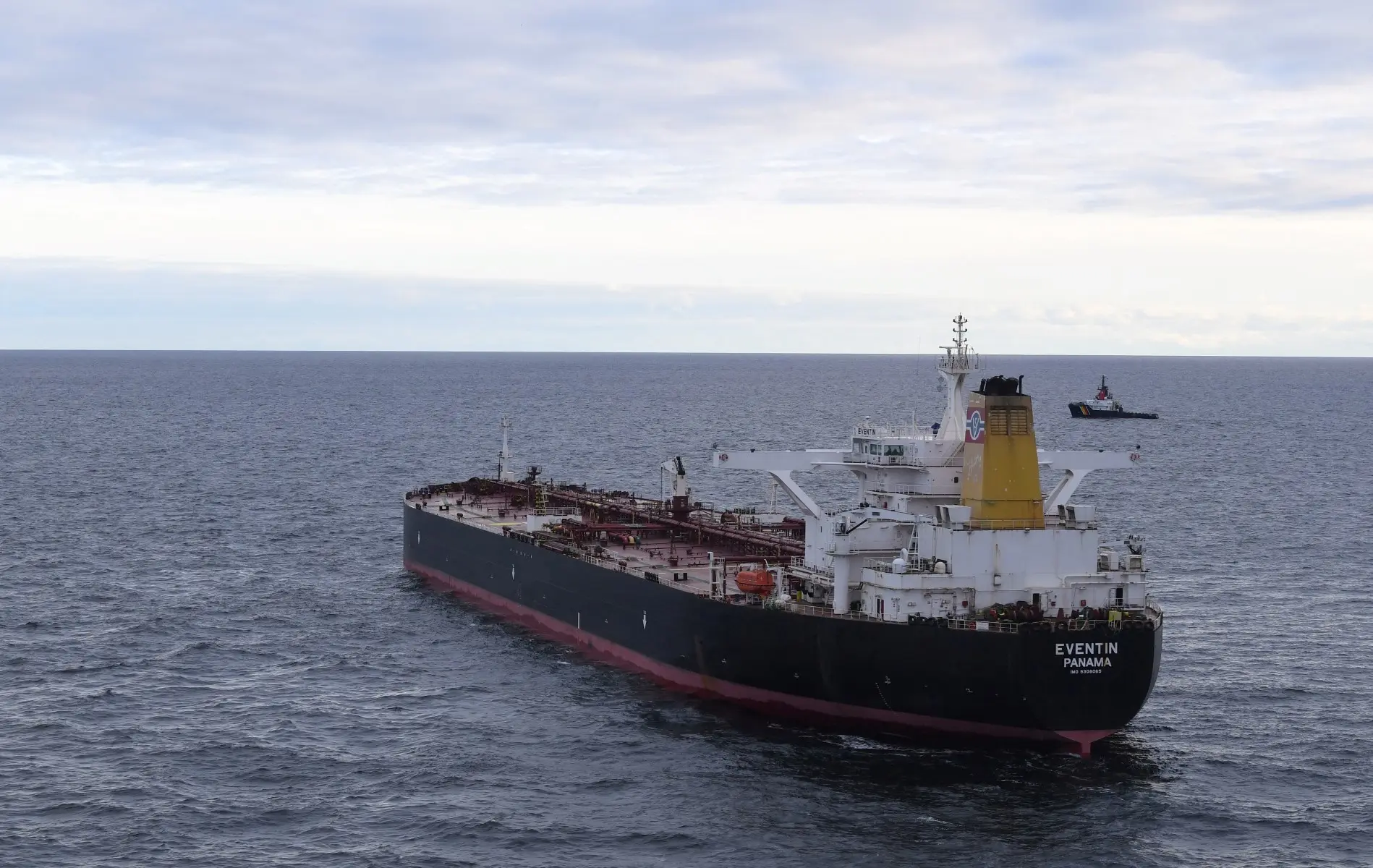
The shadow fleet refers to a large group of ageing tankers and product carriers that operate outside regular maritime controls to evade sanctions. According t media reports, by mid-2024, this clandestine fleet included over 400 crude oil carriers and around 200 oil product tankers, collectively transporting more than 70 per cent of Russia’s oil exports by sea.
How It Evades Detection
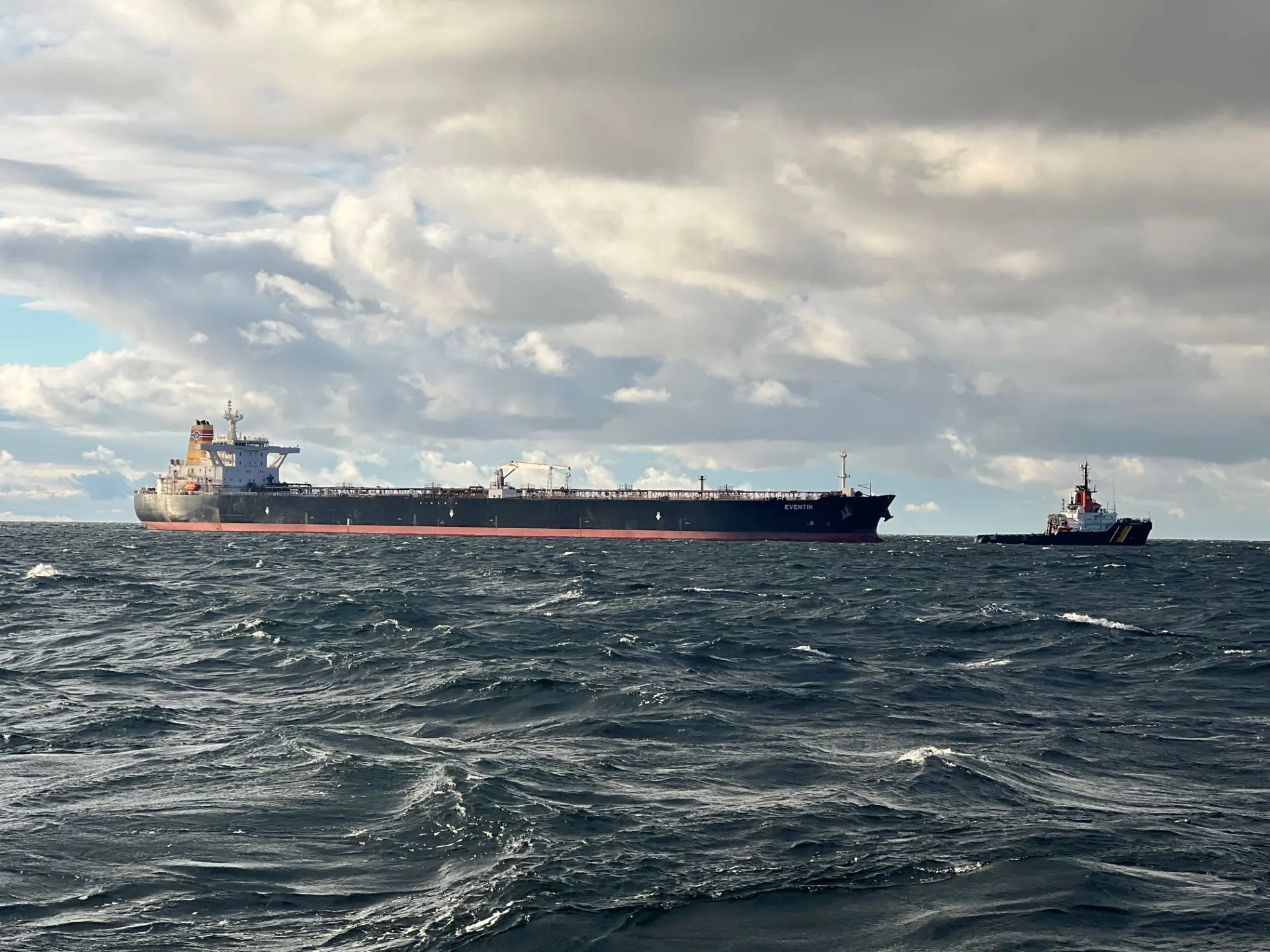
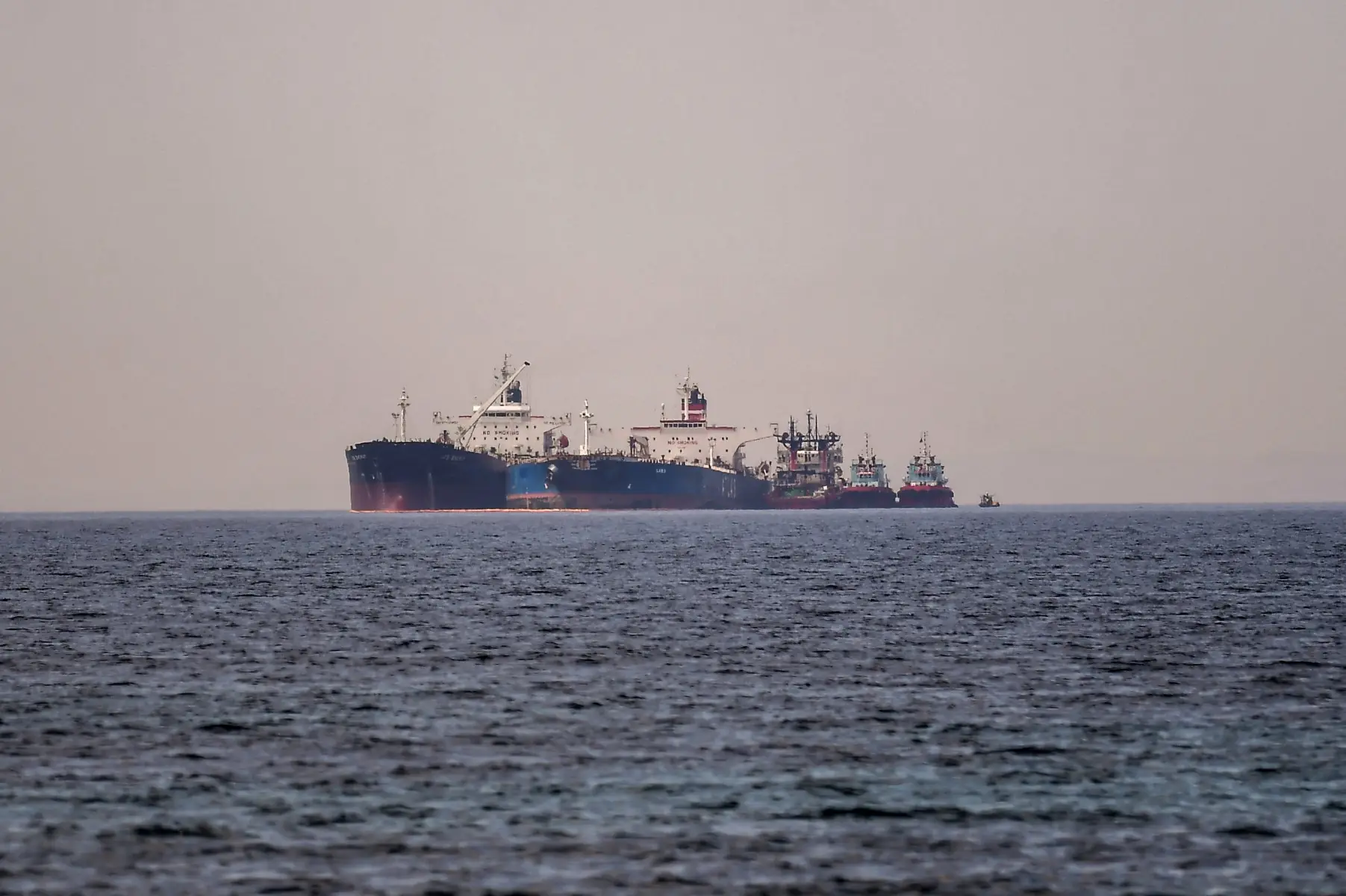
Shadow fleet vessels employ a variety of tactics to avoid scrutiny. They frequently disable or turn off their Automatic Identification System (AIS) tracking systems, making their movements difficult to monitor. Many employ ship-to-ship oil transfers in remote international waters to obscure the origins and destinations of cargo.
Flags of Convenience and False Identity
Another common practice is reflagging, vessels register under ‘flags of convenience’ from jurisdictions with lax maritime oversight, such as Panama, Liberia or other non-sanctioning registers. Some ships also falsify position data or transmit misleading information to confuse tracking systems.
Ownership and Structure
To escape scrutiny, Russia's shadow fleet regularly shifts registrations among flag of convenience nations that do not enforce EU/G7+ sanctions. Ownership of these tankers is deliberately opaque. Complex networks of shell companies, often based in jurisdictions with limited transparency, hide the real beneficiaries of the fleet’s operations.
Economic and Strategic Impact
The shadow fleet’s significance extends beyond simple smuggling. By sustaining oil exports in defiance of sanctions, it helps Russia maintain revenue streams that are crucial to its wartime economy.
)
)
)
)
)