What is really happening? How this 2026 Iran protest is different

Iran's 2026 protests, sparked by economic collapse and inflation, have spread to 185 cities. Unlike 2022, traditional merchants have joined the unrest. With many confirmed deaths and a total internet blackout, the regime faces its toughest challenge yet.
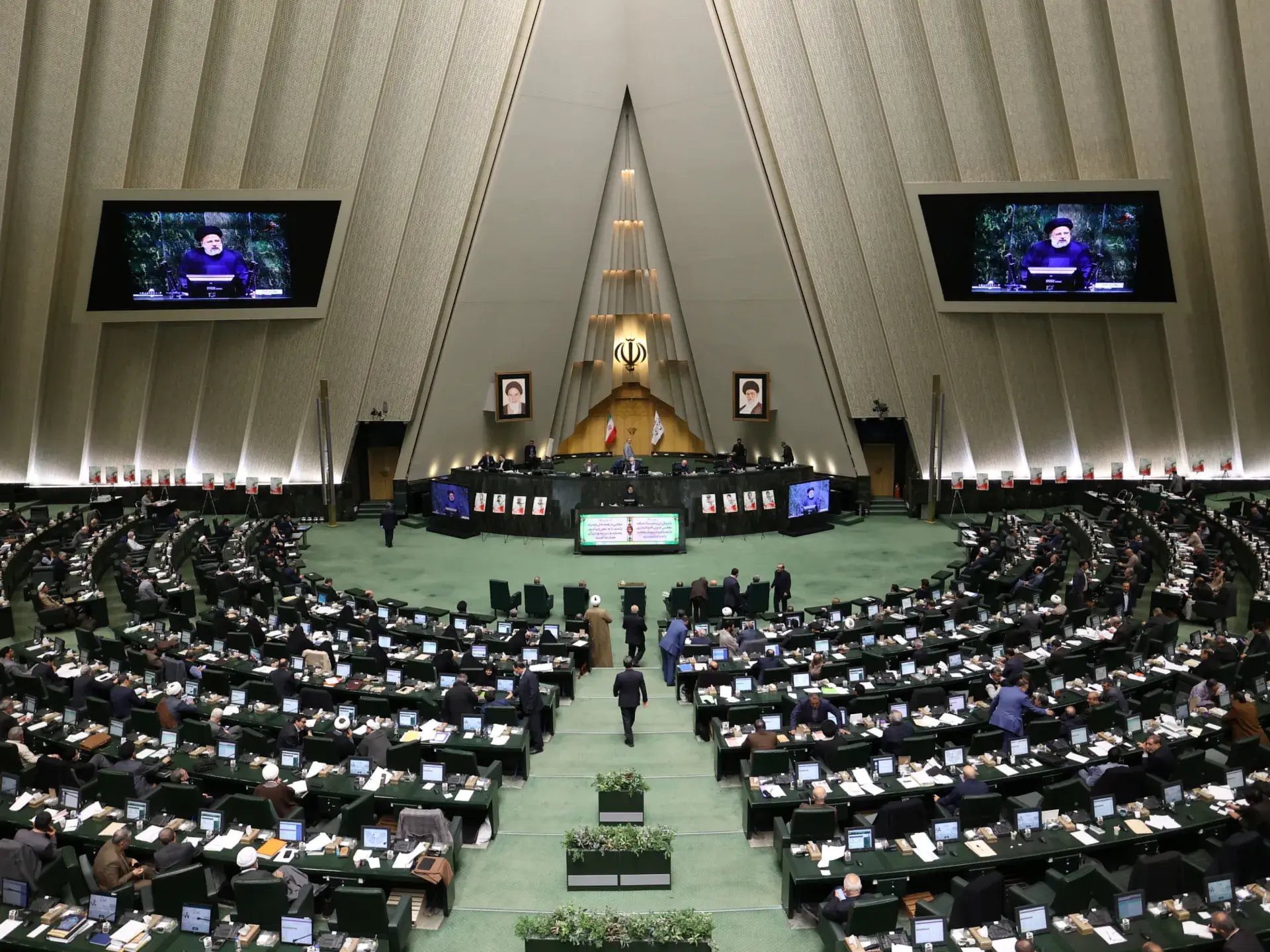
The Trigger: It’s the Economy
The 2026 protests were not sparked by social restrictions but by desperate economic survival. Following a collapse in the national currency, the rial, ordinary Iranians found their purchasing power decimated overnight. This financial desperation instantly mobilised a much broader demographic than previous social movements.
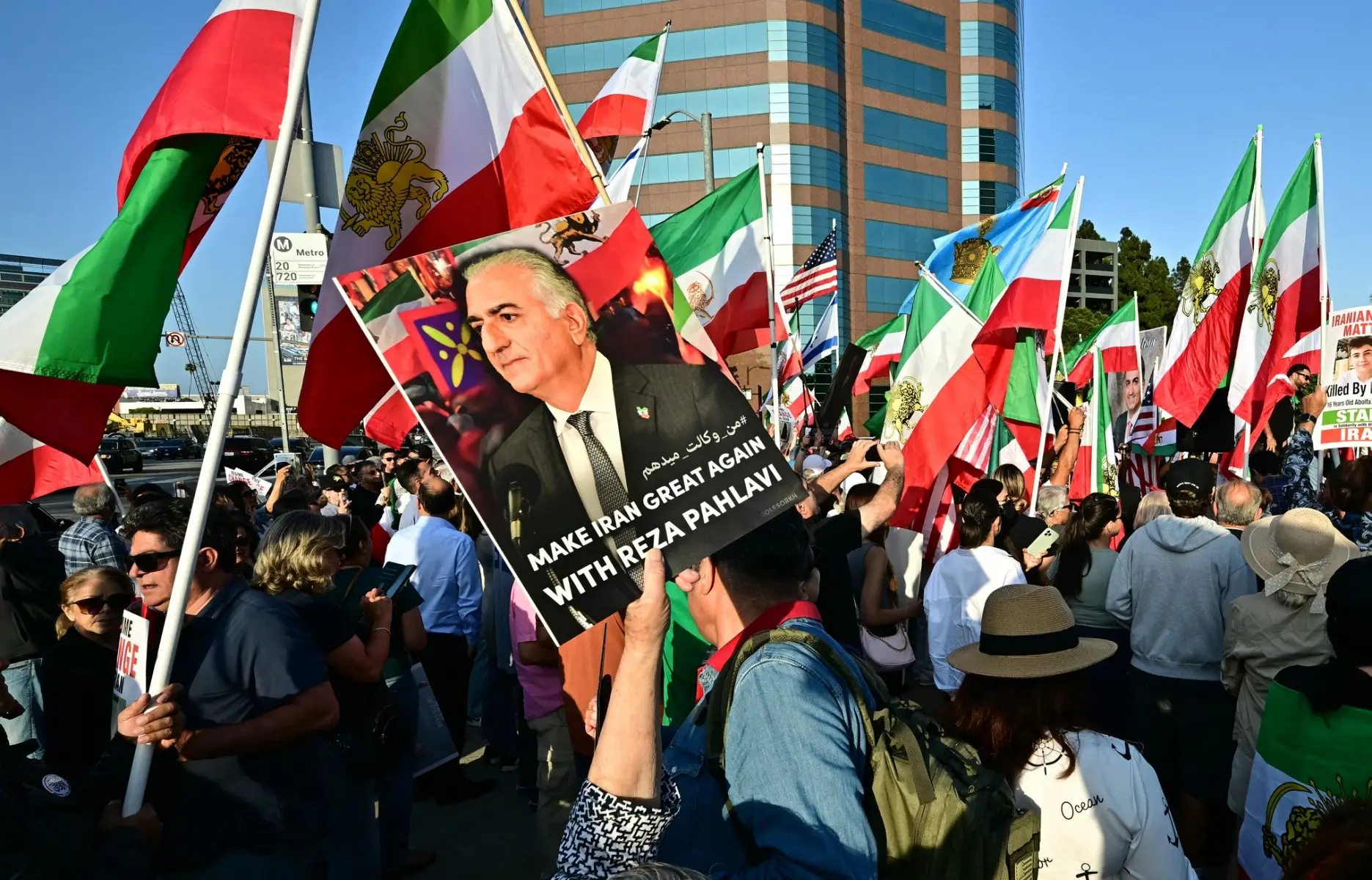
Meat Prices Double
The removal of government subsidies has caused the price of basic staples to skyrocket, with reports indicating meat prices have nearly doubled. This hyperinflation has pushed the middle class into poverty and the poor into destitution. The inability to afford daily essentials turned frustration into immediate, nationwide anger.
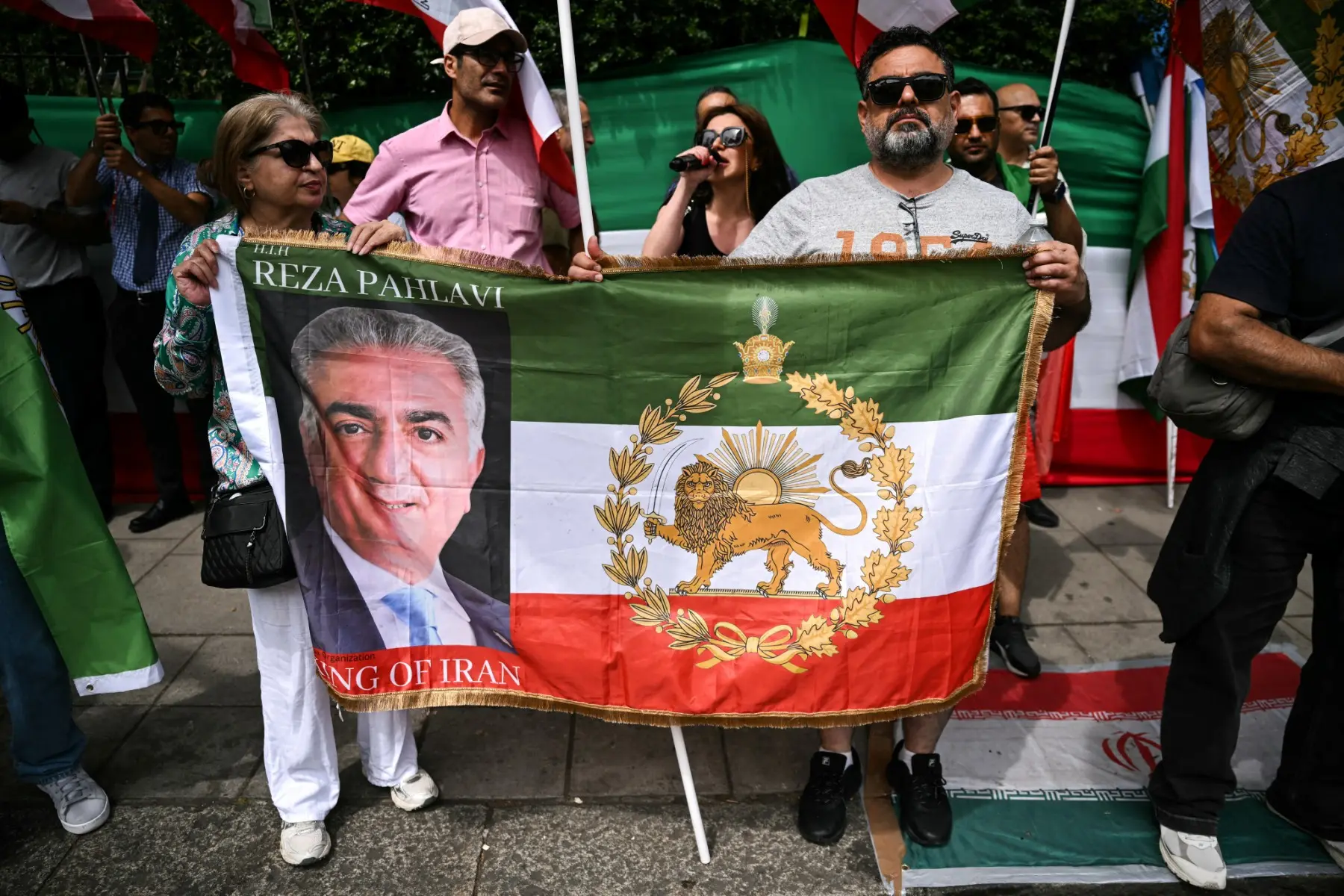
The Bazaars Shut Down
A critical difference in 2026 is the participation of the "bazaaris"—traditional merchants who were historically the regime's backbone. Strikes have closed the Grand Bazaar in Tehran and markets in other major cities like Isfahan and Tabriz. Their involvement signals a dangerous fracture between the clerical establishment and its conservative economic base.
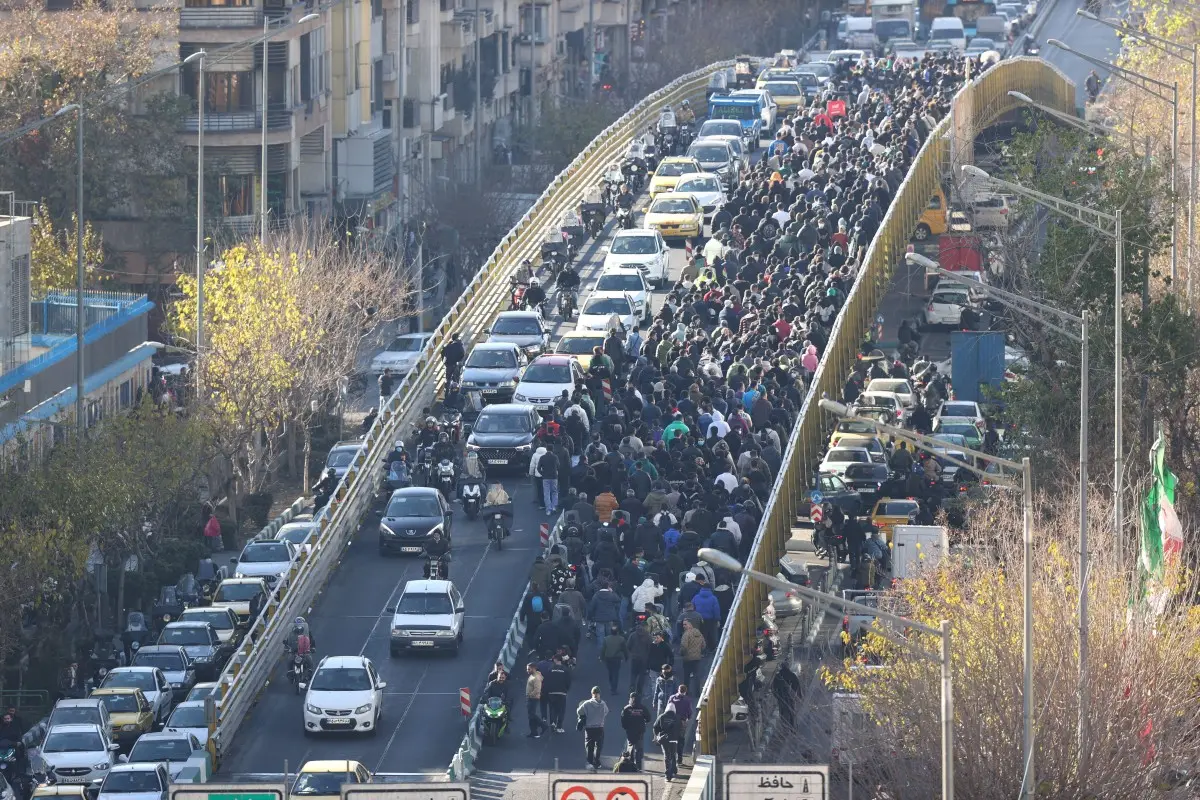
Widespread Across 31 Provinces
While the 2022 protests were massive in scale, the 2026 unrest is geographically more dispersed. Demonstrations have been reported in over 185 cities across all 31 provinces, reaching small towns and rural areas previously untouched by unrest. This widespread dispersion makes it harder for security forces to contain the movement.
Regime's Digital Iron Curtain
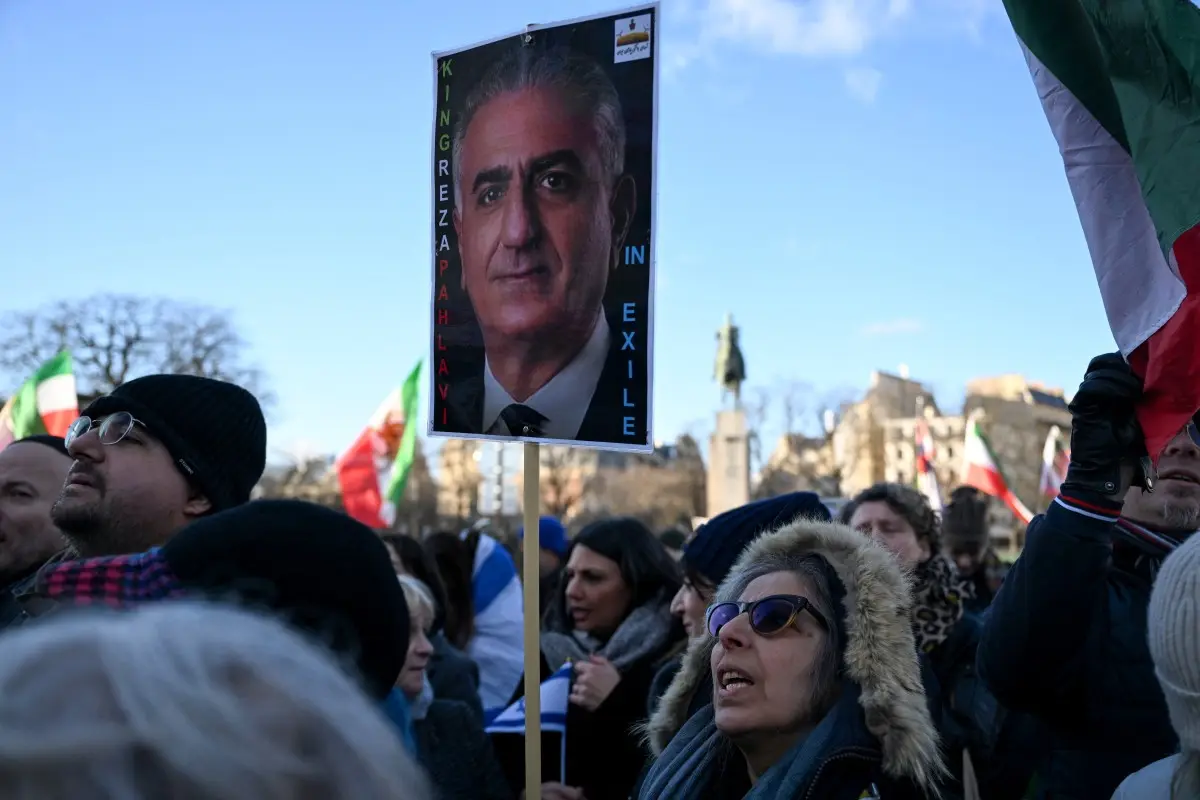
To suppress the uprising, authorities have imposed a near-total internet blackout, with connectivity dropping to around one per cent. This strategy aims to prevent protesters from organising and sharing footage of state violence with the world. Despite this, Iranians are reportedly using satellite internet services like Starlink to bypass the blockade.
From Inflation to "Death to Dictator"
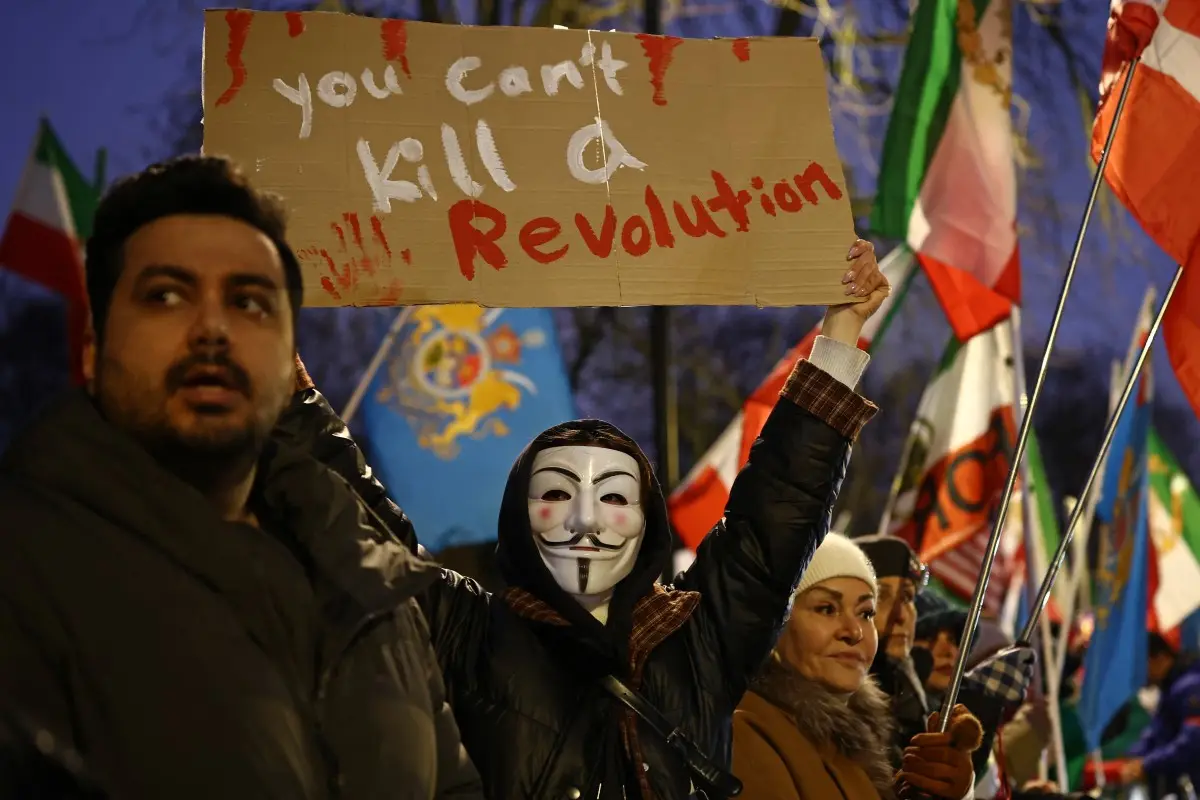
What began as an economic outcry has rapidly morphed into political revolt. Slogans have shifted from demands for lower prices to direct calls for the fall of the Supreme Leader, with chants of "Death to the Dictator" resonating in the streets. This politicisation shows that economic grievances have reopened deep systemic wounds.
A Geopolitically Weaker Tehran
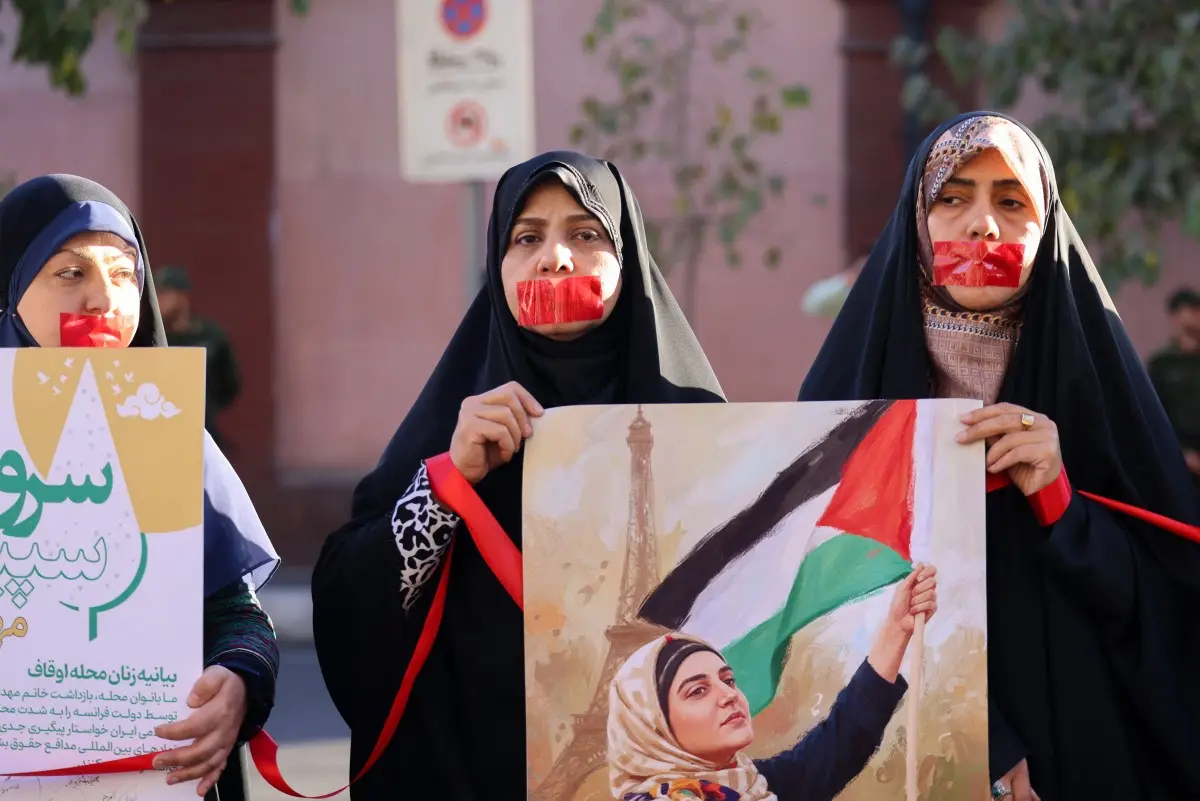
The regime enters this crisis in a significantly weaker position than in 2022. Following a damaging conflict with Israel in mid-2025 and strikes on its nuclear facilities, Tehran’s regional influence and military deterrence are eroded. This external vulnerability emboldens protesters who perceive the central government’s grip is slipping.

The Trump Warning
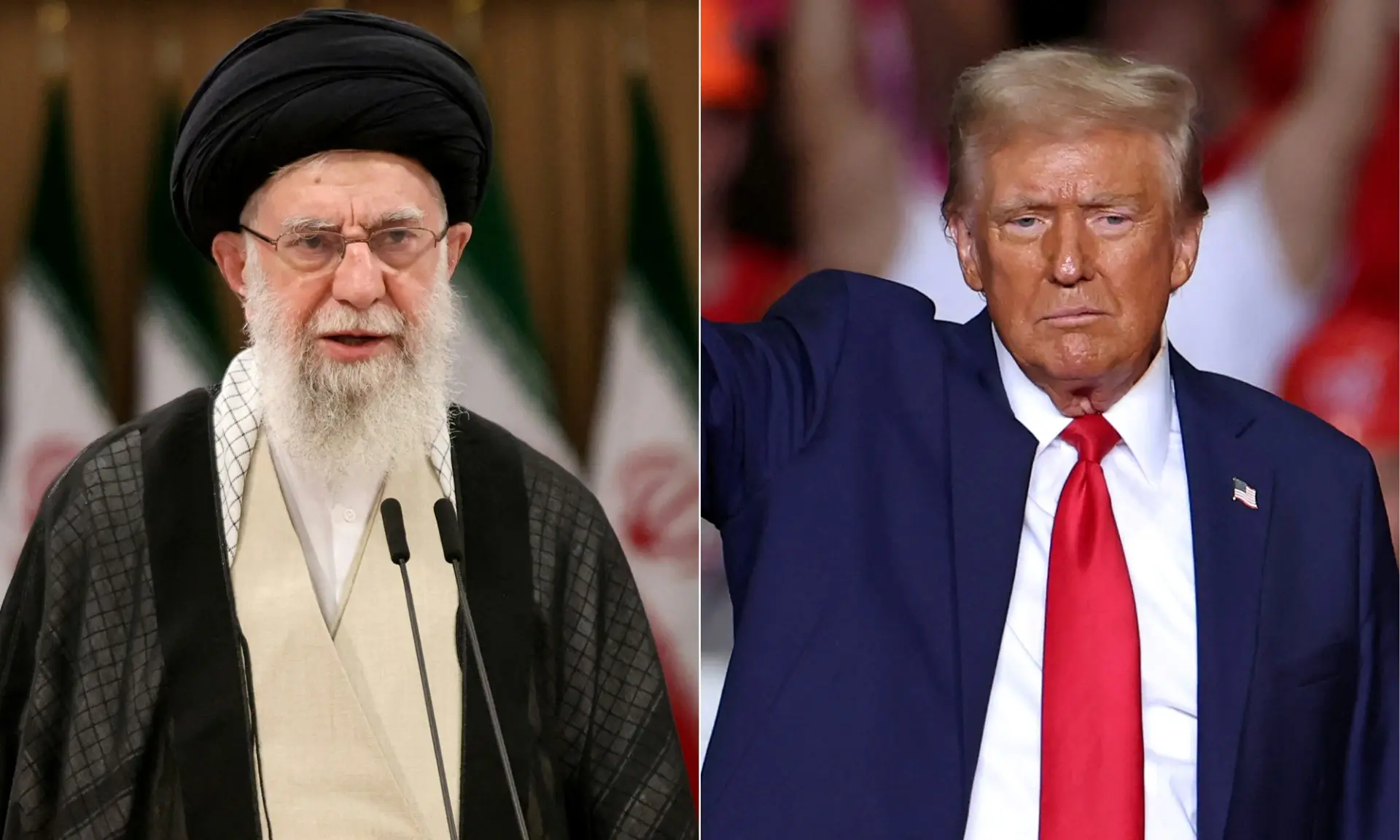
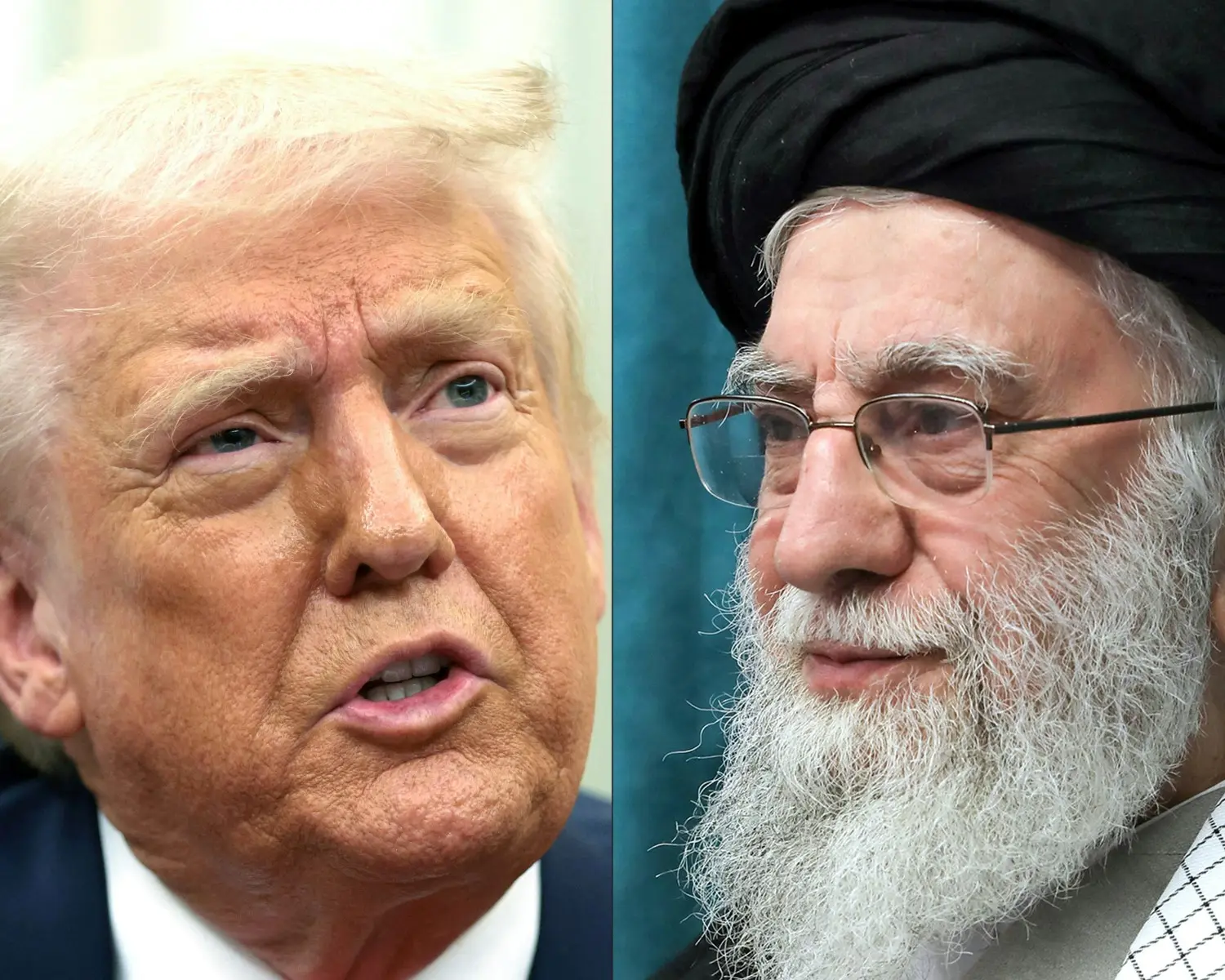
International pressure is mounting differently this time, with the US administration issuing direct threats. US President Donald Trump has warned of strict intervention if the regime uses lethal force against peaceful demonstrators. This external dimension adds a complex layer to the regime's calculus on how violently to crack down.
Lethal Crackdown and Arrests
Rights groups report that security forces have responded with lethal violence, killing many people and arresting over 2,000. The state has labelled protesters as "terrorists" and "foreign agents" to justify the use of live ammunition. Hospitals face pressure as they treat injuries from pellets and gunfire.
An Uncertain Future
The 2026 protests represent a "tipping point" where economic survival meets political exhaustion. With the government unable to offer economic solutions due to sanctions and mismanagement, the standoff shows no sign of abating. The resilience of the streets suggests this movement may fundamentally alter Iran's trajectory.
)
)
)
)
)