What is RDX and what makes it easily accessible to terrorists?

RDX is highly energetic and produces a strong shock wave, yet remains relatively insensitive during normal handling. It requires a detonator to explode fully. It is also toxic and can contaminate soil and water near production or disposal sites.

1. Definition and Chemical Nature of RDX
RDX (Royal Demolition eXplosive), also known as cyclonite or hexogen, is a military-grade high explosive with the chemical name 1,3,5-trinitro-1,3,5-triazine. It is a white, odourless solid widely used in modern munitions.
2. Physical Properties and Safety Profile
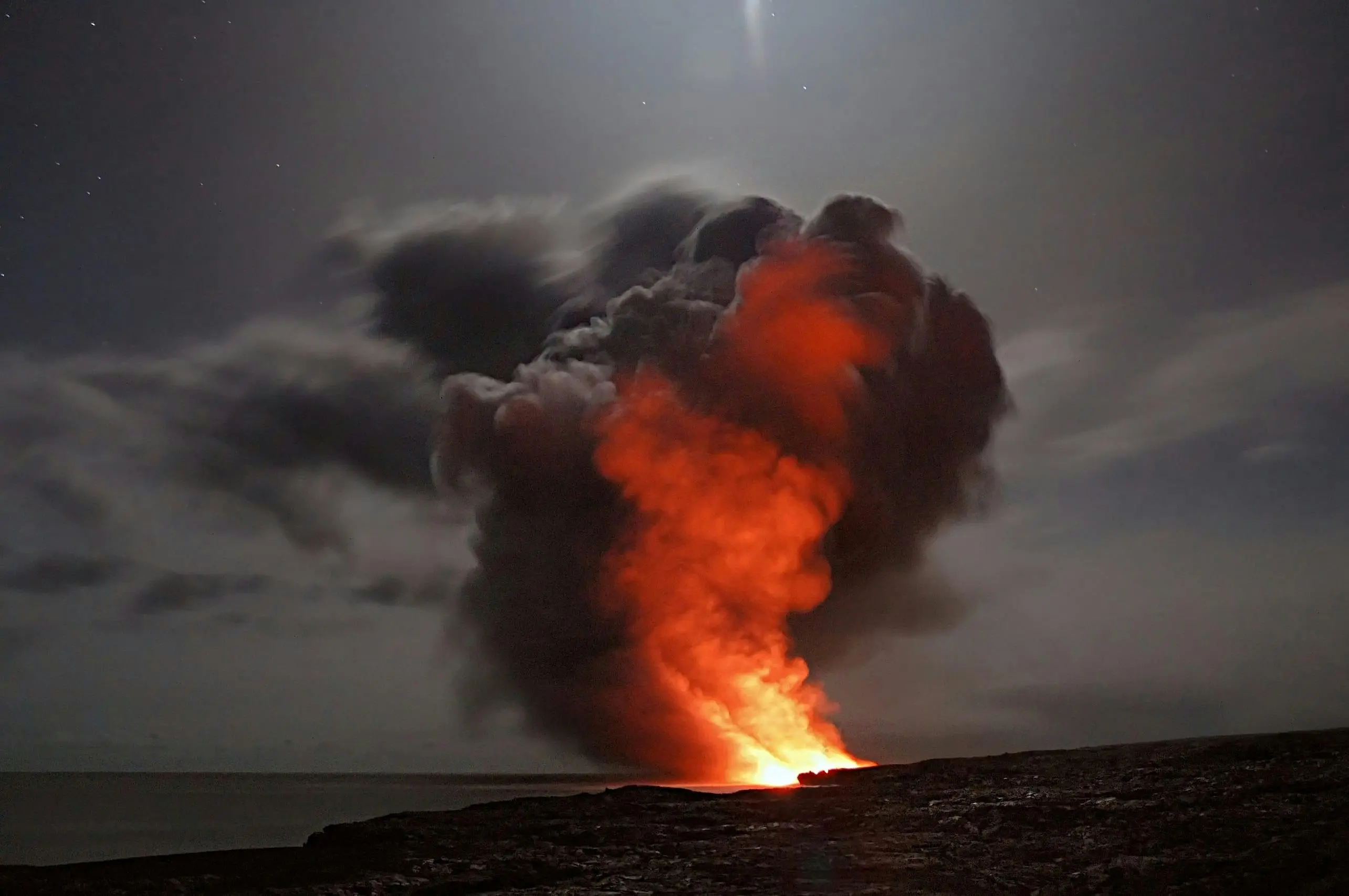
RDX is highly energetic and produces a strong shock wave, yet remains relatively insensitive during normal handling. It requires a detonator to explode fully. It is also toxic and can contaminate soil and water near production or disposal sites.
3. Legitimate Production and Uses
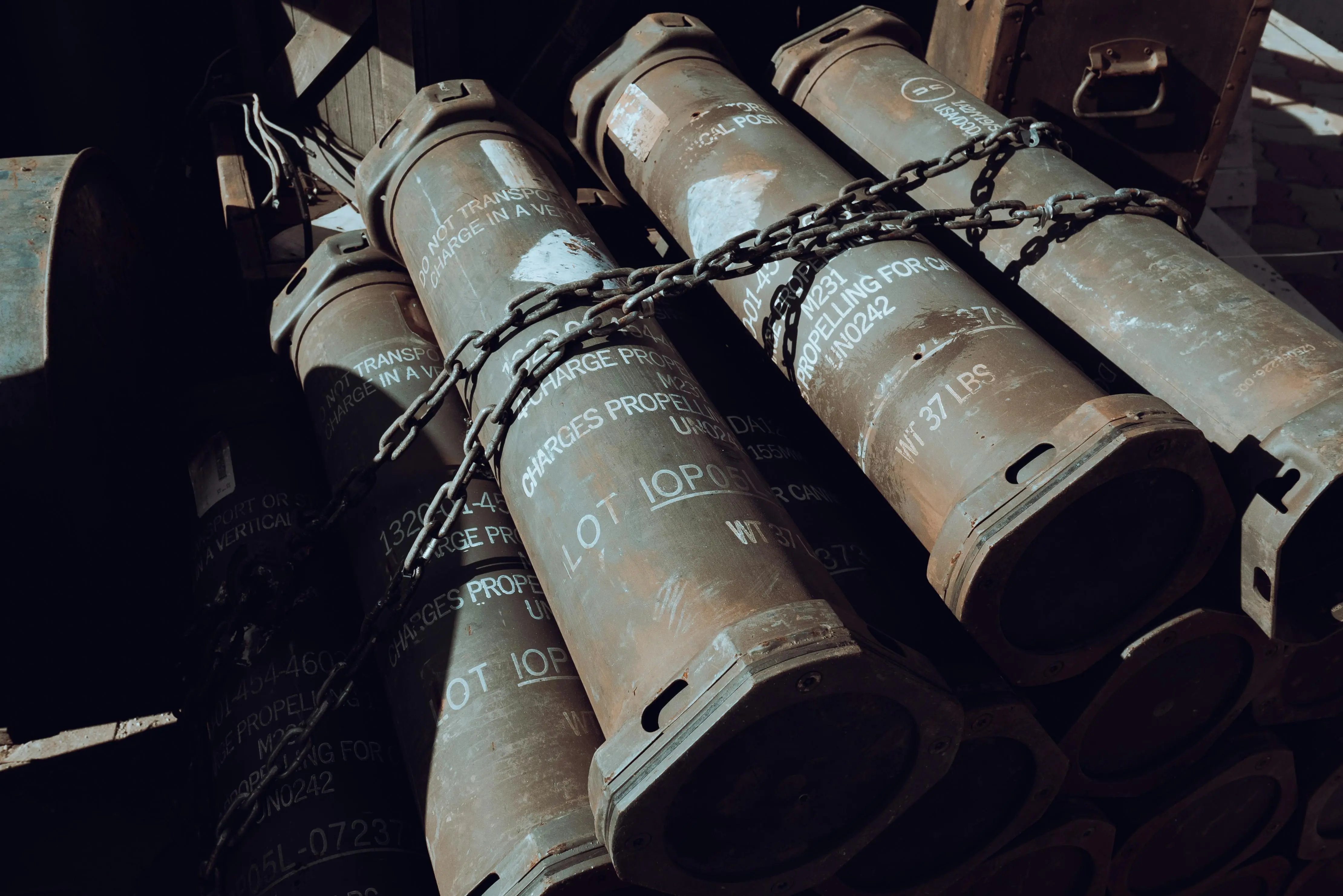
RDX is primarily manufactured for military applications, including artillery shells, warheads, detonators and explosive fills. Production is usually limited to state-run or defence-linked facilities because the process requires specialised equipment and hazardous chemicals.

4. How Non-State Actors Acquire Explosives
Terrorist groups obtain explosives through diversion from military stockpiles, theft from industrial stores, black-market smuggling, improvised mixtures made from commercial explosives, or by recovering unexploded ordnance in conflict zones.

5. Factors Allowing Leakage to Terrorist Networks
Leakages occur due to lapses in stockpile security, complex chemical supply chains, insider collusion, corruption, and smuggling routes operating across porous borders. Some seizures misidentify materials such as ammonium nitrate as RDX in early reports.

6. Measures Policymakers Prioritise to Prevent Diversion
Authorities focus on secure inventory management, frequent auditing, tracking of precursor chemicals, stronger border controls, and counter-corruption measures to reduce insider threats. In conflict regions, clearance of unexploded ordnance is also essential.
7. What Journalists and the Public Should Note
Reports of explosive seizures should be based on forensic confirmation, as early claims may misidentify materials. Coverage should avoid procedural detail, rely on official statements, and clarify whether the substance seized is RDX or a more accessible precursor.
)
)
)
)
)