What is Rafale-M and how its secret weapon changes the Indian Ocean forever?

On paper, the Chinese J-15 is larger and carries more weapons than the Rafale. However, in modern aerial warfare, "intellectual" tech beats brute size. The J-15 is heavy and struggles to launch with full fuel from a ski-jump carrier.
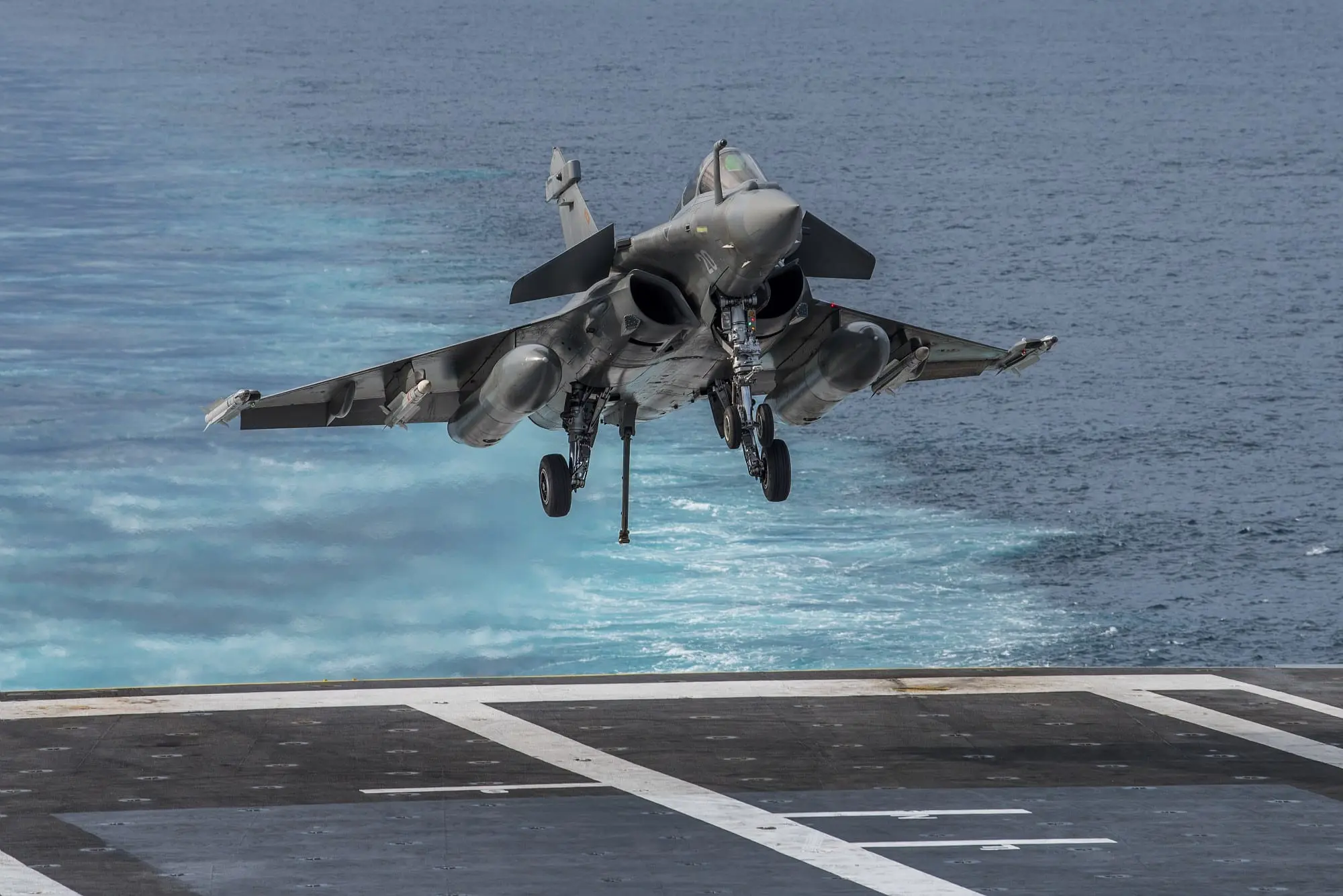
1. The Official "Boost" Confirmation
The acquisition is not just about replacing old jets; it is about a massive doctrinal shift. According to Asianet Newsable, Navy Chief Admiral Dinesh K. Tripathi officially confirmed the strategic intent during the commissioning of the MH-60R squadron in Goa on Wednesday. He stated: "The Navy has maintained an unwavering focus on enhancing the integral ship-borne aviation capabilities... It is in this context that the signing of the contract for 26 Rafale M carrier-borne aircraft assumes particular significance, strengthening our long-range maritime strike and land attack capabilities."

2. The "No-Escape" Zone (Air Dominance)
The biggest immediate boost is the Meteor Missile. Currently, Chinese J-15 fighters rely on PL-12 missiles with limited "No-Escape Zones." The Rafale-M brings the Meteor, which has a ramjet engine allowing it to chase down enemy jets at over Mach 4 for 100km+. This means an Indian Rafale can fire at a Chinese jet and turn away long before the Chinese pilot even gets a lock, effectively creating a 100km "bubble of death" around the Indian carrier group that no enemy aircraft can safely enter.
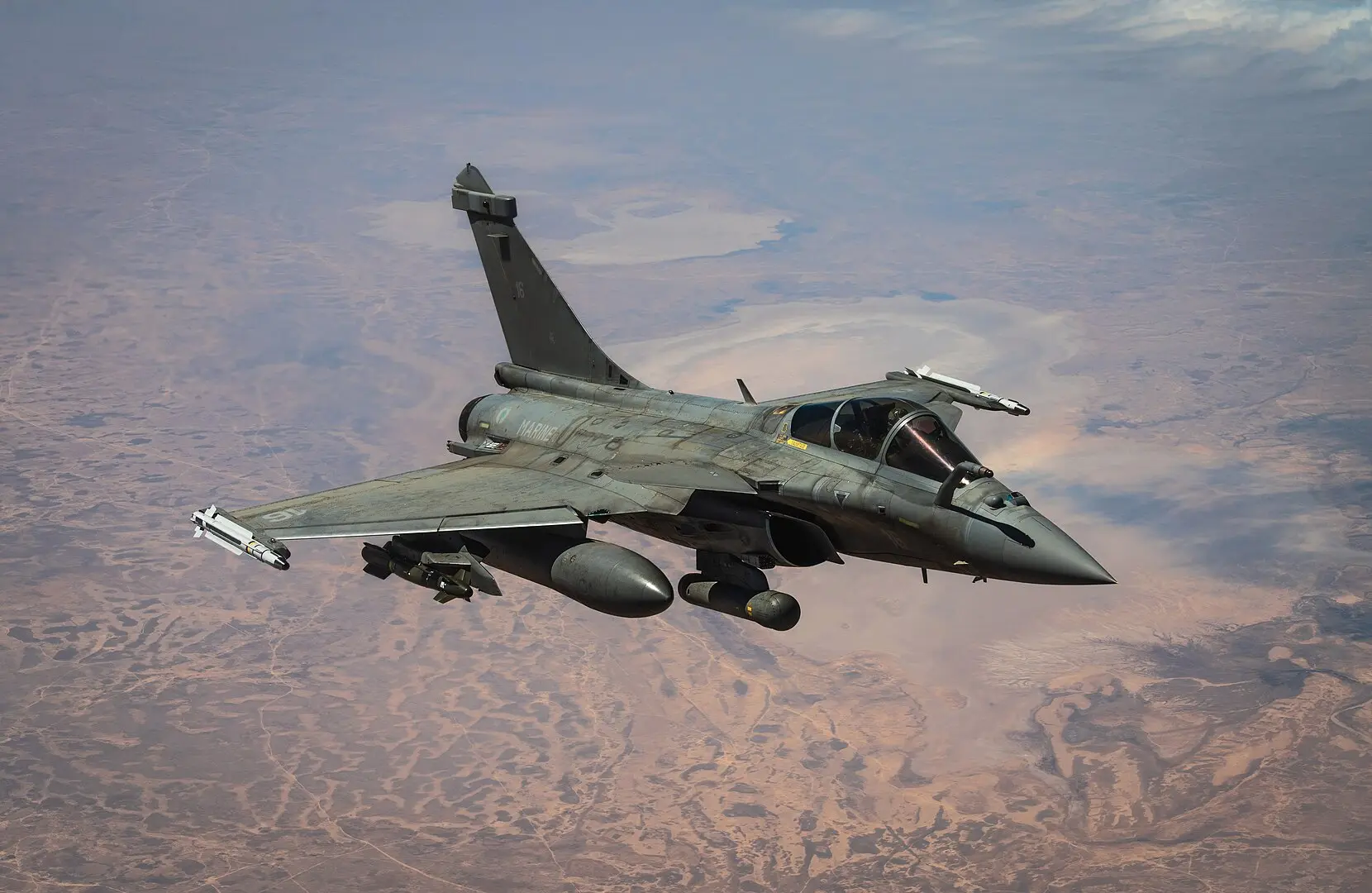
3. The "Nuclear" Shadow
While officially unspoken, the Rafale-M provides a massive strategic boost as a potential nuclear delivery vector. The Indian Air Force’s Rafales are widely believed to be modified for this role. By placing the same capable platform on an aircraft carrier, India effectively creates a moving, unpredictable nuclear deterrent at sea. This complicates the calculus for any adversary, who now has to worry about a nuclear strike launching from anywhere in the Indian Ocean, not just from land bases.
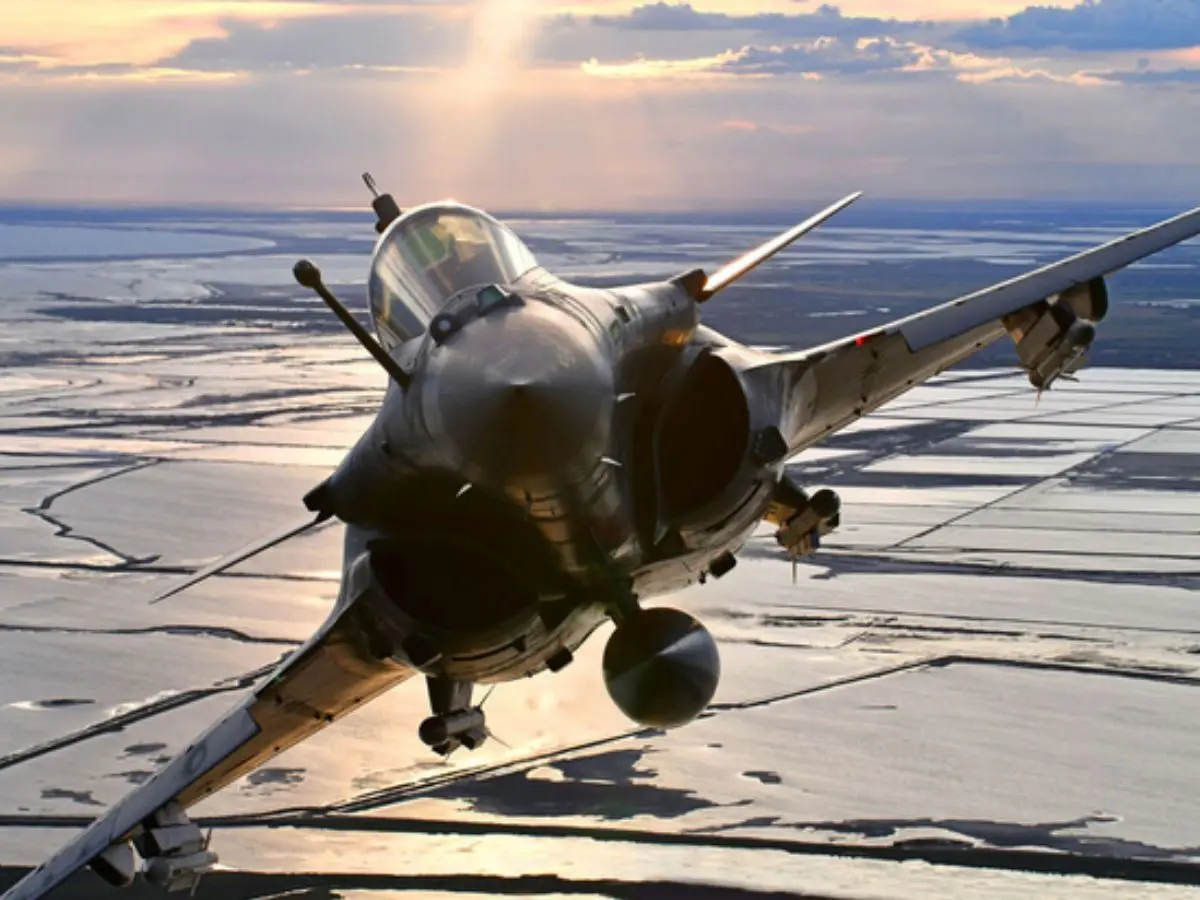
4. The "Sea-Skimming" Killer (Anti-Ship)
The Admiral specifically mentioned "long-range maritime strike." This refers to the Rafale’s ability to carry the AM39 Exocet anti-ship missile. Unlike the older Russian missiles on the MiG-29K, the Exocet is a "sea-skimmer" that flies less than 2 meters above the waves, making it nearly invisible to enemy ship radars until it is seconds away from impact. A single Rafale-M can neutralise a destroyer worth billions, giving the Indian Navy a disproportionate "asymmetric" advantage.
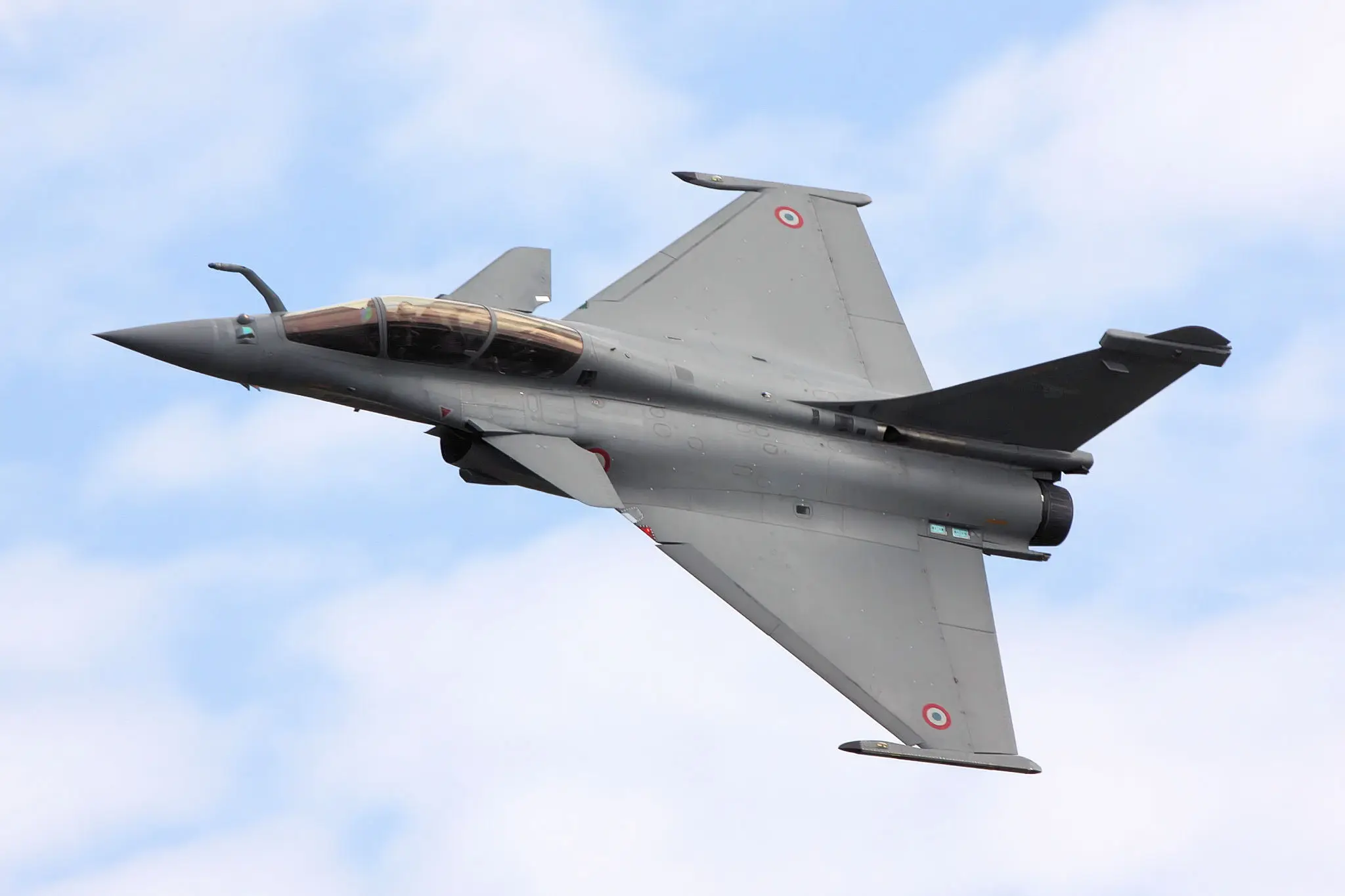
5. The "Buddy Refueling" Reach
One of the most underrated features that will boost the Navy’s reach is the "Buddy Refuelling" pod. A Rafale-M can carry a fuel pod to refuel another Rafale-M in mid-air. This allows the Navy to launch a "Strike Package" hundreds of kilometres further than the carrier’s natural range. Effectively, the INS Vikrant can stay safely out of enemy missile range while its Rafales fly deep into enemy territory to deliver their payload and return.
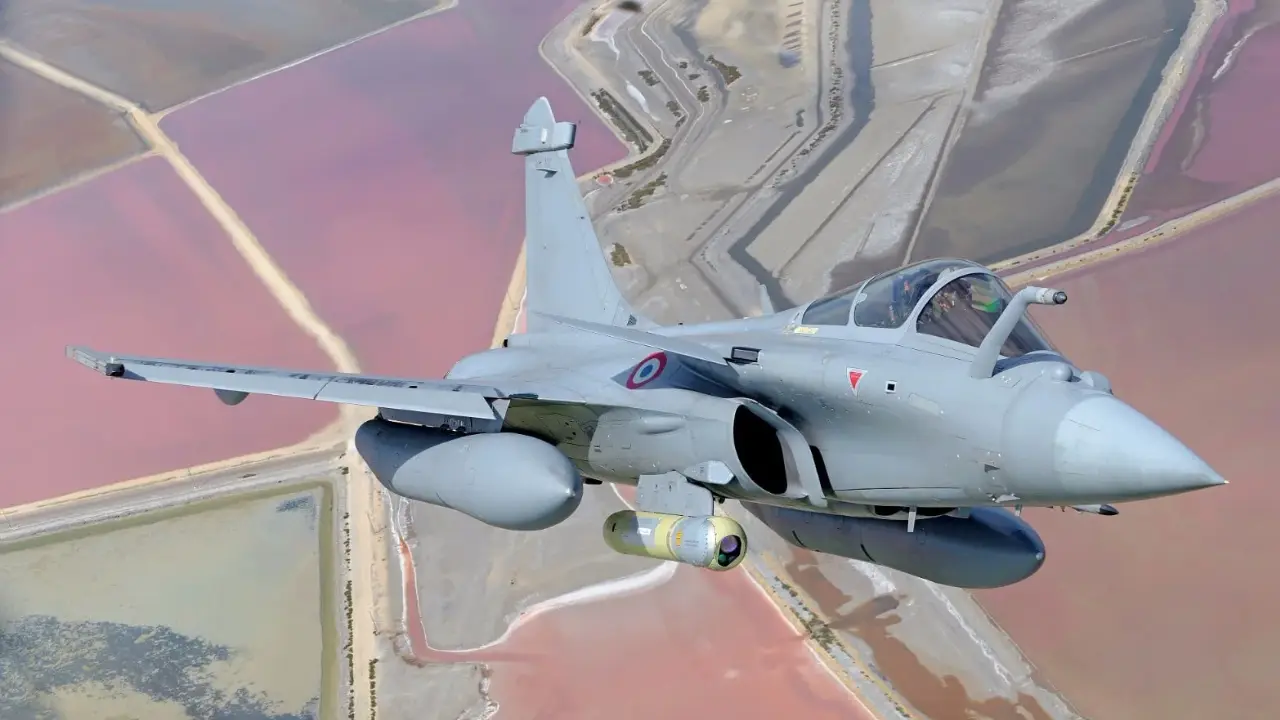
6. The "China Match-Up" (David vs. Goliath)
On paper, the Chinese J-15 is larger and carries more weapons than the Rafale. However, in modern aerial warfare, "intellectual" tech beats brute size. The J-15 is heavy and struggles to launch with full fuel from a ski-jump carrier. The Rafale-M, being lighter and more aerodynamic, can launch with a heavier relative combat load. Furthermore, the Rafale’s SPECTRA electronic warfare suite is battle-proven to jam modern radars, whereas the Chinese systems are largely untested in combat.
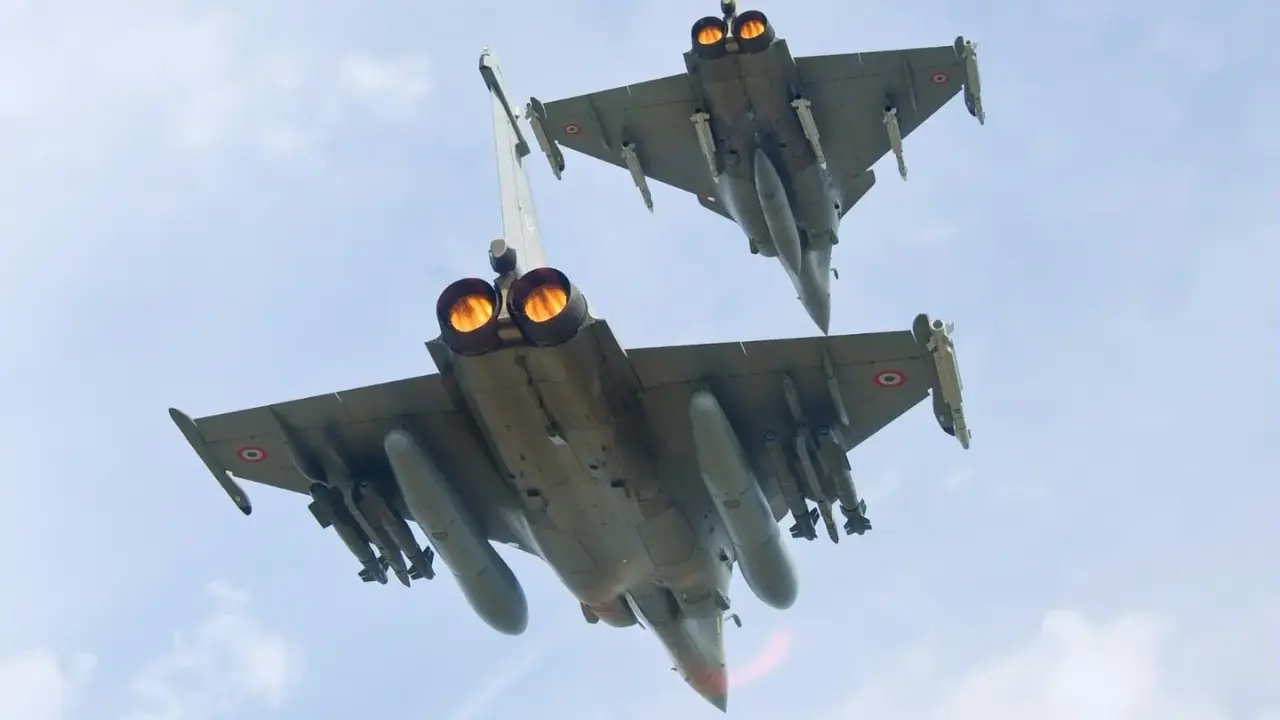
7. The "Interoperability" Multiplier
The final boost is logistical and tactical. Since the US and French navies also fly NATO-standard jets (Super Hornets and Rafales), the Indian Navy can now seamlessly integrate into "Quad" exercises. An Indian Rafale could technically land on a French or American carrier in an emergency (or vice versa) during joint operations. This "Interchangeability" sends a powerful signal to Beijing that the Indian Navy is not fighting alone, it is part of a larger, highly compatible global defense network.
)
)
)
)
)