What is Qatar’s Ras Laffan LNG hub and why is it critical to global energy supply?

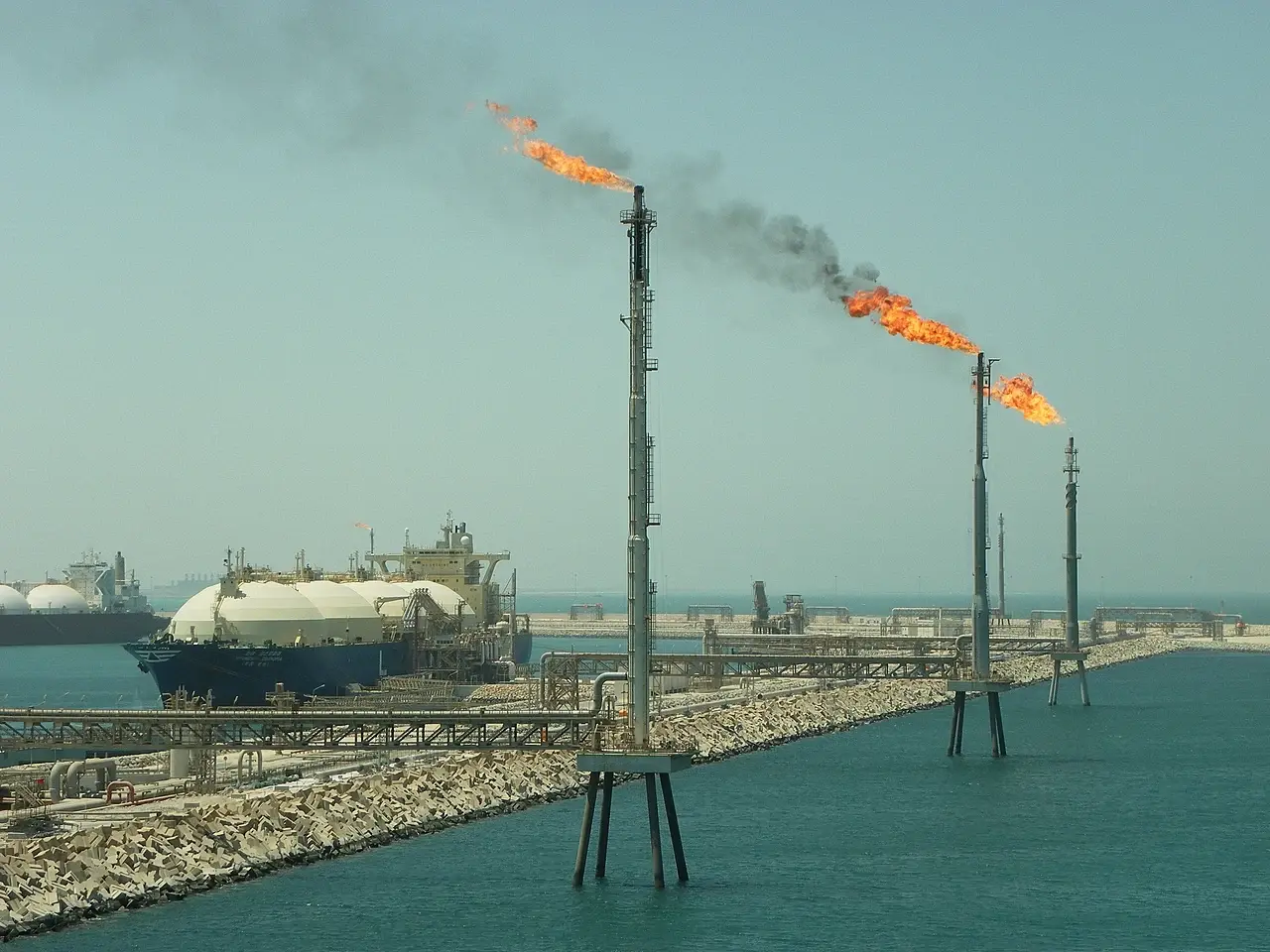
Early on Thursday, QatarEnergy reported ‘sizeable fires’ and ‘extensive further damage’ to multiple LNG facilities. The country’s interior ministry later confirmed that all fires had been contained, with no injuries reported.
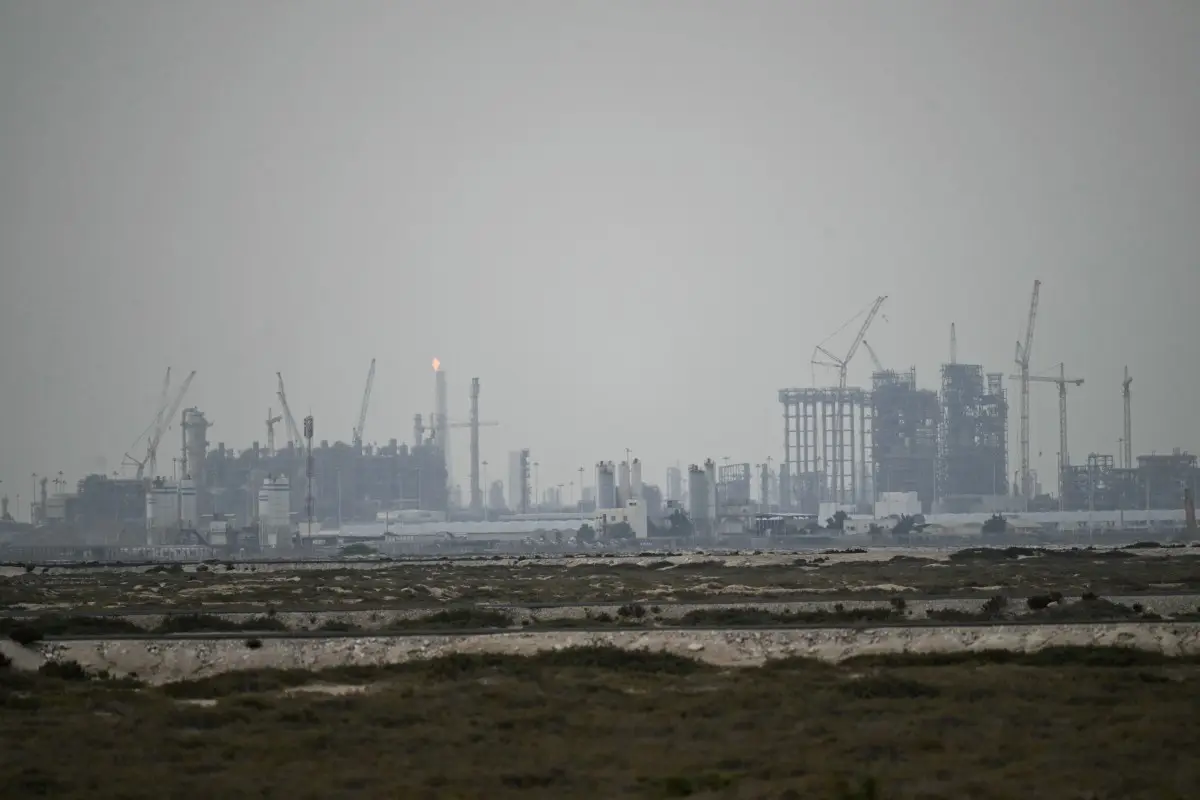
Ras Laffan: The World’s Largest LNG Hub
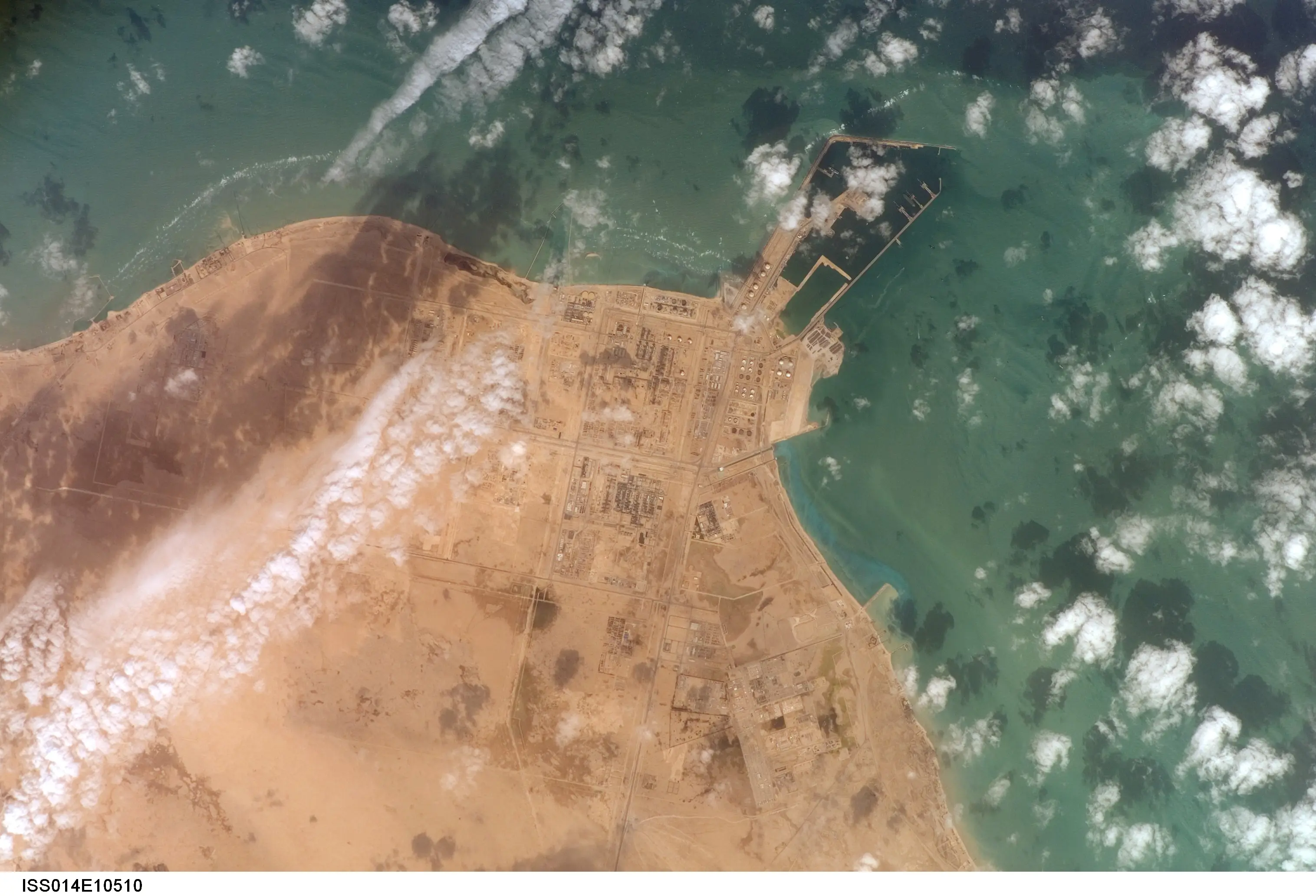
Ras Laffan Industrial City, located 80 km north of Doha, is the world’s largest liquefied natural gas (LNG) hub. It hosts multiple international companies, including Shell, which operates a 7.8 million-metric-tons-per-year LNG facility and the Pearl gas-to-liquids plant with a capacity of 1.6 billion cubic feet per day. QatarEnergy, the state-owned operator, controls most of the facilities and estimates that the country’s portion of the reservior, holds around 10 per cent of the world’s known natural gas reserves.
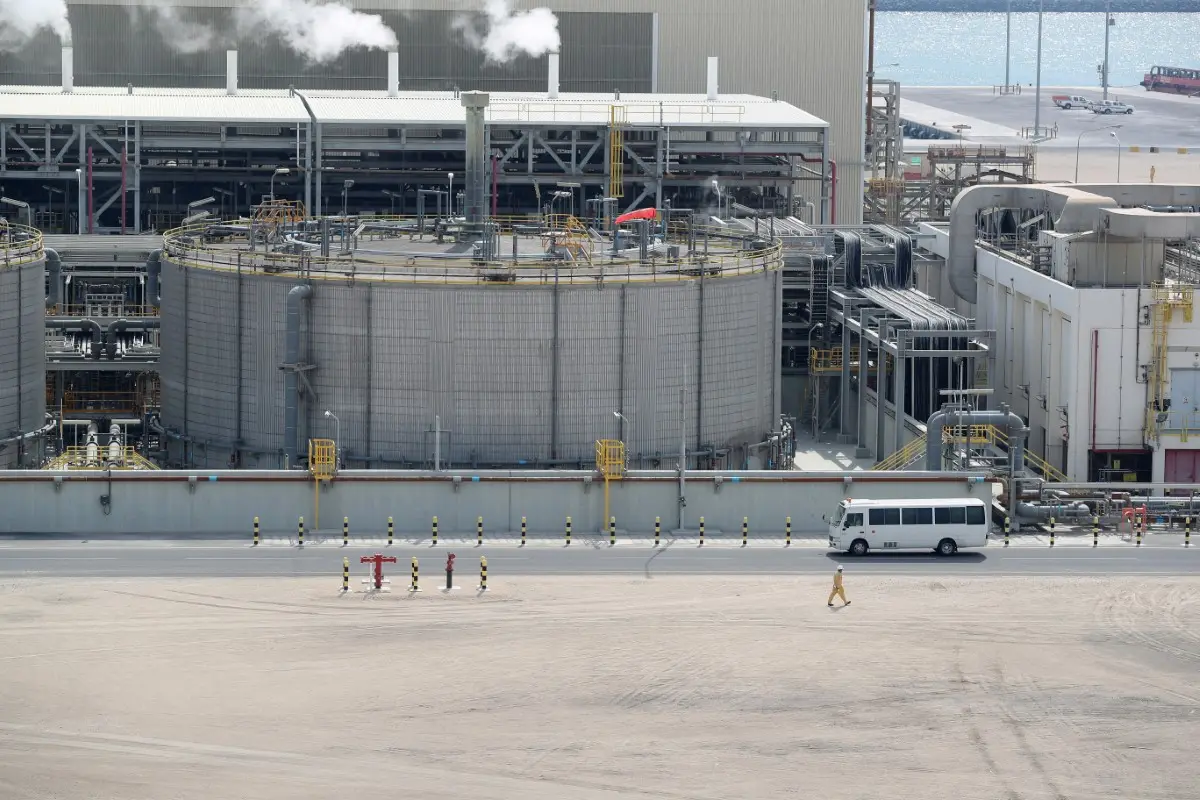
Recent Attacks and Extensive Damage
Ras Laffan was targeted by Iranian strikes following an Israeli attack on Iran’s South Pars gas field. On Wednesday, missile strikes caused significant damage to a gas-to-liquids facility. Early on Thursday, QatarEnergy reported ‘sizeable fires’ and ‘extensive further damage’ to multiple LNG facilities. The country’s interior ministry later confirmed that all fires had been contained, with no injuries reported. The Ras Laffan Industrial City covers 295 square kilometers in area (114 square miles).
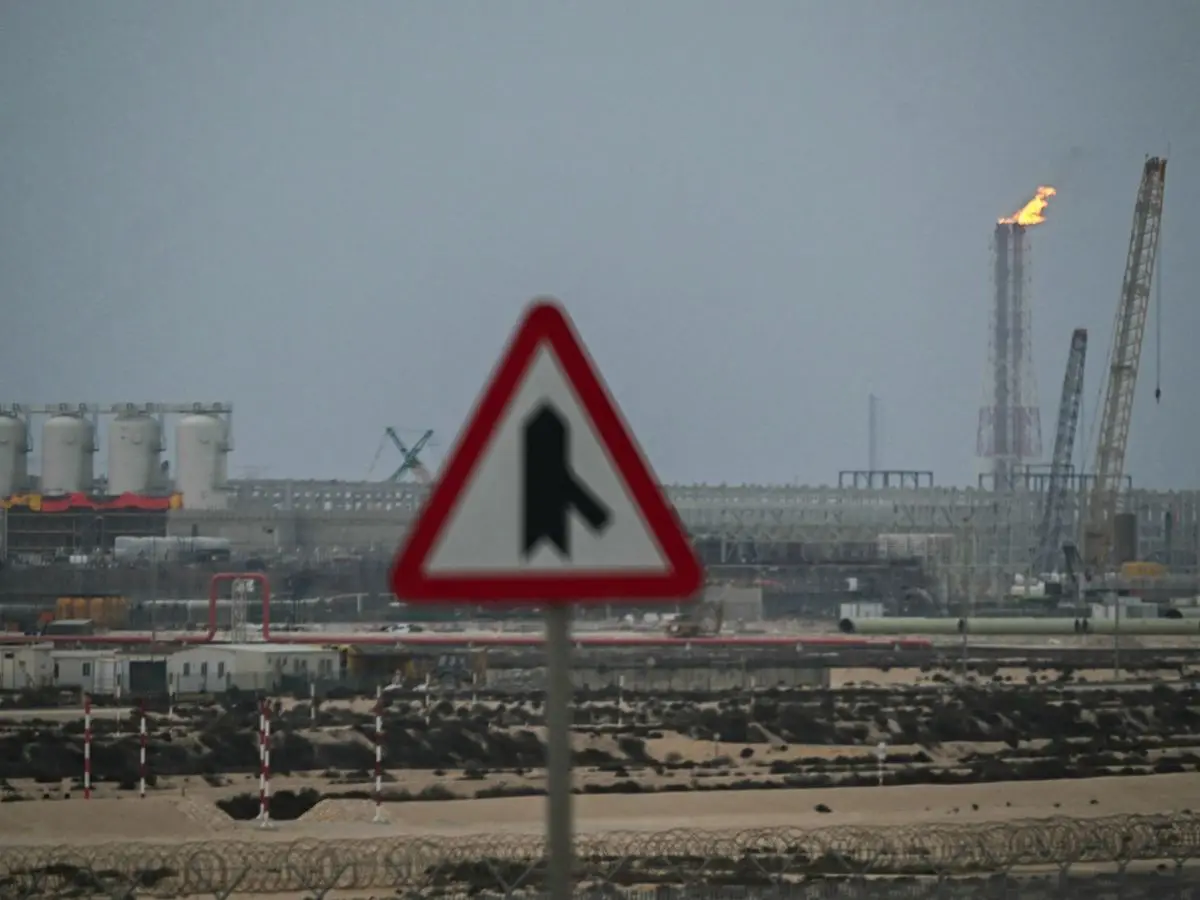
Strategic Importance to Qatar and Global Energy
Ras Laffan handles approximately 77–80 million tonnes of LNG exports annually, accounting for nearly 20 per cent of global LNG trade. A significant portion of this output serves Asia and Europe. India alone imports around 47 per cent of its LNG from Qatar. Any disruption at Ras Laffan, therefore, has immediate implications for energy security across multiple regions.
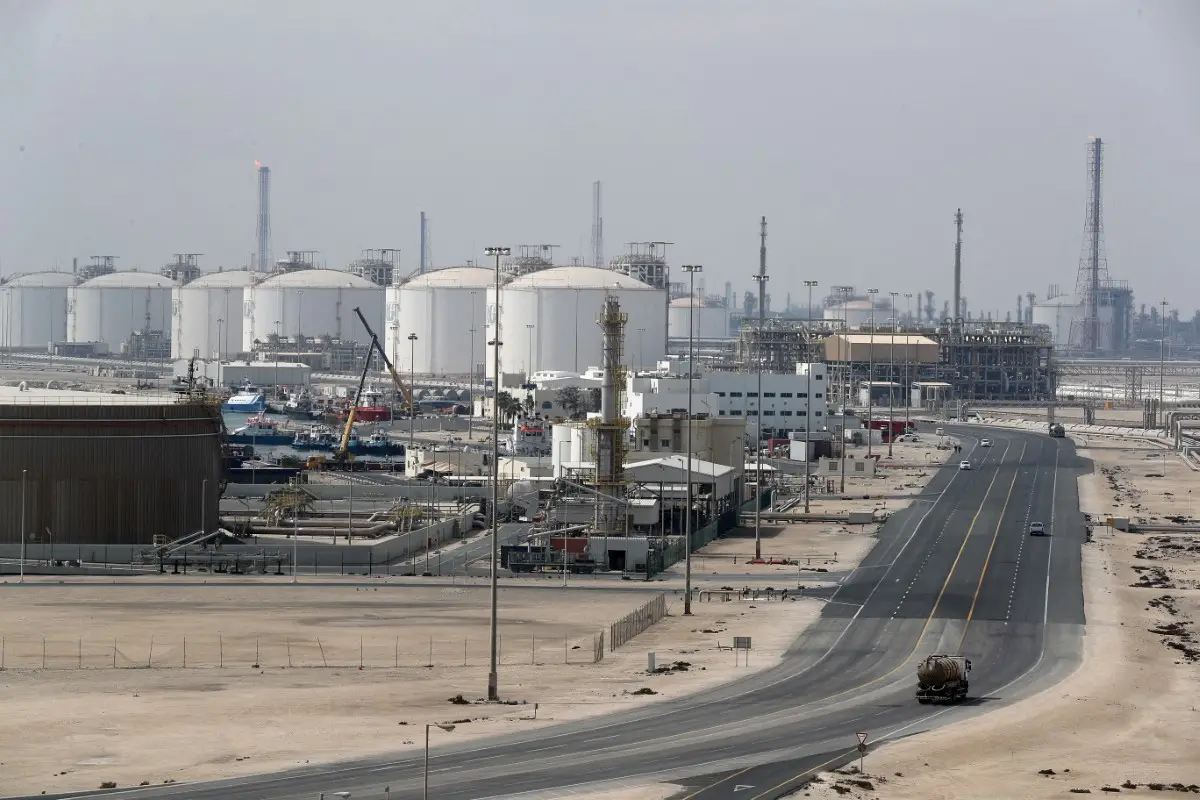
Infrastructure and Workforce
The hub includes two world-class refineries, Laffan Refinery 1 and 2, which process field condensate into refined products including aviation fuel. The merged facility, established in 2006 and consolidated in 2023, has a total processing capacity of 3,06,600 barrels per stream day. Ras Laffan employs roughly 1,15,000 people, highlighting its significance as both an energy and economic centre for Qatar.
Government Response
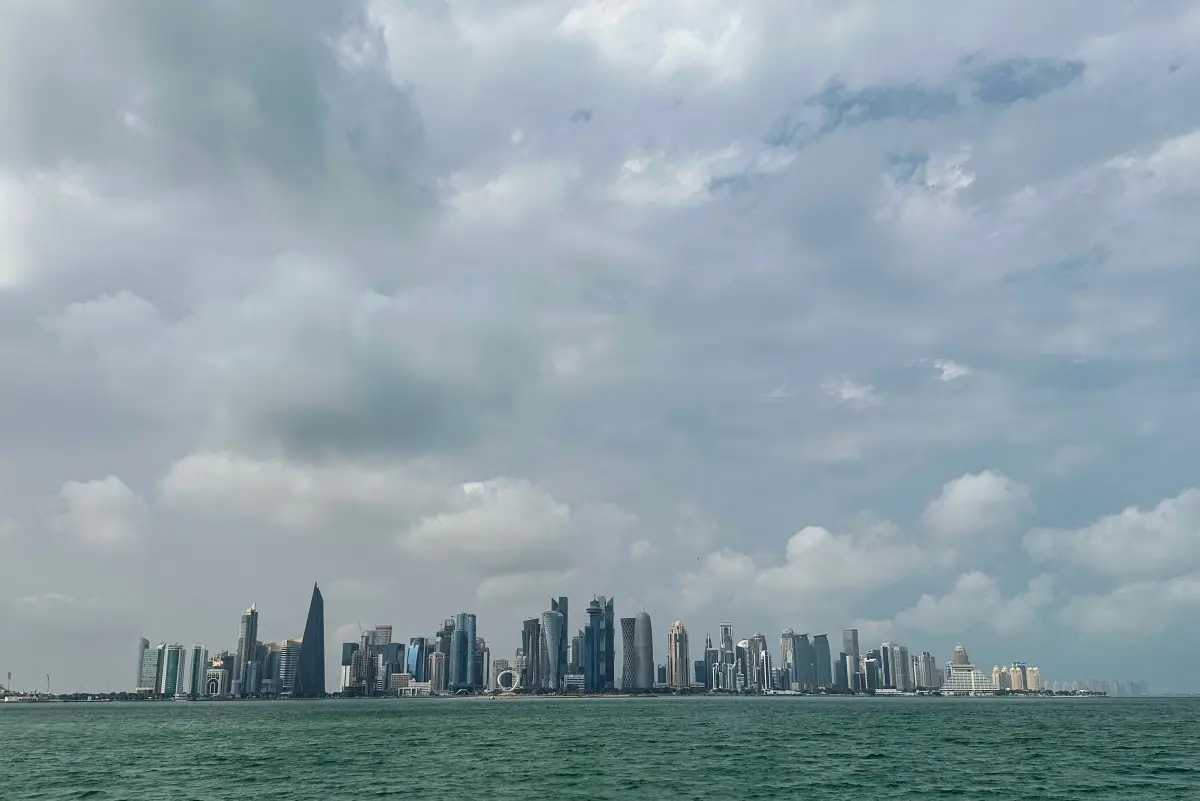
Qatar’s foreign ministry condemned the attacks as a “direct threat” to national security and declared Iranian military and security attaches persona non grata, ordering them to leave the country within 24 hours. Civil defence teams later confirmed that all fires were fully contained and cooling operations were ongoing.
International Reactions and Threats
US President Donald Trump warned Iran on his Truth Social platform that further attacks on Ras Laffan could trigger the destruction of Iran’s South Pars field. He confirmed that Israel had struck South Pars but stated the United States had “knew nothing” of the operation.
Market Impact
The attacks on Ras Laffan and other Gulf energy facilities contributed to a surge in oil prices, with Brent crude rising sharply amid supply concerns. Qatar’s position as one of the world’s top LNG producers, alongside the US, Australia, and Russia, means these strikes pose direct risks to global gas availability and highlight the vulnerability of international energy markets.
)
)
)
)
)