What is 'Project Kusha' air defence programme? Inside India’s bid to build a homegrown S-400 killer

The missile will form a layered air defence shield with the ability to counter a wide spectrum of aerial threats, along with fighter aircraft, cruise missiles, and high-value airborne assets.
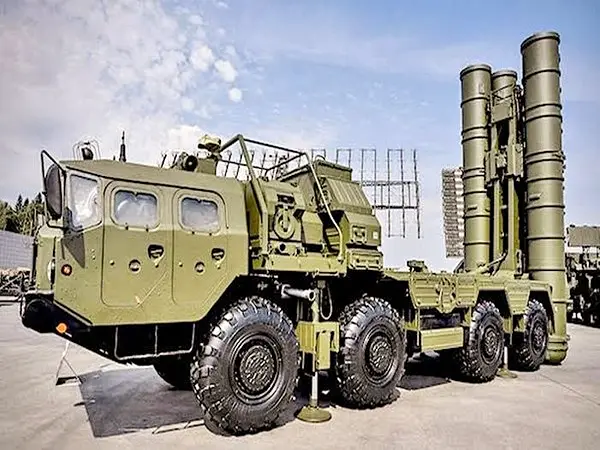
Project Kusha
India is slowly moving toward self-reliance in long-range air defence with Project Kusha. It is a program that focuses on developing a new generation of interceptor missiles with capabilities upto or more than the S-400 air defence system, according to Chief of the Armament Research and Development Establishment, Ankathi Raju.
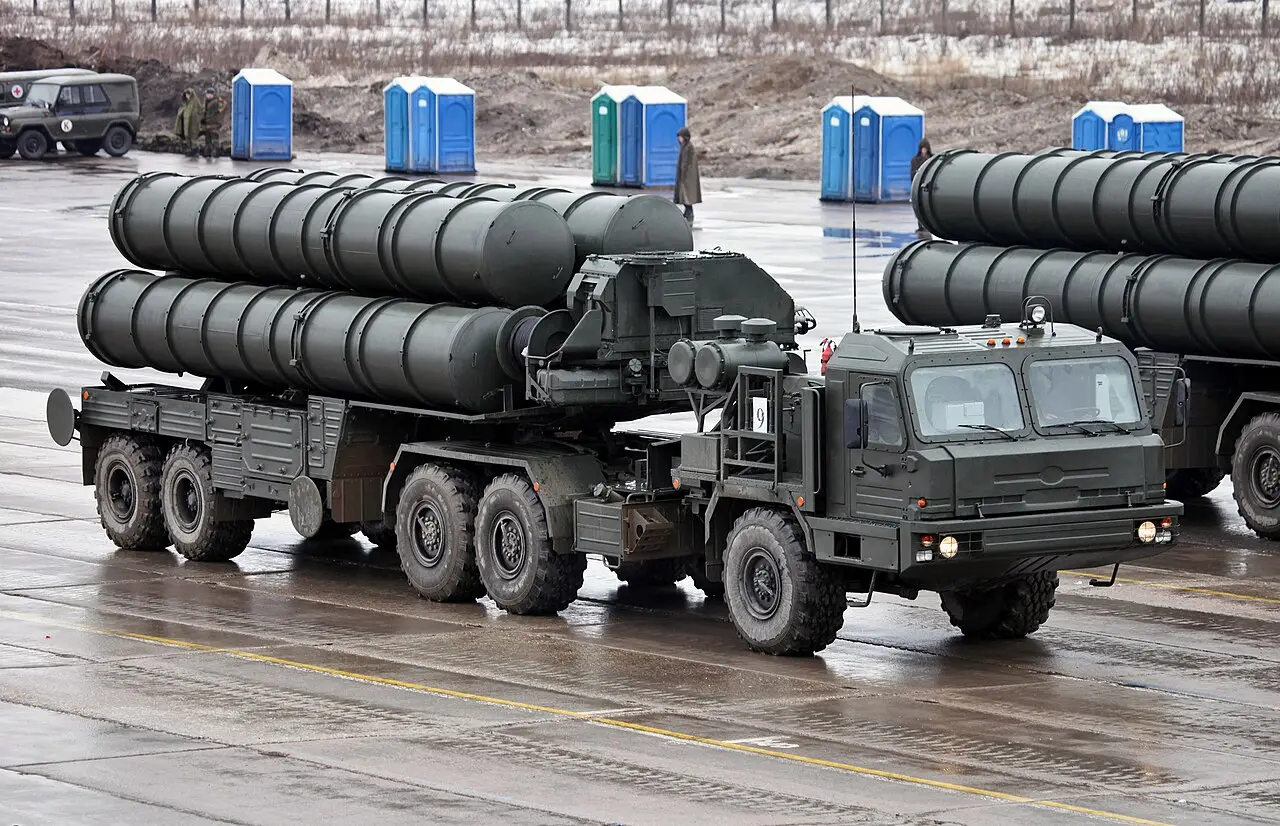
M1, M2, and M3 missiles
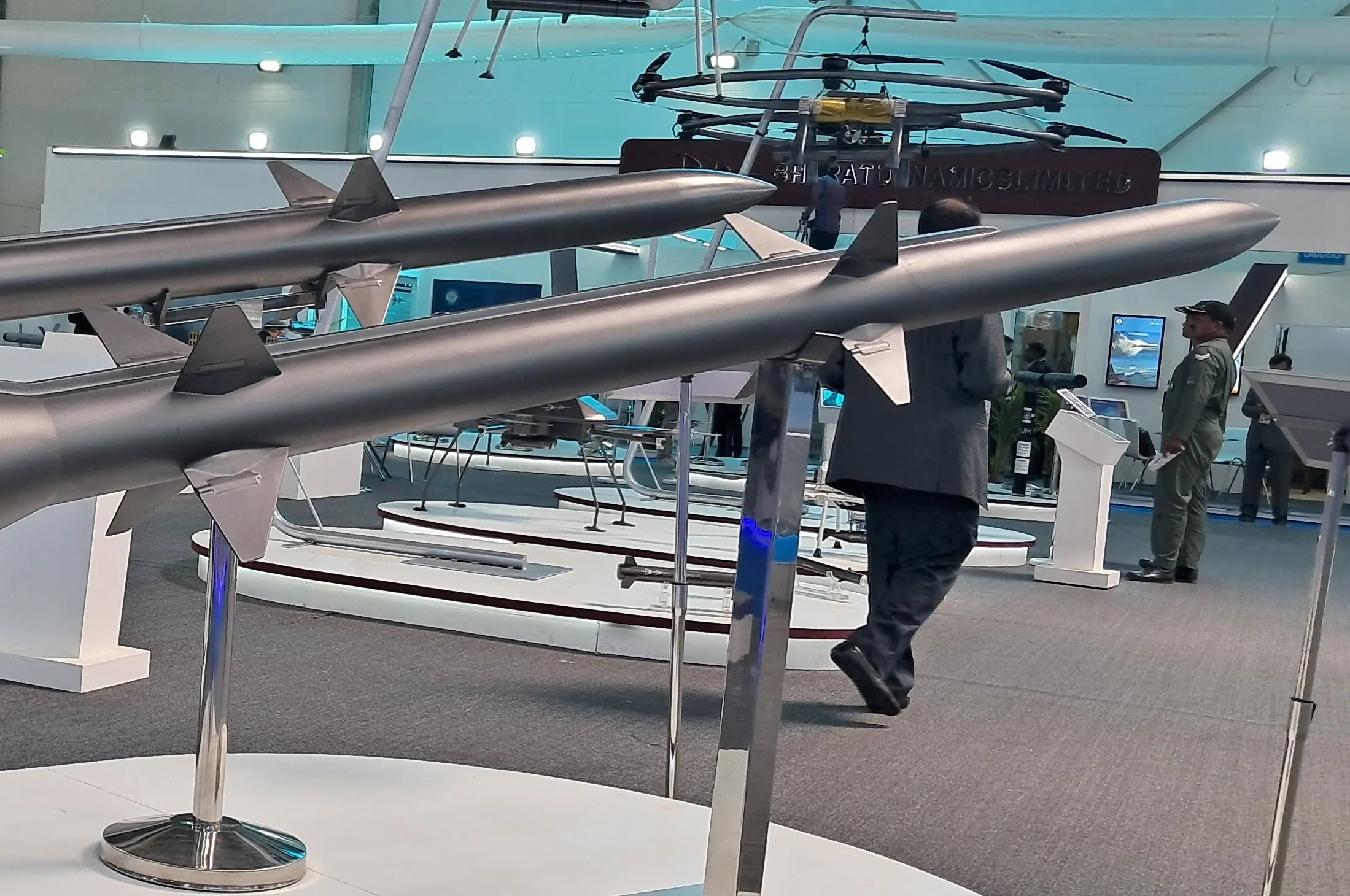
Sharing important details, Ankathi Raju, shed light on the scope and ambition of the strategic initiative of the Project Kusha. He stated that the program will result in the development of three interceptor missiles, designated M1, M2, and M3. These missiles together will form a layered air defence shield with the ability to counter a wide spectrum of aerial threats, along with fighter aircraft, cruise missiles, and high-value airborne assets. The overall aim of this missile is to bring indigenous capabilities on par with advanced global systems and eventually move beyond them.
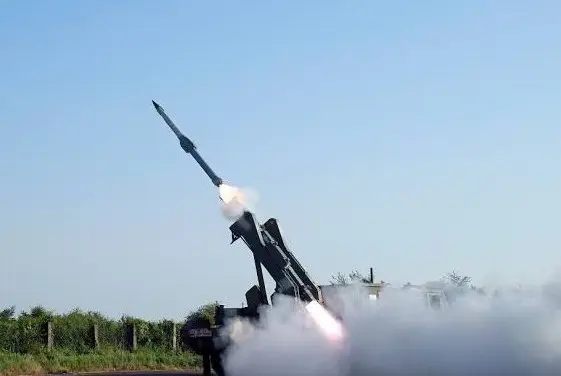
M1 interceptor
The M1 interceptor is being designed with a 150-km engagement envelope, giving it an edge over many medium-range air defence missiles currently deployed globally. This exceeds the reach of comparable systems like the 9M96E2, which operates at about 120 km, enabling the M1 to intercept threats at longer distances with high precision and swift response.
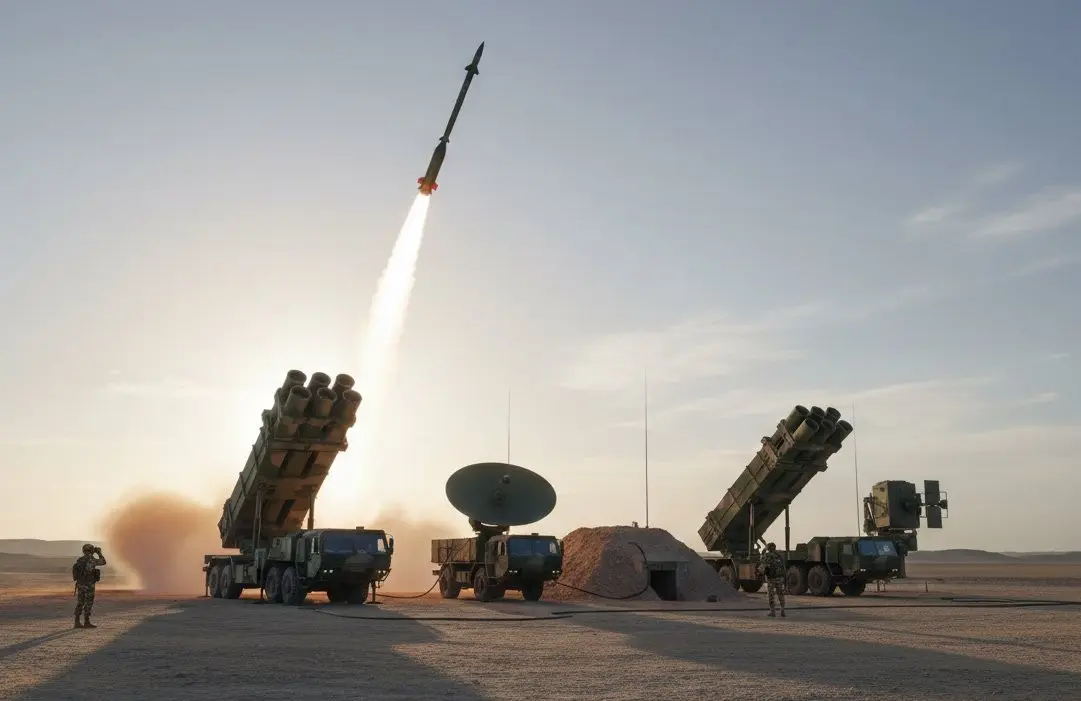
M2 interceptor
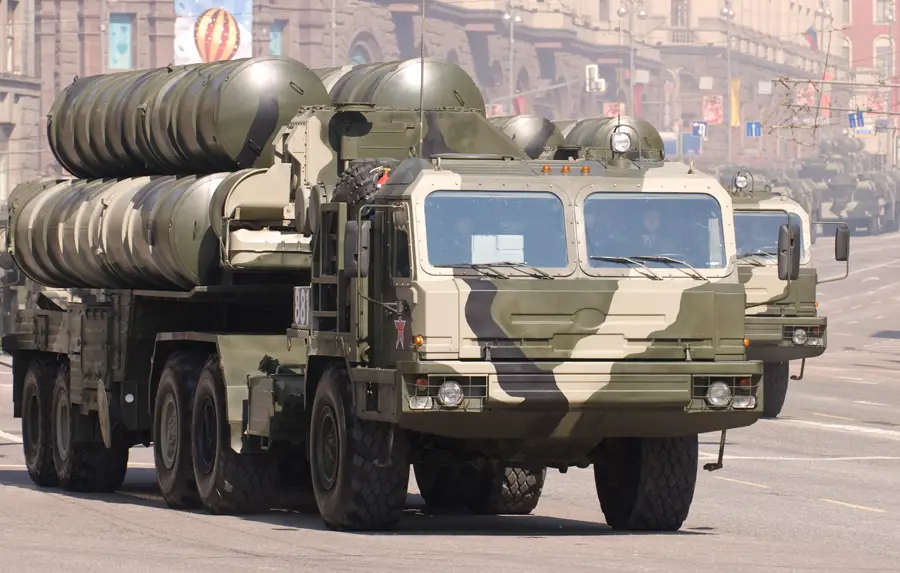
The next variant, M2, is planned to have a range of 250 km, placing it in the long-range category alongside missiles such as the S-400’s 48N6DM and 48N6E3. The M2 is set to become the core of Project Kusha’s long-range air defence layer, offering strong protection against fast-moving and high-altitude targets.
M3 interceptor
The most advanced interceptor under Project Kusha is the M3. Its officially stated range is 350 km, slightly short of the S-400’s 40N6E missile, which can reach 400 km. However, earlier reports suggest ongoing enhancements could extend the M3’s reach to around 400 km, effectively matching the 40N6E.
First trial by 2028
Such an extended range would allow the M3 to strike targets far inside adversary airspace, greatly strengthening strategic air defence and deterrence. The interceptor is expected to undergo its first trial by 2028, giving DRDO time to fine-tune propulsion, guidance and radar integration so that, by testing, the missile is likely to be close to achieving the full 400-km capability.
)

)
)
)