What is "Missile Sponge" trap and why Bangladesh's Eurofighter won't survive a swarm

In the world of fighter jets, there is a dangerous myth: "One superior jet can defeat ten inferior ones. But modern air combat isn't a duel; it's a math problem. And the math leads to a terrifying phenomenon known as the "Missile Sponge" effect.
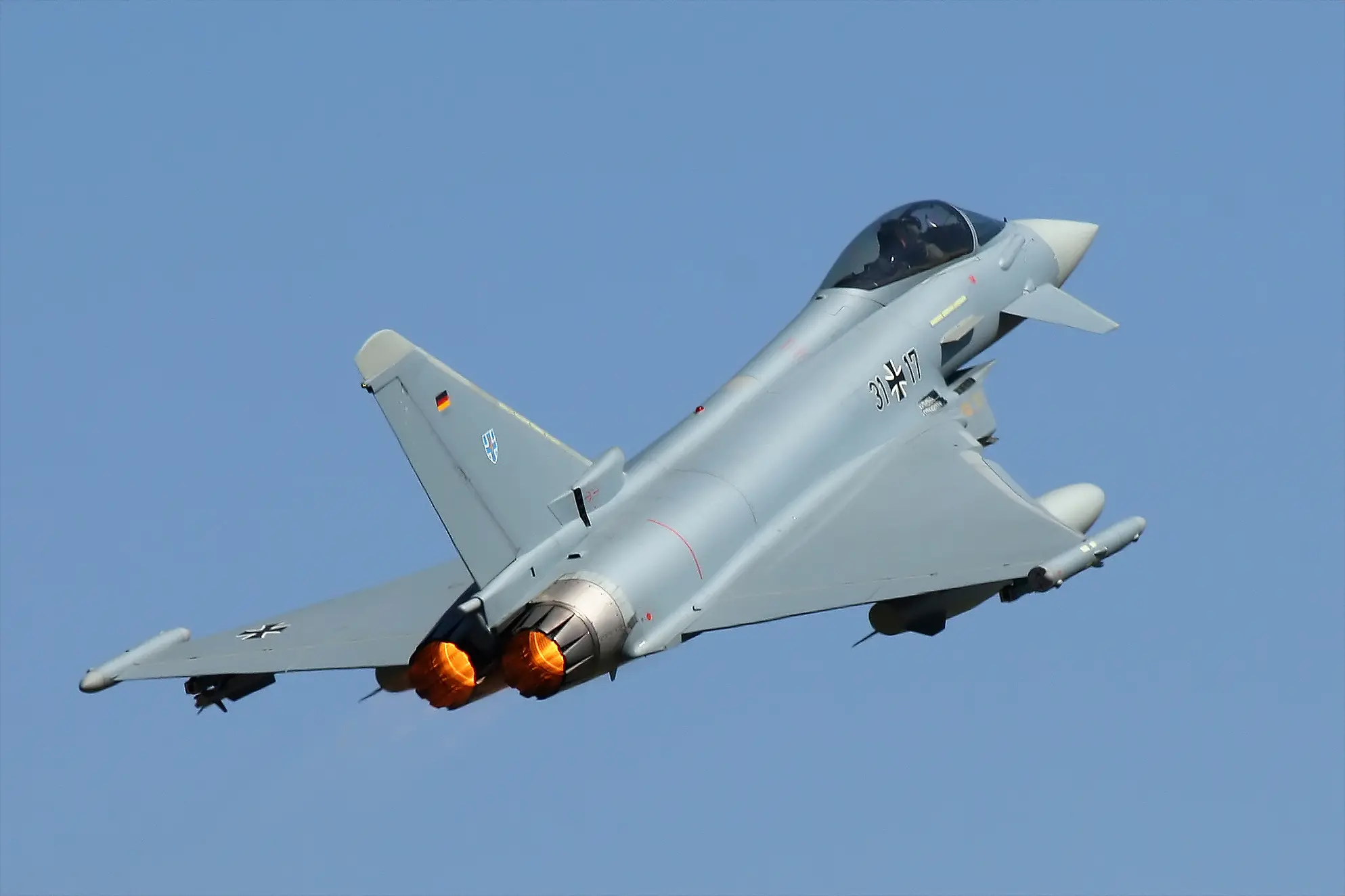
1. What is a "Missile Sponge"?
In military slang, a "sponge" is a target that is forced to absorb so much enemy fire that it eventually dies, regardless of how good its armour or defences are. The Eurofighter Typhoon has incredible defensive systems (jammers, decoys). But it is not magic. It has a limit. If you fire one missile at it, it will likely survive. If you fire twelve missiles at it simultaneously, it runs out of options. It becomes a sponge, absorbing attacks until one finally gets through.
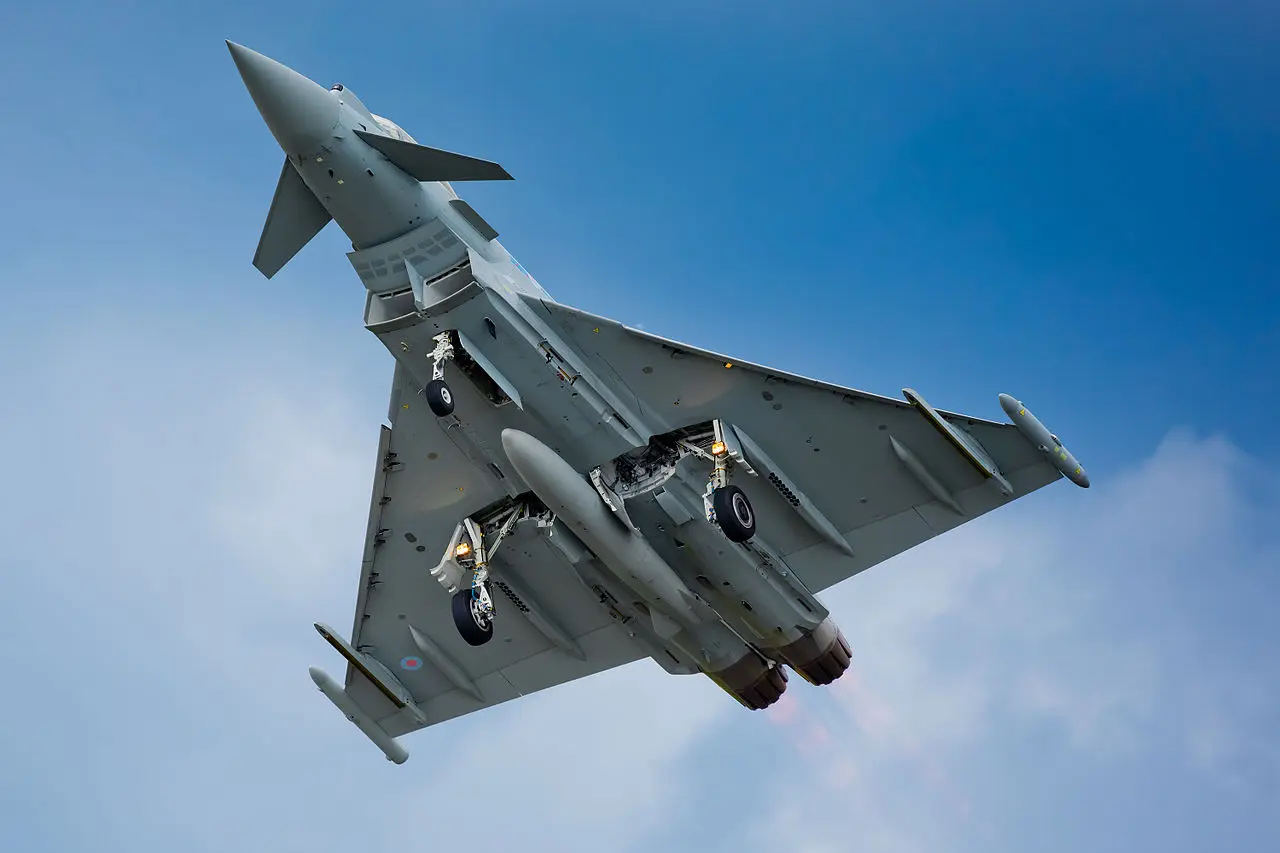
2. The Numbers Game: 8 vs. 272
Reports suggest Bangladesh might acquire a single squadron (8 to 12 jets). India operates over 272 Su-30 MKIs, plus Rafales and Tejas jets. In an aerial engagement, India wouldn't send one jet to fight one jet. They would send a "swarms." A standard Indian combat patrol might consist of 4 to 8 Su-30s. This creates an immediate 4-to-1 or 8-to-1 numerical advantage. The Eurofighter isn't fighting a pilot; it's fighting a crowd.
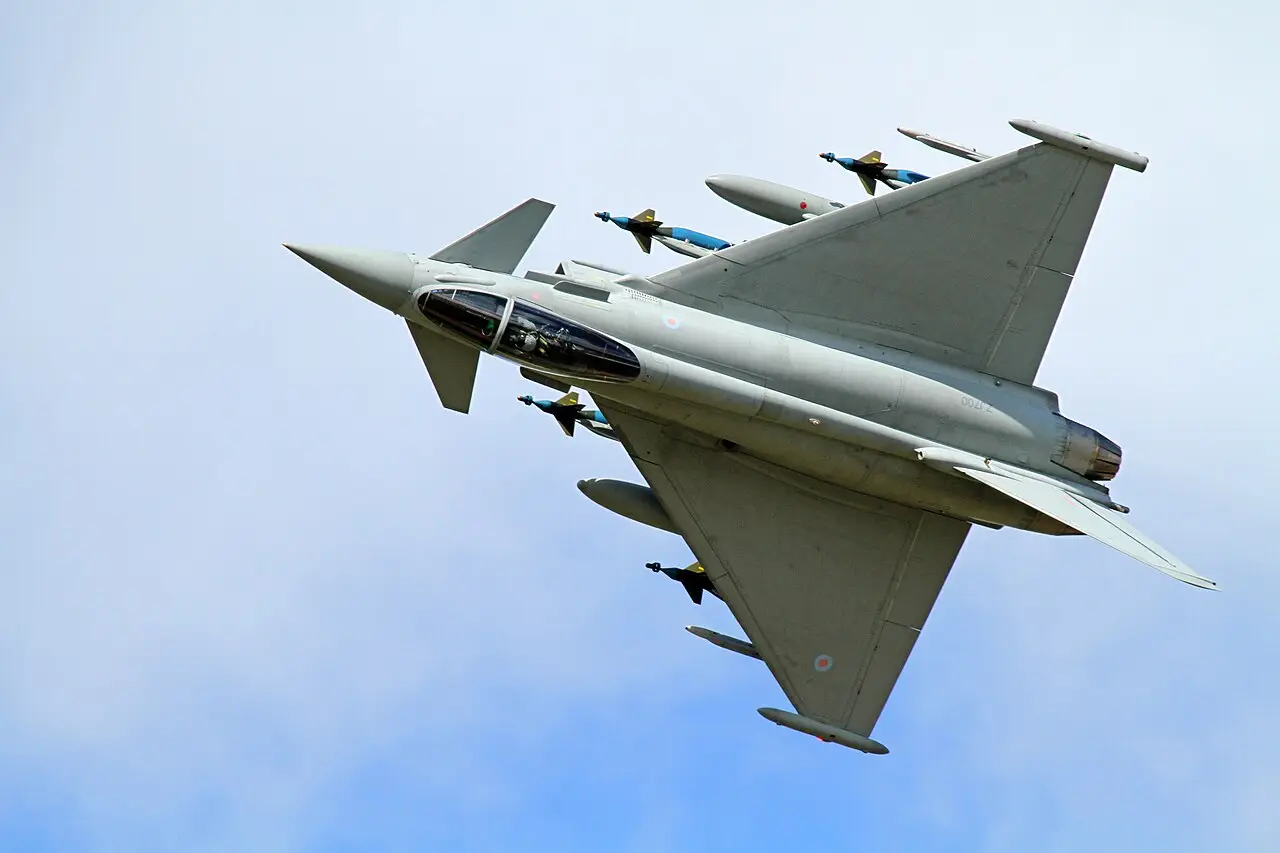
3. The "Volley" Math
This is where the "sponge" effect becomes real. A single Indian Su-30MKI is a "Heavy Air Superiority" fighter with 12 weapon stations. It can easily carry 6 to 8 medium-range missiles (like the Astra or R-77) while still having fuel to fight. If a formation of four Su-30s engages a single Eurofighter, they can collectively launch a "volley" of 24 to 30 missiles in seconds.
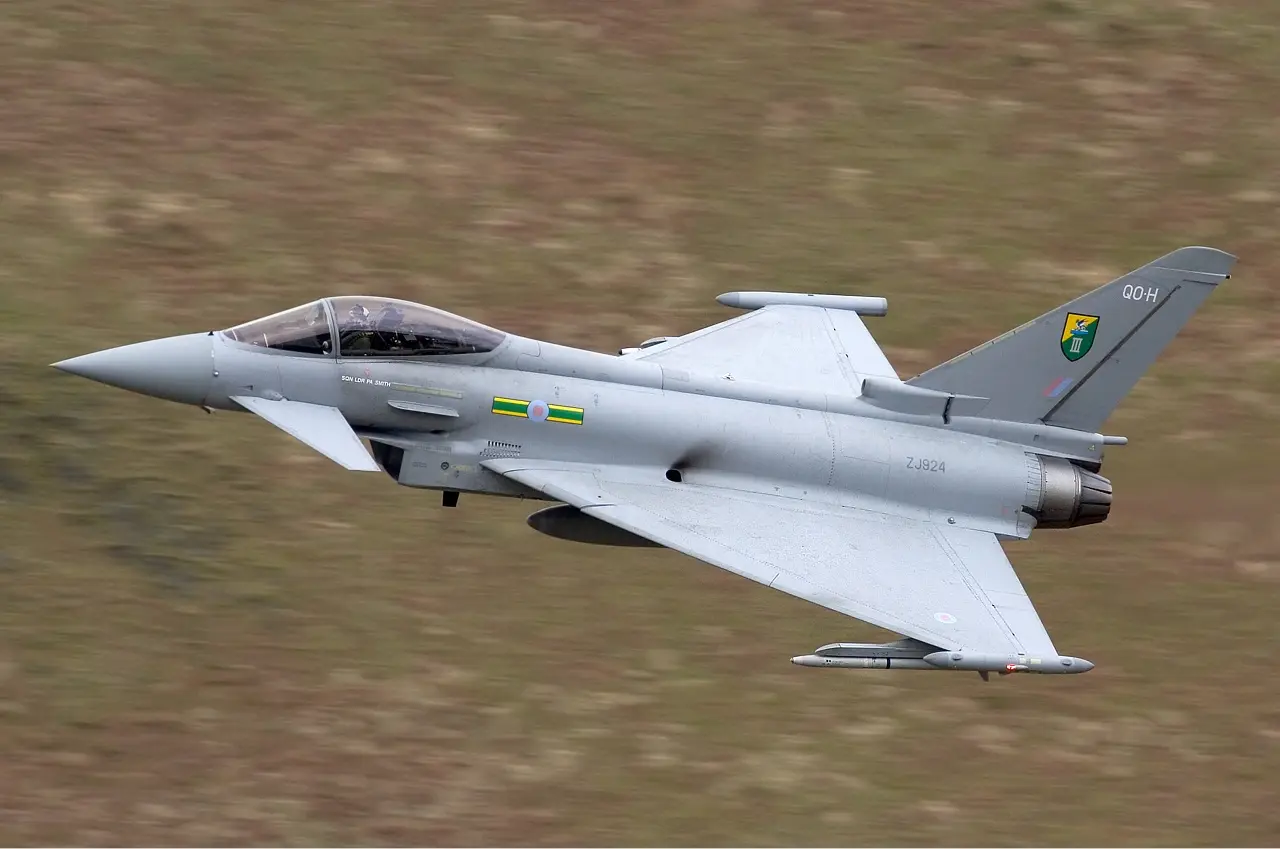
4. Bleeding Energy
When a pilot sees a missile coming, they must perform high-G manoeuvres (turning hard, diving) to trick the missile's guidance. This is called "kinematic defeat." However, every hard turn bleeds speed and altitude (energy). The Eurofighter is agile, but after dodging the first three missiles, it is now flying slower and lower. It has "bled" all its energy. When the fourth, fifth, and sixth missiles arrive seconds later, the jet is a sitting duck with no energy left to manoeuvre.
5. Running Out of Tricks
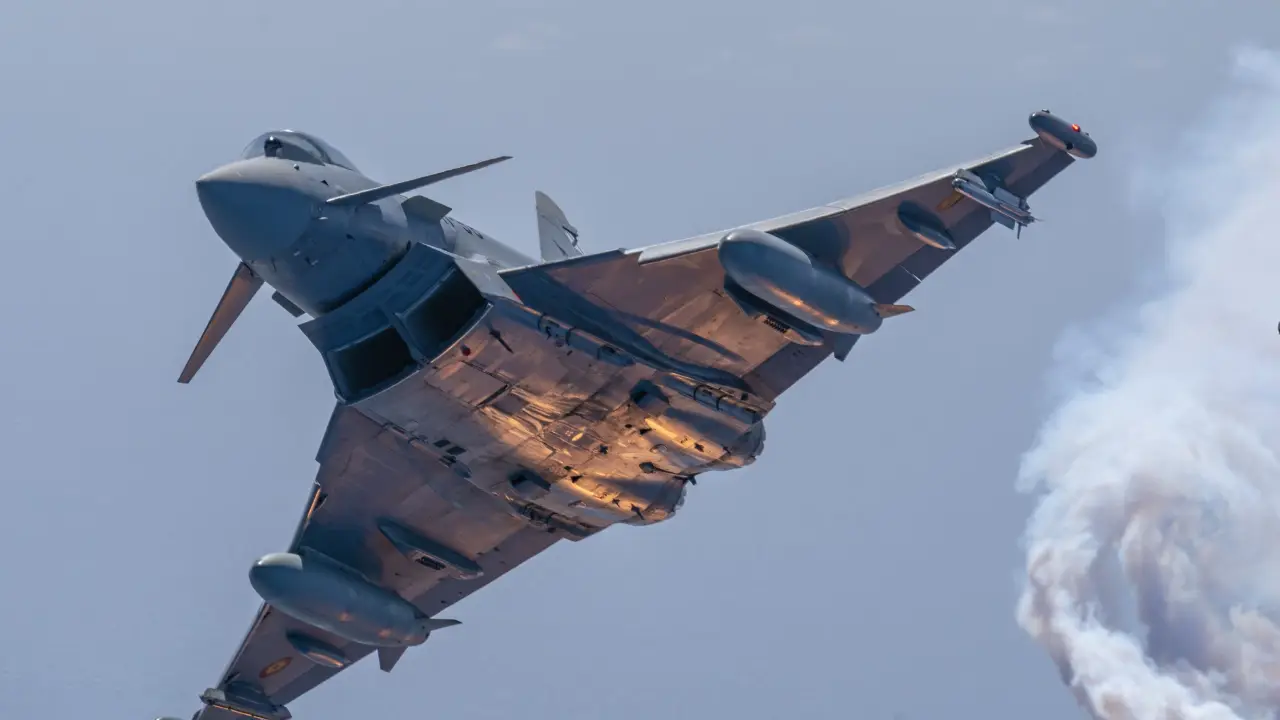
Fighters use "Chaff" (clouds of metal foil) and "Flares" (burning magnesium) to confuse radar and heat-seeking missiles. A Eurofighter carries a limited number of these cartridges. Against a "saturation attack" (where the sky is filled with incoming threats), the pilot is forced to dump these countermeasures rapidly. Once the chaff and flares are empty, which happens in less than two minutes of intense combat, the jet is naked. The next missile hits.
6. The "BVR" Wall
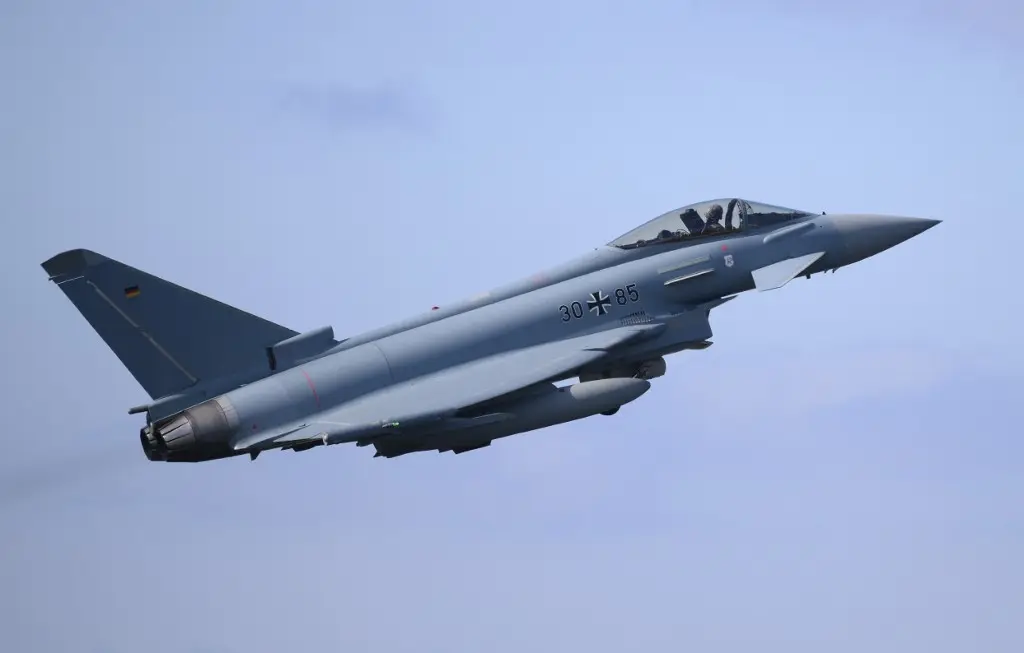
The "Missile Sponge" effect happens Beyond Visual Range (BVR). The Bangladeshi pilot might never even see the Indian jets. India’s strategy would likely be to use the Su-30s as “Missile Trucks” launching waves of Astra missiles from 80km away. They don't need to score a direct hit with the first shot. They just need to force the Eurofighter to turn, defend, and panic. The Indian pilots stay safe; the Bangladeshi pilot is trapped in a defensive spiral he cannot escape.
7. The Economic Suicide
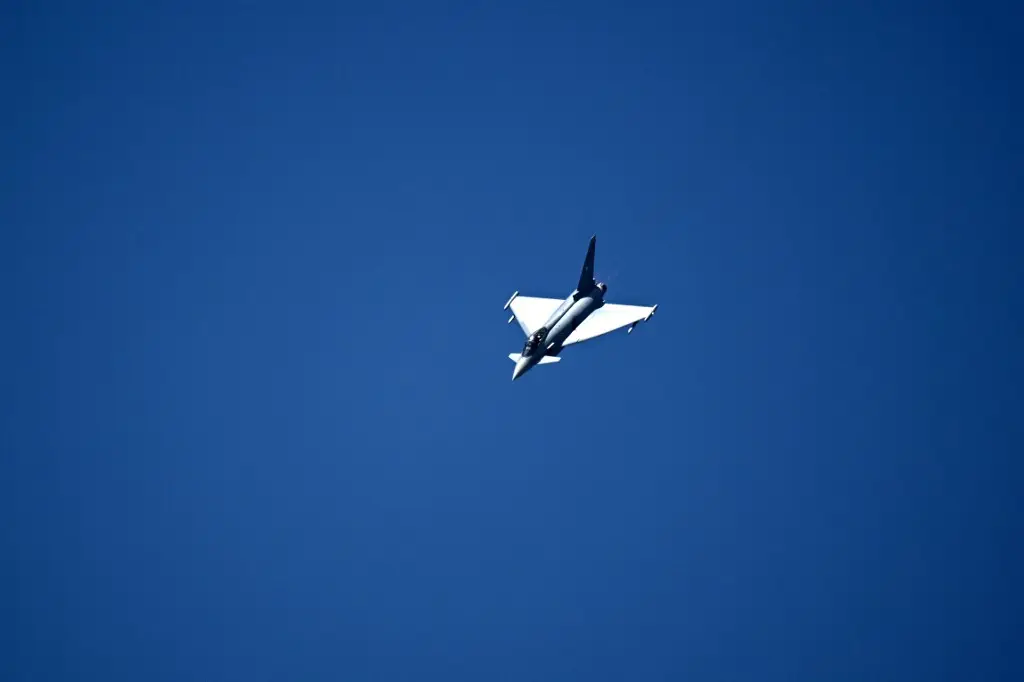
Ultimately, the "Missile Sponge" effect is about cost. India can afford to fire $20 million worth of missiles to destroy a $120 million Eurofighter. It is a favourable trade. By purchasing a small number of expensive jets, Bangladesh is creating "High Value Targets." India can simply overwhelm them with volume. In this scenario, the Eurofighter doesn't operate as a weapon of war; it operates merely as a very expensive target that soaks up Indian missiles before being destroyed.
)
)

)
)