What is MiG-41? Russia’s hypersonic interceptor that can be the ultimate F-35 killer

According to reports, Russia’s MiG-41, a hypersonic sixth-generation interceptor, aims to dominate U.S. stealth jets like the F-35. With Mach 4+ over 4,900 km/h. and anti-satellite missiles, can it rule the skies?
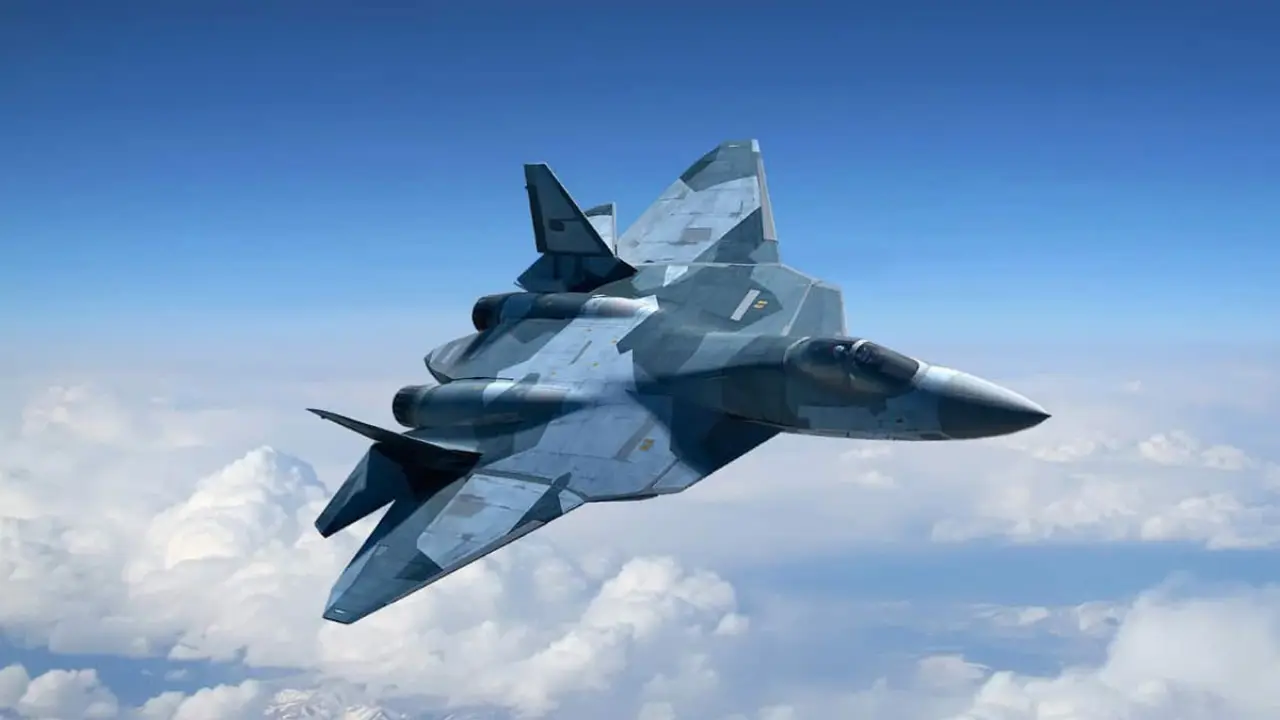
Russia’s MiG-41
Russia is developing the MiG-41, a sixth-generation interceptor to replace the MiG-31. With a $5 billion programme, it aims to dominate skies by 2030. A TASS report says it could counter U.S. stealth jets like the F-35.
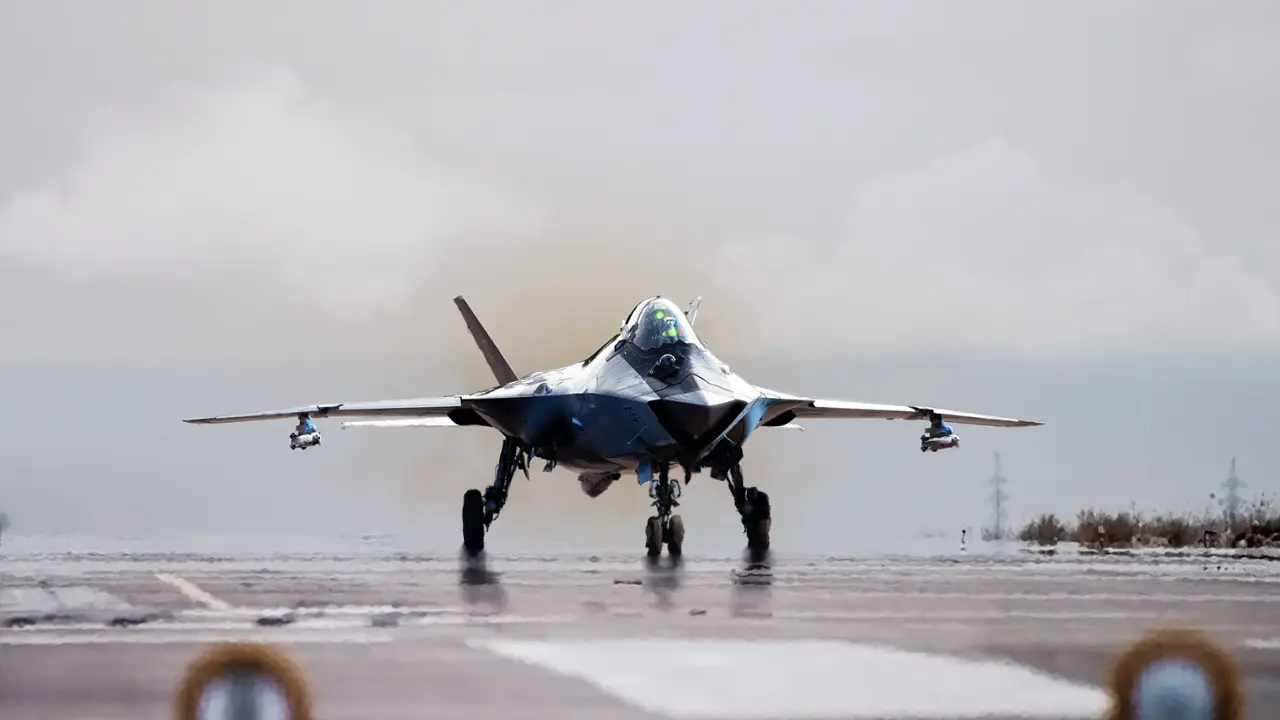
Hypersonic Speed at Mach 4+
The MiG-41 could reach speeds above Mach 4, over 4,900 km/h. This makes it faster than most jets, including the F-35. According to a 2025 Defense express report, its speed could outpace NATO’s best fighters.
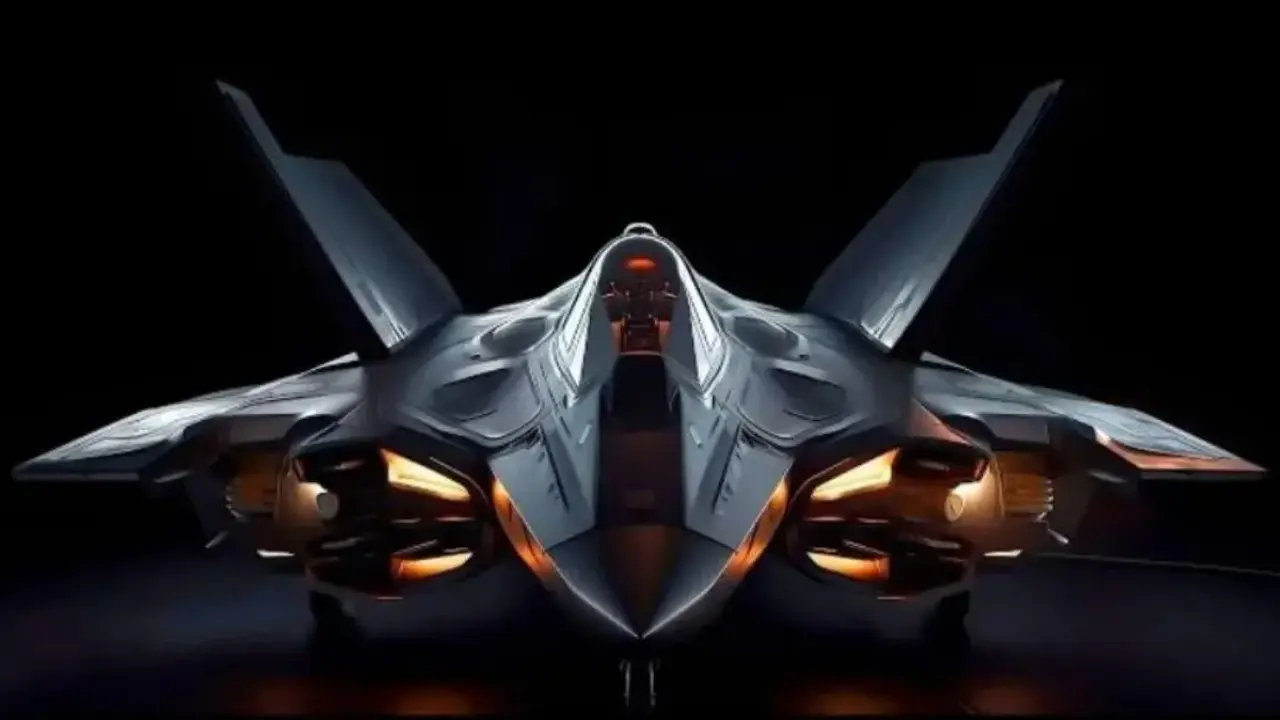
Anti-Satellite Missile Power
Defense sources say MiG-41 may carry missiles to destroy satellites in orbit. This could disrupt enemy communications. A NATO intelligence brief, cited by Reuters in 2024, warns of its potential to target space assets.
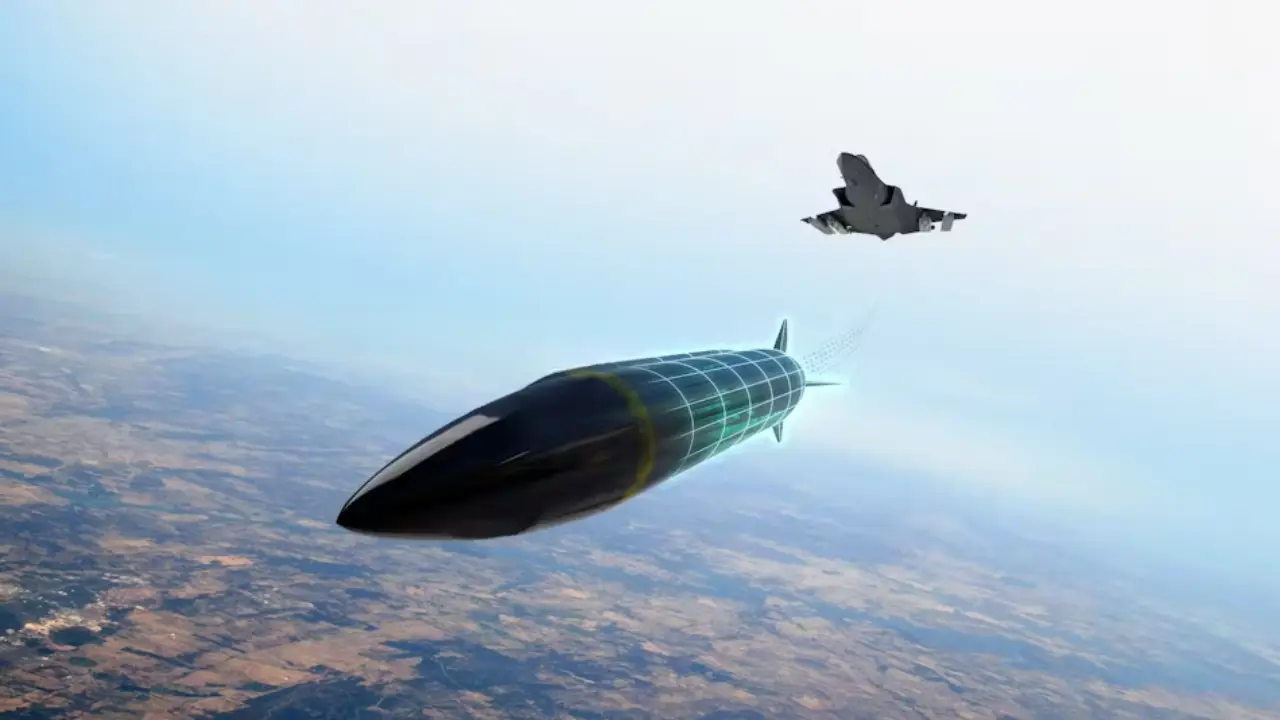
Stealth to Evade Radars
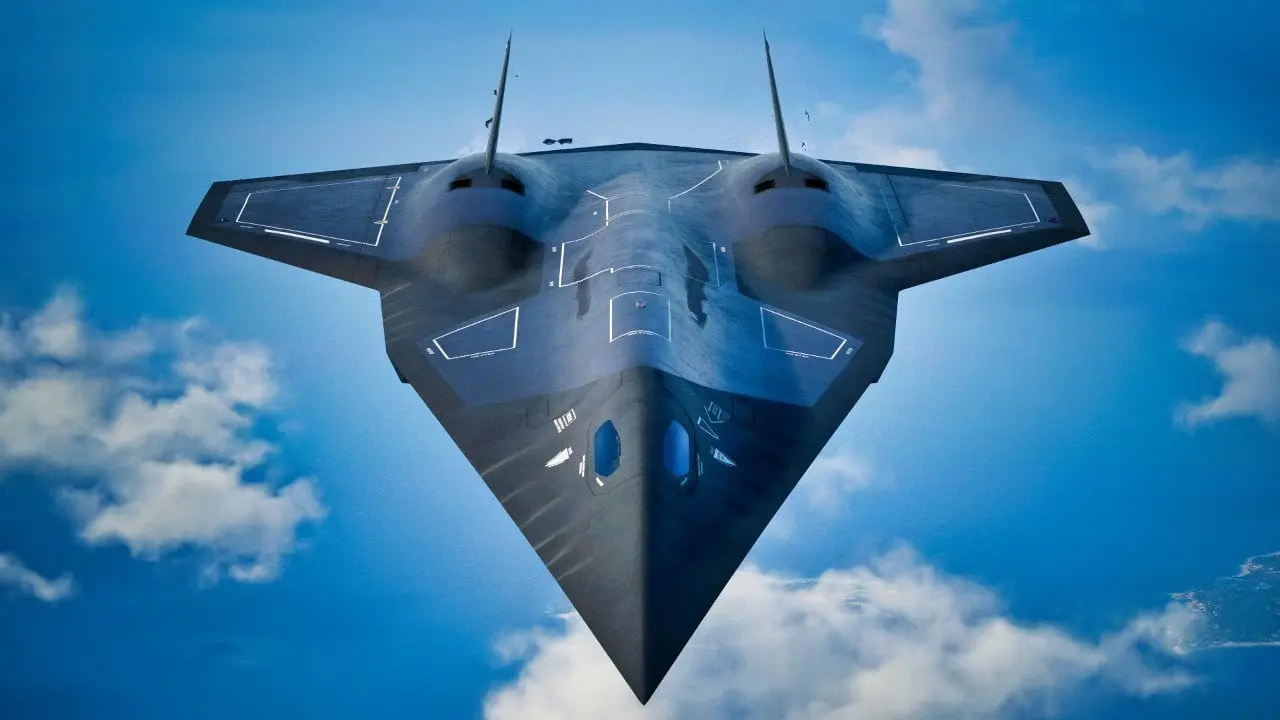
With advanced stealth, the MiG-41 could dodge radar detection. Its design aims to rival U.S. stealth tech. A Russian aerospace leak, reported by Janes in 2025, claims it can sneak past F-35 sensors.
Nuclear Strike Capability
The MiG-41 might carry nuclear weapons for strategic strikes. This could shift power in conflicts, especially in the Arctic. A 2024 AP report cites Russian officials hinting at its nuclear role.
Arctic and European Dominance
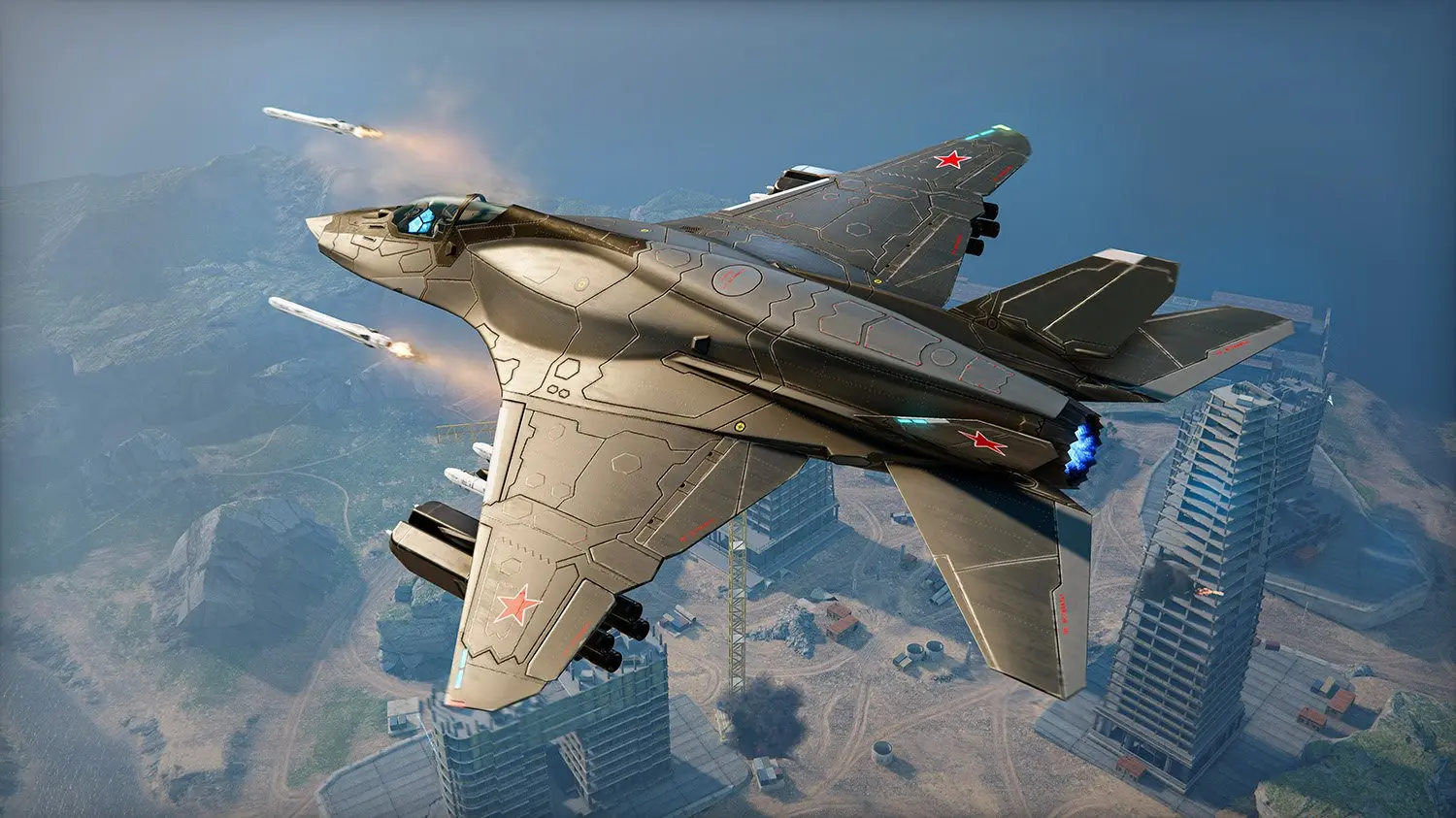
Russia plans to use the MiG-41 to control Arctic and European airspace. Its range and speed could challenge NATO jets. Russian analyst says it is built to secure Russia’s northern borders.
Can It Beat the F-35?
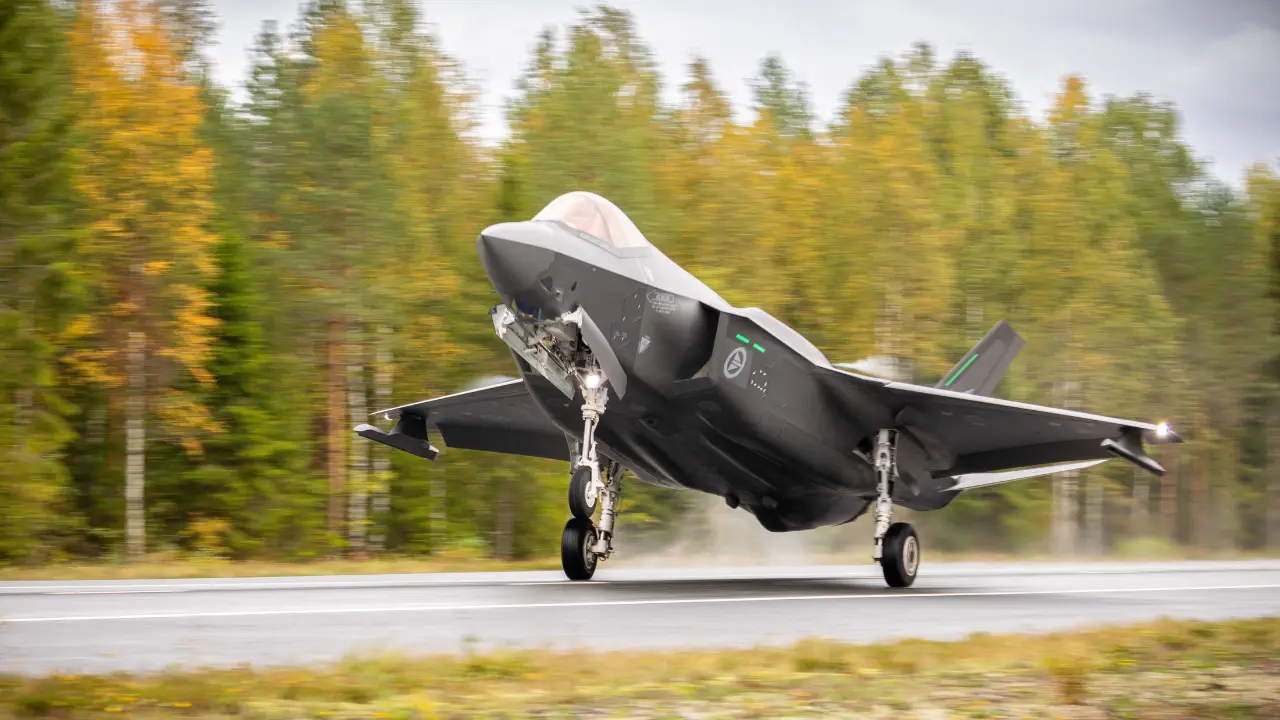
The MiG-41 aims to outmatch the U.S. F-35 in speed and firepower. Russian generals claim it will be a game-changer; however, NATO members doubt its timeline. Will it rule the skies by 2030?
)
)
)
)
)