What is Mahadev Peak? The sacred mountain behind the Indian Army’s deadly ‘Operation Mahadev’

The name itself, meaning 'God of Gods,' signifies the deep cultural and religious reverence attached to this mountain, often called 'the peak of Srinagar'.
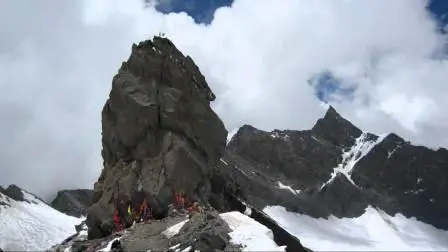
Sacred peak rising above Srinagar
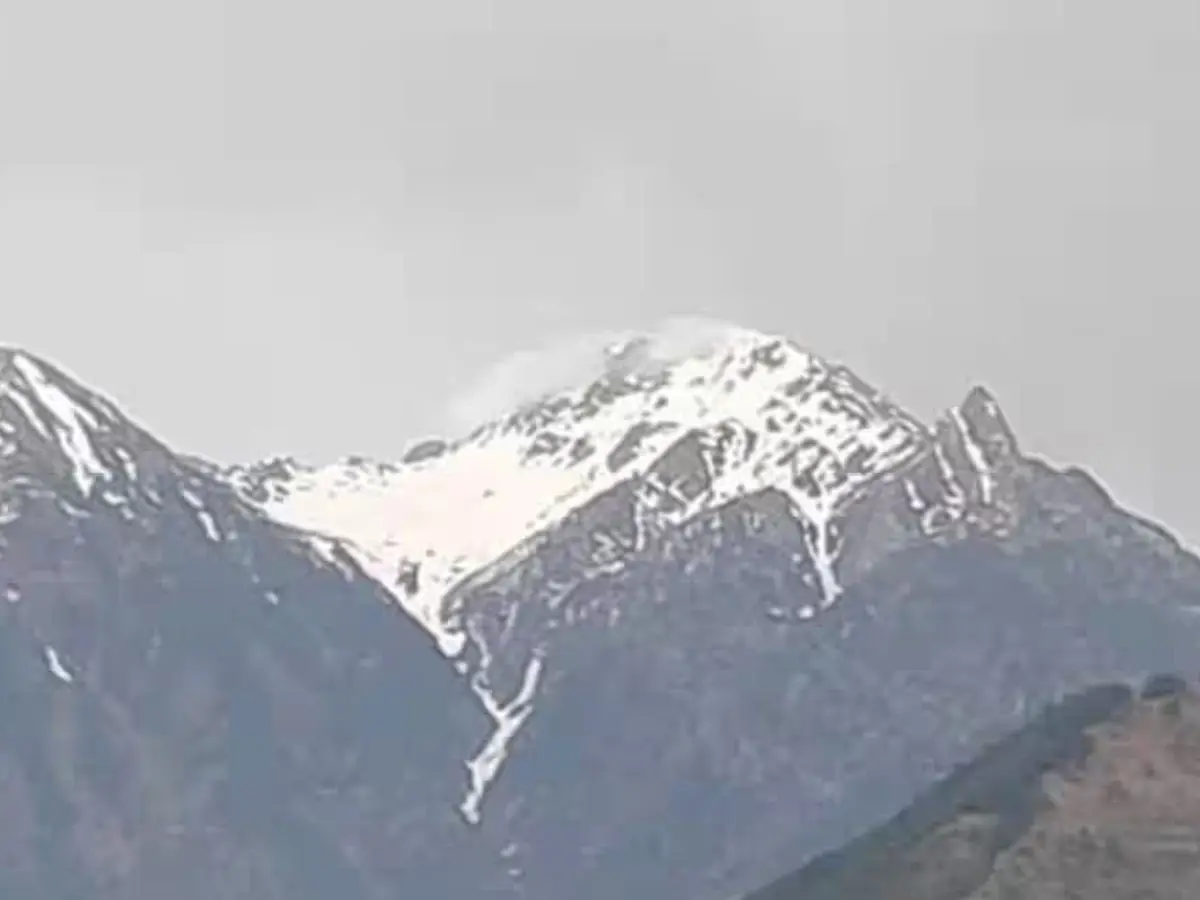
Mahadev Peak, locally known as Mahadev Gali, towers at 13,011 feet (3,962 metres) above sea level in the Zabarwan Range near Srinagar, Jammu and Kashmir. Revered by Kashmiri Pandits as the abode of Lord Shiva, it is the highest peak visible from much of Srinagar and holds a unique place in the region’s spiritual landscape. The name itself, meaning 'God of Gods,' signifies the deep cultural and religious reverence attached to this mountain, often called 'the peak of Srinagar'. Its sacred name has resurfaced in headlines after the Indian Army’s recent ‘Operation Mahadev’ neutralised terrorists near its slopes.
A journey through ancient scriptures and folklore
The sacred importance of Mahadev Peak is rooted in ancient Kashmiri texts. The Nilamata Purana (4th–8th centuries) mentions Mahadevagiri as a revered site, while Kalhana’s 12th-century Rajatarangini describes the peak rising boldly above Dal Lake and forming part of a range encircling Srinagar. According to folklore, Mahadev Peak marks one of the places where Lord Shiva shed his worldly attachments—including his serpents, crescent moon, and drum—before narrating the Amar Katha (tale of immortality) to Goddess Parvati in the Amarnath Cave. This tradition made the peak a key stop for Kashmiri Pandits on the Sawan Purnima pilgrimage.
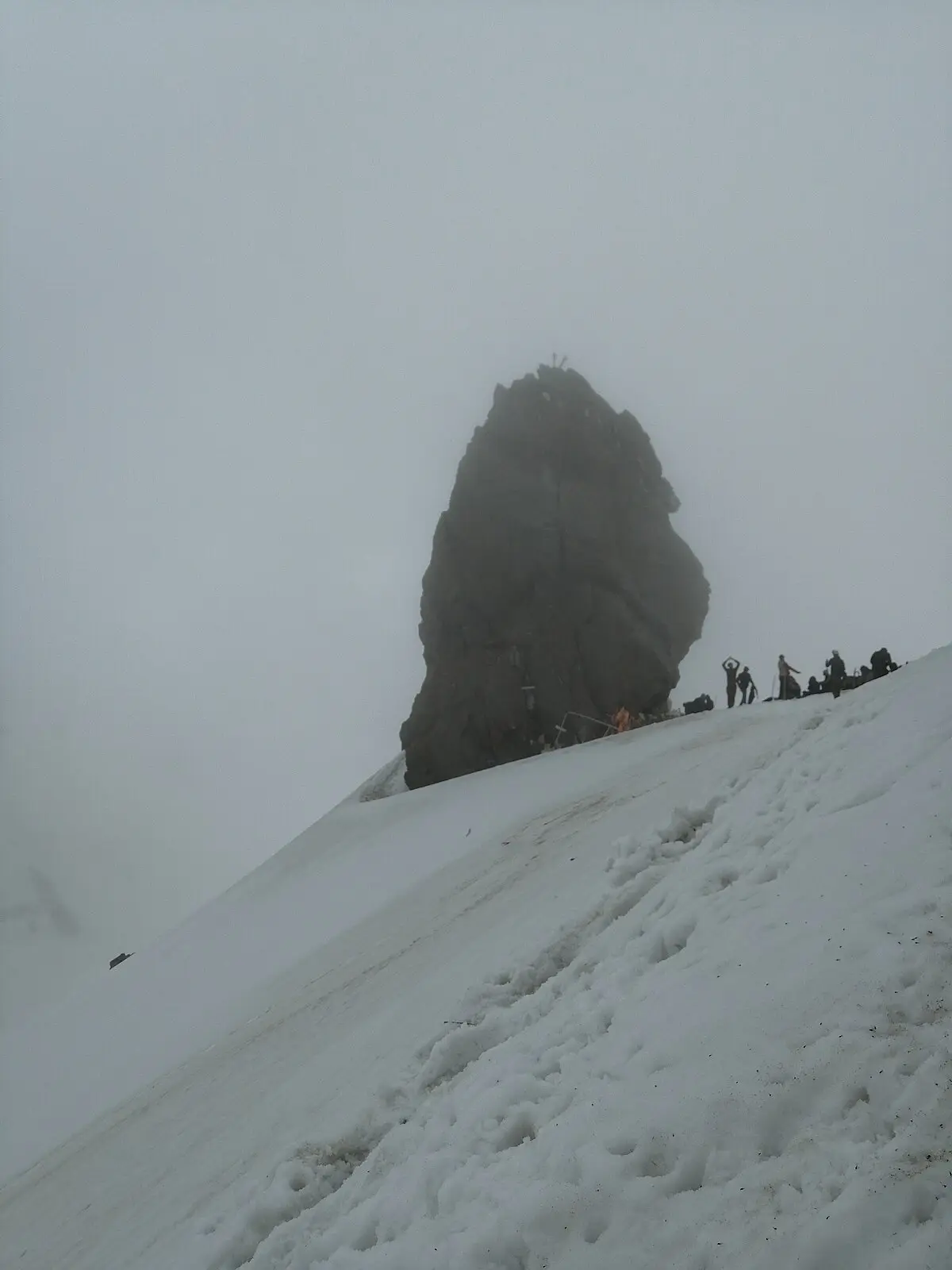
Mahadev Peak in Kashmiri tradition
Historically, hundreds of Pandits trekked to Mahadev Peak during Sawan Monday to pay homage to Lord Shiva. Pilgrims believed ice collected from its glacier, which once existed year-round, was sacred prasad. This tradition faded over decades due to militancy and mass migration but lives on as part of Kashmiri cultural memory. Even today, the peak is seen as a spiritual sentinel protecting Srinagar, a belief that wrongdoing near the peak would inevitably be punished by divine justice.
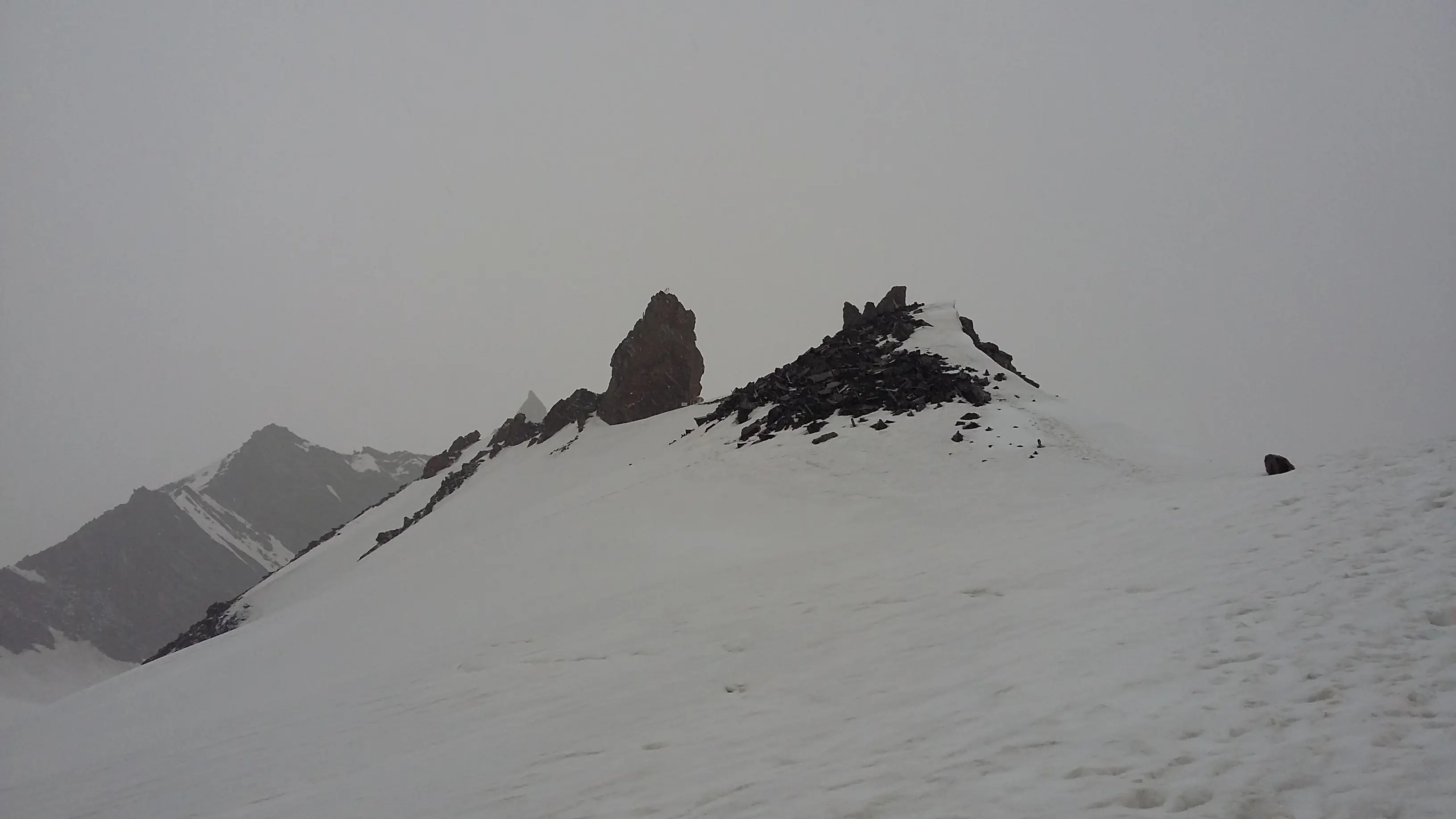
A trekker’s route through history
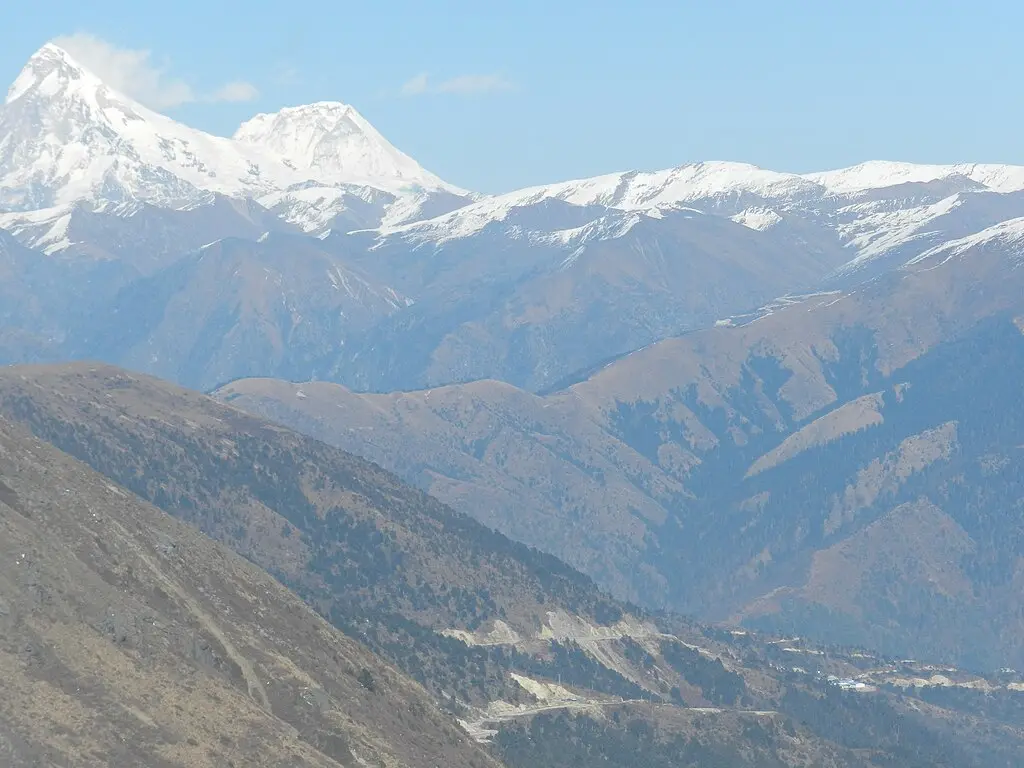
The trek to Mahadev Peak starts from Faqir Gujri near Harwan, passing through ancient places like Dara and Ledwas. The route, moderate in difficulty, takes trekkers past grazing nomads, lush meadows, and streams, offering views of surrounding Himalayan giants like Mount Kolahoi and Mount Harmukh. On its eastern side lie the scenic Tarsar and Marsar lakes. Mahadev Peak remains covered in snow for much of the year, and its summit offers panoramic views of Srinagar city and Dachigam National Park.
Operation Mahadev
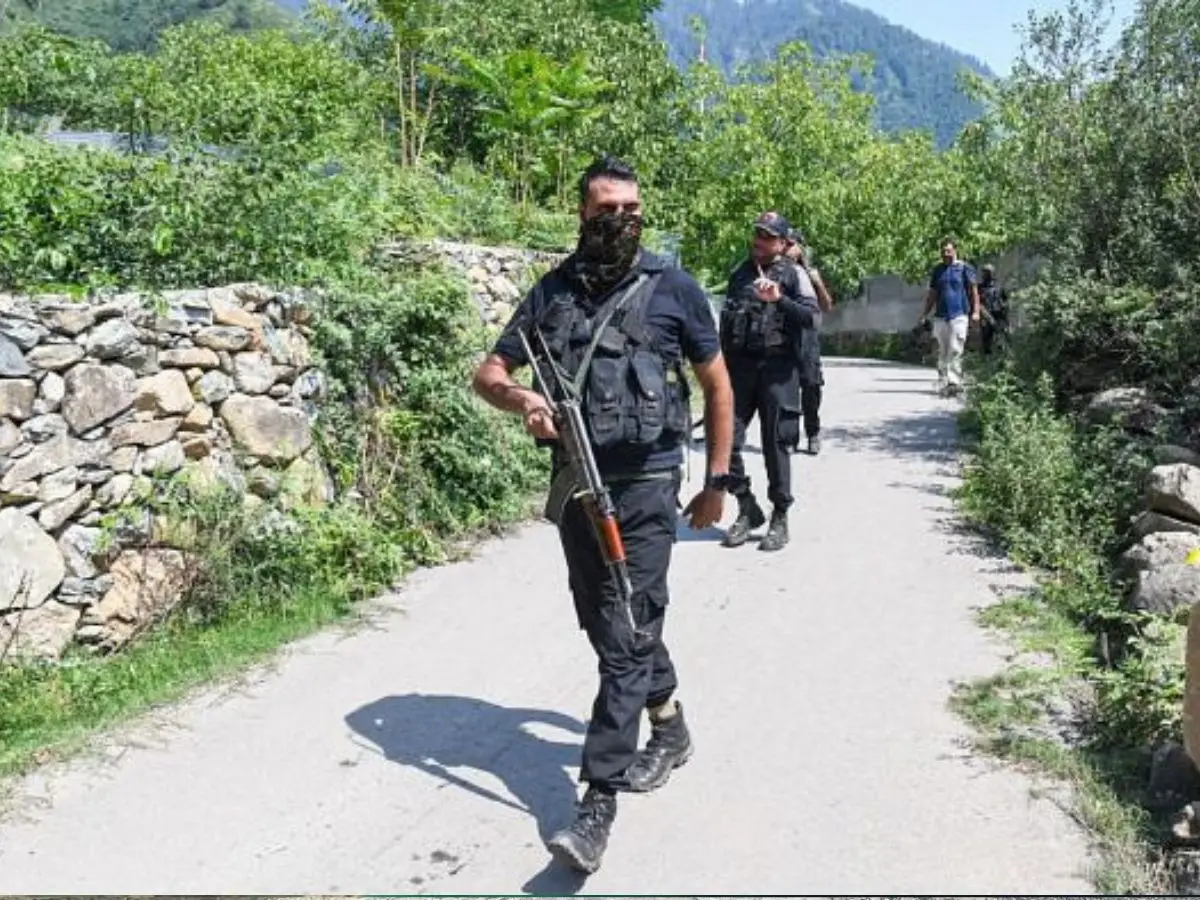
On July 27–28, 2025, Mahadev Peak’s spiritual symbolism took on modern significance. The Indian Army named an anti-terror operation ‘Operation Mahadev’, the name was was inspired from the sacred peak. Conducted near Lidwas, the operation neutralised three Pakistani terrorists responsible for the recent Pahalgam mass killings, including the mastermind himself.
A living legend of Kashmir
Mahadev Peak endures not merely as a mountain but as a living symbol of Kashmir’s spiritual heritage. Its story, deeply rooted in ancient scriptures and local belief, continues to bridge the past with the present, even as the echoes of Operation Mahadev remind the Valley of both divine protection and modern resilience.
)
)
)
)
)