What is Lockheed’s U-2? The Area 51 spy jet that floats, stalls, and terrifies its own pilots

Nicknamed the 'Dragon Lady', U-2 is a high-altitude reconnaissance aircraft built for the US Air Force and the US's Central Intelligence Agency.
Born in Secrecy
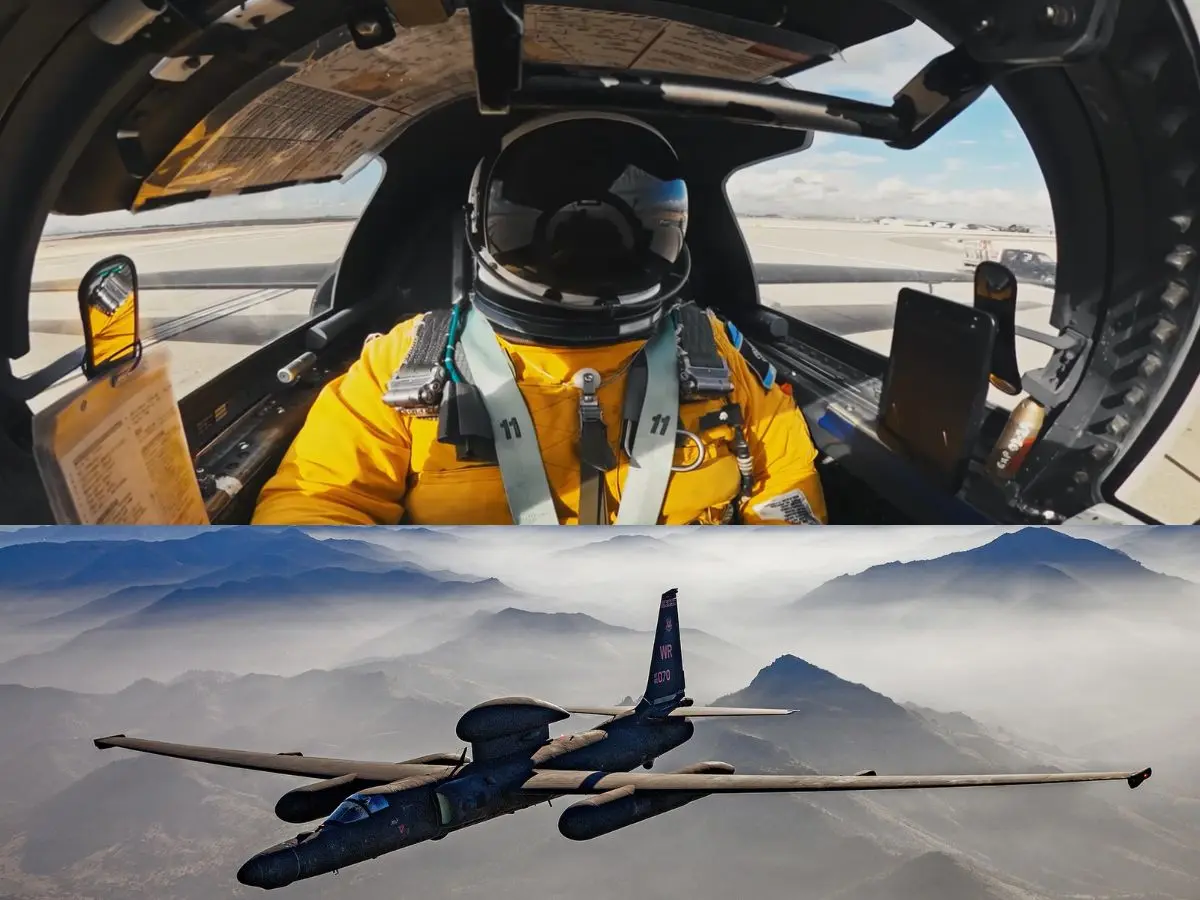
In 1955, Lockheed’s Skunk Works built the U-2 for the CIA’s Project AQUATONE. The brief: design an aircraft capable of flying above 70,000 feet to gather photographic intelligence over the Soviet Union from the edge of the space. Groom Lake, a remote dry lakebed in Nevada, was chosen as the secret testing site, later known worldwide as Area 51. The U-2’s first flight from this hidden base marked the start of modern high-altitude espionage.
Why It Terrifies Pilots
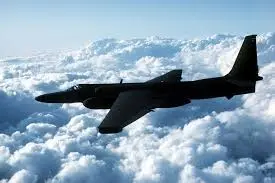
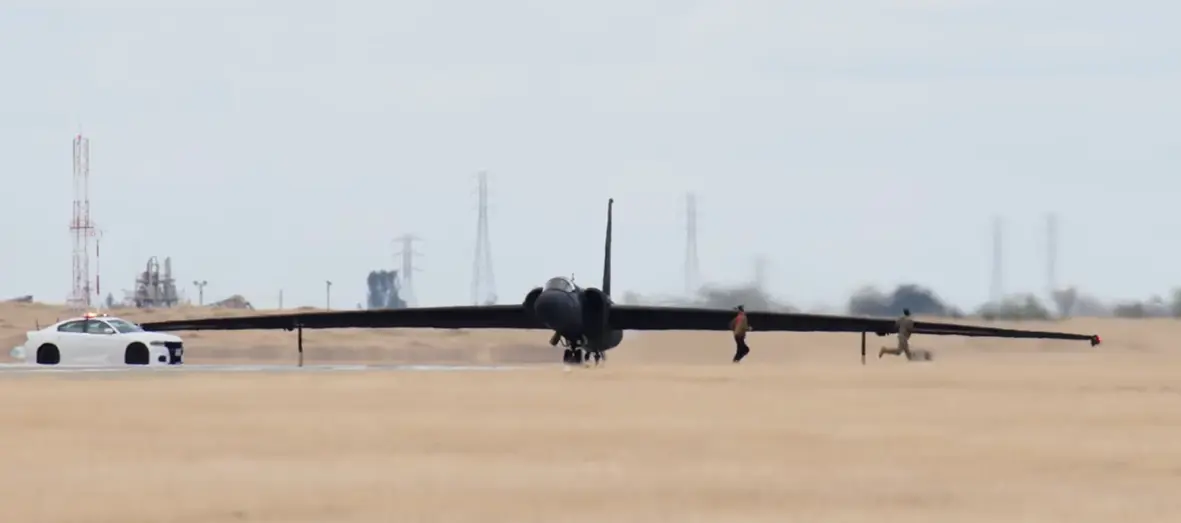
Nicknamed the 'Dragon Lady', U-2 is a high-altitude reconnaissance aircraft built for the US Air Force and the Central Intelligence Agency. The U-2’s glider-like wingspan of nearly 24 metres gives it remarkable lift, but also extreme sensitivity to turbulence and crosswinds. Landings are notoriously difficult since the aircraft tend to float above the runway, making speed and altitude control critical. Its ‘coffin corner’ at operational altitude means the difference between stalling and exceeding Mach limits can be less than 10 knots. During landing, pilots rely on another pilot in a high-speed chase car, who radios back precise altitude calls. Beyond its altitude and landing challenges, U-2 pilots must also master slow climb and descent rates to protect fragile onboard sensors and prevent pilot decompression sickness.
Preparing for the Edge of Space
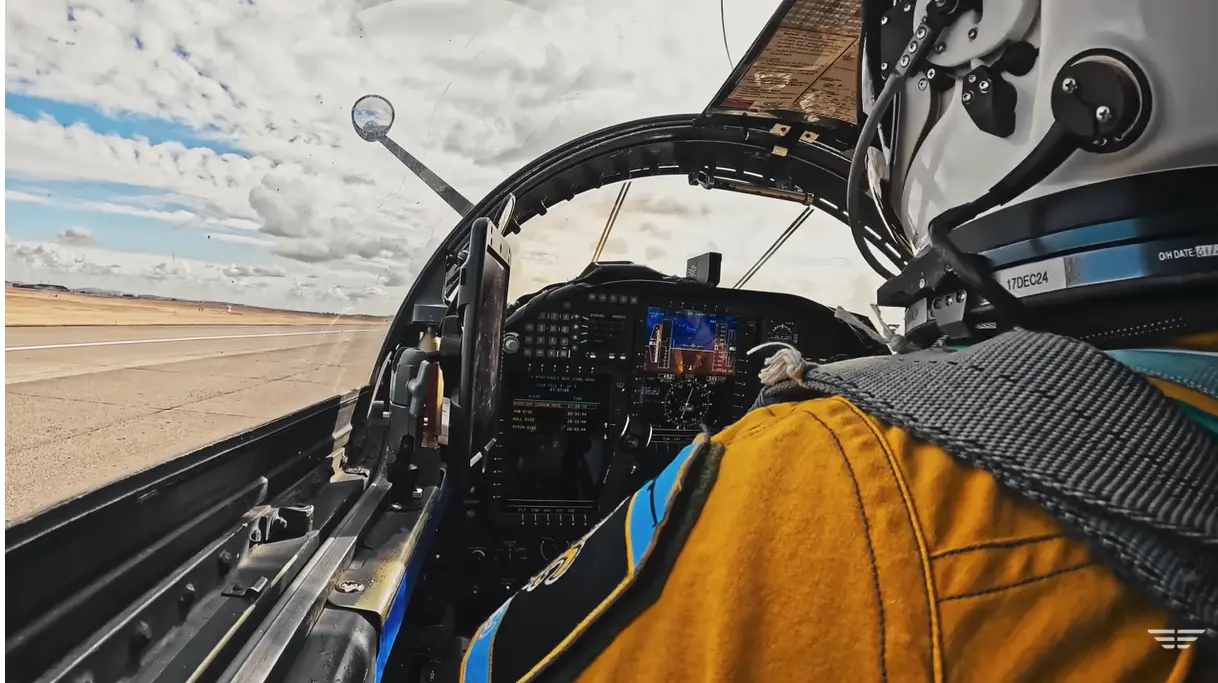
Pilots wear a full-body partial pressure suit, similar to those used by astronauts, to survive the low-pressure, near-space environment. Pre-flight preparation includes breathing pure oxygen to purge nitrogen from the bloodstream, reducing risk of decompression sickness. Missions could last over 12 hours, demanding physical endurance and intense concentration to manage the narrow flight envelope.
Famous U-2 Incidents
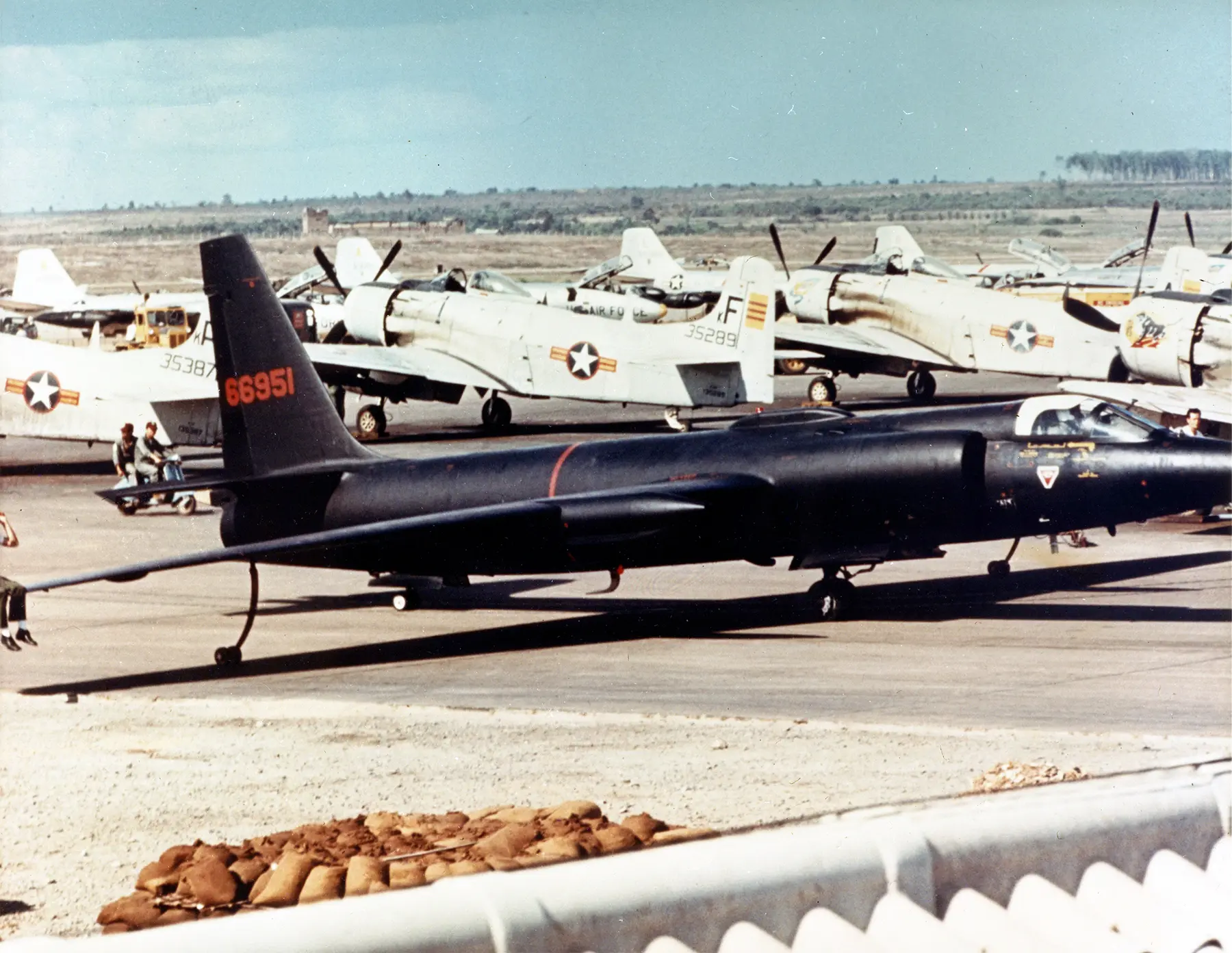
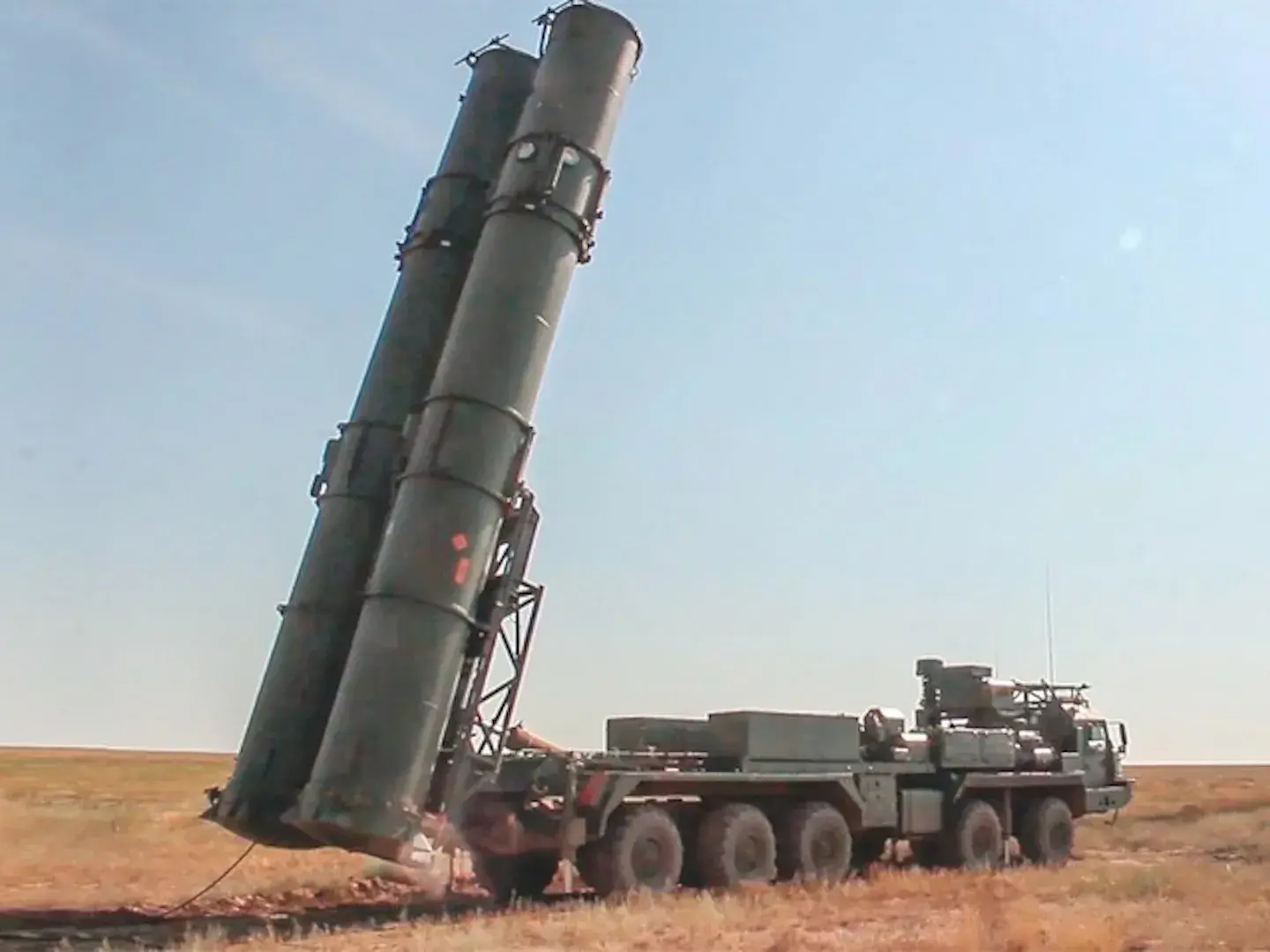
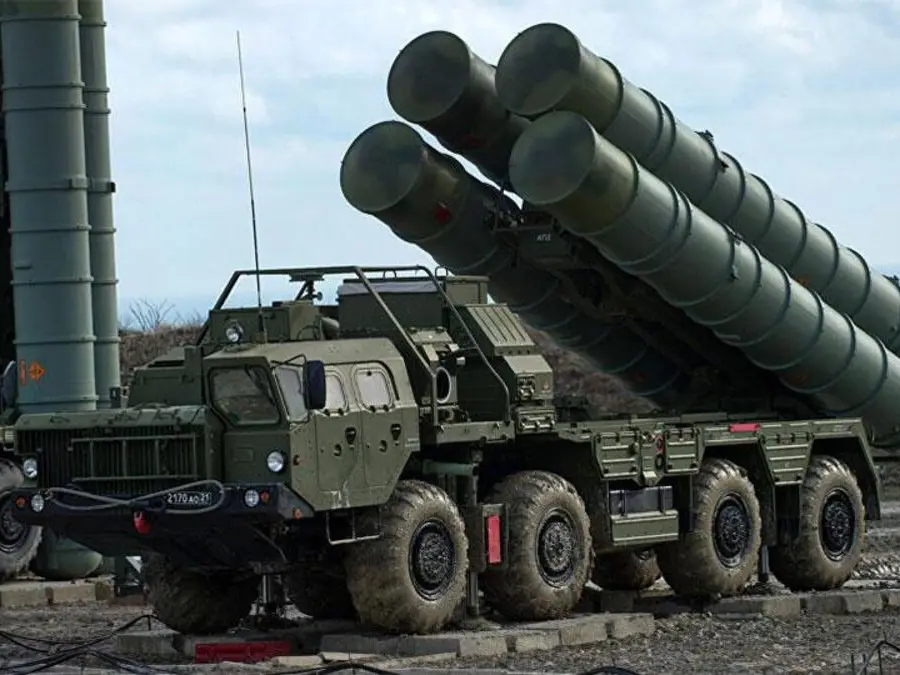
The most notorious incident occurred on 1 May 1960, when CIA pilot Gary Powers was shot down over the Soviet Union by a surface-to-air missile. Powers survived and was captured, creating an international crisis and ending the illusion that the U-2 could operate with impunity. Other incidents include U-2 losses over China and Cuba during the height of the Cold War.
What Makes It Different
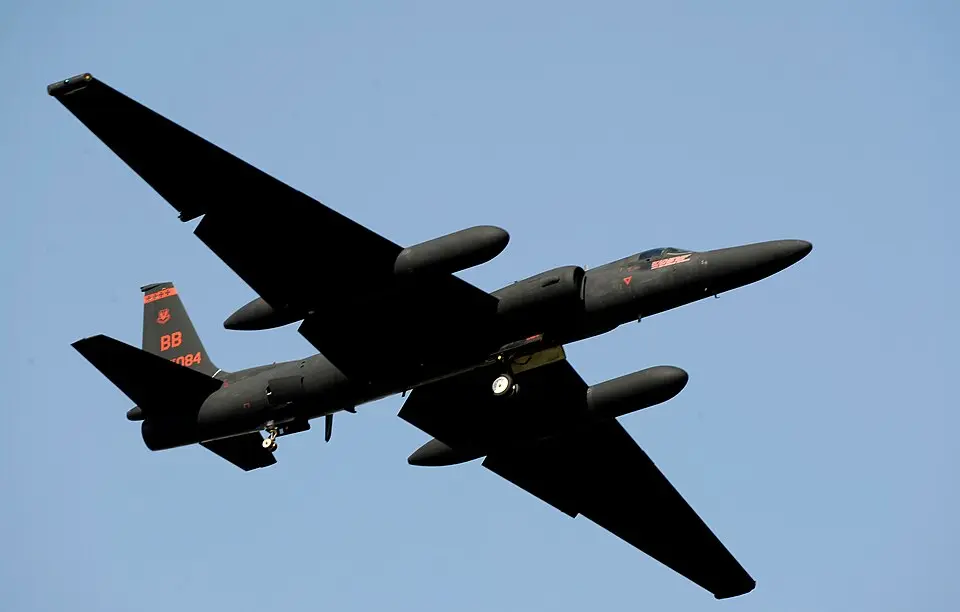
Unlike drones or satellites, the U-2 can be retasked mid-flight, carry larger sensor payloads, and remain overhead for extended periods. Its unique design keeps it relevant for signals intelligence, radar mapping, and real-time battlefield reconnaissance, tasks that benefit from human decision-making in the cockpit. The U-2 is equipped with advanced sensors and cameras for collecting data and imagery.
Still Flying Today
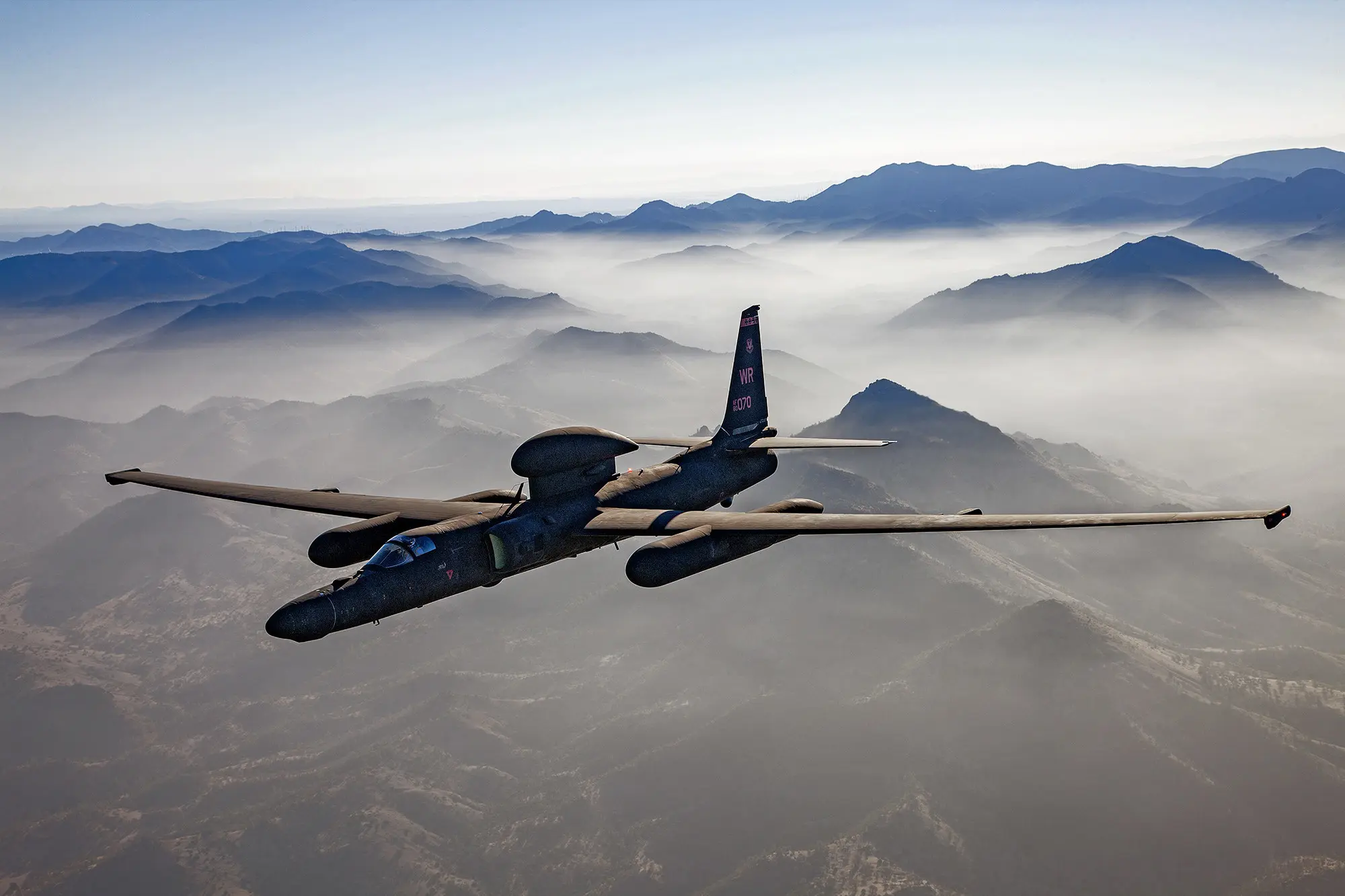
Despite repeated proposals to retire it, the upgraded U-2S version remains in service. Modern avionics, a powerful engine, and advanced sensors allow it to operate alongside newer unmanned systems like the RQ-4 Global Hawk. As of 2025, the U-2 continues to fly, proving the value of flexible, high-altitude surveillance.
Legacy and Mystery
Developed in secrecy, tested at Area 51, and still operational 70 years later, the U-2 remains one of history’s most remarkable aircraft. Its blend of fragile aerodynamics and strategic value makes it both feared and respected by those who fly it.
)
)
)
)
)