What is Light-Speed Analog Computing and why it could be the future?

This new tech promises to change computing forever - working not with chips, but with beams of light. But what makes it so powerful? The answer may surprise you.
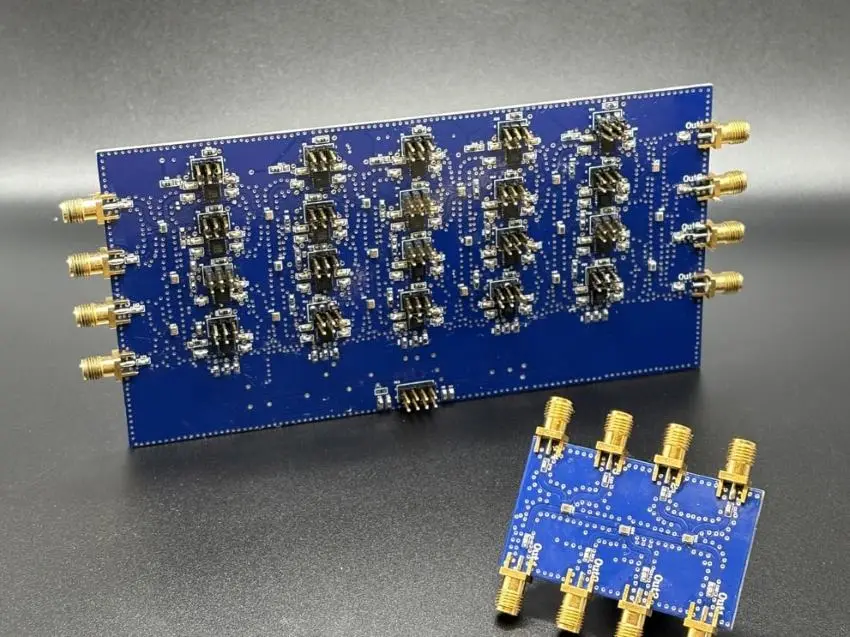
What is Light-Speed Analog Computing?
Light-Speed Analog Computing is a new way to process information using light instead of electricity. It works much faster because light moves at the highest speed, allowing calculations almost instantly.

How Does It Work?
Instead of digital bits like in traditional computers, light-speed analog computing uses continuous signals of light. These signals can process data in real time by manipulating light beams through optical devices.

Advantages Over Digital Computing
This technology uses less energy and is much faster, especially for complex tasks. It can solve problems that digital computers find difficult or slow, like simulating nature or big data analysis.
Applications in the Real World
Light-Speed Analog Computing could transform fields like artificial intelligence, telecommunications, and scientific simulations. It may allow quicker processing of information and better understanding of complex systems.
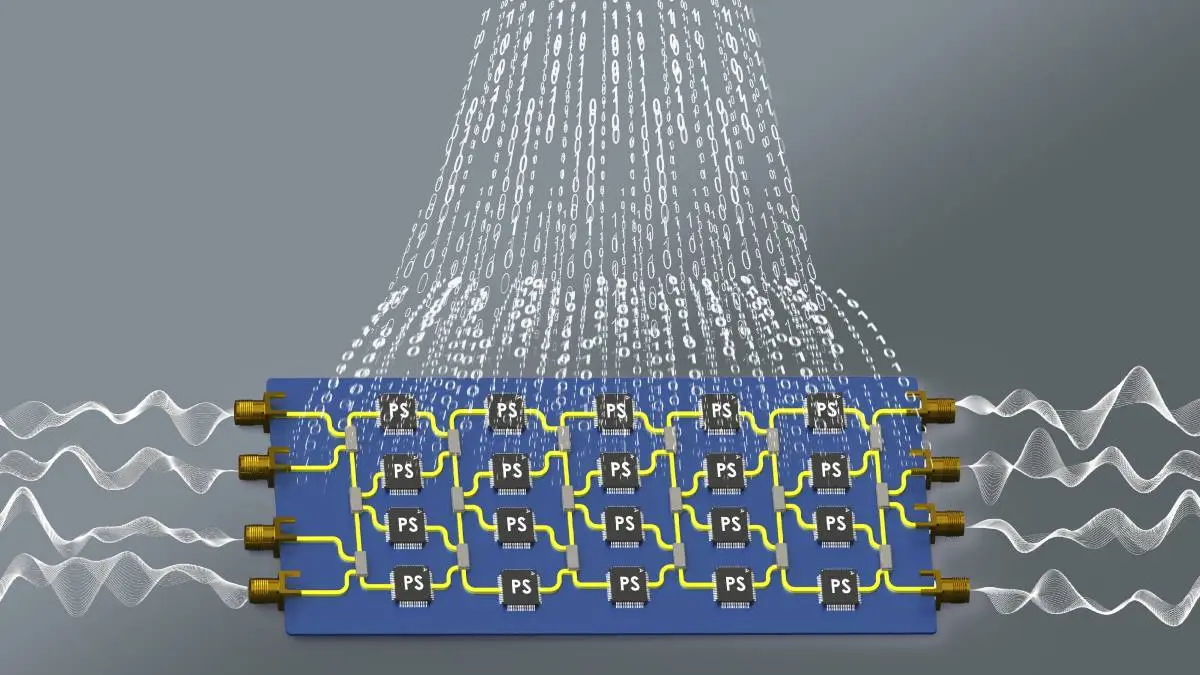
Challenges to Overcome
Scientists are still working on making the technology reliable and easy to use. Building practical devices and integrating them with existing systems takes time and research.

The Future Outlook
Experts believe that light-speed analog computing holds great promise. As research progresses, it could become a powerful tool in advancing technology and solving problems beyond today's computers.
)
)
)
)
)