What is 'Kaveri Engine' and why life of India's Tejas Mk2 fighter jet depends on it?

India’s quest for self-reliance in defence manufacturing hinges on one of its most ambitious and challenging projects: the Kaveri engine. Designed to power India’s indigenous fighter jets, the Kaveri has been in the works for decades
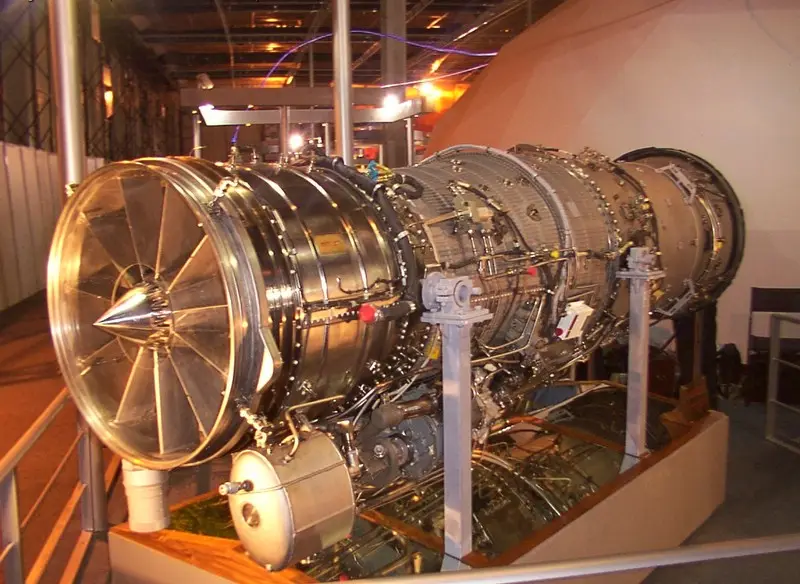
What is the Kaveri Engine?
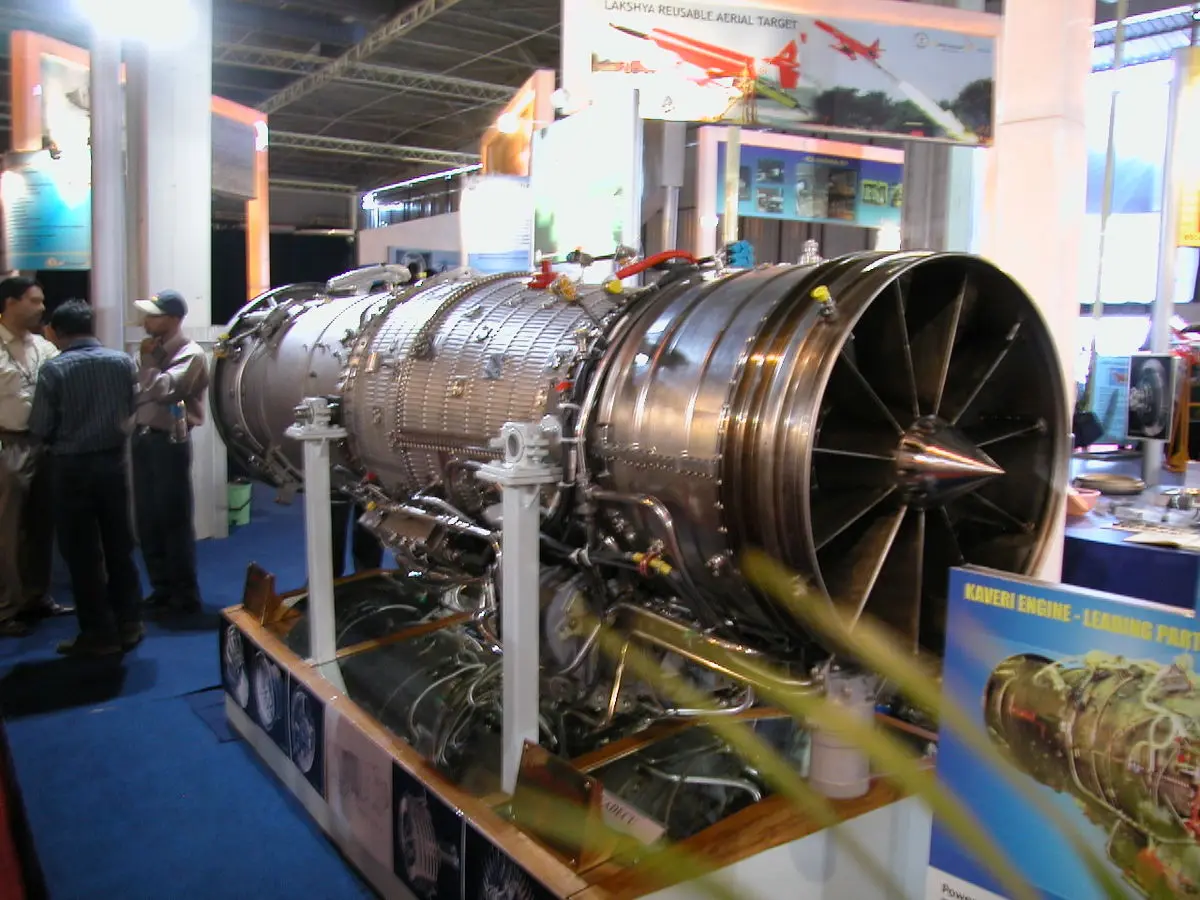
The Kaveri engine is an indigenous jet engine developed by the Gas Turbine Research Establishment (GTRE), a lab under India’s DRDO (Defence Research and Development Organisation). It was originally envisioned in the 1980s to power India’s Light Combat Aircraft (LCA), the Tejas. A turbofan engine with an afterburner, the Kaveri is designed to generate around 90–100 kN of thrust, making it suitable for light to medium class fighter jets.
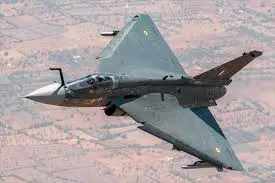
Why It Still Isn’t Operational
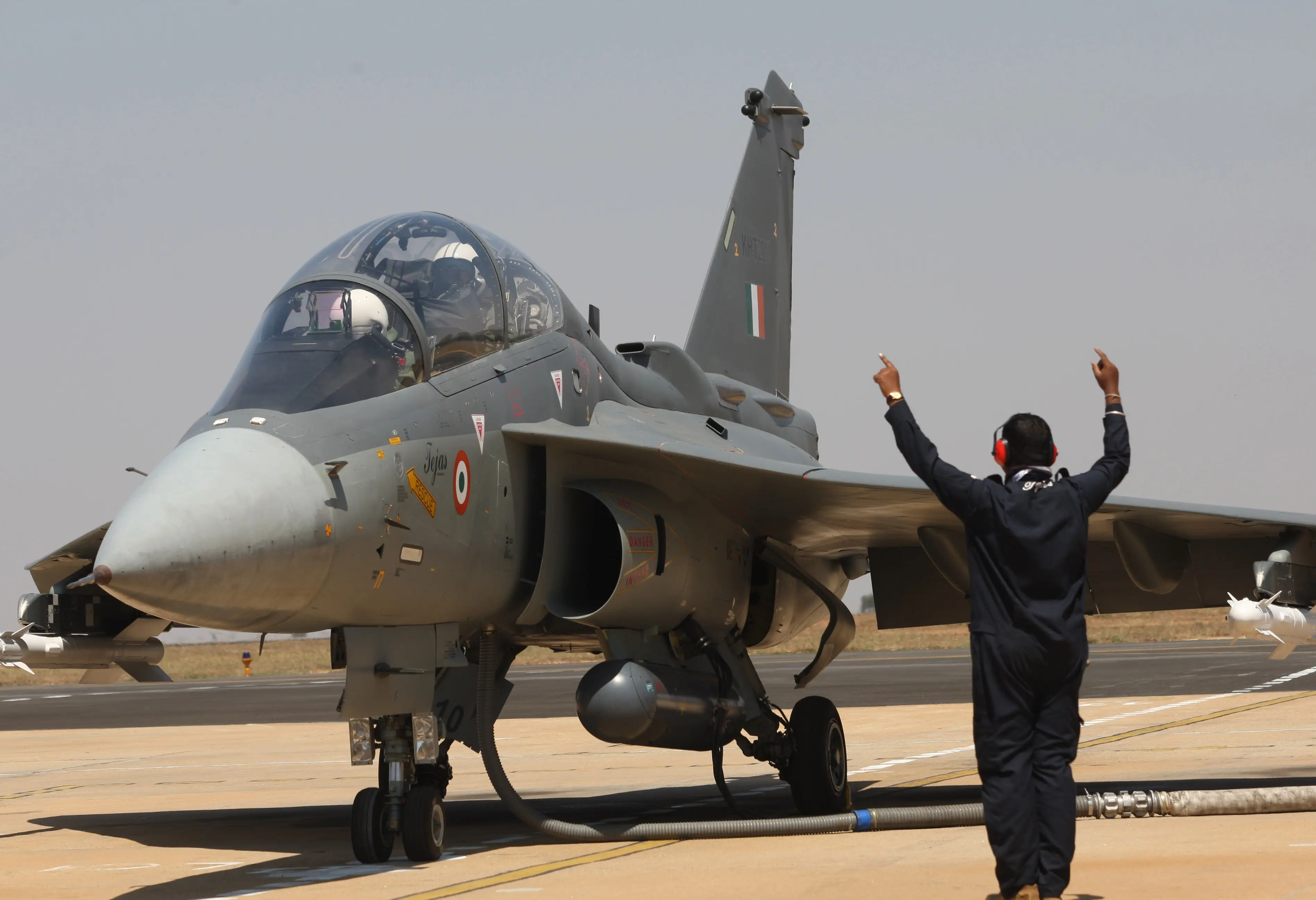
Despite years of testing and development, the Kaveri engine has never been declared fully airworthy. It has faced persistent issues with weight, thrust output, and endurance. Even though it underwent flight trials on an Il-76 testbed in Russia and ground testing in India, it still lags behind global competitors like the GE F404 or Eurojet EJ200 in terms of performance. As a result, Tejas Mk1 uses the GE F404 engine, and Tejas Mk2 is planned to use the more powerful GE F414.
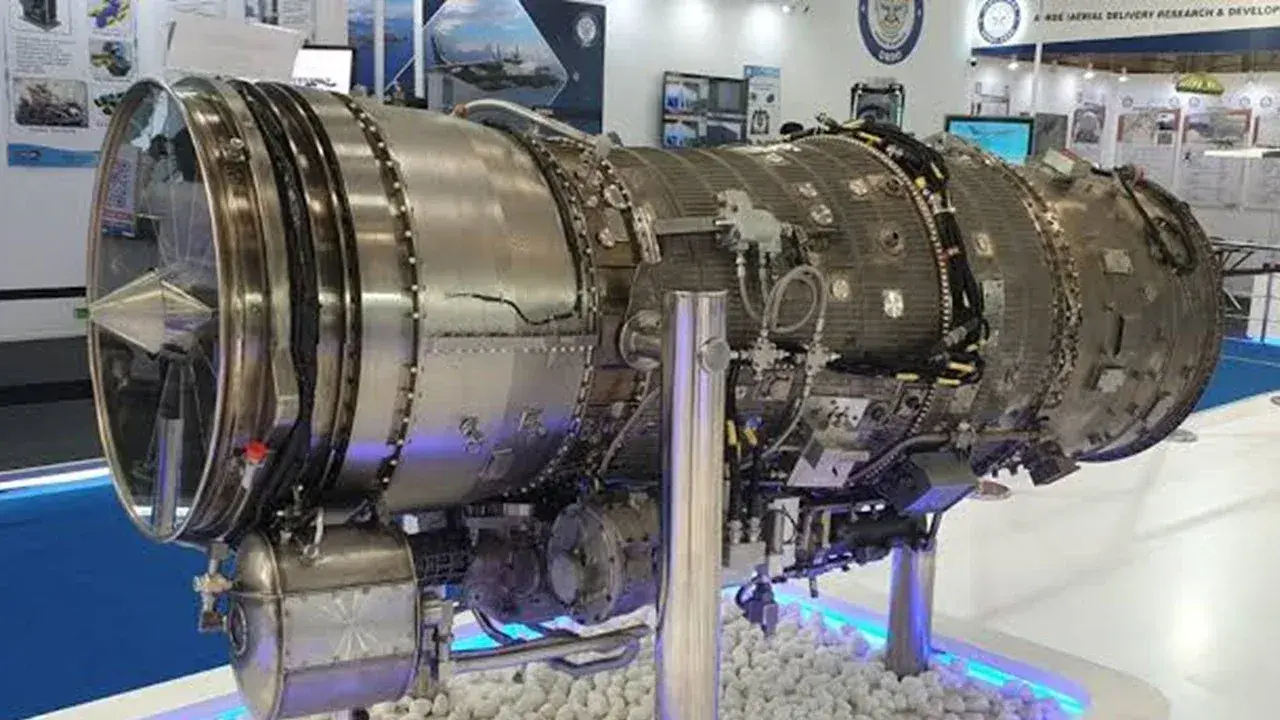
Why It Still Isn’t Operational
Despite years of testing and development, the Kaveri engine has never been declared fully airworthy. It has faced persistent issues with weight, thrust output, and endurance. Even though it underwent flight trials on an Il-76 testbed in Russia and ground testing in India, it still lags behind global competitors like the GE F404 or Eurojet EJ200 in terms of performance. As a result, Tejas Mk1 uses the GE F404 engine, and Tejas Mk2 is planned to use the more powerful GE F414.
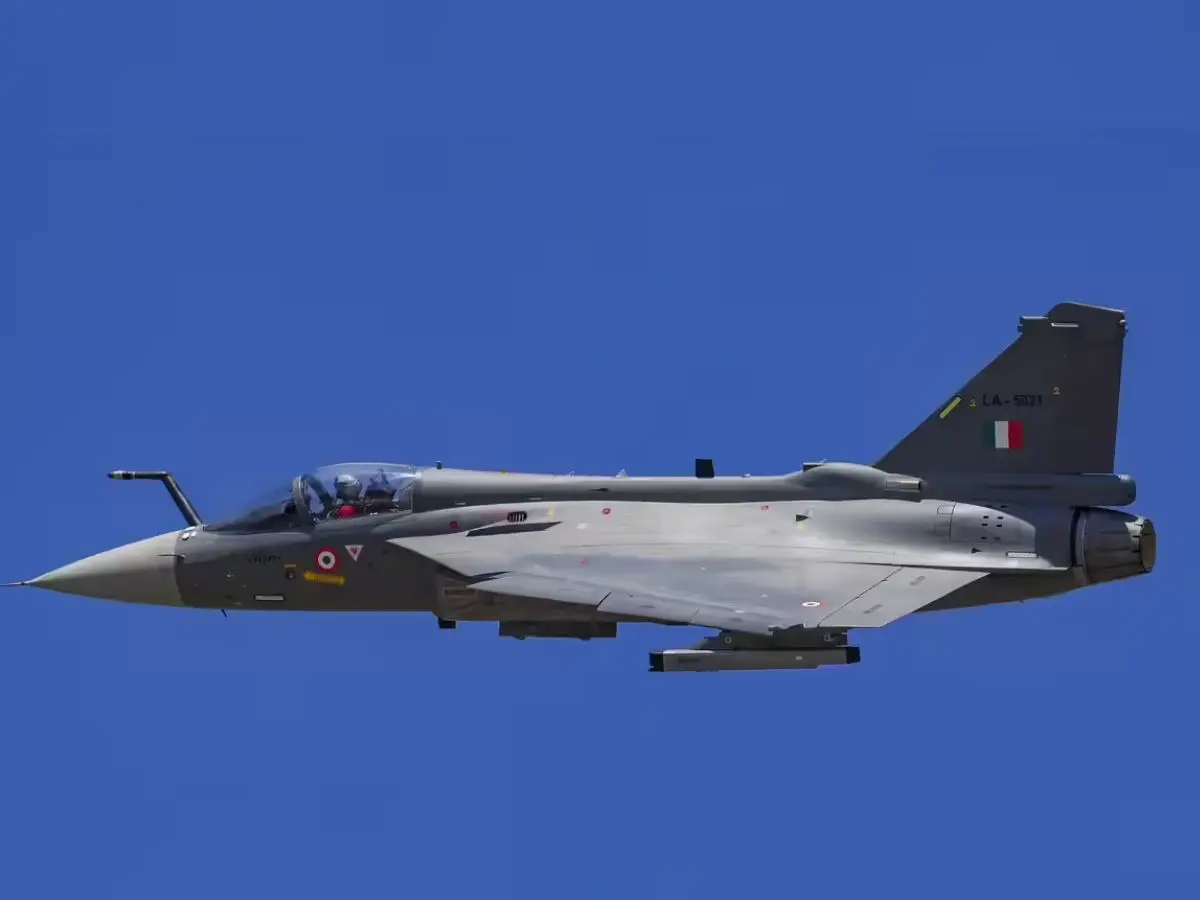
Why the Tejas Mk2 Needs It in the Long Run
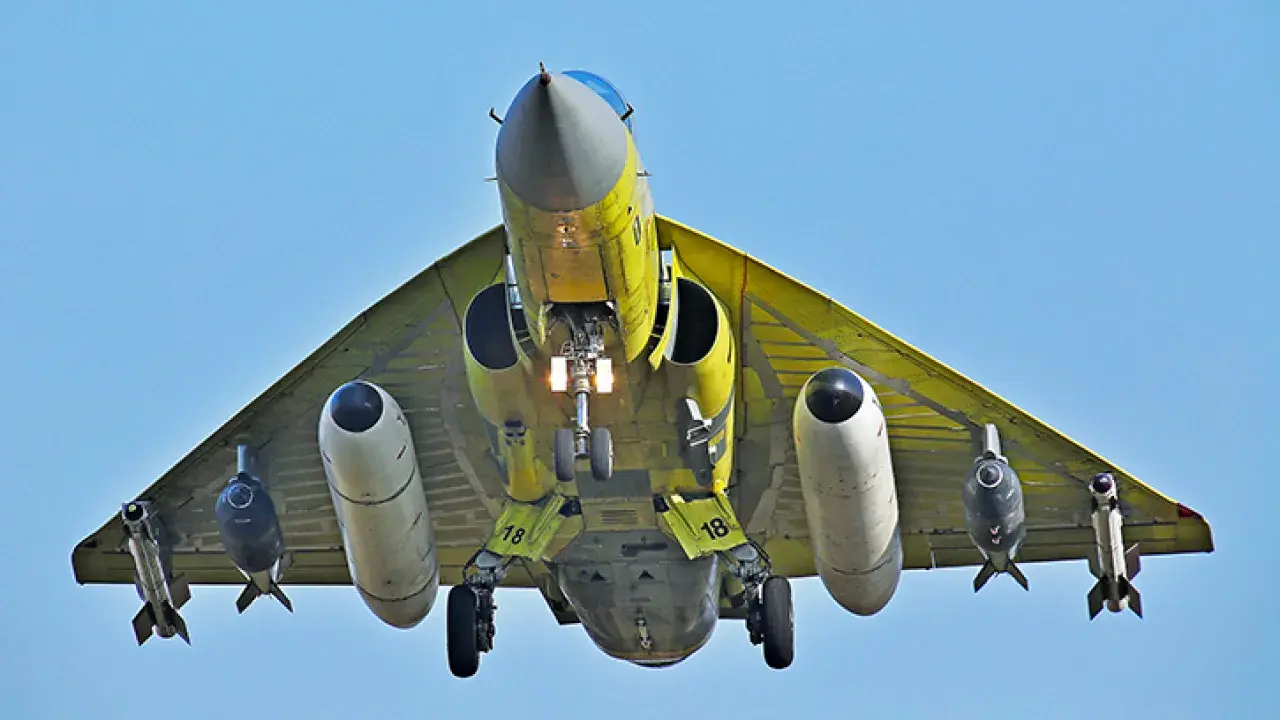
Tejas Mk2, also known as the Medium Weight Fighter (MWF), is India’s next-gen upgrade with enhanced payload, range, and avionics. While it will begin its life using the American GE F414 engine, relying on foreign engines poses long-term strategic vulnerabilities, especially during geopolitical tensions or sanctions. If India wants full control over its fighter jet program, it eventually needs an indigenous powerplant. That’s where the Kaveri comes in.
The French Connection: Safran’s Collaboration
India has now partnered with French engine maker Safran to revive and upgrade the Kaveri engine. This includes using Safran’s expertise to fix core design issues and potentially develop a higher-thrust variant suited for the Mk2 or future unmanned combat aerial vehicles (UCAVs). The collaboration might lead to a modified Kaveri derivative that could be certified in the coming years, possibly around 2027–28.
Strategic Autonomy at Stake
Without its own engine, India will always be dependent on external suppliers for its most critical defence technology. Jet engines are the holy grail of aerospace engineering, and very few countries have mastered them. Achieving a working Kaveri engine won’t just help Tejas Mk2— it will set the foundation for India's 5th-gen AMCA fighter, twin-engine deck-based fighters, and future drones. It's not just about one aircraft—it's about India's ability to power its entire defence ecosystem.
Bottom Line
Tejas Mk2 might take off with a foreign heart, but it can only become truly Indian if the Kaveri engine succeeds. The project isn’t just about engineering, it’s about sovereignty, sustainability, and self-reliance. And that makes the Kaveri engine far more than a mechanical component—it’s the soul of India's aerospace future.
)
)
)
)
)