What is K-5 nuclear missile & is India closing Bay of Bengal to test it?

The missile’s planned range is 5,000–6,000 km, significantly expanding India’s reach compared to the existing K-15 and K-4 systems. Some reports suggest it may support MIRV capability, allowing multiple warheads to hit separate targets.
1. India’s Next Big SLBM
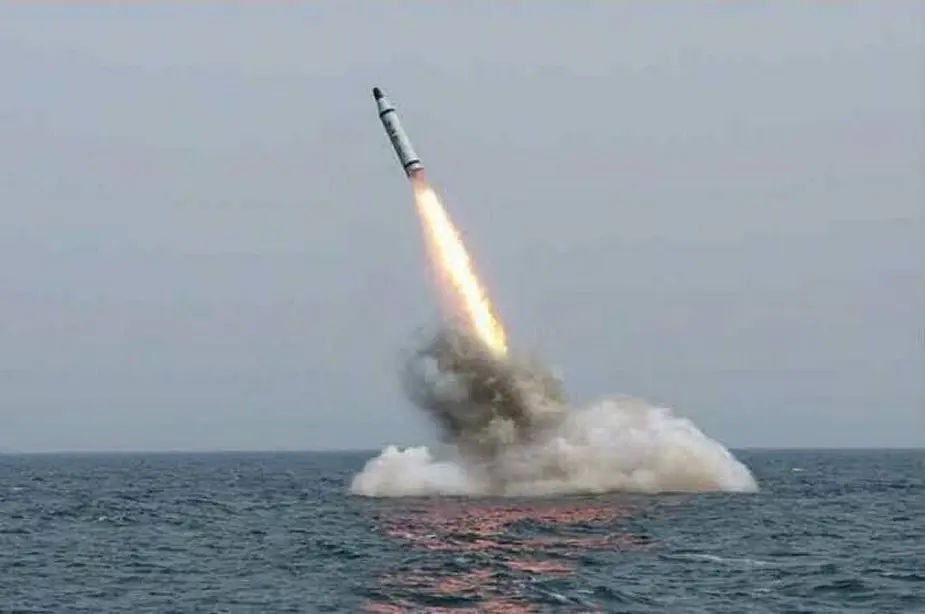
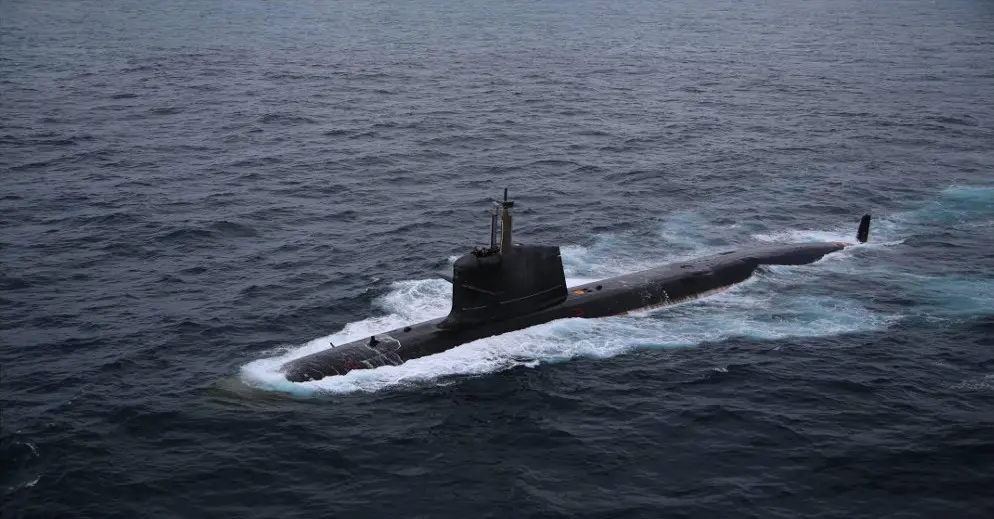
The K-5 is India’s upcoming submarine-launched ballistic missile (SLBM) being developed by DRDO. It’s part of the secretive K-series, built exclusively for India’s sea-based nuclear deterrent. The missile is meant to be launched from the Arihant-class nuclear submarines, giving India long-range strike capability from underwater.
2. Nuclear-Capable by Design
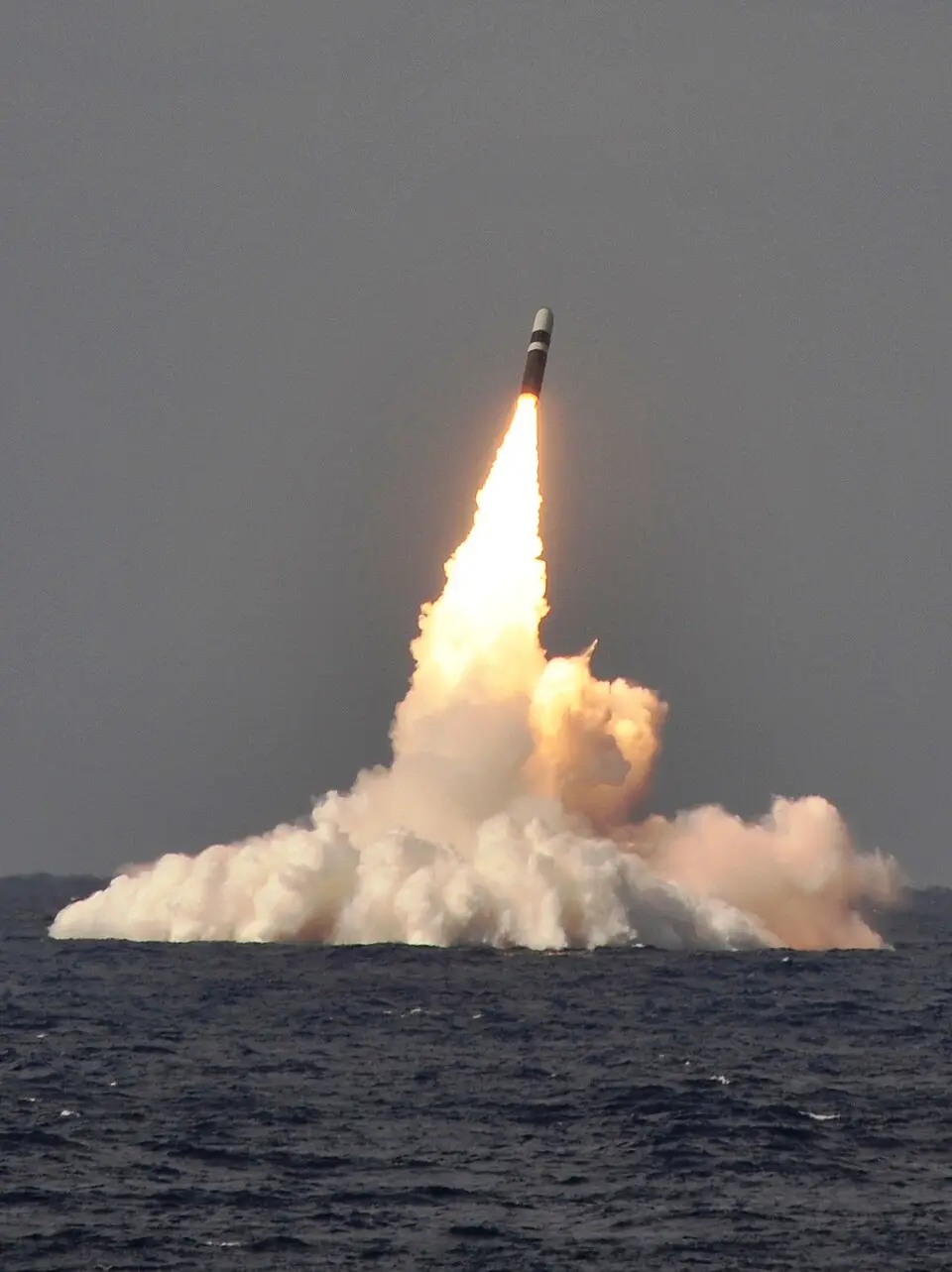
K-5 is engineered to carry nuclear warheads, with a payload capacity of around 1–2 tonnes. SLBMs in India are designed only for strategic nuclear roles, not conventional warfare, so K-5 directly strengthens the country’s second-strike capacity under the nuclear doctrine.
3. 5,000+ km Strike Range
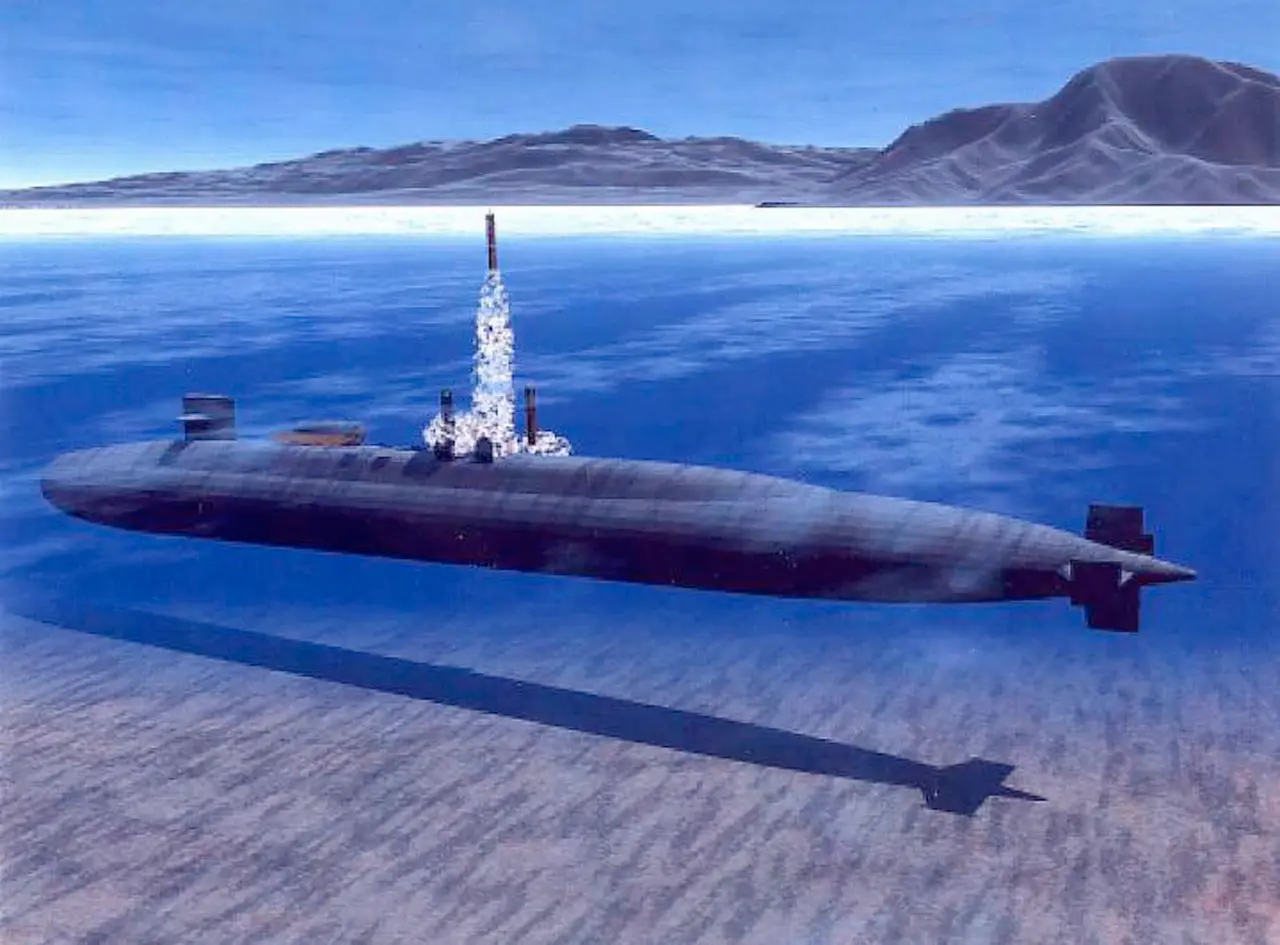
The missile’s planned range is 5,000–6,000 km, significantly expanding India’s reach compared to the existing K-15 and K-4 systems. Some reports suggest it may support MIRV capability, allowing multiple warheads to hit separate targets.
4. Under Development, Not Yet Tested Fully
K-5 is still officially under development. DRDO recently completed a successful static test of the Stage-2 rocket motor, but a full underwater launch or integrated flight test has not yet been publicly confirmed. It is advancing, but it’s not an inducted or validated weapon yet.
5. Bay of Bengal Test Window Sparks Speculation
India has issued a NOTAM (no-fly/no-sail zone) for a major missile test in the Bay of Bengal between December 6–8. This is normal protocol before testing long-range missiles, but the government has not named the missile in any official communication.
6. No Confirmation It Is K-5
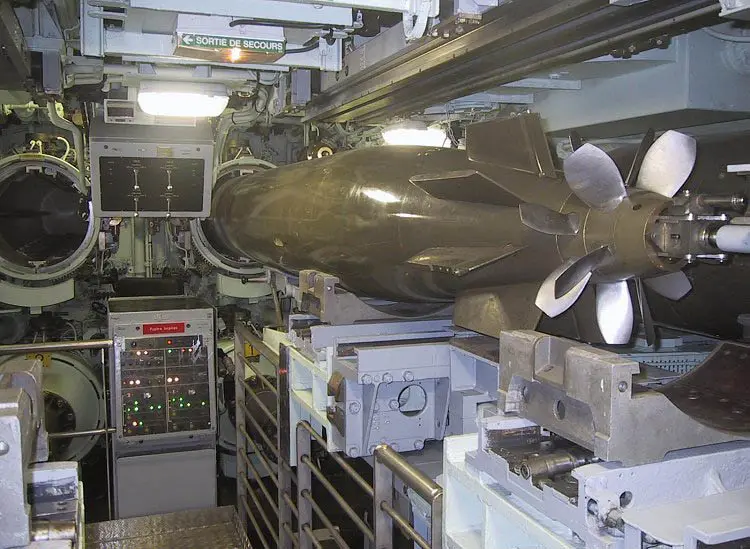
While defence watchers linked the NOTAM to a potential K-5 test, there is no confirmation that the missile being tested is K-5. The alert could be for any strategic missile, surface, sea-based, or a different developmental system. So saying “India is testing K-5” is still speculative, not factual.
7. Why K-5 Matters if It Is Tested
If India does test K-5, especially from a submarine, it would mark a major milestone in operationalising the nuclear triad, giving India a harder-to-detect, survivable second-strike platform. But until an official announcement or debris trajectory analysis confirms it, K-5’s test remains a possibility, not a certainty.

)
)

)