What is Iran’s MIRV technology that has left Israel concerned?

In recent weeks, intelligence reports and defence experts have highlighted Iran’s growing advances in MIRV, a development that is raising alarms in Israel’s defence circles. Here’s what this technology is and why it matters:
What Is MIRV Technology?
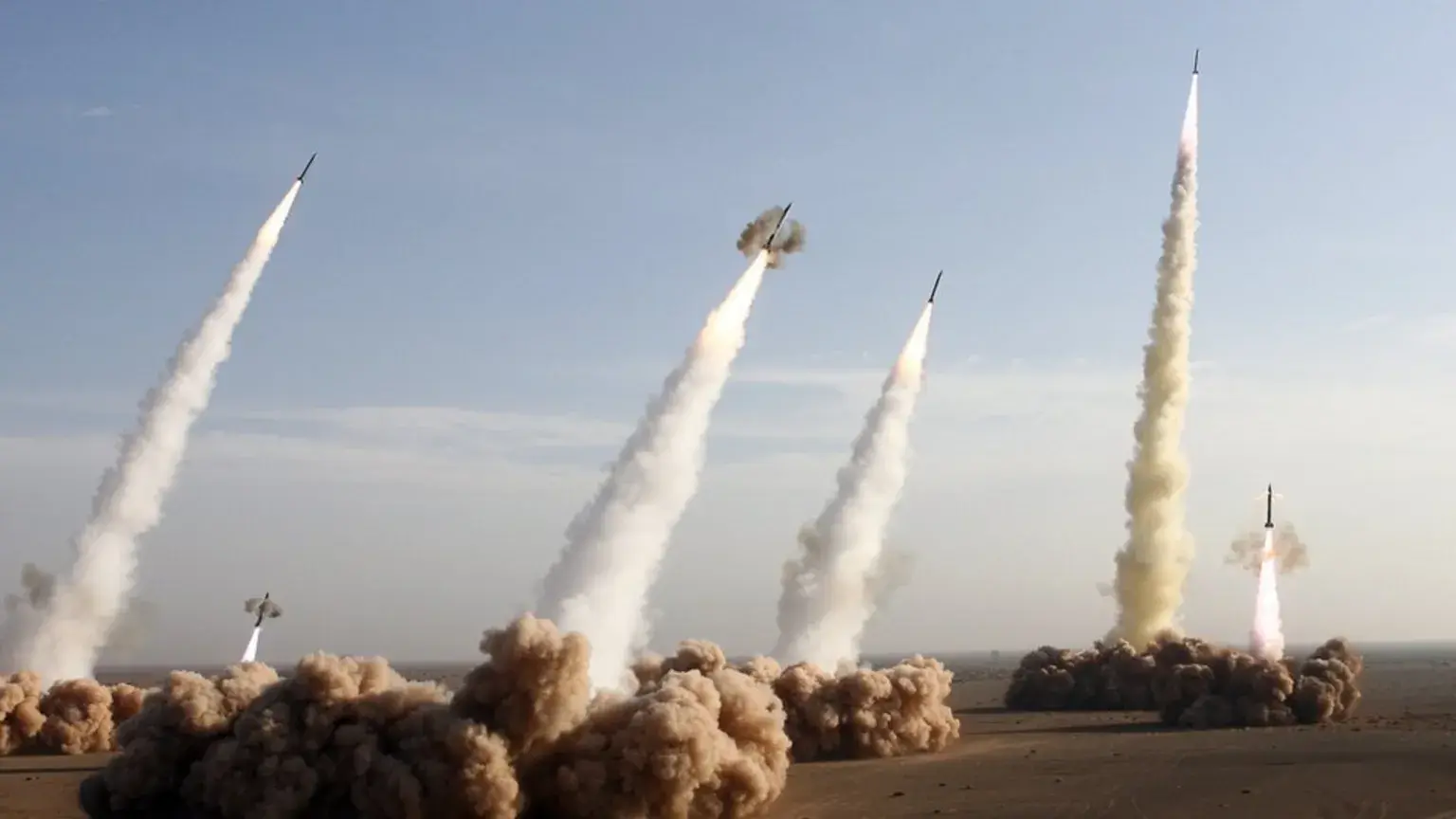
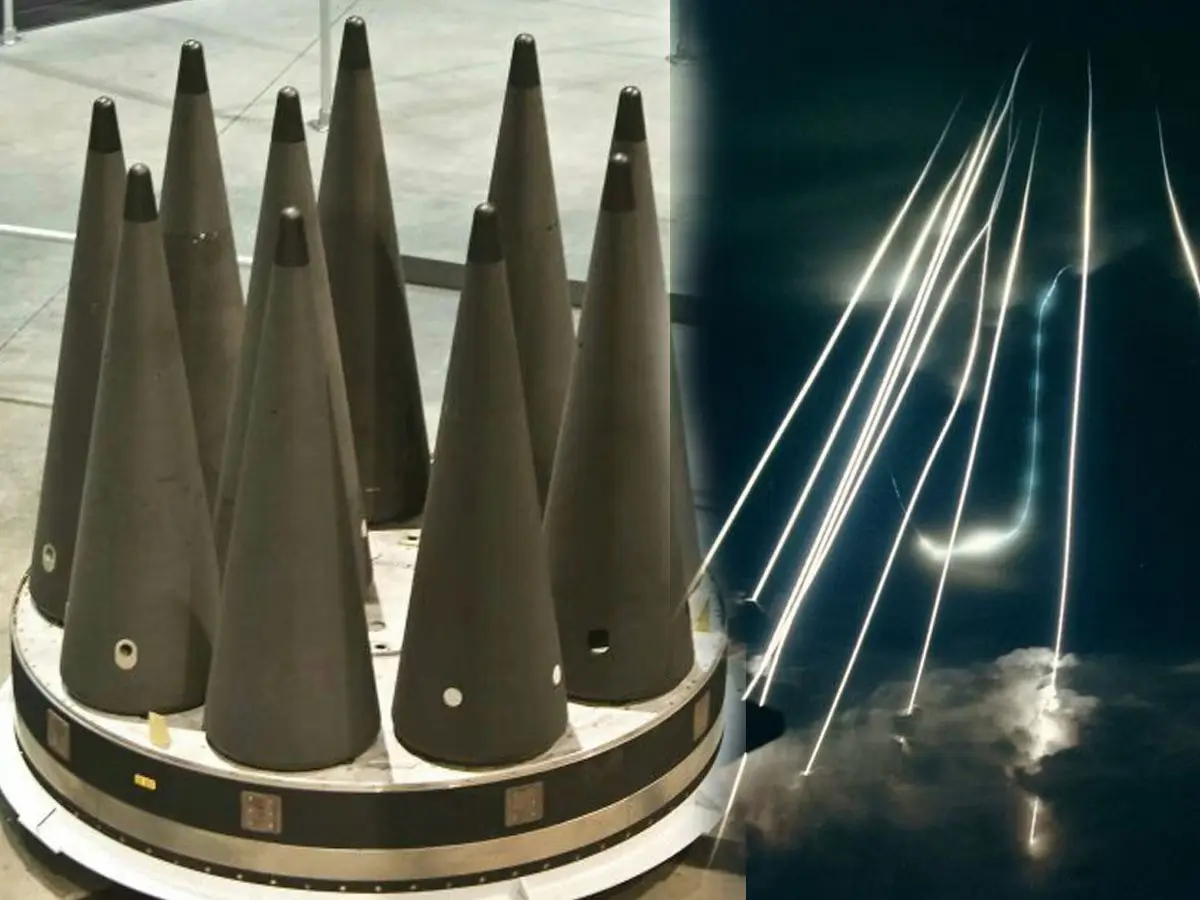
MIRV stands for Multiple Independently Targetable Re-entry Vehicle. It allows a single missile, typically a long-range ballistic missile, to carry multiple nuclear or conventional warheads. Each warhead can be aimed at different targets, or at the same target from multiple angles.
How Does It Work?
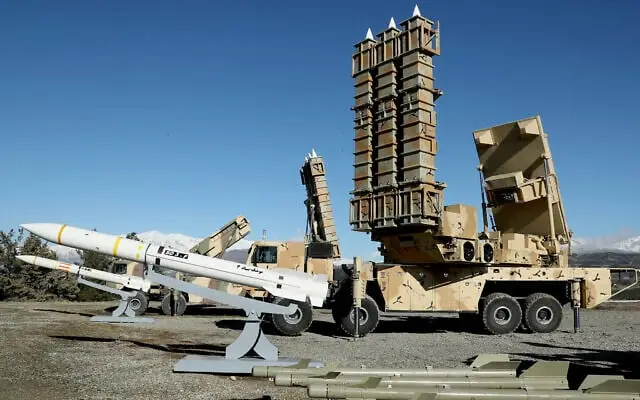
After launch, the missile travels into space. Once it reaches the required altitude and speed, it deploys several warheads, each fitted with its own re-entry vehicle and guidance system. These warheads then independently re-enter the Earth’s atmosphere at high speed and strike their assigned targets.

Why Is This a Threat to Israel?
Israel’s current missile defence systems, such as Iron Dome, David’s Sling, and Arrow-3, are designed to intercept single incoming missiles. MIRV missiles could overwhelm these defences by launching multiple warheads simultaneously or by saturating defences with decoys and real warheads. This makes it much harder to intercept all threats.
Iran’s Capability So Far
Until now, Iran’s missile programme was focused on single-warhead ballistic missiles like the Shahab series or Sejjil. Reports now suggest that Iranian engineers have developed MIRV-capable systems potentially deployable on new missile models, possibly derived from Khorramshahr or Fattah platforms. Testing of MIRV prototypes may already be underway.
Implications for the Region
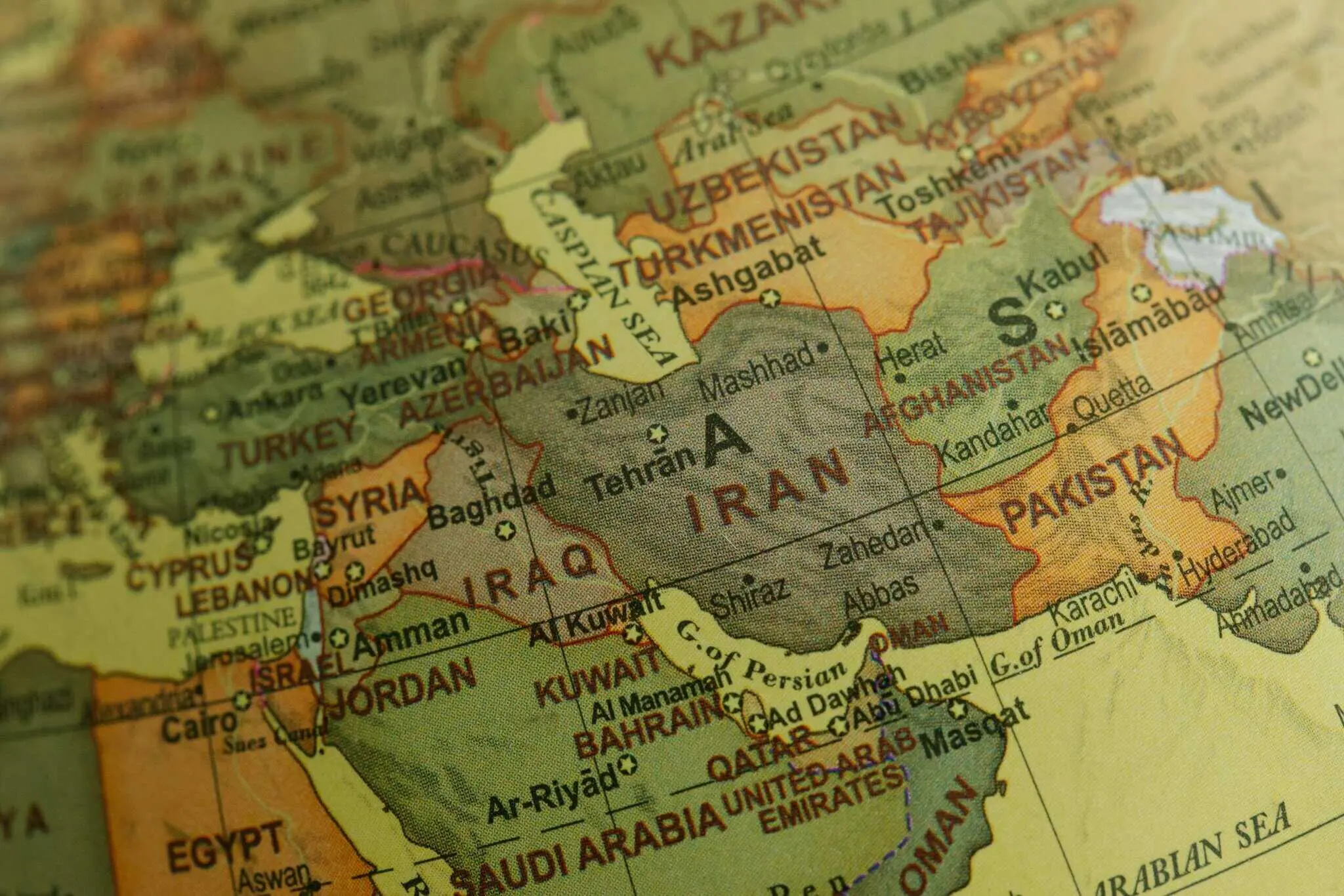
If Iran deploys operational MIRV missiles, the balance of power in the Middle East could shift. Israel would have to upgrade its defence networks or rely more on pre-emptive doctrines. MIRVs could also complicate US and allied responses in the region, making the threat of nuclear or large-scale missile warfare more serious.
Global Reactions
Western intelligence agencies are closely monitoring these developments. The introduction of MIRV missiles could trigger a regional arms race and new rounds of sanctions and diplomatic efforts to contain Iran’s missile and nuclear ambitions.
MIRV missile technology
Iran’s apparent progress on MIRV missile technology represents a significant leap in capability. It challenges current missile defence systems and raises the risk of miscalculation or escalation. For Israel and other nations in the region, this is a development too serious to ignore.
Disclaimer: WION takes utmost care to accurately and responsibly report ongoing developments in the Israel-Iran conflict. In this context, claims and counterclaims are being made online and offline. However, we cannot independently verify the authenticity of all statements, photos, and videos.
)
)
)
)
)