What is India’s SBS-3 programme and how it strengthens surveillance over Pakistan?

Beyond Pakistan, SBS-3 will act as a force multiplier across India’s northern borders with China and across the vast Indian Ocean Region.
1. India’s Largest Space Surveillance Project Has Already Begun
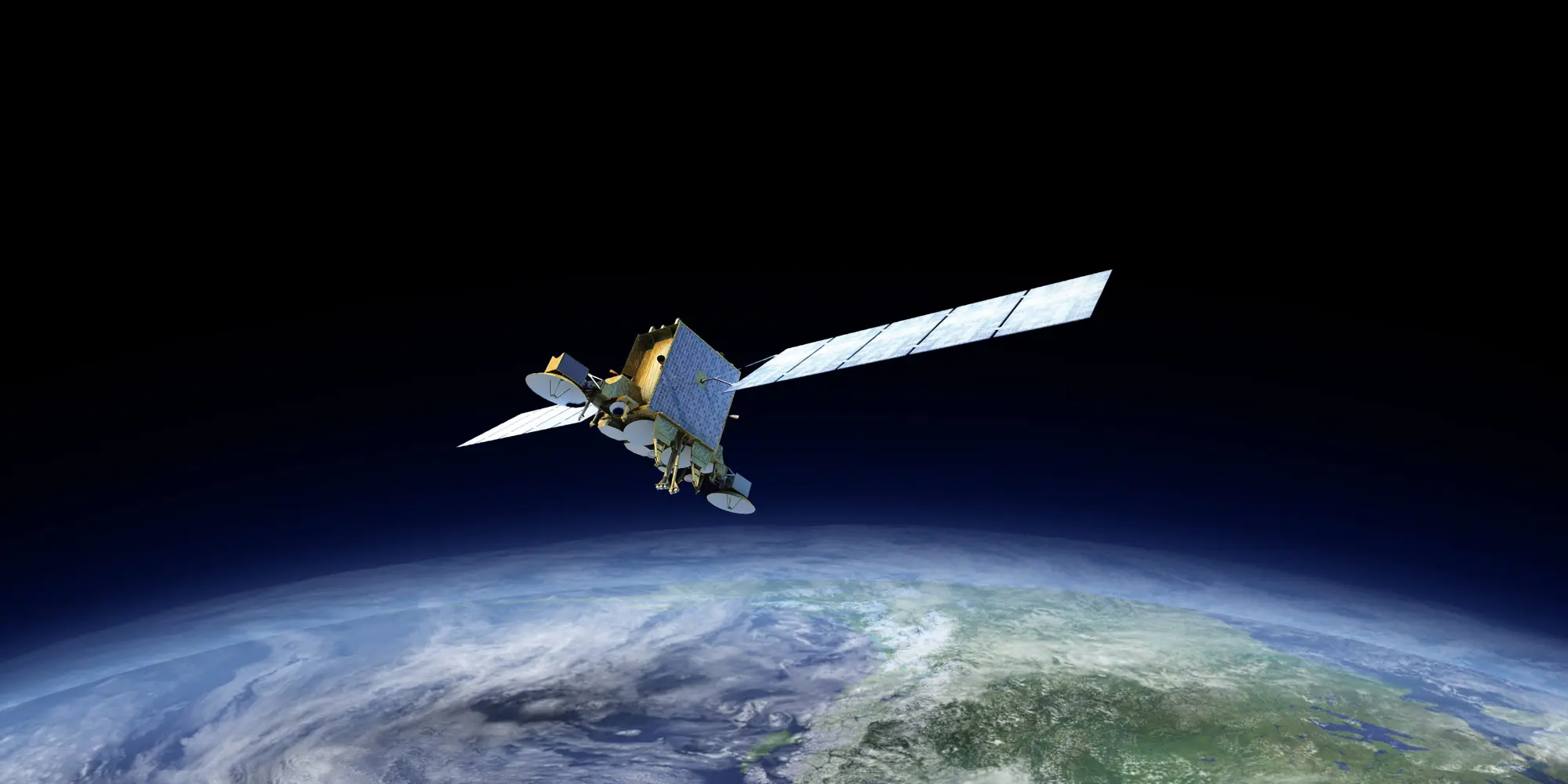
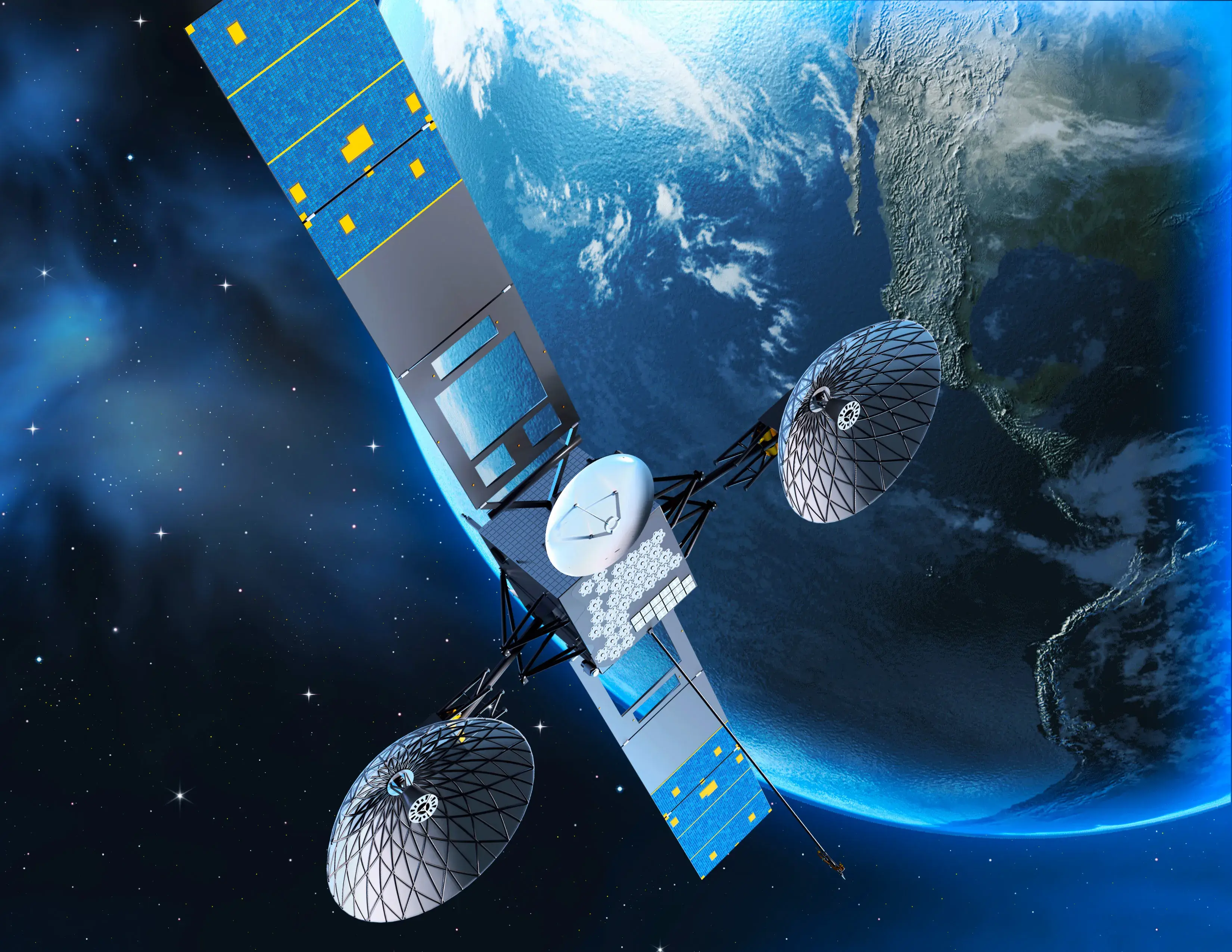
The Space-Based Surveillance-III (SBS-3) programme is already underway after receiving approval from the Cabinet Committee on Security in October 2023. Unlike earlier surveillance projects, SBS-3 is a long-term, multi-phase defence space initiative aimed at giving India continuous, high-resolution intelligence from orbit. Work on satellite design, sensor integration and private-sector coordination has already started, making SBS-3 one of the most ambitious surveillance projects India has ever undertaken. It marks India’s shift toward a constellation-based model rather than relying on a handful of satellites.
2. A Decade-Long Plan To Deploy 52 Satellites
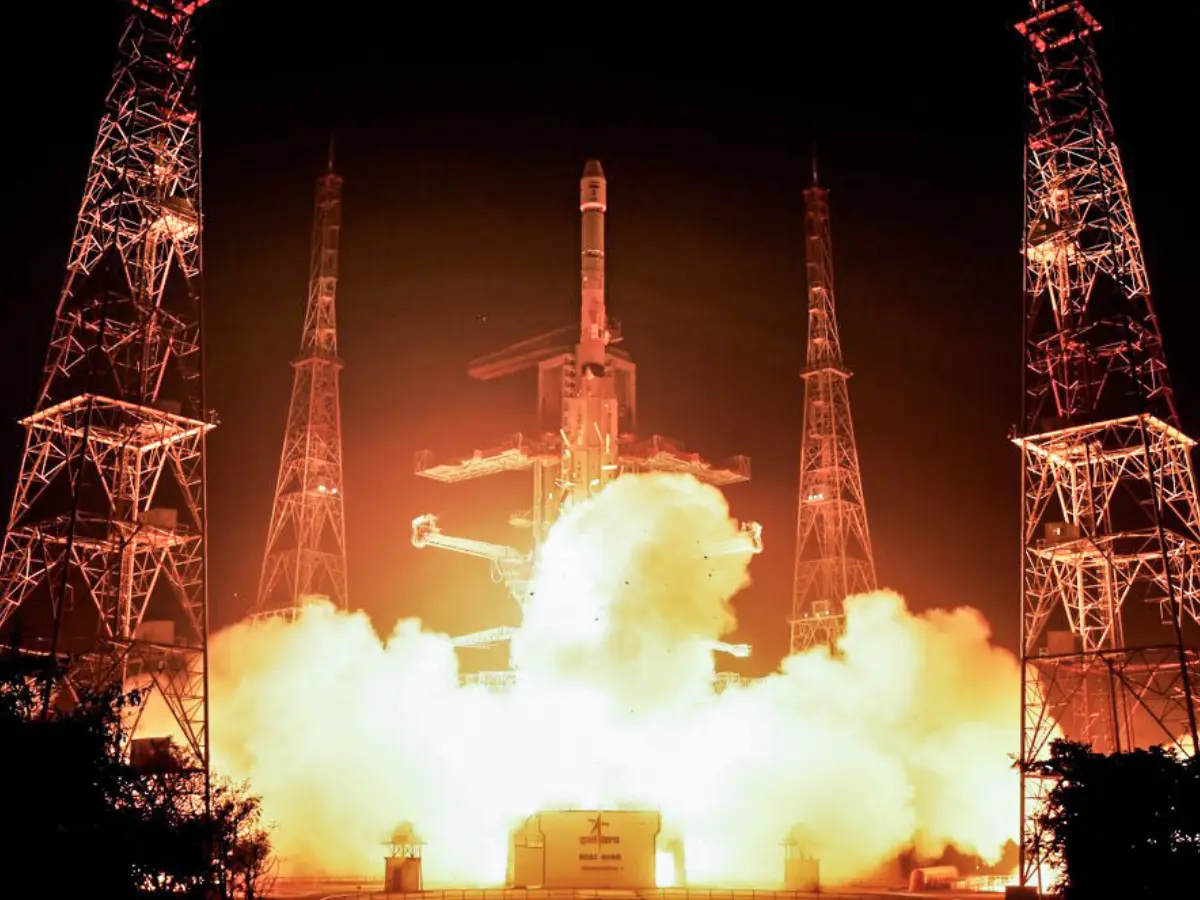
SBS-3 involves building and launching 52 dedicated surveillance satellites over the next decade, creating a dense and persistent observation network. ISRO will build 21 satellites, while 31 satellites will come from Indian private aerospace companies, the largest private contribution to any Indian military space programme. The first satellites are scheduled for launch around 2026, but manufacturing, testing and integration work is already ongoing. By spreading launches over nearly ten years, India ensures steady capability upgrades and continuous expansion of its surveillance grid.
3. What SBS-3 Satellites Will Do
The constellation will combine multiple satellite types, including electro-optical cameras, synthetic aperture radar (SAR), infrared sensors, and signals-intelligence payloads, to cover everything from troop movements to missile deployments. These satellites will operate in low-earth orbits, giving India more frequent imaging of sensitive regions. The mixed sensor suite allows observation even at night, through clouds, and in adverse weather. SBS-3 therefore transforms India’s ability to gather intelligence in real time, something essential for modern warfare and rapid military decision-making.
4. How SBS-3 Improves India’s Surveillance Over Pakistan
Once fully deployed, SBS-3 will allow India to watch Pakistani military bases, border deployments and strategic installations with far greater resolution and frequency than ever before. High-revisit satellites will capture imagery multiple times a day, enabling India to detect unusual activity such as sudden troop mobilisations, asset relocations or infrastructure expansion. SAR satellites can reveal underground bunker construction, runway repairs and concealed equipment, even if Pakistan attempts camouflage or night-time movements. This gives India a major advantage in early warning and strategic intelligence.
5. AI Will Make Indian Satellites Smarter and More Autonomous
A defining feature of SBS-3 is the introduction of AI-enabled onboard processing, which reduces reliance on ground stations and speeds up analysis. Satellites will be capable of flagging anomalies, prioritising urgent imagery, filtering out irrelevant data and coordinating with other satellites automatically. This means intelligence agencies receive refined, actionable information instead of raw data dumps. AI will also help the satellites detect patterns, such as repeated vehicle movement, equipment buildup or unusual thermal signatures — making India’s surveillance system more predictive than reactive.
6. SBS-3 Strengthens India’s Border and Maritime Security
Beyond Pakistan, SBS-3 will act as a force multiplier across India’s northern borders with China and across the vast Indian Ocean Region. The constellation will track naval vessels, submarines, foreign drones, and maritime trade lanes, helping India secure choke points and monitor hostile activity. For the Army and Air Force, SBS-3 will support real-time battlefield awareness along the Line of Control (LoC) and the Line of Actual Control (LAC). By integrating satellite intelligence with UAVs, aircraft and ground sensors, India enhances its ability to respond quickly to threats.
7. A Strategic Step Toward Competing With China’s Space Surveillance Power
China already operates one of the world’s biggest military satellite networks, giving it extensive intelligence coverage over South Asia. SBS-3 is India’s long-term answer to this capability gap. While the constellation will take years to fully deploy, its implementation has already begun, ensuring India steadily increases its real-time situational awareness. By the time all 52 satellites are in orbit, India will be able to maintain persistent watch over critical regions with its own indigenous space infrastructure, reducing reliance on foreign imagery and enhancing strategic autonomy.
)
)
)
)
)