What is HAMMER weapons system? 70-km range, smart guidance and the weapon India used in Ops Sindoor

HAMMER combines extended range, modular guidance and fire-and-forget capability. The growing significance was reflected during India’s Operation Sindoor, when the weapon system was operationally deployed.
A new chapter in India–France defence cooperation
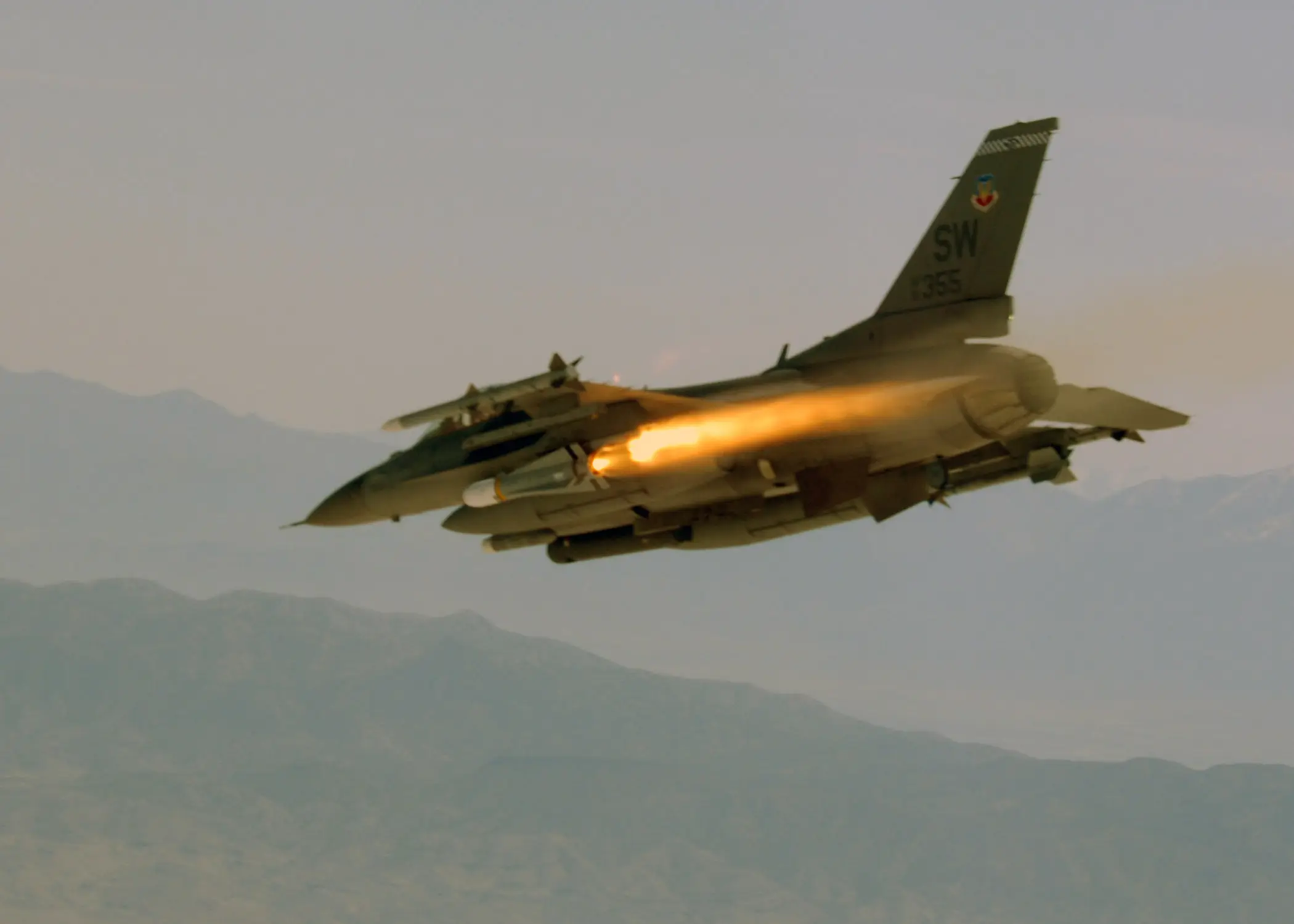
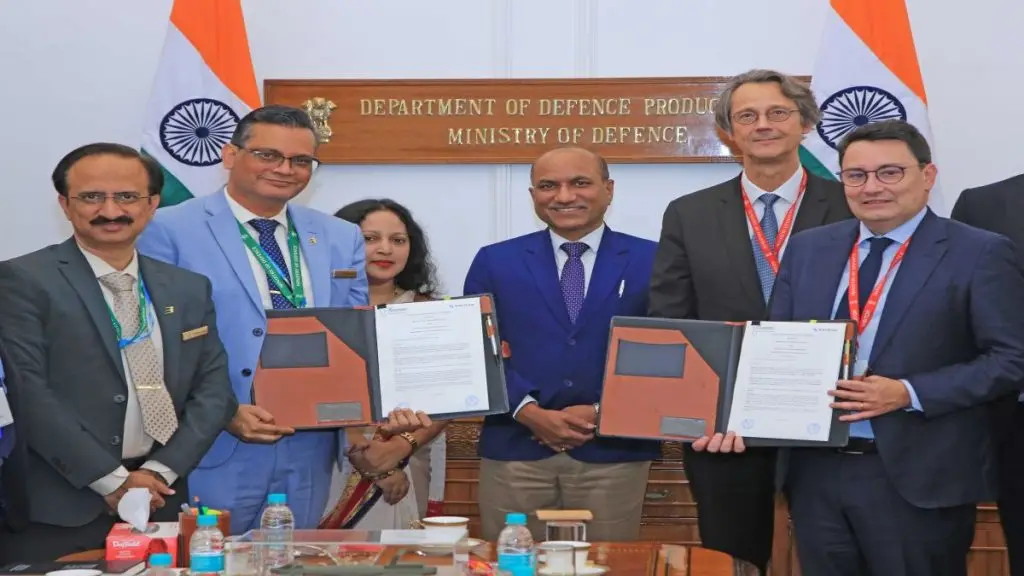
The AASM HAMMER, an all-weather smart air-to-surface weapon developed by France’s Safran Electronics & Defence has emerged as a key precision-strike system in India’s air combat arsenal. HAMMER combines extended range, modular guidance and fire-and-forget capability. The growing significance was reflected during India’s Operation Sindoor, when the weapon system was operationally deployed. Recently, India and France entered a new defence manufacturing agreement, under which Bharat Electronics Limited (BEL) will form a joint venture with Safran to produce and support HAMMER systems domestically, marking a major step in localisation and operational readiness.
What exactly is the AASM HAMMER system
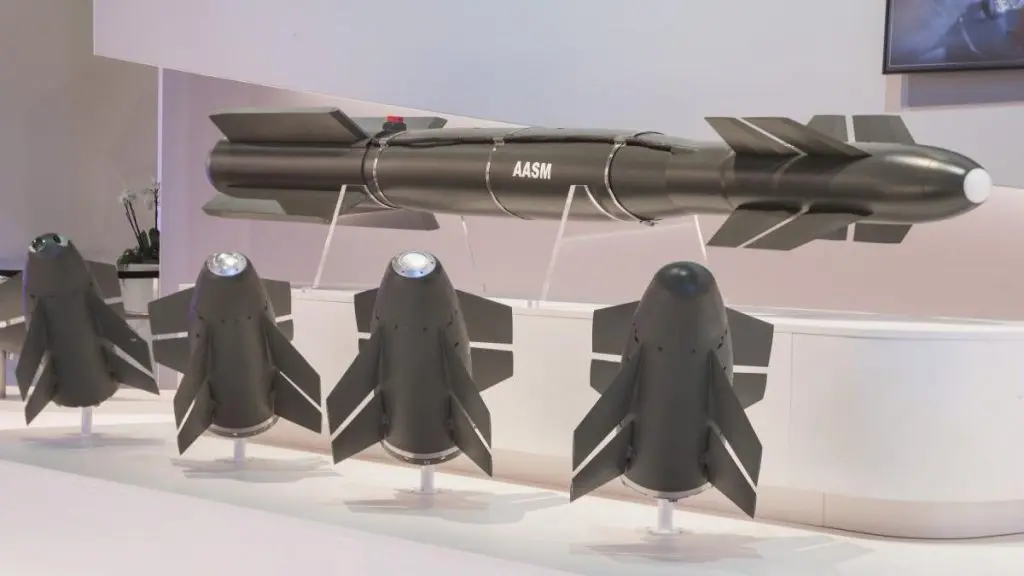
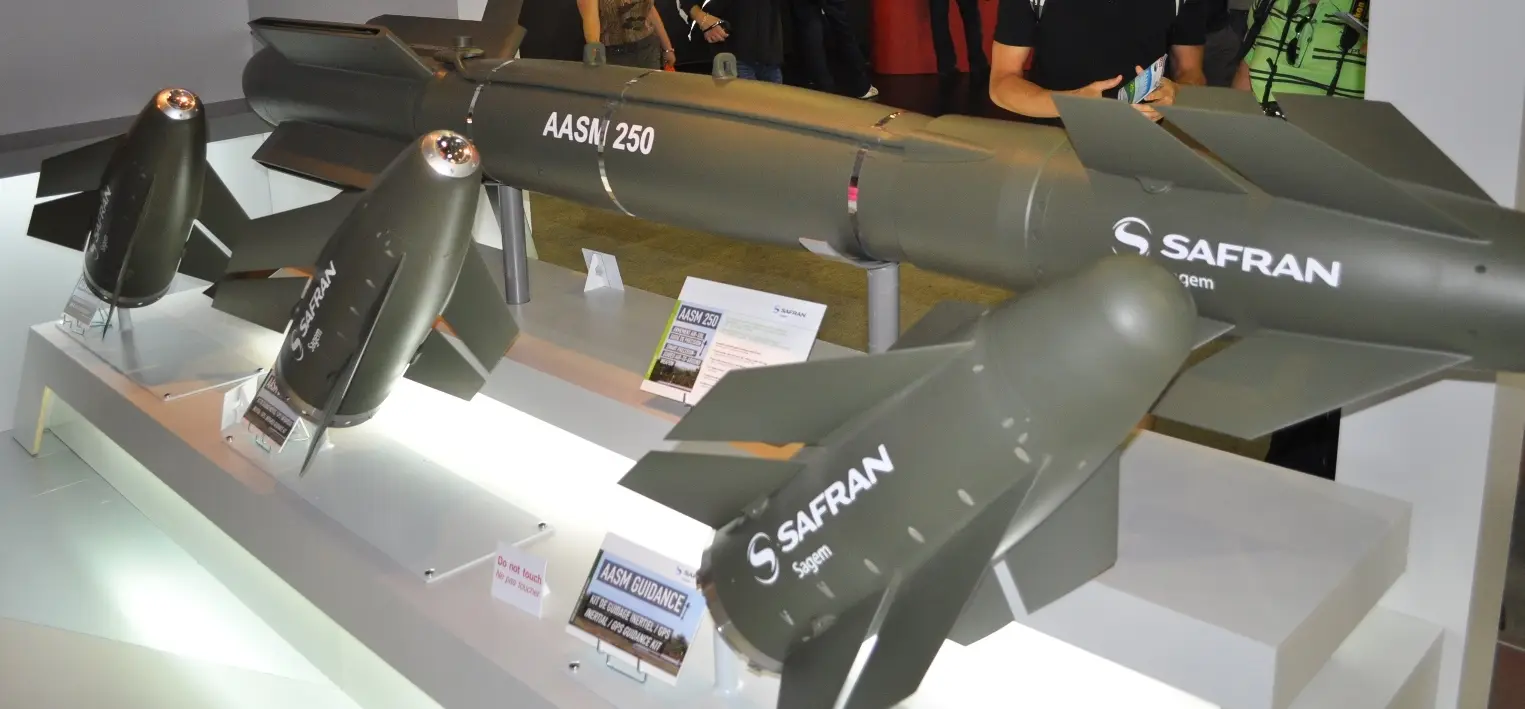
AASM HAMMER, short for Highly Agile Modular Munition Extended Range, is an all-weather, smart air-to-surface weapon which was designed for both close air support and deep strike missions. It was developed by Safran Electronics & Defence and combines conventional bombs with GPS, INS and infrared/semi-active laser guidance kits, converting them into precision stand-off weapons.
Extended range and stand-off capability
One of HAMMER’s defining features is its extended stand-off range. Depending on the variant, the weapon can strike targets at distances of up to 70 kilometres. The booster section consists of a solid propellant rocket engine and four fixed wings. This allows aircraft to engage targets while remaining outside the reach of many air defence systems, a key requirement in modern air combat. According to Safran, it has delivered 99 per cent successful strikes in combat.
Guidance systems and seeker options
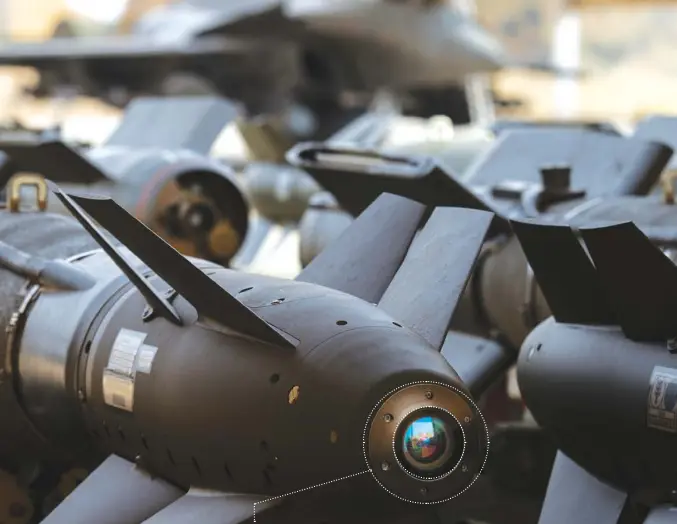
HAMMER’s accuracy comes from its modular guidance architecture. The system is available with three qualified guidance kits: INS/GPS, INS/GPS with infrared seeker, and INS/GPS with semi-active laser guidance. It can carry a total of three qualified guidance kits.
Fire-and-forget and multi-target strikes
The weapon system offers fire-and-forget capability and is designed to be insensitive to jamming. It also supports stand-off firing range from very low to high altitude and can simultaneously engage with multi-target attacks.
Warhead options and platform integration
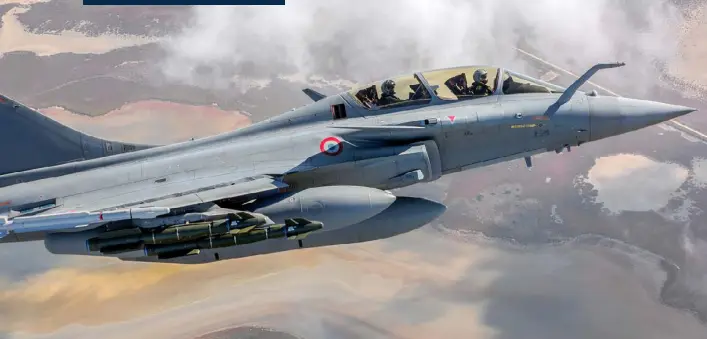
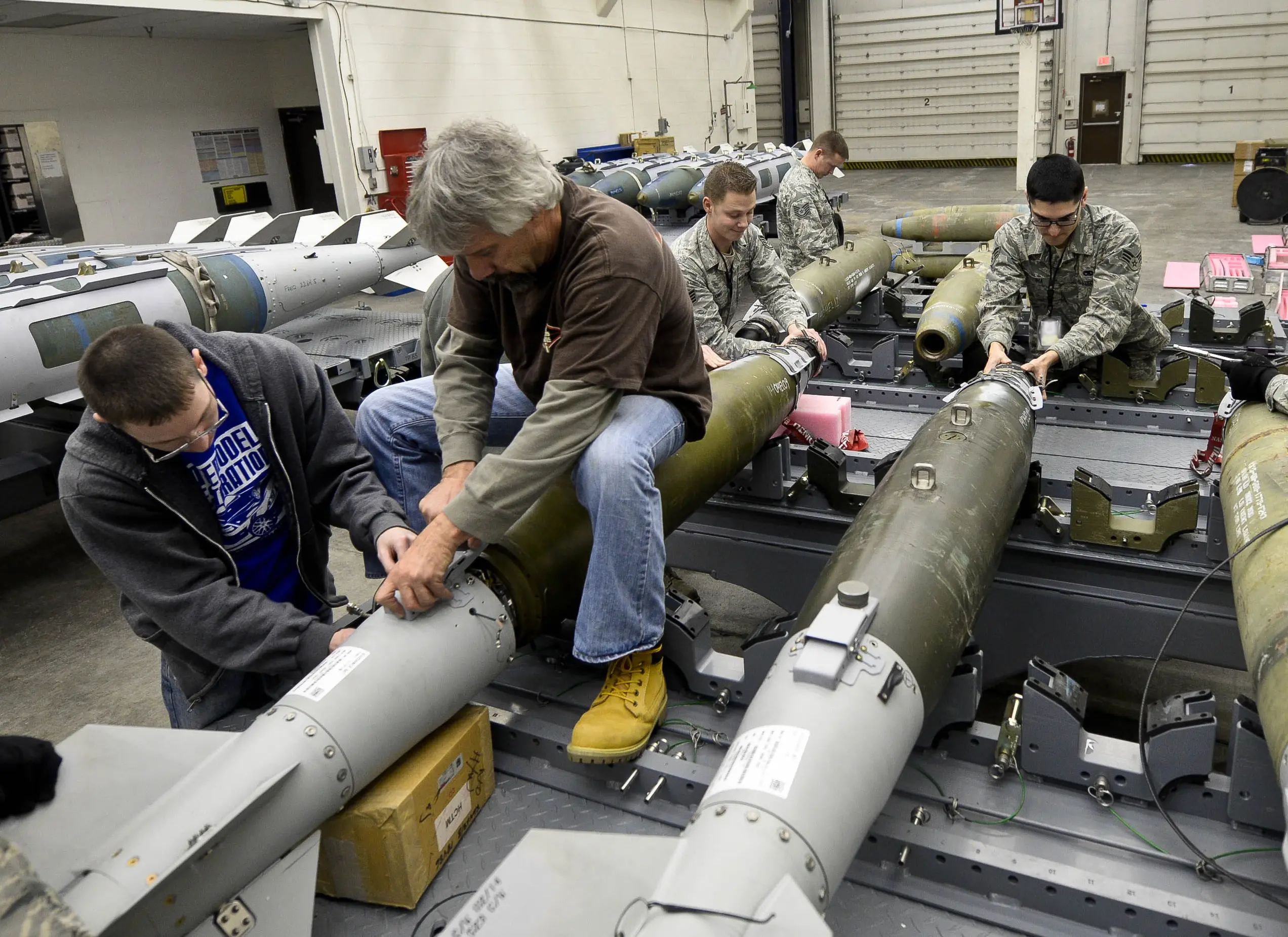
HAMMER is compatible with standard bomb bodies weighing 125 kg, 250 kg, 500 kg and 1,000 kg. This range of warheads allows air forces to tailor payloads to mission requirements. The system has been integrated on the Rafale fighter and is compatible with launch from low altitude over rough terrain.
Indigenous production and operational impact
Under the BEL–Safran joint venture, HAMMER systems will be localised for Indian requirements and integrated with both the Indian Air Force and the Indian Navy. As demonstrated during Operation Sindoor, the combination of range, accuracy and modularity positions HAMMER as a significant addition to India’s precision strike arsenal.
)
)
)
)
)