What is HAL's Tejas fighter jet? A deep dive into India’s indigenous warplane that crashed at Dubai Airshow 2025

The development of the Mk 2 variant will extend the Tejas’ capabilities significantly. If export contracts materialise, the Tejas could serve as a cost-effective alternative in the global market for light combat aircraft.
What is HAL Tejas?
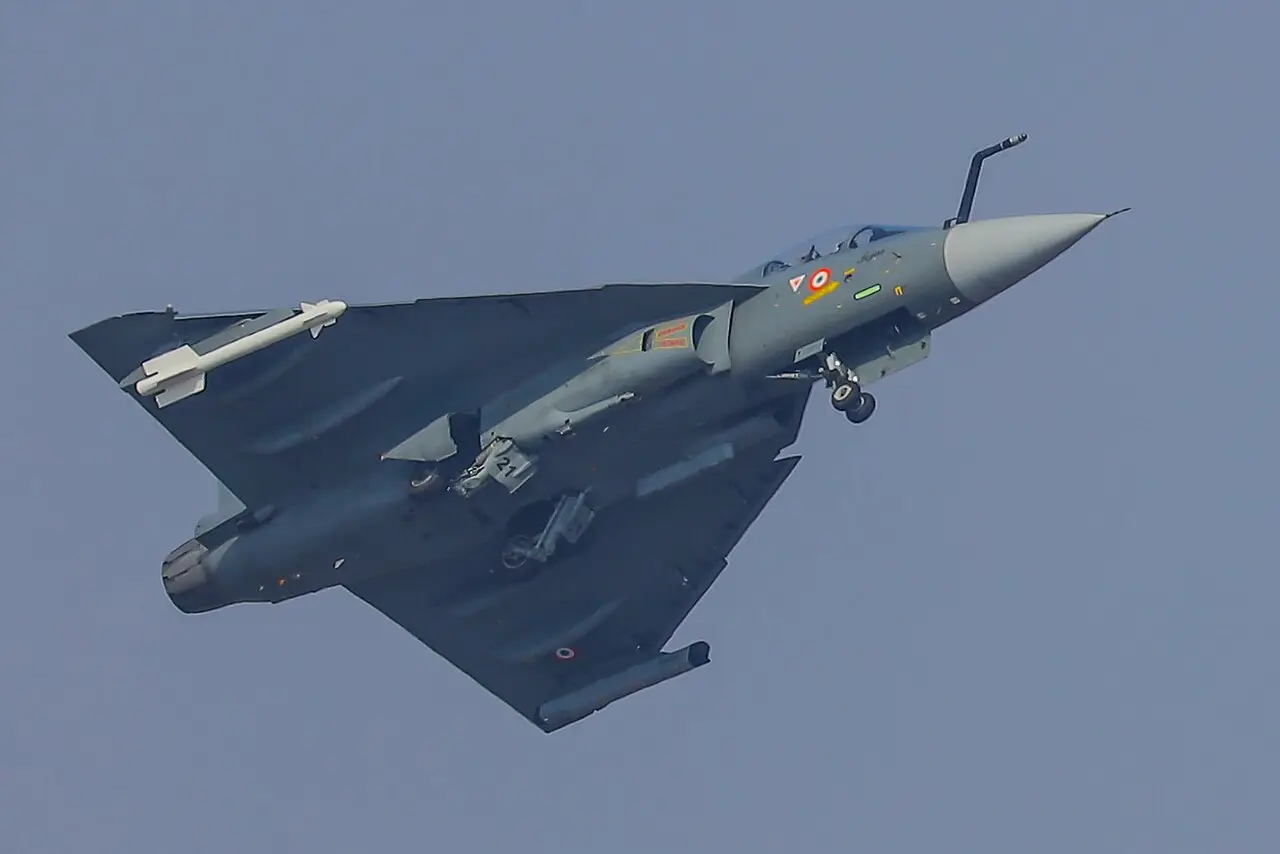
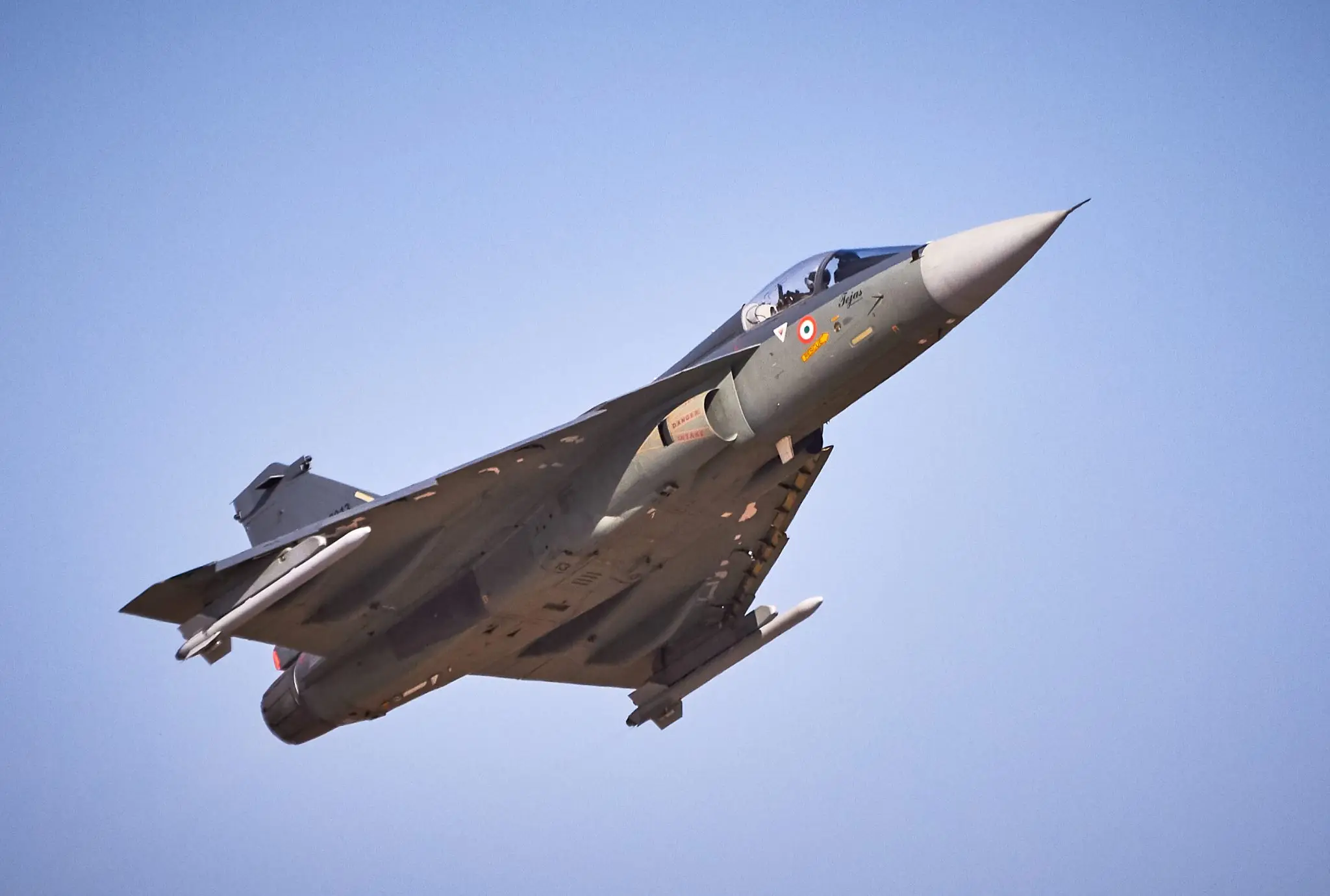
The Tejas is an Indian-designed, single-engine, multi-role light combat aircraft developed by the Aeronautical Development Agency (ADA) and manufactured by Hindustan Aeronautics Limited (HAL) for the Indian Air Force (IAF) and the Navy. It made its first flight on 4 January 2001 and entered IAF service on 17 January 2015. The name “Tejas” means “radiance” or “brilliance” in Sanskrit.
Key design & technical features
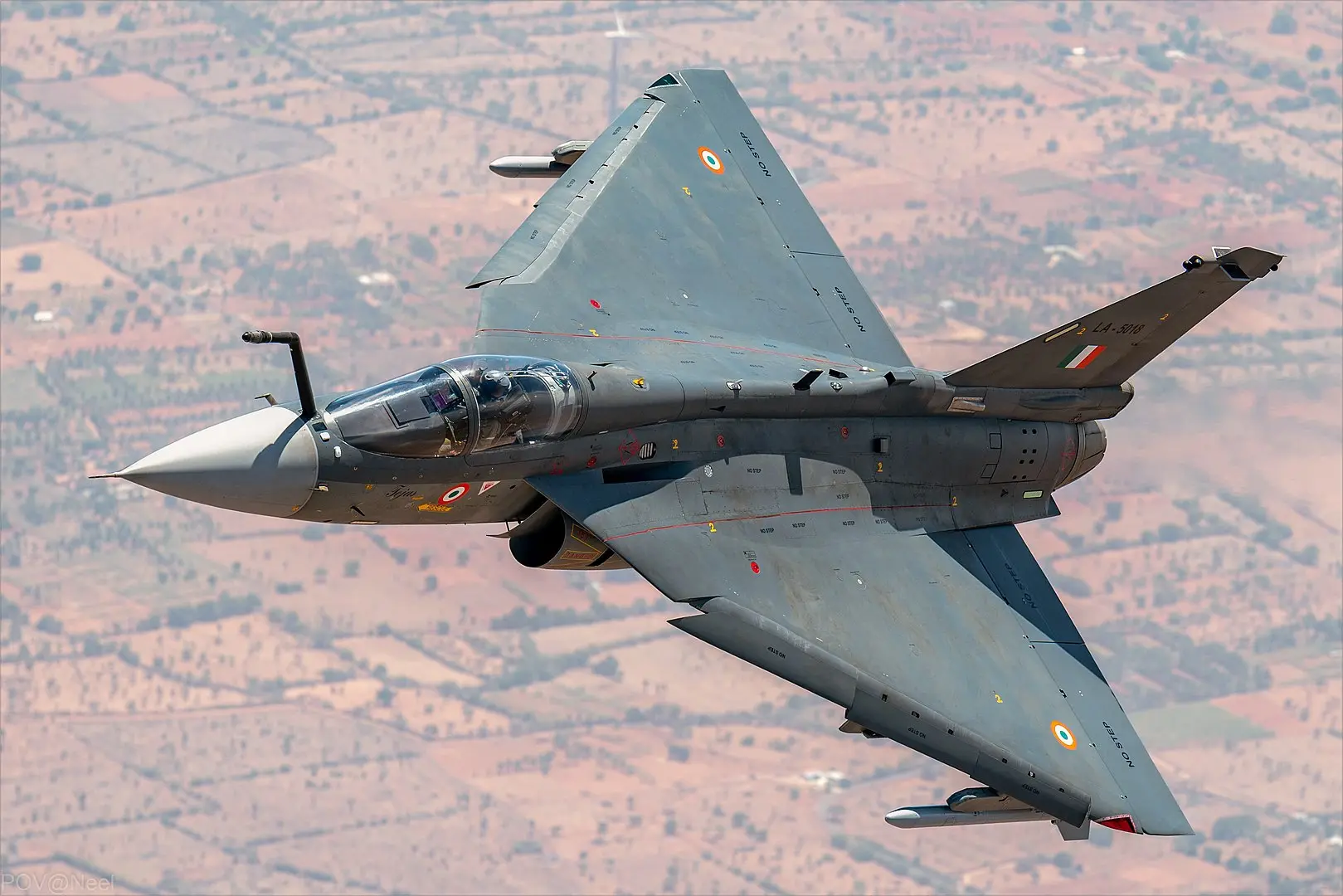
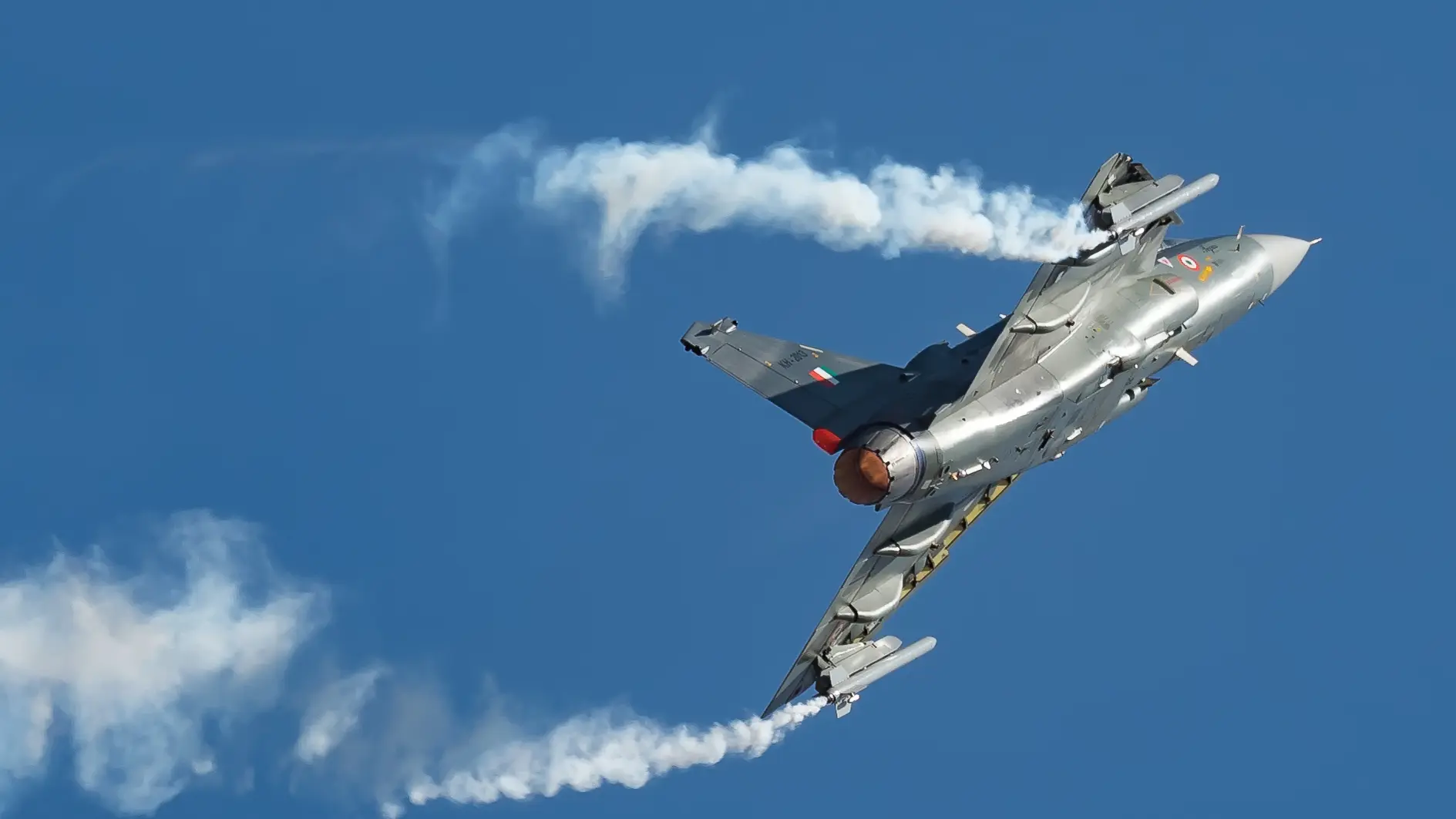
The Tejas uses a tailless delta-wing configuration and a full-authority digital fly-by-wire flight control system, which together provide high manoeuvrability in its class. According to HAL’s own product page, the aircraft is a 4.5-generation multi-role fighter, described as the smallest and lightest in its class with a maximum speed of approximately Mach 1.6 and service ceiling of about 50,000 ft. Other published specifications indicate a maximum take-off weight of roughly 13,300 kg, and payload capacity of up to 4,000 kg. The aircraft is designed to carry a variety of weapons on eight hard-points, and features composite materials to reduce weight and enhance agility.
Variants & development status
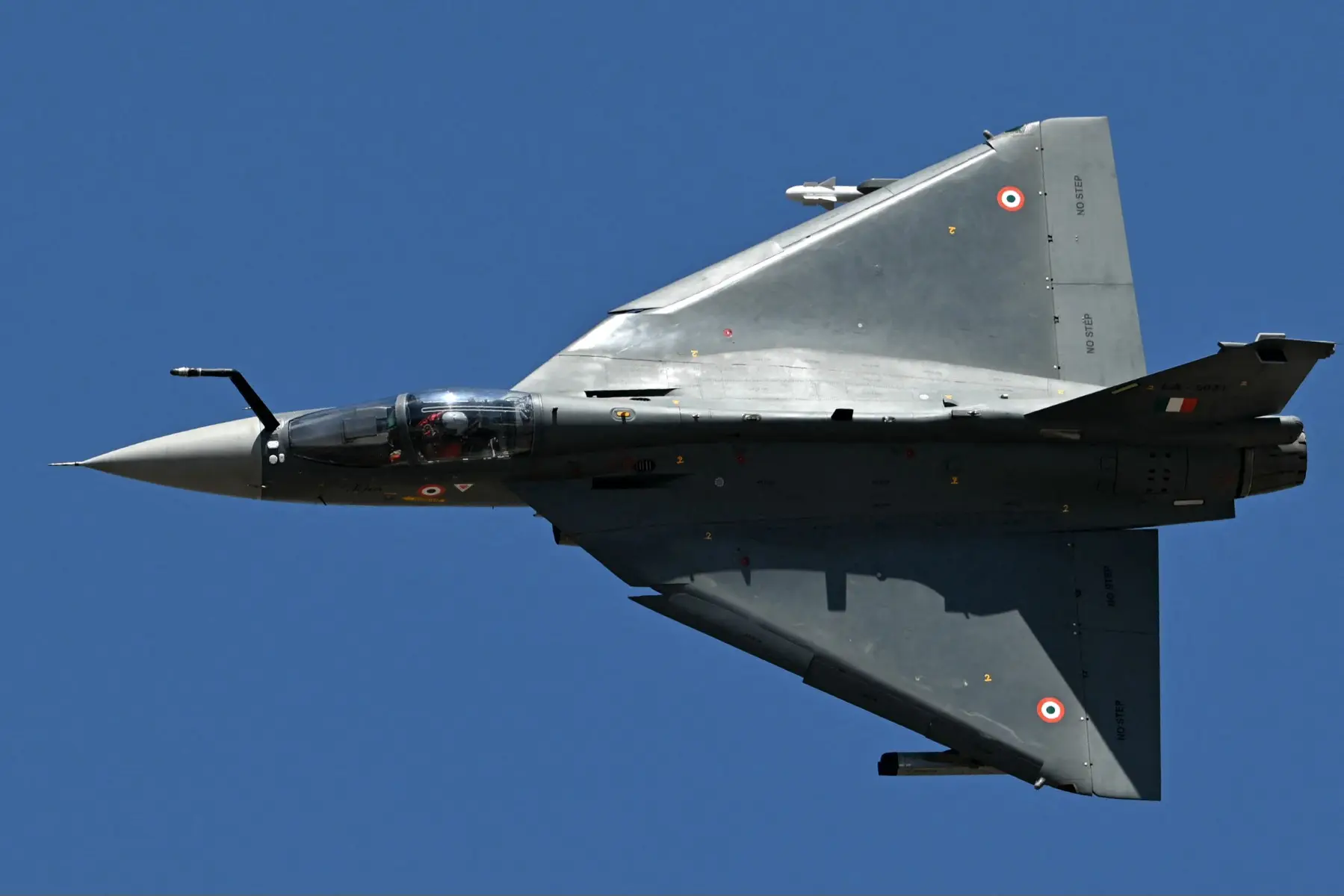
The initial production variant is the Mk 1; this has been succeeded by the enhanced Mk 1A, which adds an AESA radar, updated avionics and self-protection systems. Development is underway for the Mk 2 version, expected to be a heavier, more capable aircraft with greater range and payload. Over time, the indigenous‐content of the Tejas has increased, from about 59.7 per cent by value in the initial batch to higher in later ones.
Role in Indian Air Force & strategic importance
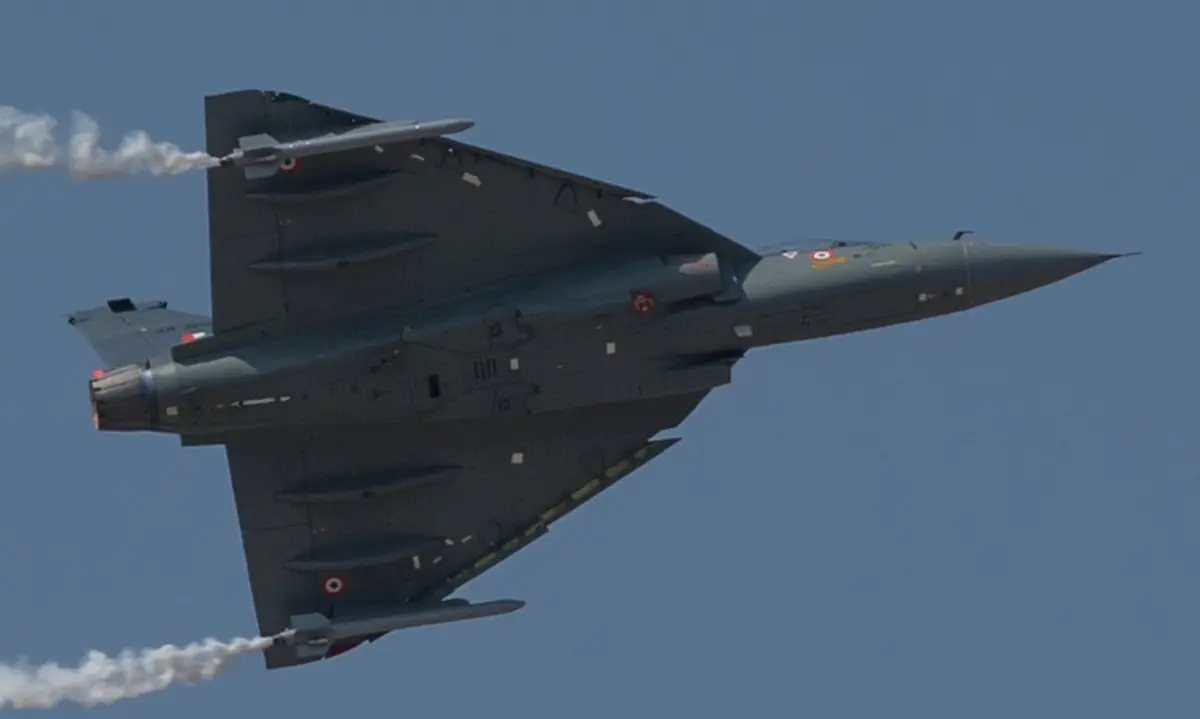
For India, the Tejas is a key element of its “Make in India” defence manufacturing push. It is meant to gradually replace older fighters and provide multirole capability (air-to-air, ground-attack, maritime roles). Because it’s domestically produced, it helps reduce dependencies on foreign suppliers and supports indigenous aerospace industry growth. Its demonstration at global air-shows underscores India’s ambitions to export the aircraft to friendly countries.
Production, orders & challenges
Serial production began in Bengaluru, with additional lines being set up (including at Nashik) to ramp up output. The government has placed large orders, for example, a contract for 97 Tejas Mk 1A jets was signed in September 2025. However, the programme has faced challenges: supply-chain issues (especially jet-engines), delivery delays and the need to ramp up private-sector participation.
Performance in service & known incidents
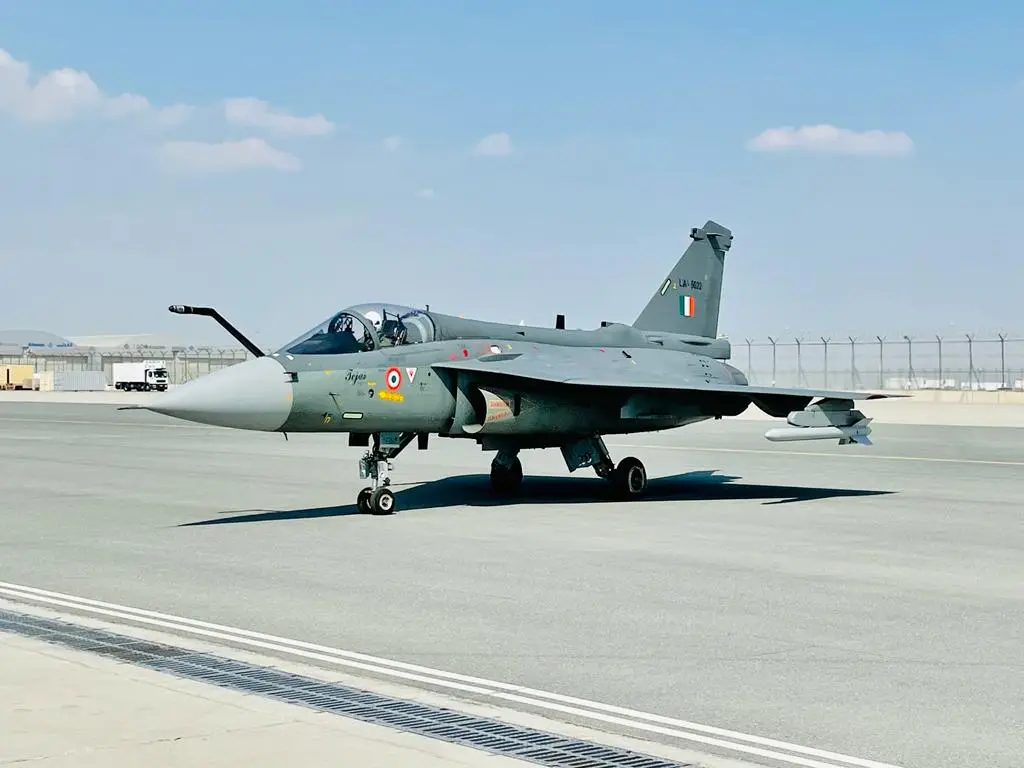
The Tejas entered service with the IAF in 2015, and as of 2025, several squadrons operate it. In March 2024 a Tejas Mk 1 crashed near Jaisalmer, with the pilot ejecting safely. On 21 November 2025, a Tejas crashed during a demonstration at the Dubai Air Show, killing the pilot, triggering a court of enquiry.
Strengths & limitations
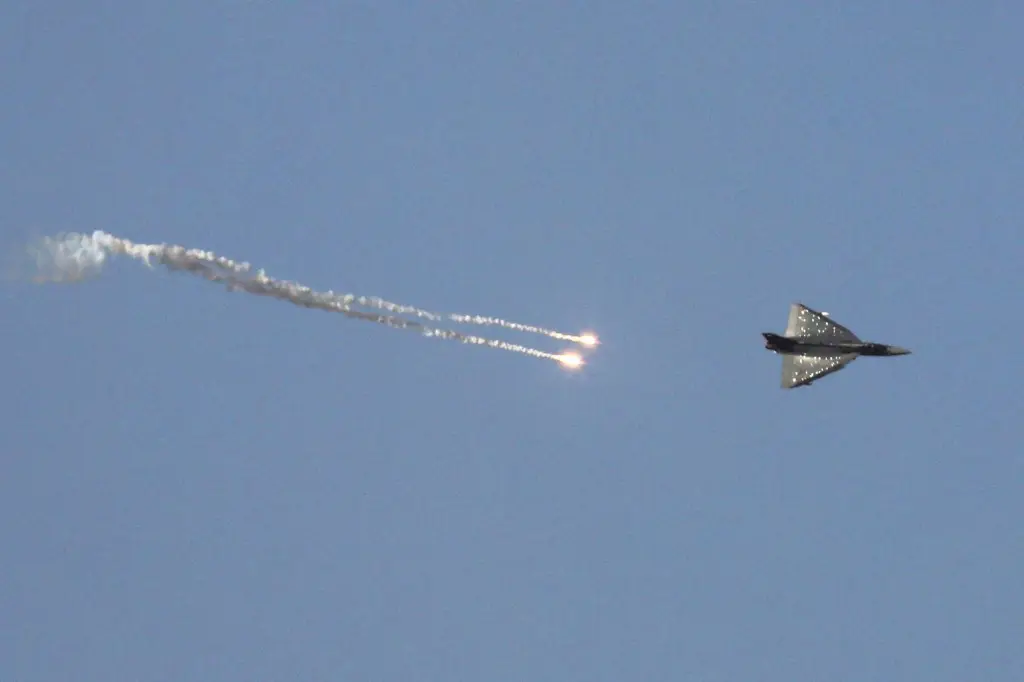
Strengths: The Tejas offers high agility, modern avionics (especially in newer variants), lower unit cost relative to heavier fighters, and local production which aids strategic autonomy.
Limitations: Being a single-engine light combat aircraft, range and payload are more constrained compared to heavier multirole fighters. Earlier batches had limitations in endurance and weapons integration, which subsequent variants are addressing.
The export market remains competitive and perceptions may be affected by incidents like the Dubai crash.
Why the crash at Dubai matters
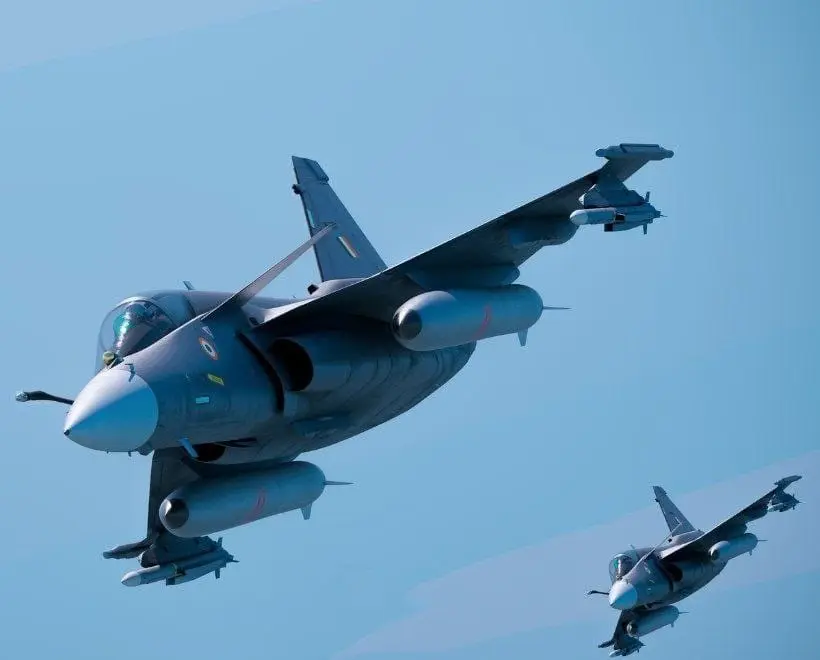
The crash at an international event like the Dubai Air Show draws global attention to the Tejas programme. It underscores how demonstration flights, especially at low altitudes and high manoeuvre regimes, carry heightened risk. It may impact export credibility and draws focus on operational reliability, safety protocols and support logistics for Indian defence equipment.
Future outlook
Looking ahead, deliveries of the Mk 1A variant are expected to ramp up in the coming years, as engine supply and production bottlenecks are addressed. The development of the Mk 2 variant will extend the Tejas’ capabilities significantly. If export contracts materialise, the Tejas could serve as a cost-effective alternative in the global market for light combat aircraft.
)
)
)
)
)