What is guerrilla warfare and why Cambodia could be forced to use it against Thailand?

Cambodia has dense forests, mountainous regions, and difficult terrain in the northeast and along border areas. These are ideal environments for guerrilla tactics, allowing local forces to carry out ambushes or disappear quickly without direct engagement.
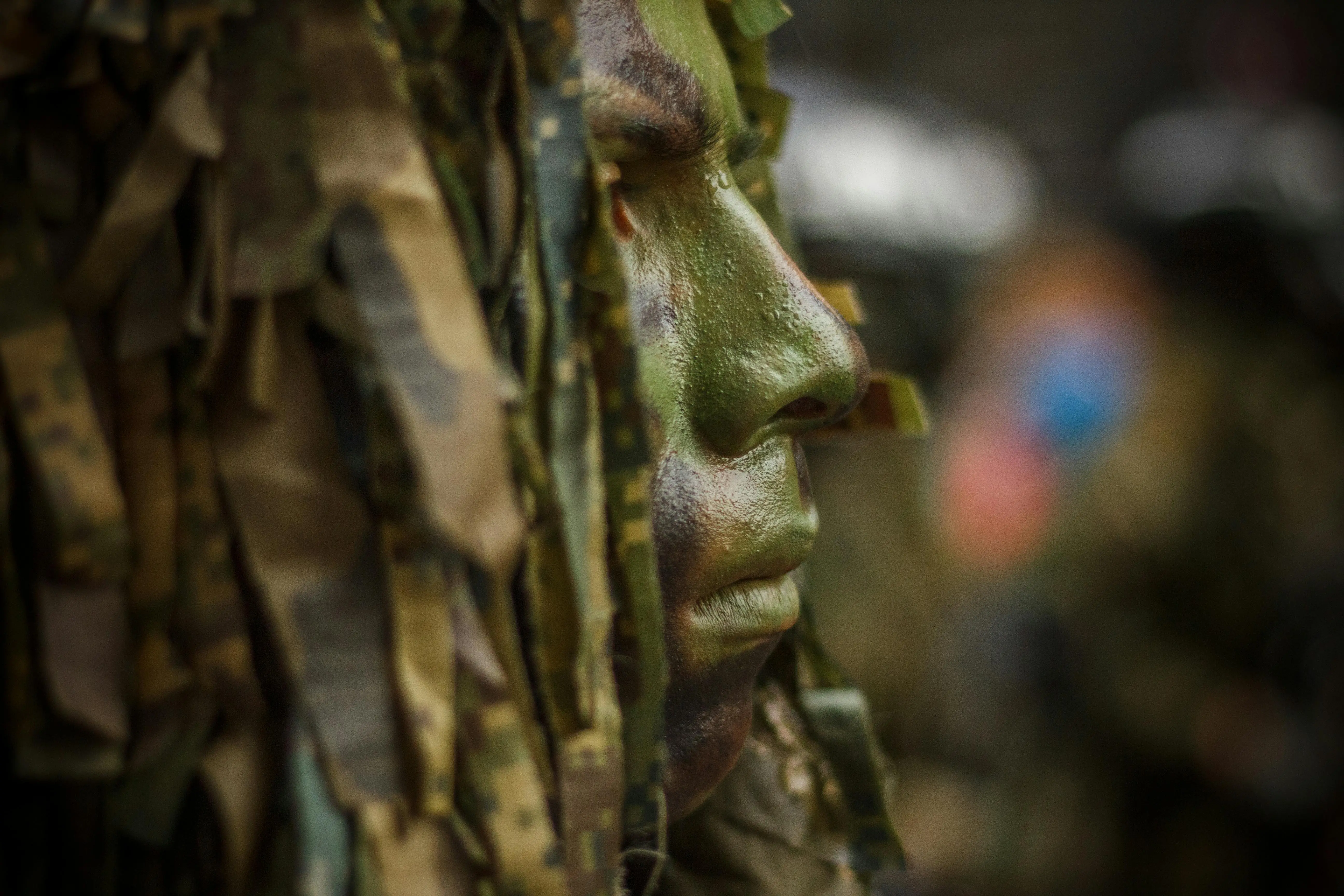
What is Guerrilla Warfare?
Guerrilla warfare is a form of irregular combat where smaller, mobile groups use surprise attacks, ambushes, sabotage, and hit-and-run tactics against larger, better-equipped military forces. It is commonly used by nations or factions with limited access to conventional firepower such as fighter jets, tanks, or heavy artillery.
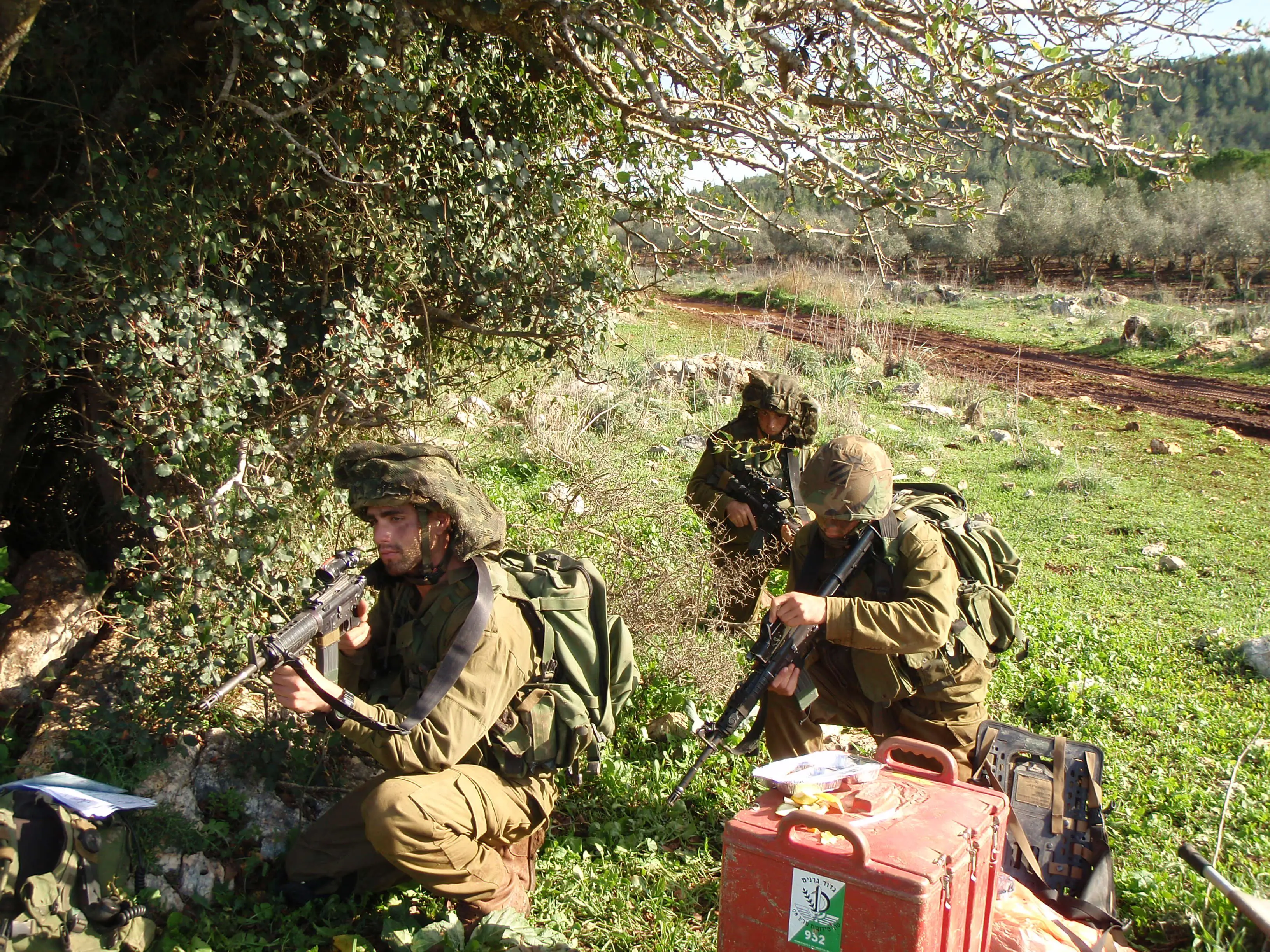
History
Historically, guerrilla warfare has been used effectively in Vietnam, Afghanistan, and Latin America to challenge stronger opponents through knowledge of local terrain, decentralised operations, and civilian support.
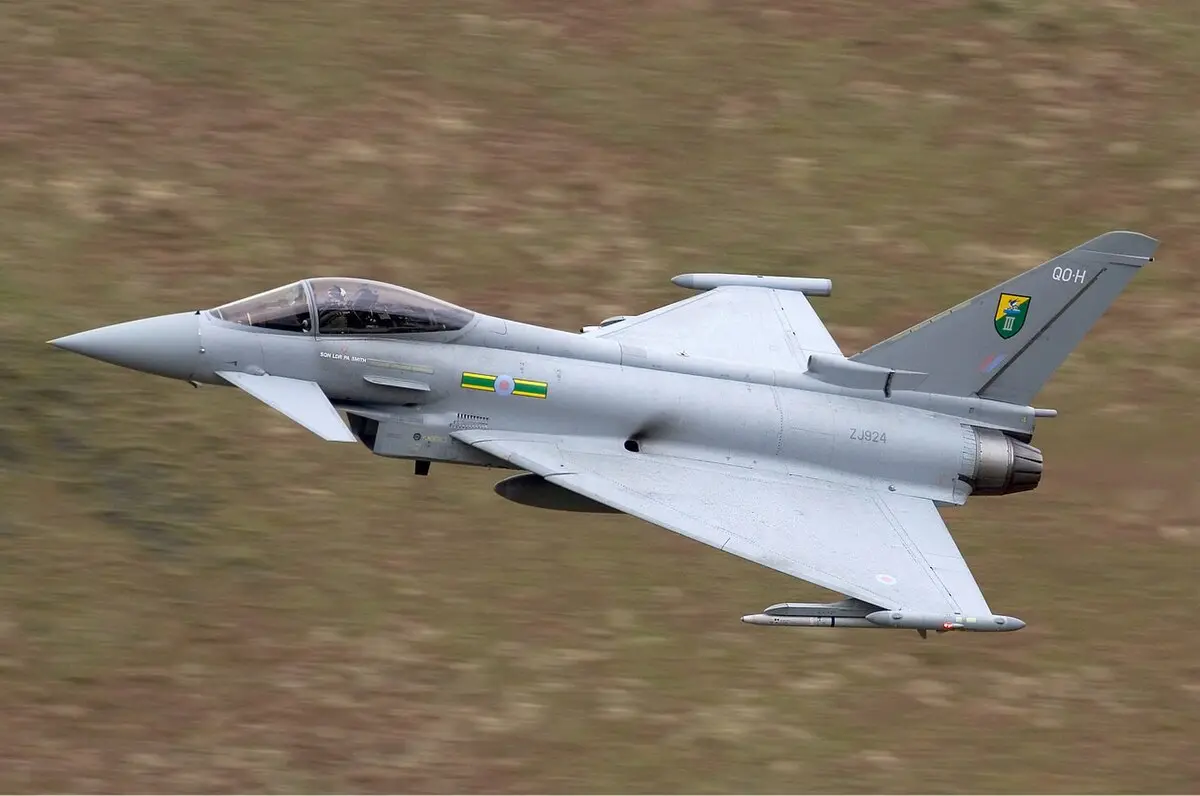
Limited Air Force Capability
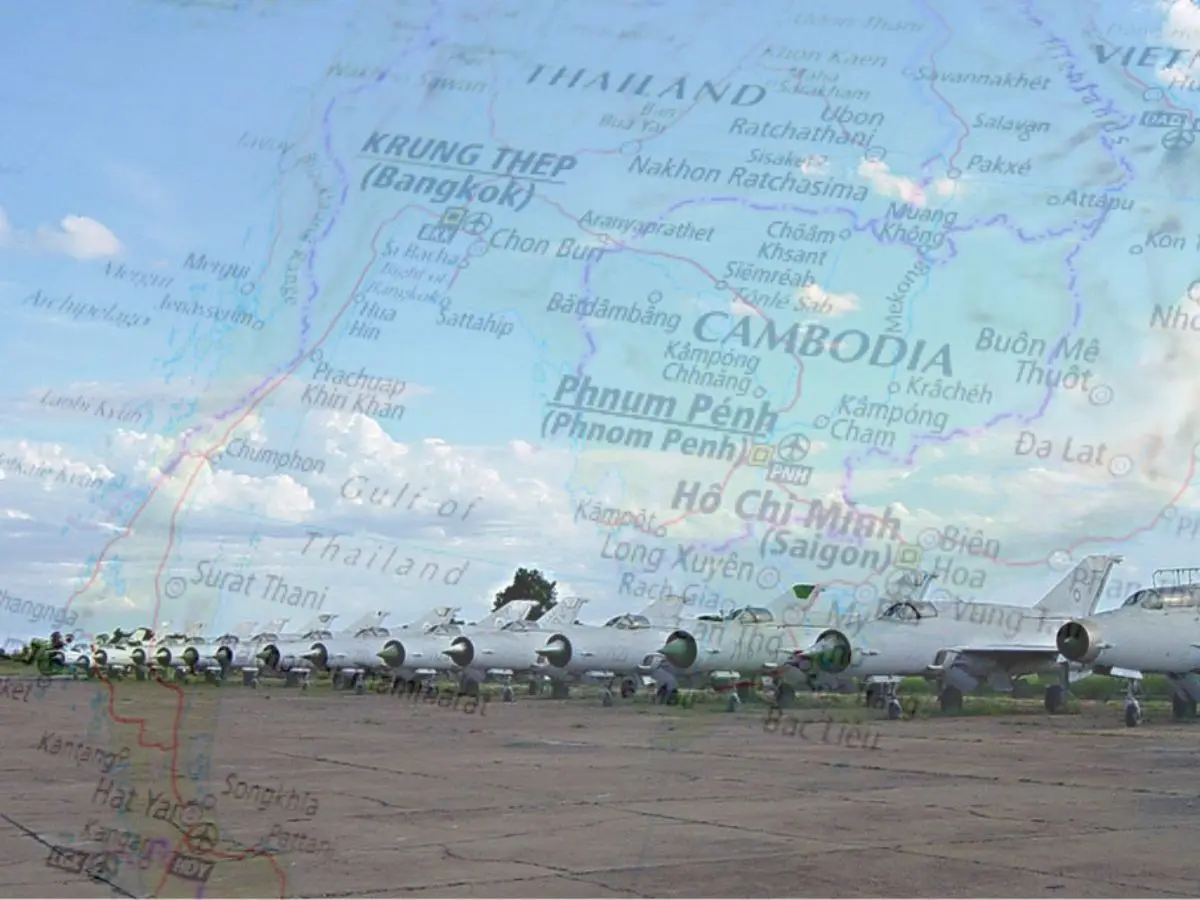
Cambodia’s air force is currently under-equipped, with no active fleet of modern fighter jets or bombers. In a direct military confrontation with Thailand, whose air force includes F-16s and Saab Gripens, Cambodia would not be able to engage in traditional aerial combat. Guerrilla tactics could help level the playing field by shifting the battle to the ground.
Terrain Advantage
Cambodia has dense forests, mountainous regions, and difficult terrain in the northeast and along border areas. These are ideal environments for guerrilla tactics, allowing local forces to carry out ambushes or disappear quickly without direct engagement.
Cost-Effective Strategy
Conventional warfare demands significant investment in aircraft, tanks, and logistics. Guerrilla warfare is comparatively low-cost and allows smaller forces to operate independently, making it an option for Cambodia if the conflict escalates.
Historical Precedents
Cambodia has experienced guerrilla-style combat during the Khmer Rouge period and earlier conflicts, which left behind both tactics and local experience. That past could influence how the military or paramilitary groups choose to respond if invaded or outgunned.
Civilian-Military Blending
In guerrilla warfare, fighters often blend in with local populations and rely on civilian support for supplies and intelligence. In areas where local support runs strong, this tactic can tie down larger armies and force prolonged conflicts—something Cambodia could leverage against a stronger force like Thailand’s.
)
)
)
)
)