What is Ghatak UCAV? India’s indigenous next-gen stealth strike drone approved to transform air combat

The approval forms part of a broader defence package worth about Rs. 2.38 lakh crore cleared on Friday, signalling a push towards advanced indigenous capabilities.
India clears key step for stealth UCAV
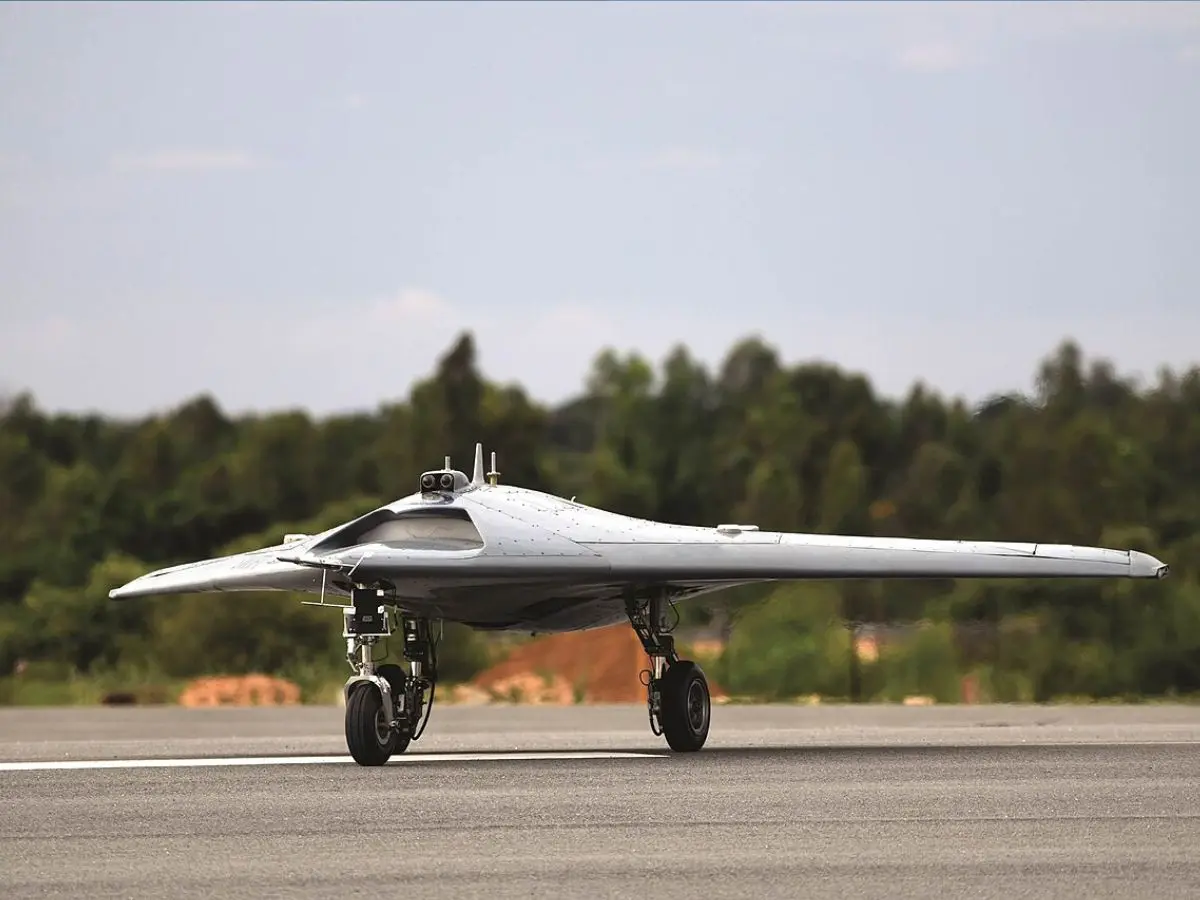
India has moved closer to deploying its first indigenous stealth unmanned combat aerial vehicle after the Defence Acquisition Council, chaired by Defence Minister Rajnath Singh, granted Acceptance of Necessity for the Ghatak UCAV programme. The approval forms part of a broader defence package worth about Rs. 2.38 lakh crore cleared on Friday, signalling a push towards advanced indigenous capabilities.
Origins and development timeline
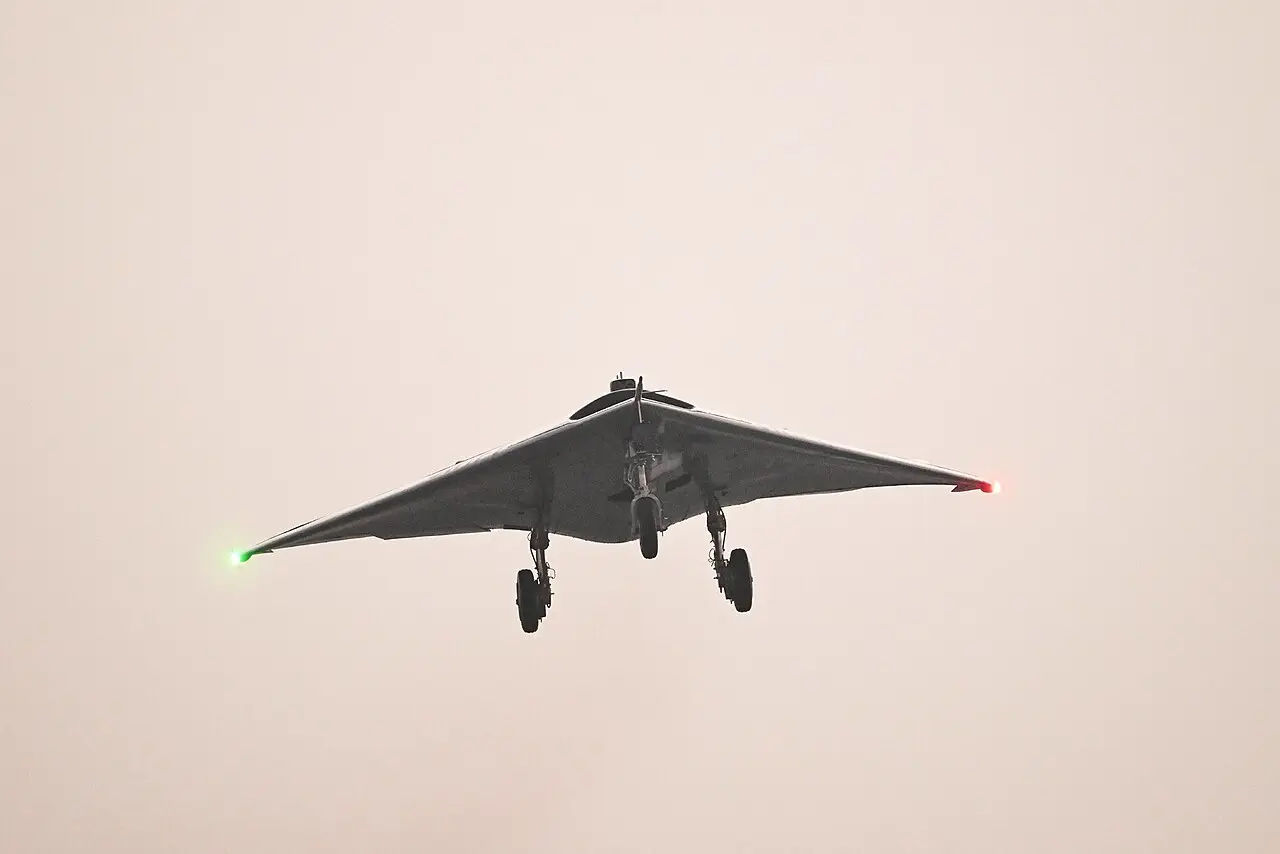
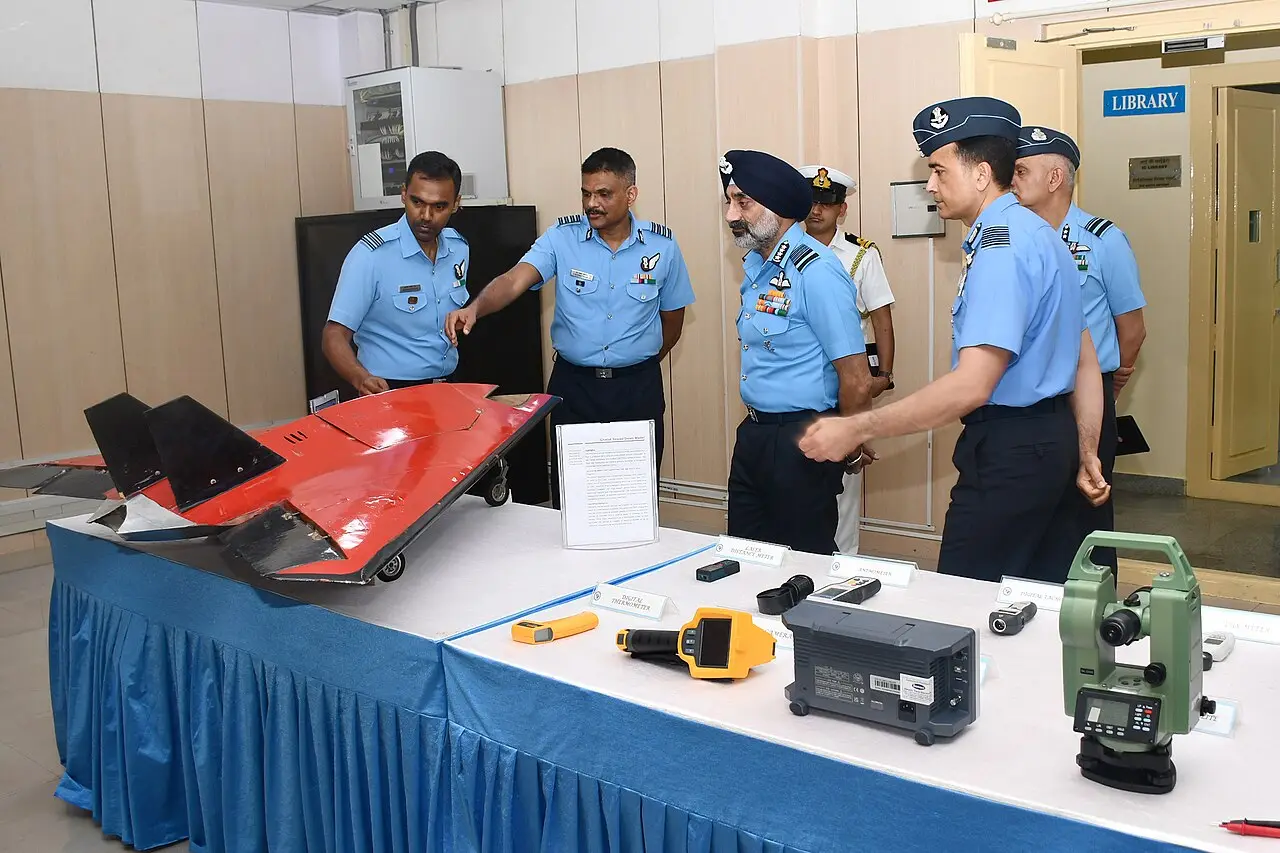
The Ghatak programme is being developed by the Defence Research and Development Organisation’s Aeronautical Development Establishment for the Indian Air Force. Its origins trace back to the Autonomous Unmanned Research Aircraft programme unveiled in 2007. The project was formally sanctioned in 2016, with a key milestone achieved in July 2022 when the technology demonstrator completed its first flight.
Design and propulsion
According to Tribune India, the Defence Acquisition Council, chaired by Defence Minister Rajnath Singh, has recommended the procurement of 60 Ghatak unmanned combat aerial vehicles (UCAVs). The Ghatak is a jet-powered, stealth-enabled platform designed for autonomous operations. Powered by the domestically developed Dry Kaveri engine from the Gas Turbine Research Establishment, the aircraft is built with a low-observability design, allowing it to operate effectively in contested airspace while minimising detection.

Combat roles and operational advantage
Ghatak’s mission profile extends beyond air defence suppression. It is being designed to strike strategic infrastructure, conduct deep reconnaissance and target high-value military assets inside contested territory. For India, such a platform offers long-range precision strike capability without exposing pilots to heavily defended environments, marking a shift in how high-risk missions are executed.
Flying wing configuration
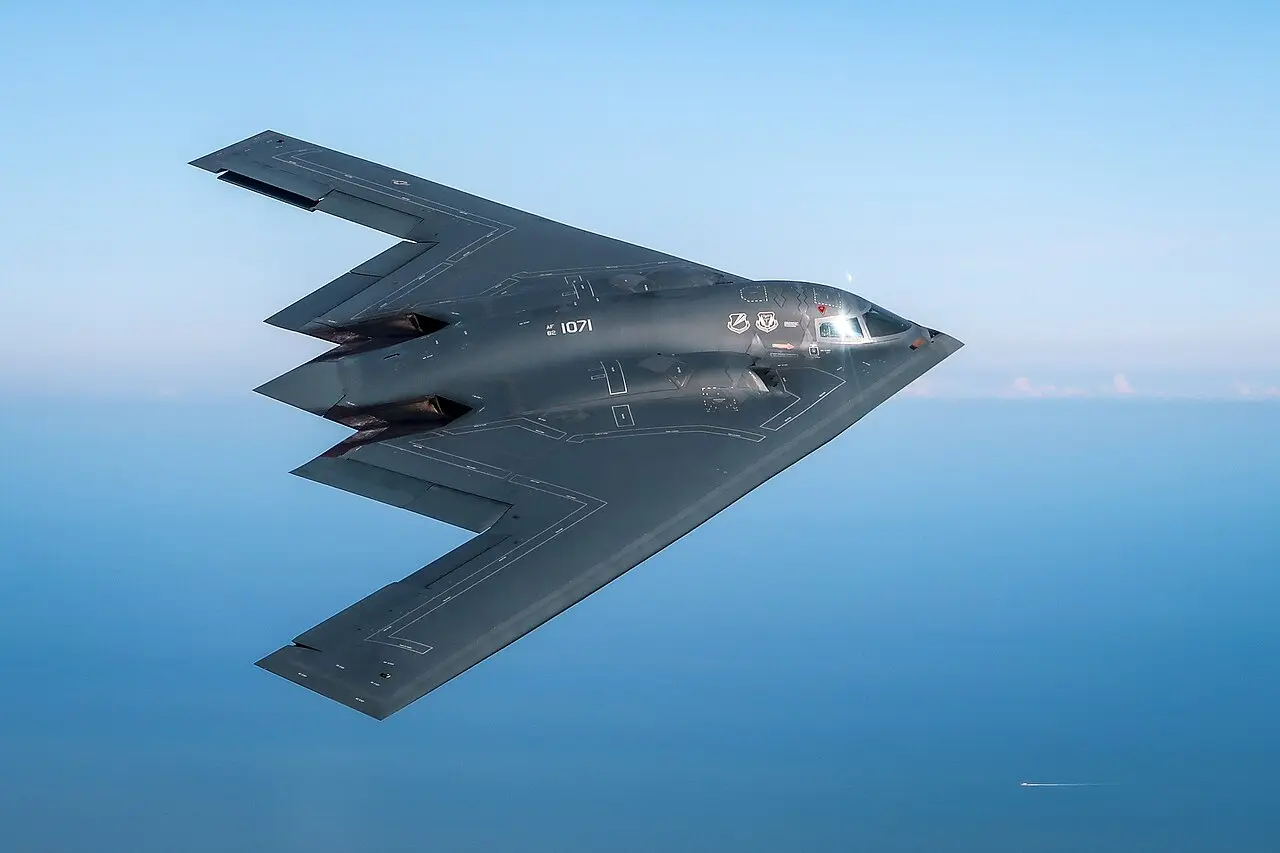
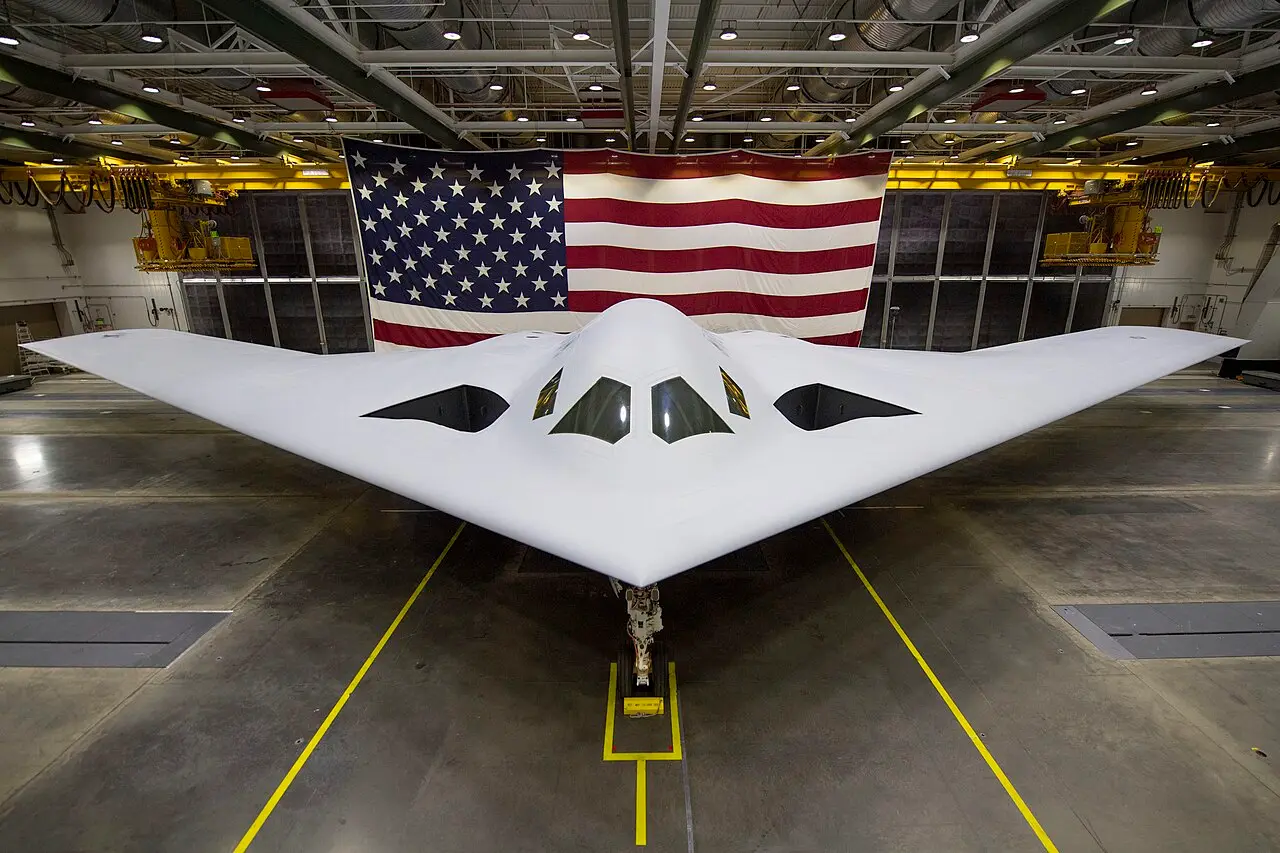
A defining feature of Ghatak is its flying wing design, which eliminates vertical surfaces that typically reflect radar signals. This configuration, used in aircraft such as the Northrop Grumman B-2 Spirit and the upcoming Northrop Grumman B-21 Raider, enhances survivability by reducing detectability in hostile airspace.
Internal weapons and reduced signature
The drone is expected to carry its weapons in internal bays rather than on external pylons. This design minimises radar reflections and preserves stealth characteristics while allowing the carriage of precision-guided munitions for targeted strikes against enemy assets. A critical element of the programme is the development of an indigenous propulsion system derived from the Kaveri engine project. This aligns with India’s broader goal of technological self-reliance in defence.
Future combat integration
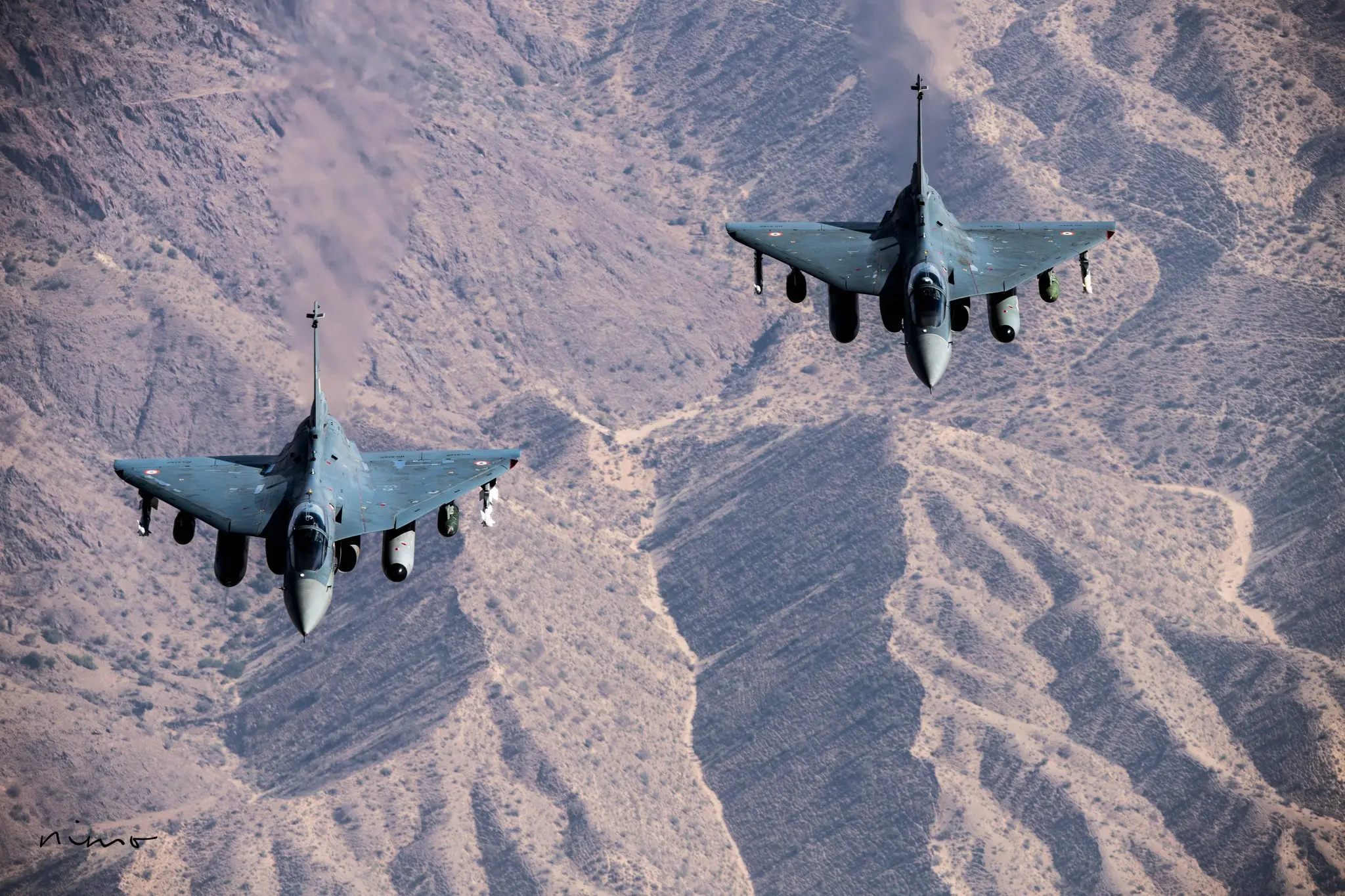
Once operational, Ghatak could function alongside crewed fighters and other unmanned systems in a networked combat environment. As a “loyal wingman”, it may scout ahead, engage targets or draw enemy fire, supporting aircraft such as the Tejas Mk2 in complex missions. Alongside Ghatak, India’s Defence Acquisition Council approved critical defence projects including the S-400 long-range missile system, medium transport aircraft, air defence tracked systems, Dhanush artillery guns, and high-capacity radio relays, enhancing overall operational readiness.
)
)
)
)
)