What is GCAP? How the UK, Japan and Italy are building a next-generation fighter jet by 2035

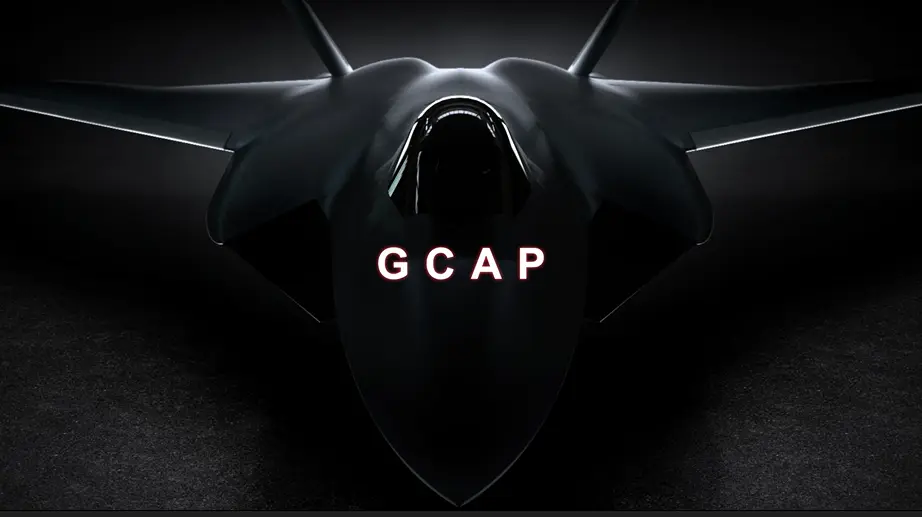
The Global Combat Air Programme (GCAP) which was established in 2022, is an international partnership between the United Kingdom, Italy and Japan which will design, manufacture and deliver a next-generation crewed combat aircraft.

A New Chapter in Air Power
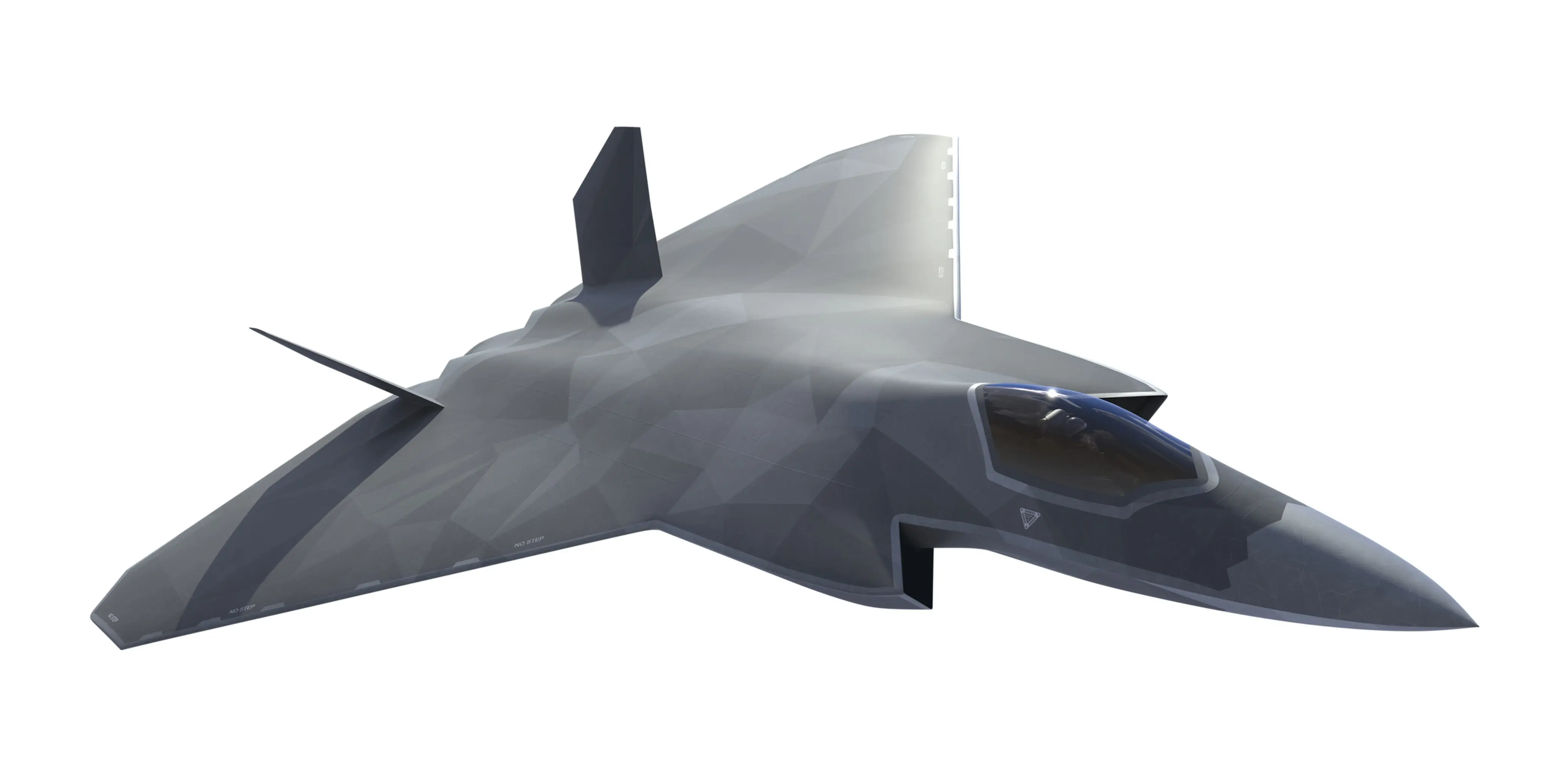
The Global Combat Air Programme (GCAP) represents a collaboration between the United Kingdom, Japan, and Italy to develop a sixth-generation fighter jet. This programme was launched in 2022, and it aims to deliver an integrated system of systems that will redefine the future of air combat by 2035. Apart from just a crewed aircraft, the programme emphasises connectivity, sensor fusion, and operational flexibility, marking a major strategic step for the three nations’ air forces.
A Multinational Effort
In December 2023, the partnership of these countries was given Treaty status and further details were finalised when the Defence Ministers of the three partner countries signed the Convention on the Establishment of the Global Combat Air Programme – GCAP International Government Organisation. The UK Government ratified the Treaty in October 2024. The programme is supported by the industrial and technological strengths of its three partners. The UK contributes experience from the Tempest programme, Italy adds expertise gained through the Eurofighter Typhoon and F-35, and Japan draws on lessons from the Mitsubishi F-2. This shared approach spreads development costs, accelerates innovation, and ensures high levels of interoperability between allied forces.
Aircraft and Systems
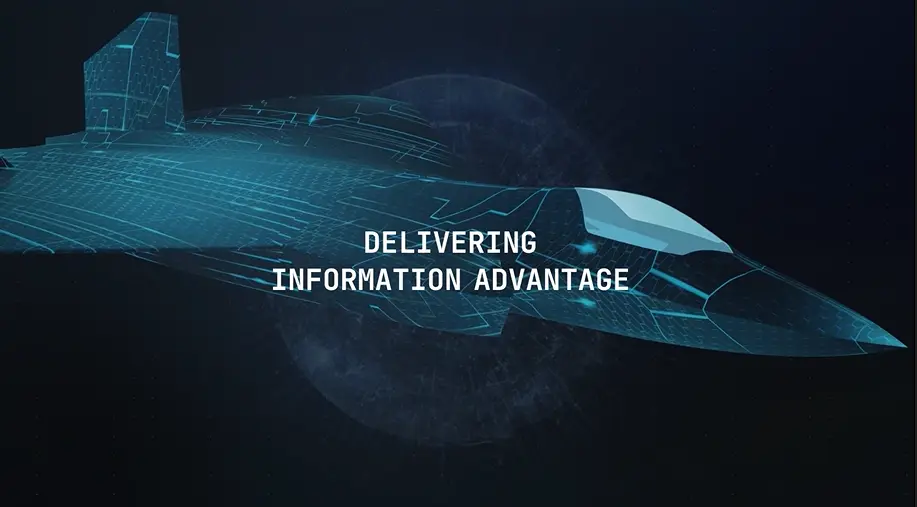
The Global Combat Air Programme (GCAP) covers more than a single aircraft. At its core is a new sixth-generation manned fighter jet, due to enter service in the 2030s, intended to replace the Eurofighter Typhoon in the UK and Italy and the Mitsubishi F-2 in Japan. Surrounding it is a wider combat air system that includes uncrewed collaborative combat aircraft (loyal wingman drones), advanced sensor and electronic warfare platforms, and secure data-link networks. The programme builds on earlier platforms such as the UK’s Tempest demonstrators, Japan’s X-2 Shinshin, and operational experience from the F-35.
Technological Innovations
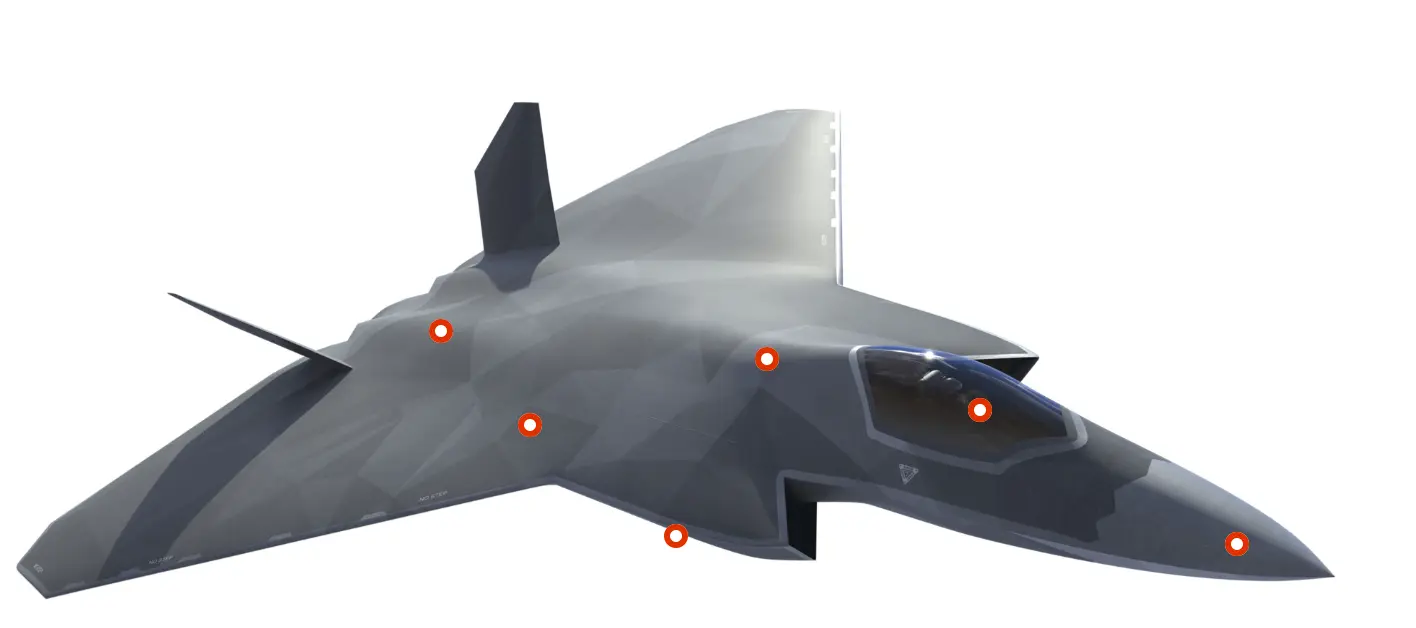
The GCAP fighter will incorporate advanced stealth, next-generation propulsion, adaptive avionics, and AI-enabled sensor management. Development work by BAE Systems and Rolls-Royce highlights a focus on efficiency, survivability, and sustained performance. Open-architecture design and modular systems will allow rapid upgrades, ensuring relevance throughout the aircraft’s service life.
A Data-Centric Combat Aircraft
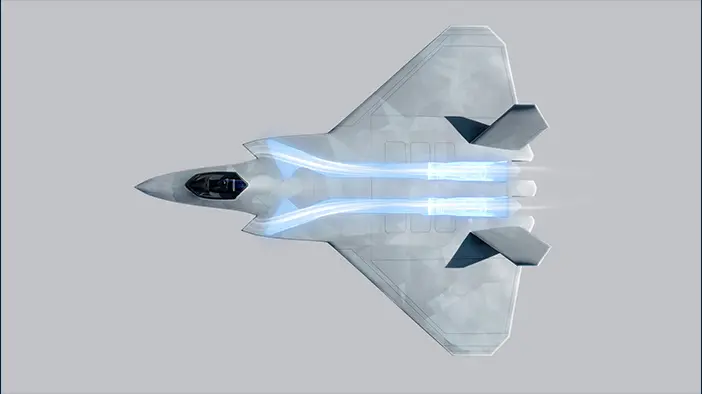
According to Leonardo.com, the aircraft is designed to be among the most connected fighters ever built and will feature an intelligent weapons system, a software-driven cockpit, and fully integrated sensors. Its next-generation radar is expected to process vastly greater volumes of data than current systems, giving pilots superior situational awareness and faster decision-making in complex combat environments.
Operational Flexibility
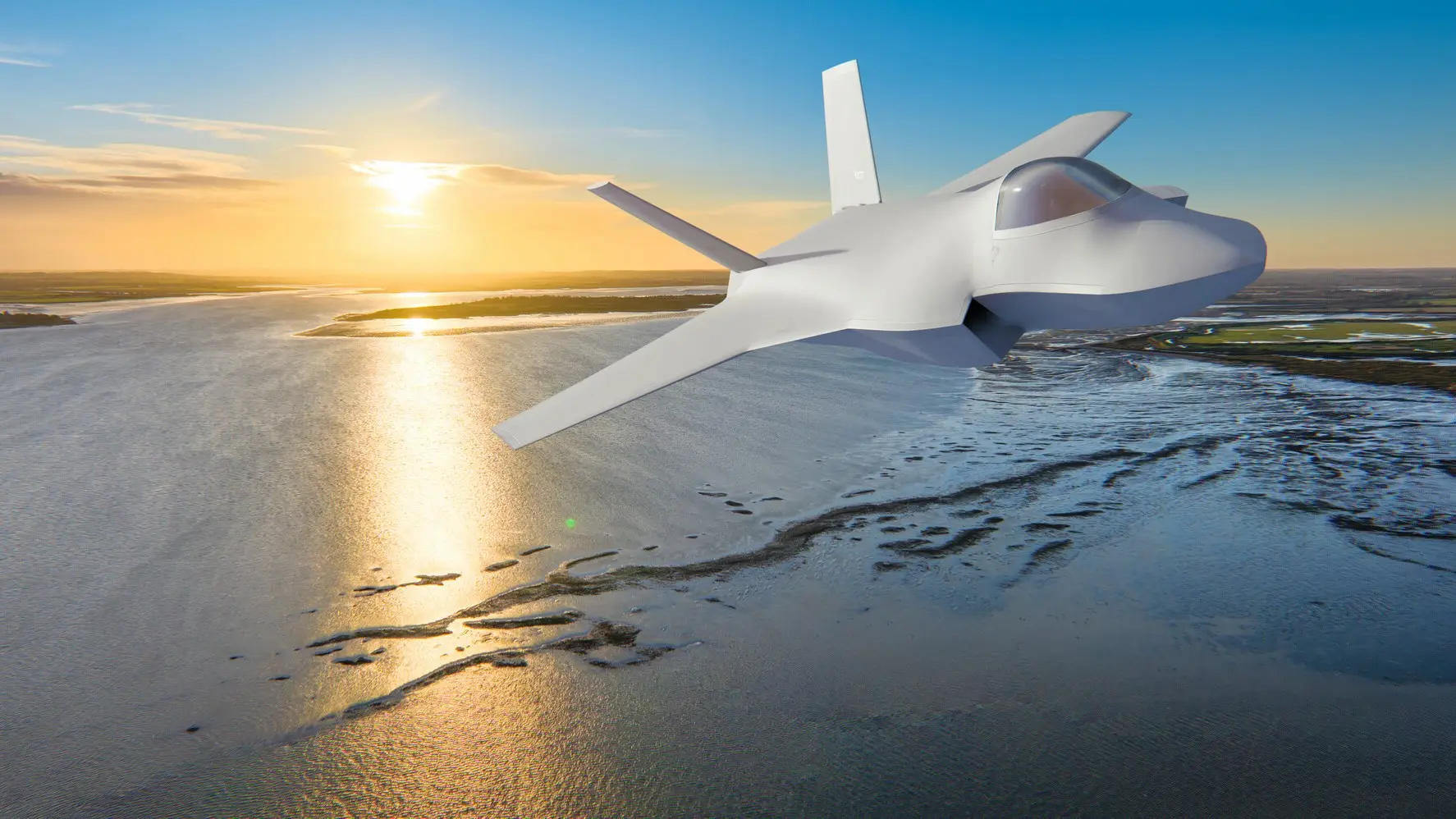
GCAP aircraft will be optimised for networked operations, capable of directing unmanned wingmen, conducting intelligence, surveillance, and reconnaissance missions, and coordinating strikes with allied platforms. This approach will thus allow pilots to manage multiple assets while reducing exposure in contested airspace.
Industrial and Economic Impact
According to the Defence Multi-Year Planning Document, the Italian contribution to the GCAP is estimated at around €9 billion until 2035 says Euronews.com. The UK Ministry of Defence has committed £2 billion to GCAP since 2021 and has budgeted over £12 billion for the programme over the next ten years. The initiative strengthens national aerospace industries and secures high-value skills for decades to come.
)
)
)
)
)