What is France’s Samp/T fighter‑jet‑killing air defence system, and could it beat the US Patriot?

Following France’s push for the Rafale as an alternative to the US F‑35, Paris now aims to compete with the American‑built Patriot system.
A new European challenger
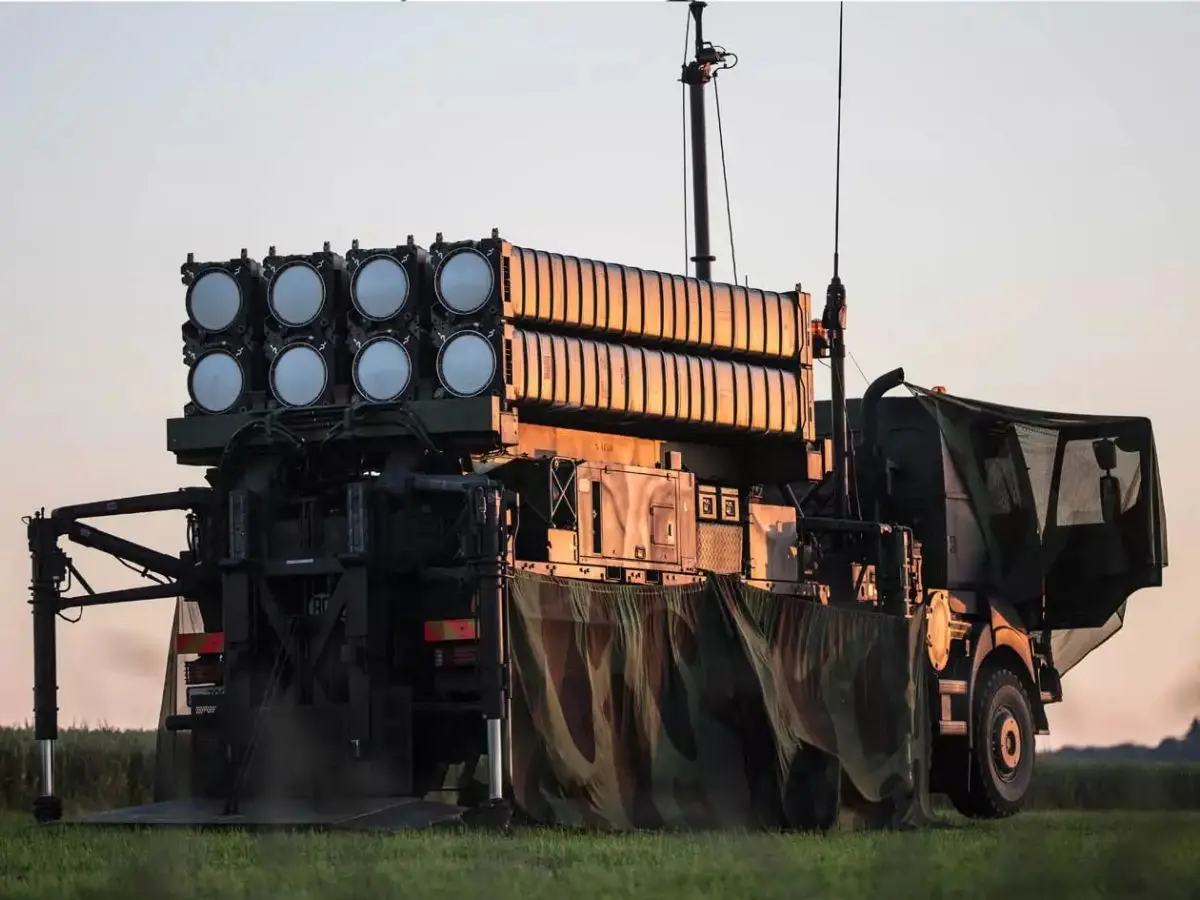
Following France’s push for the Rafale as an alternative to the US F‑35, Paris now aims to compete with the American‑built Patriot system. France and Italy, through their joint venture Eurosam (MBDA and Thales) introduced the Samp/T NG air defence system. According to the Eurasian Times, France is now promoting Samp/T as a European‑built, mobile and modern missile defence option for nations reviewing American defence contracts.
Advanced radar coverage
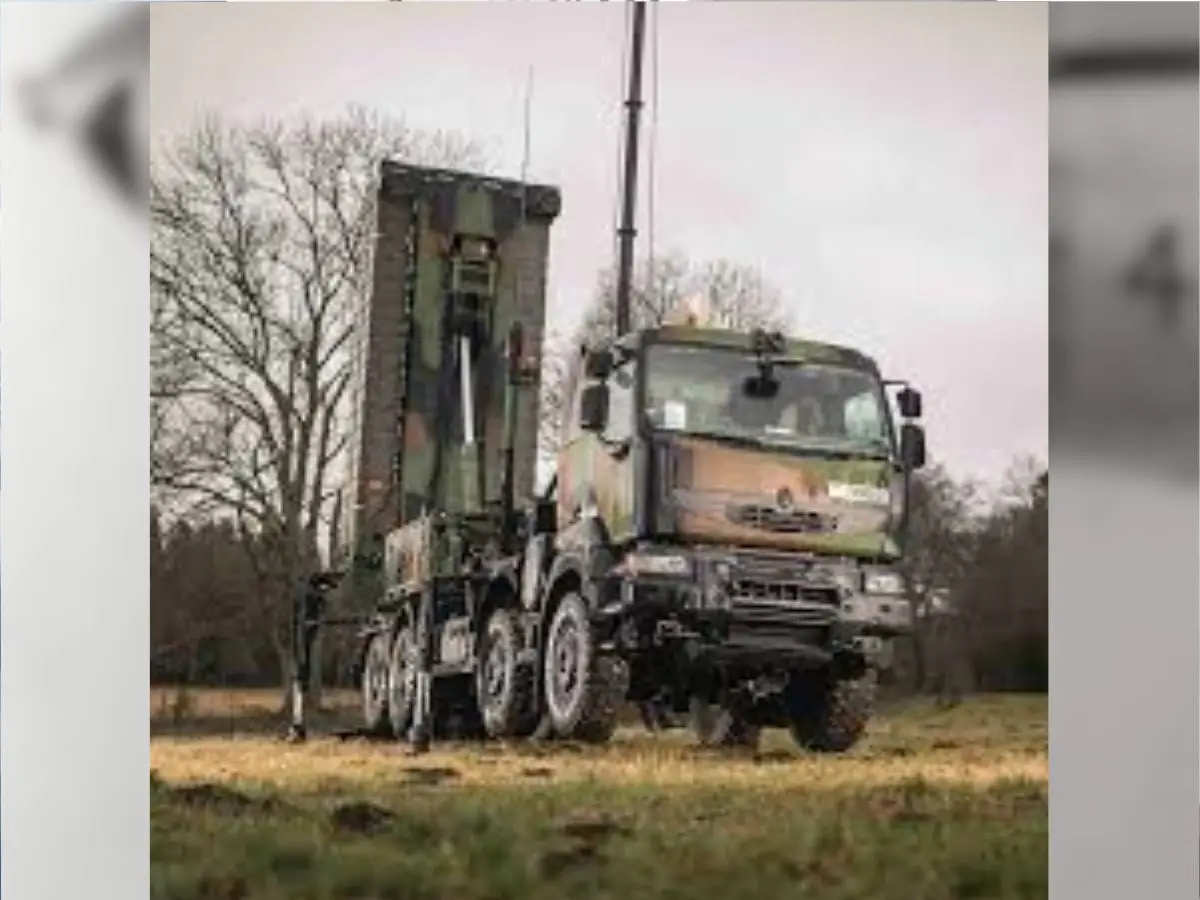
A key feature of Sol-Air Moyenne Portée/Terrestre is its multi‑function radar, which rotates every second to scan over 350 kilometres of airspace, offering full 360‑degree coverage. Eurosam advisor Eric Tabacchi explained to the Wall Street Journal that this wide radar field sets Samp/T apart from the Patriot, which operates within a narrower detection arc.
Vertical launch and quick response
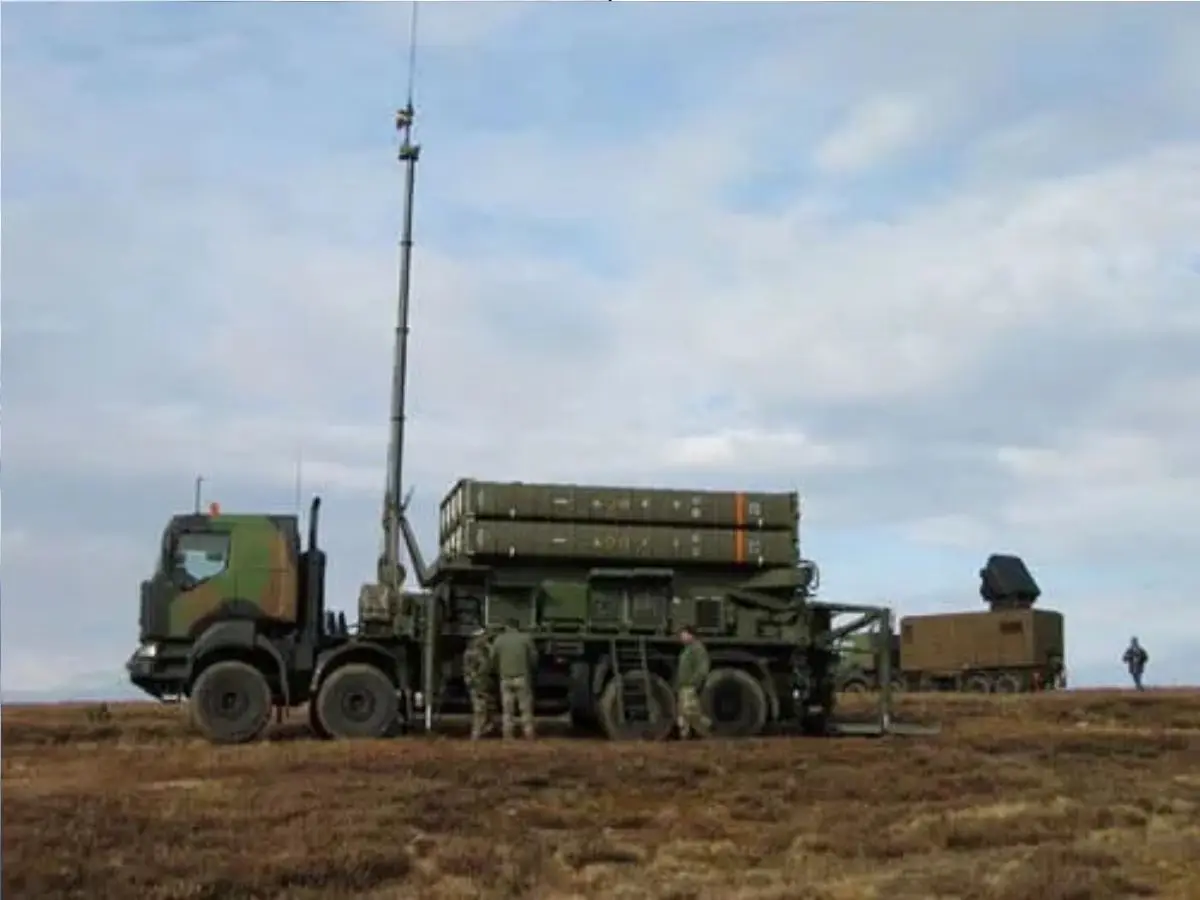
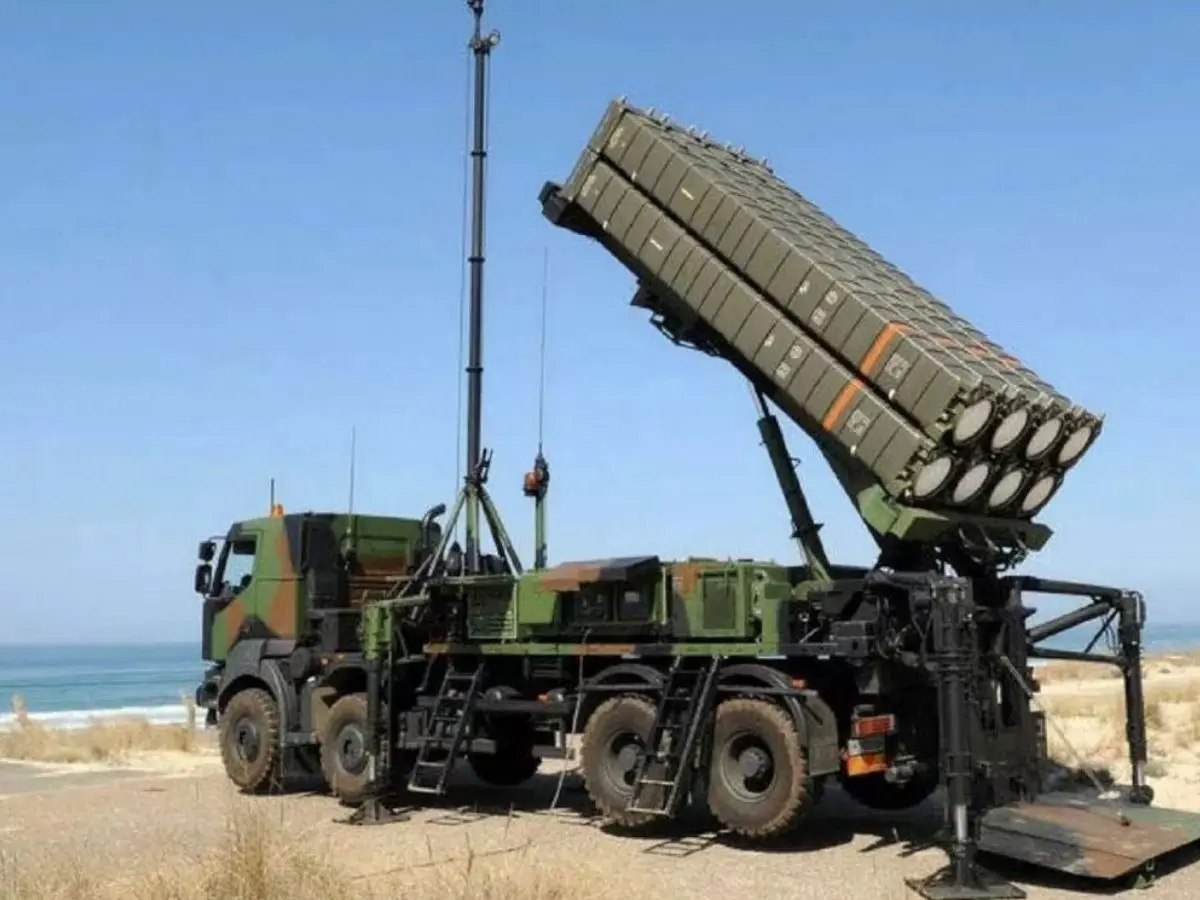
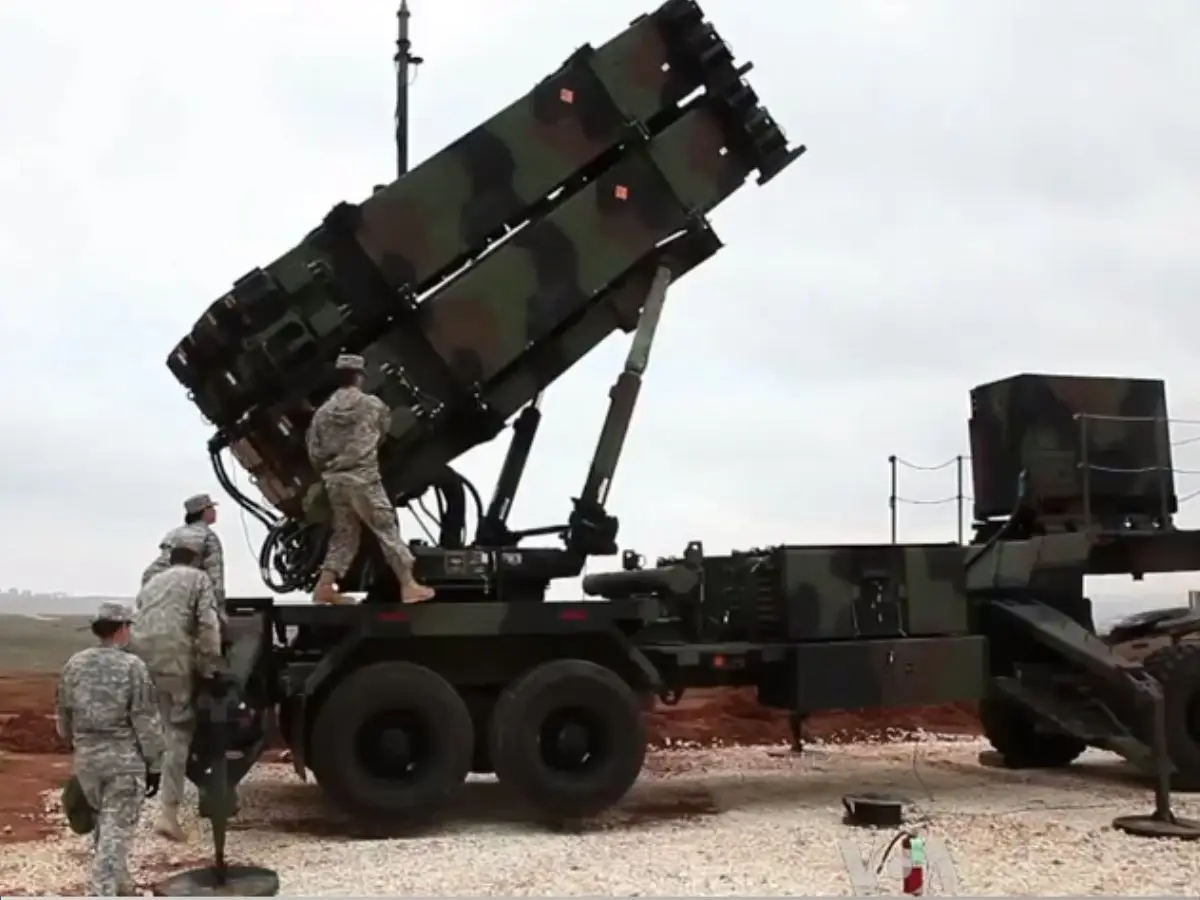
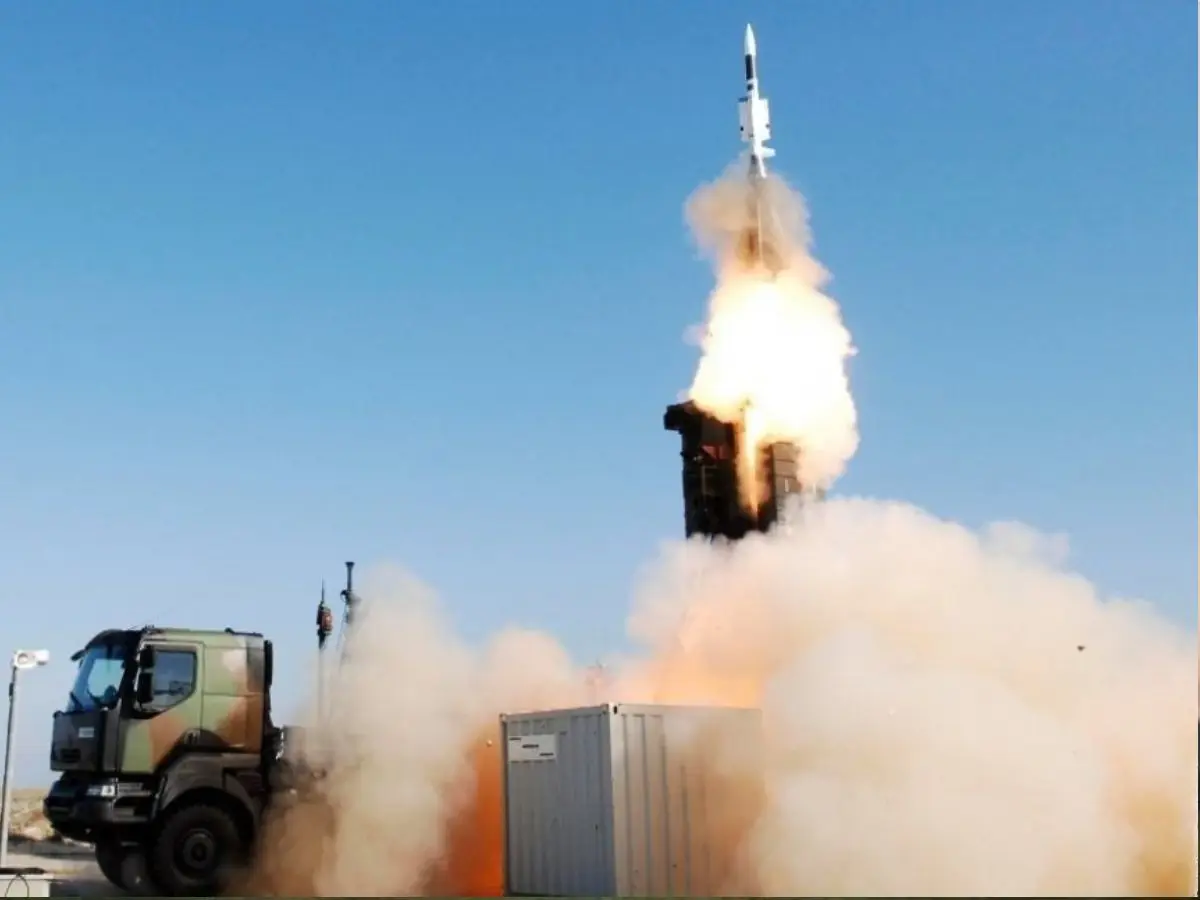
The Samp/T battery carries 48 Aster 30 missiles in vertical launch canisters. This design means missiles can engage threats from any direction and fire in rapid sequence. Each unit typically includes one radar and up to six launchers, each holding eight missiles. By contrast, the Patriot’s slanted launcher layout limits all‑round coverage.
Long‑range interception capability
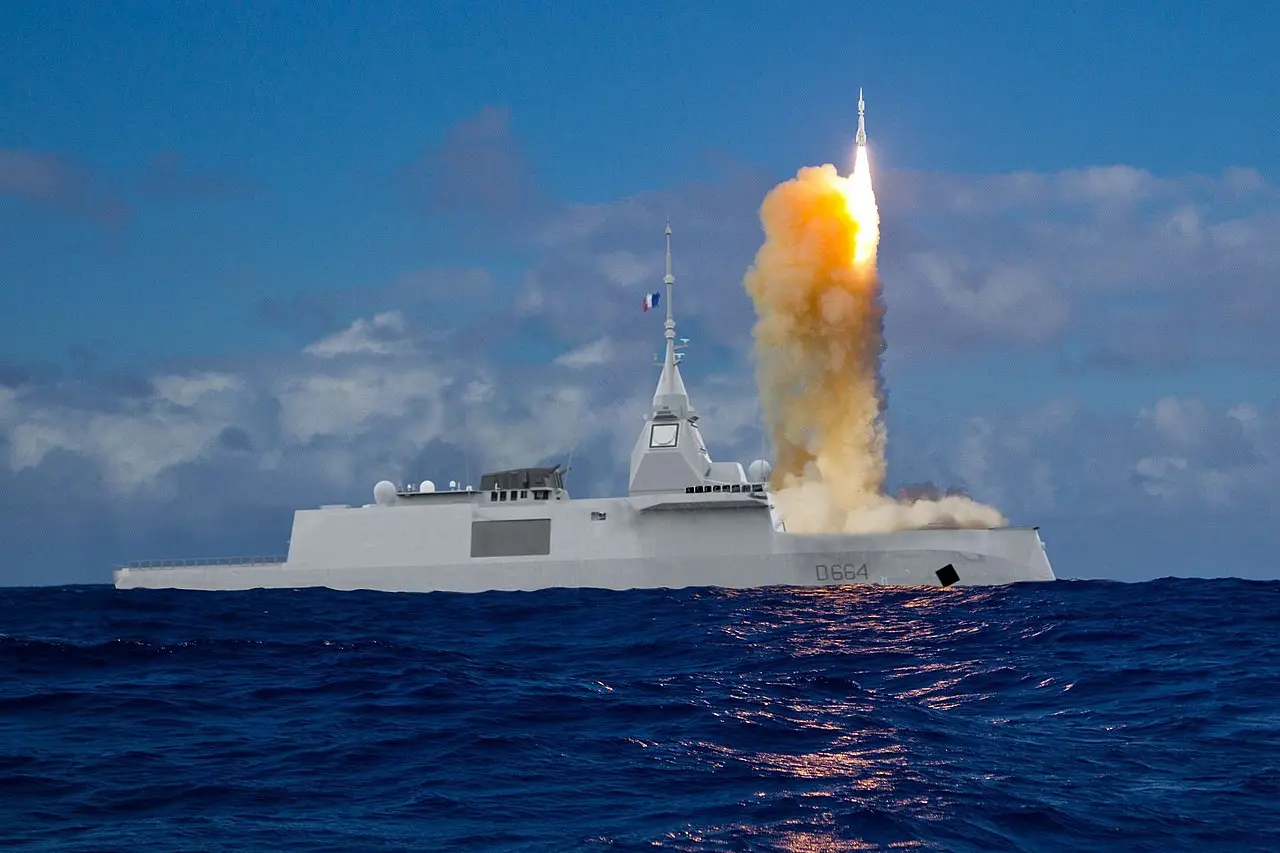
The Aster 30 missile is central to Samp/T’s performance. Eurosam reports it can intercept aircraft and cruise missiles at ranges up to 150 kilometres and detect manoeuvring ballistic missiles at distances beyond 600 kilometres. This range and hit‑to‑kill ability directly challenge the US Patriot’s PAC‑3 MSE missile.
Mobility and lean crew requirements
Designed for quick relocation, Samp/T batteries can be deployed and operated by about 15 personnel. In comparison, the US Army typically uses around 90 soldiers for a Patriot battery. This compact design supports mobility and faster repositioning in changing battlefield conditions, an advantage highlighted by Eurosam at the Paris Air Show.
Limited but growing global presence
Since its introduction in 2011, Samp/T has secured 18 full orders. France and Italy use it domestically, Singapore has purchased a customised version, and two batteries have been supplied to Ukraine. By contrast, the US Patriot has more than 240 orders from 19 countries, making it NATO’s most widely deployed air defence system, according to the SIPRI 2025 report.
Outlook and competition
France’s push for Samp/T fits into a broader European goal of reducing reliance on US systems. Advanced radar, vertical launch and mobility make it technically competitive. But the system still faces the challenge of matching the Patriot’s proven record and production scale. Future contracts and shifting defence budgets will determine whether Samp/T can significantly change the global balance.
)
)
)
)
)