What is Eurofighter Typhoon that Bangladesh is considering to replace its MiG-29 fighter jet fleet?

While the Typhoon offers world-class capability, it also demands major investment in supporting infrastructure, including simulators, new maintenance facilities, spares pipelines and extensive pilot training.
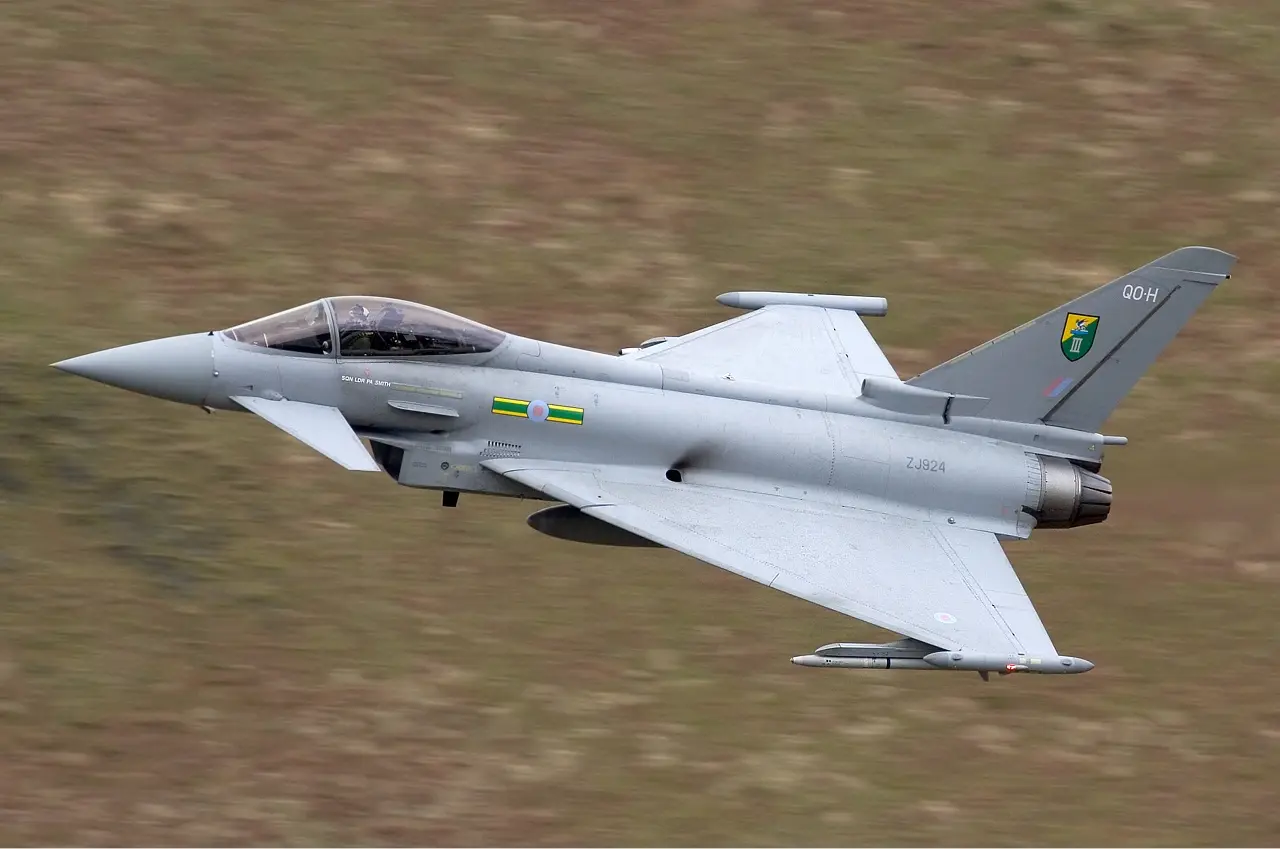
1. A Modern, Multirole Fighter Jet Designed for Air Superiority and Strike Missions
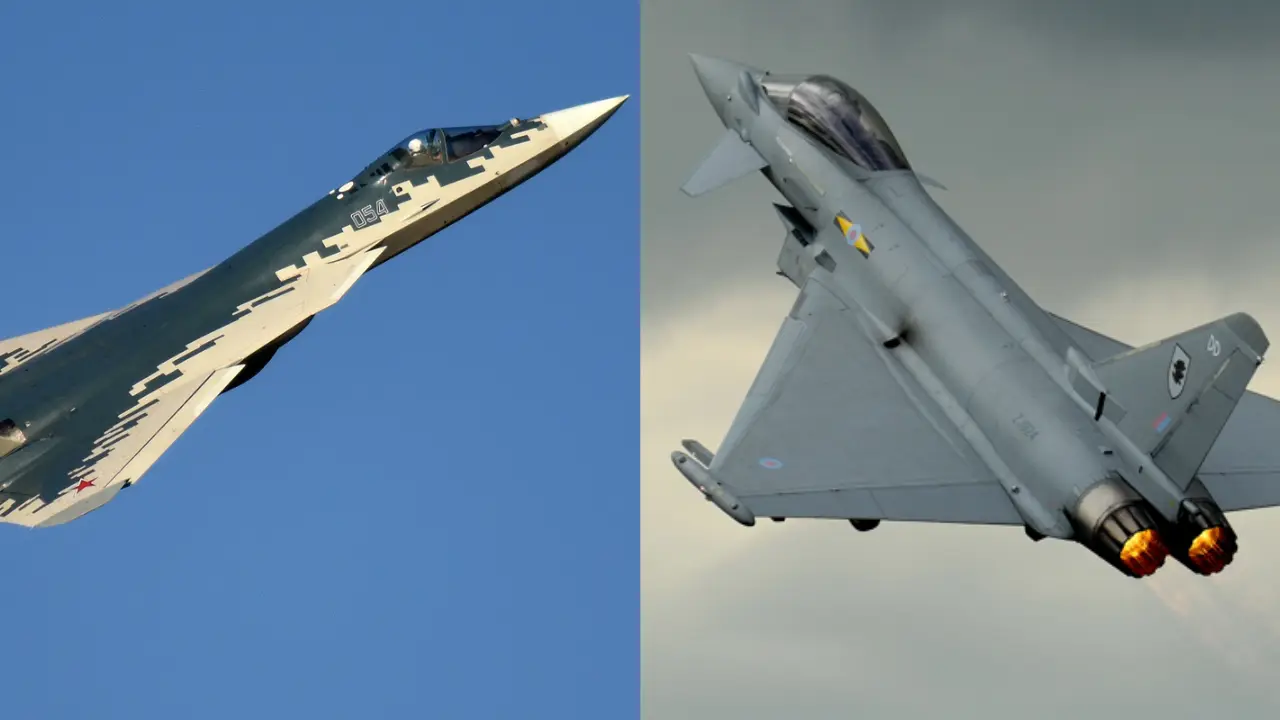
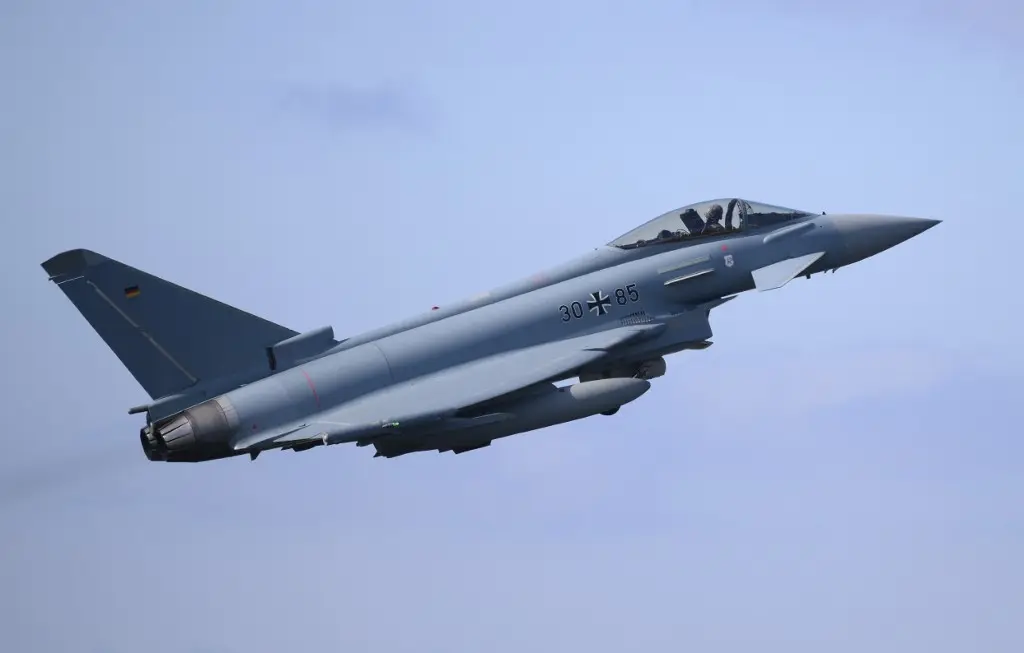
The Eurofighter Typhoon is one of the world’s most advanced multirole combat aircraft, built jointly by the UK, Italy, Germany and Spain. Designed with a delta-canard frame and fly-by-wire controls, it excels in high-speed manoeuvrability and rapid role-switching, offering both air-superiority performance and precision strike capability in the same mission. This “swing-role” flexibility is a major upgrade over Bangladesh’s older MiG-29s, which were primarily air-defence fighters with limited multirole reach.
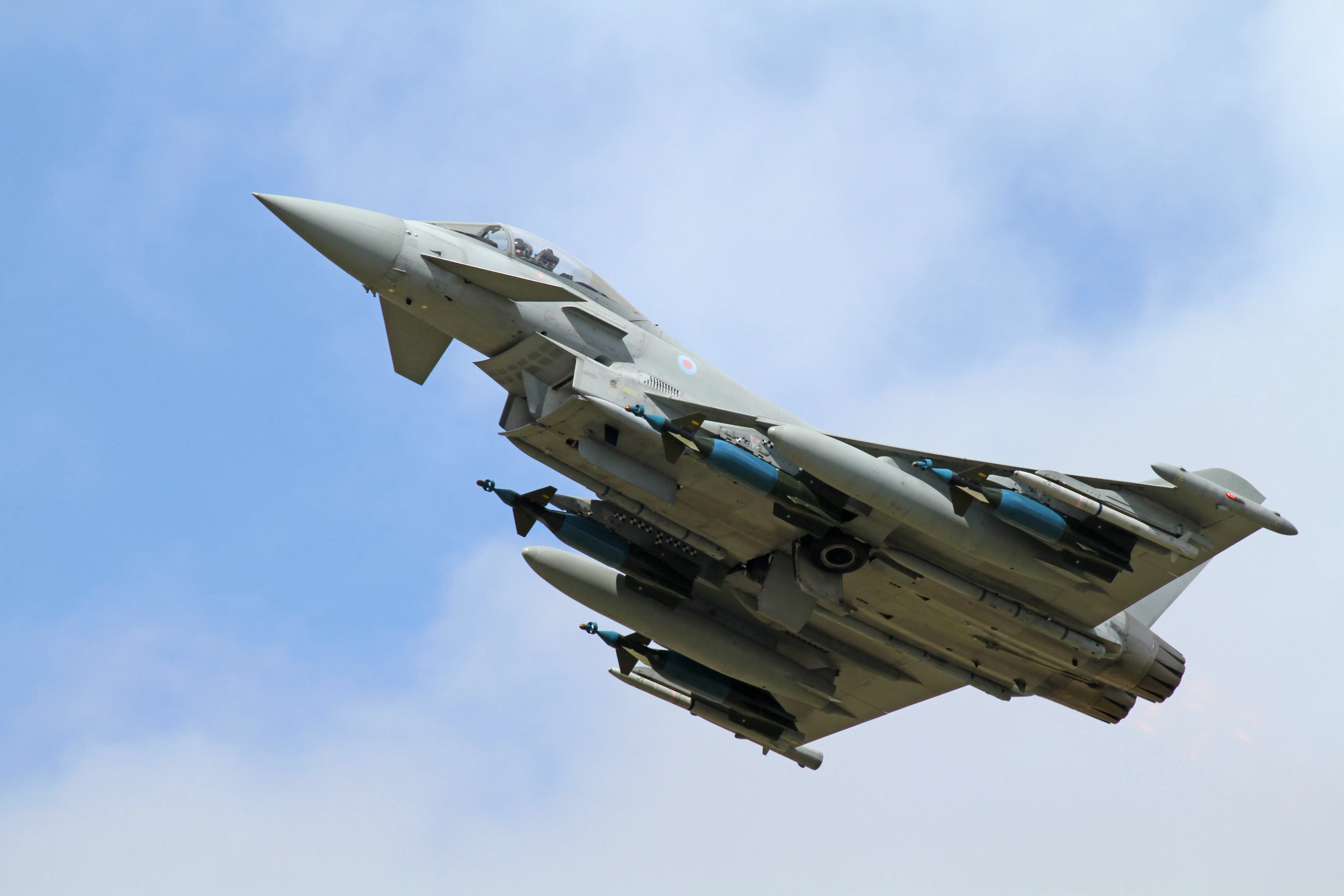
2. A Major Leap in Sensors, Radar, and Situational Awareness
The latest Typhoon variants are equipped with Captor-E AESA radar, advanced electronic warfare systems, infrared tracking and modern digital avionics, offering far superior situational awareness compared to legacy jets. These technologies allow pilots to detect, track and target threats much earlier and at greater ranges. Bangladesh Air Force (BAF) pilots will experience a substantial jump in technology and capability over the MiG-29, whose radar and avionics are decades old.
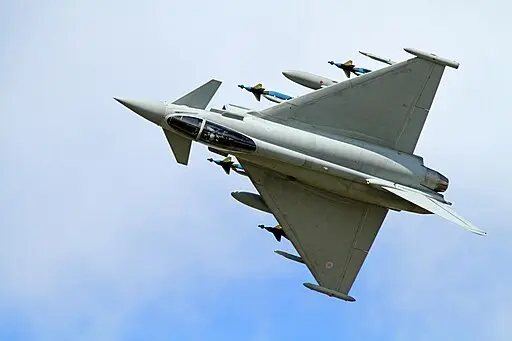
3. Superior Weapons Load and Combat Flexibility
The Typhoon can carry up to 13 hardpoints packed with modern weapons, including advanced air-to-air missiles like Meteor and AMRAAM, precision-guided bombs, anti-ship missiles, and long-range standoff weapons. This gives Bangladesh the ability to perform air defence, ground attack, maritime strike and patrol missions using a single aircraft type. The MiG-29 fleet, by comparison, has limited compatibility with modern weapons and limited mission flexibility.
4. A Major Shift in Bangladesh’s Defence Partnerships
By selecting the Eurofighter Typhoon, a Western-built platform, Bangladesh signals a shift away from older Soviet/Russian and Chinese aircraft that have dominated its fleet for decades. The Letter of Intent signed with Italy’s Leonardo marks a major geopolitical evolution, bringing Bangladesh’s defence procurement more in line with NATO-aligned suppliers. This opens the door to Western training, maintenance standards and weapons ecosystems that were previously out of reach.
5. Replacing Ageing MiG-29s and Preparing for Future Regional Challenges
Bangladesh’s MiG-29s, inducted in the late 1990s, are reaching the end of their life cycle and lack the advanced sensors, weapons and endurance required for modern air combat. The Typhoon gives Bangladesh the ability to defend its airspace with longer-range interception, quicker reaction capability and stronger maritime presence over the Bay of Bengal. As Dhaka modernises under Forces Goal 2030, the Typhoon fits the long-term vision for a technologically advanced air force.
6. A High-End Jet With High Costs — Training, Infrastructure and Operations Will Transform BAF
While the Typhoon offers world-class capability, it also demands major investment in supporting infrastructure, including simulators, new maintenance facilities, spares pipelines and extensive pilot training. Transitioning from Soviet-era systems to Western ones will require a significant learning curve. Operating costs will be much higher than the MiG-29, but this investment is part of Bangladesh’s push to modernise its forces and boost national air defence readiness.
7. A Statement of Intent: Bangladesh Wants a Modern, Future-Ready Air Force
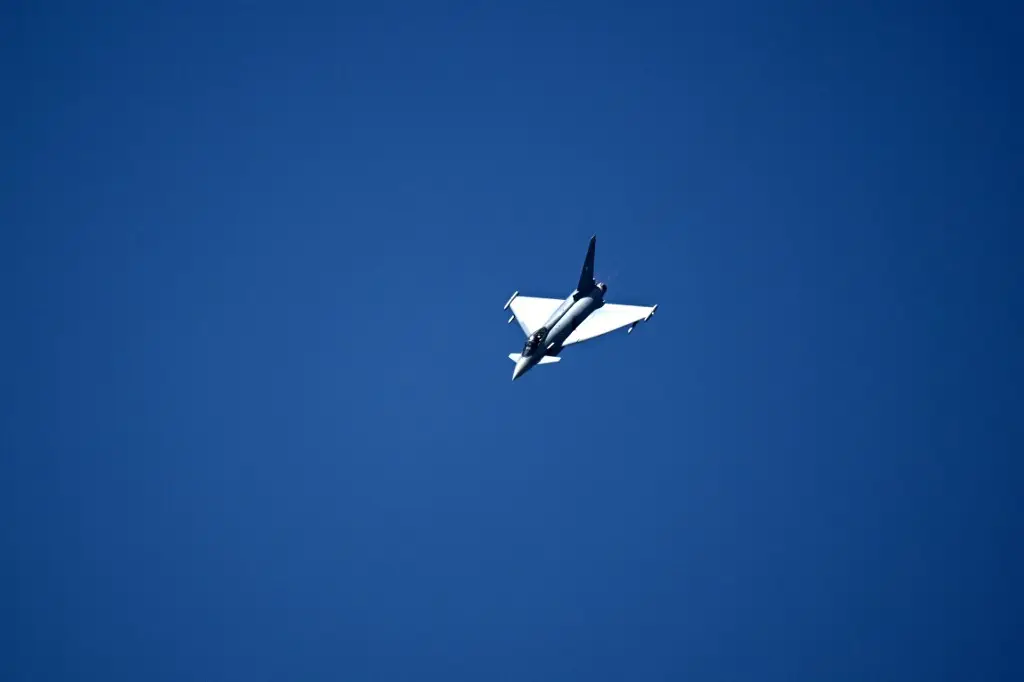
By moving towards the Eurofighter, Bangladesh is signalling that it wants to move beyond basic air policing and towards a credible, modern, multirole air-combat capability. If the Typhoon deal is finalised, BAF will become one of the few South Asian forces operating a cutting-edge Western fighter. This strengthens Bangladesh’s regional posture, boosts deterrence, and positions its air force for the next 30 years of technological evolution.
)
)
)
)
)