What is Eagle 44 and how Iran built an underground airport to protect its fighter jets against US strikes?

The answer lies in ancient history. For 3,000 years, Persians have been masters of digging Qanats (underground water channels).
1. The Unveiling: A City Beneath the Rock
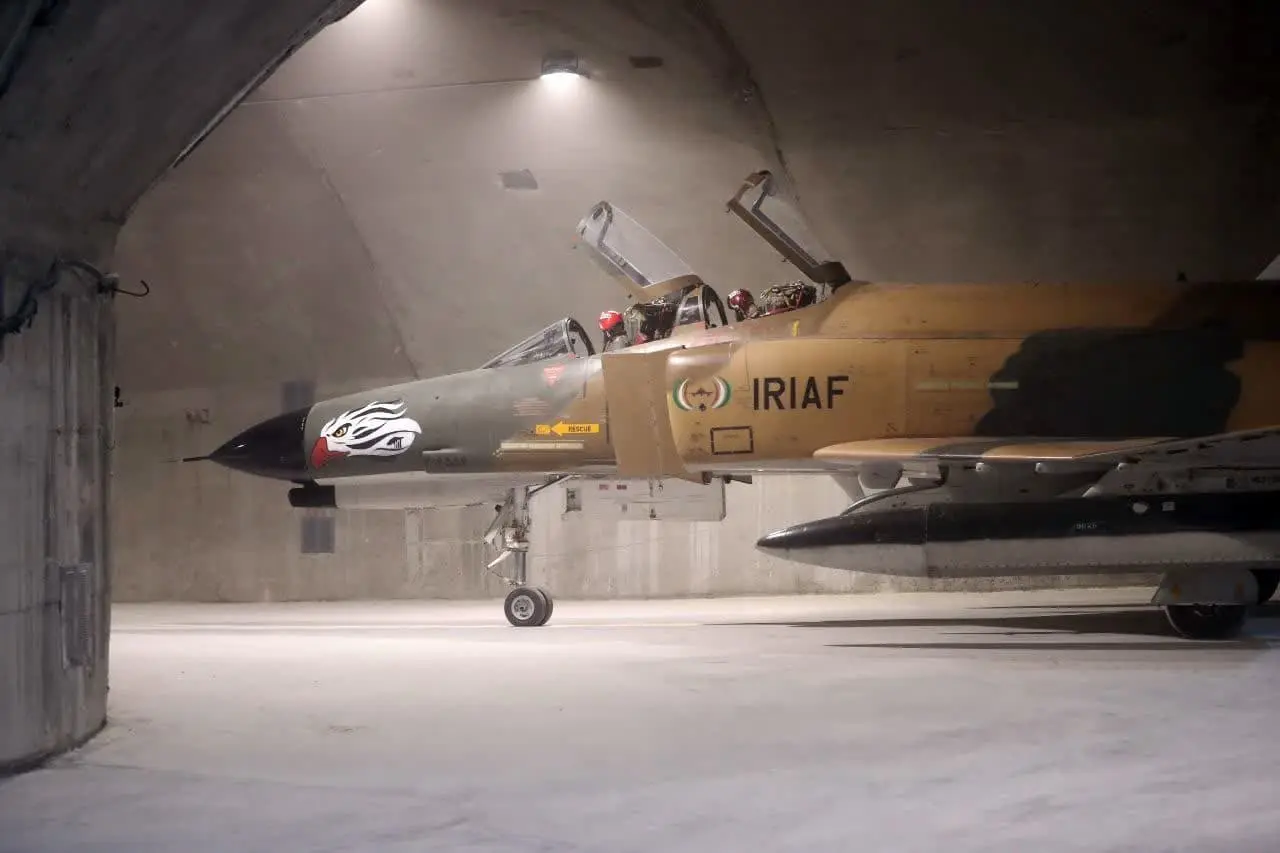
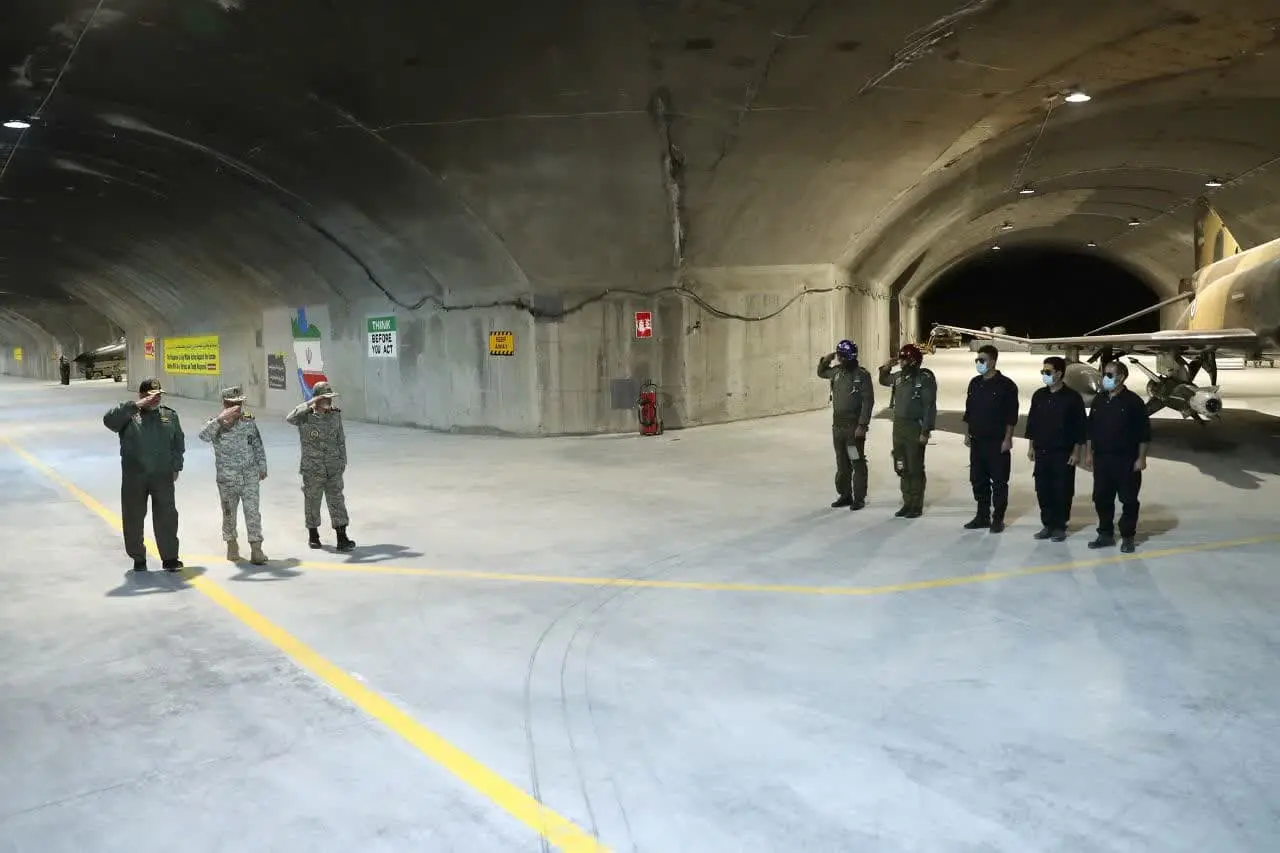
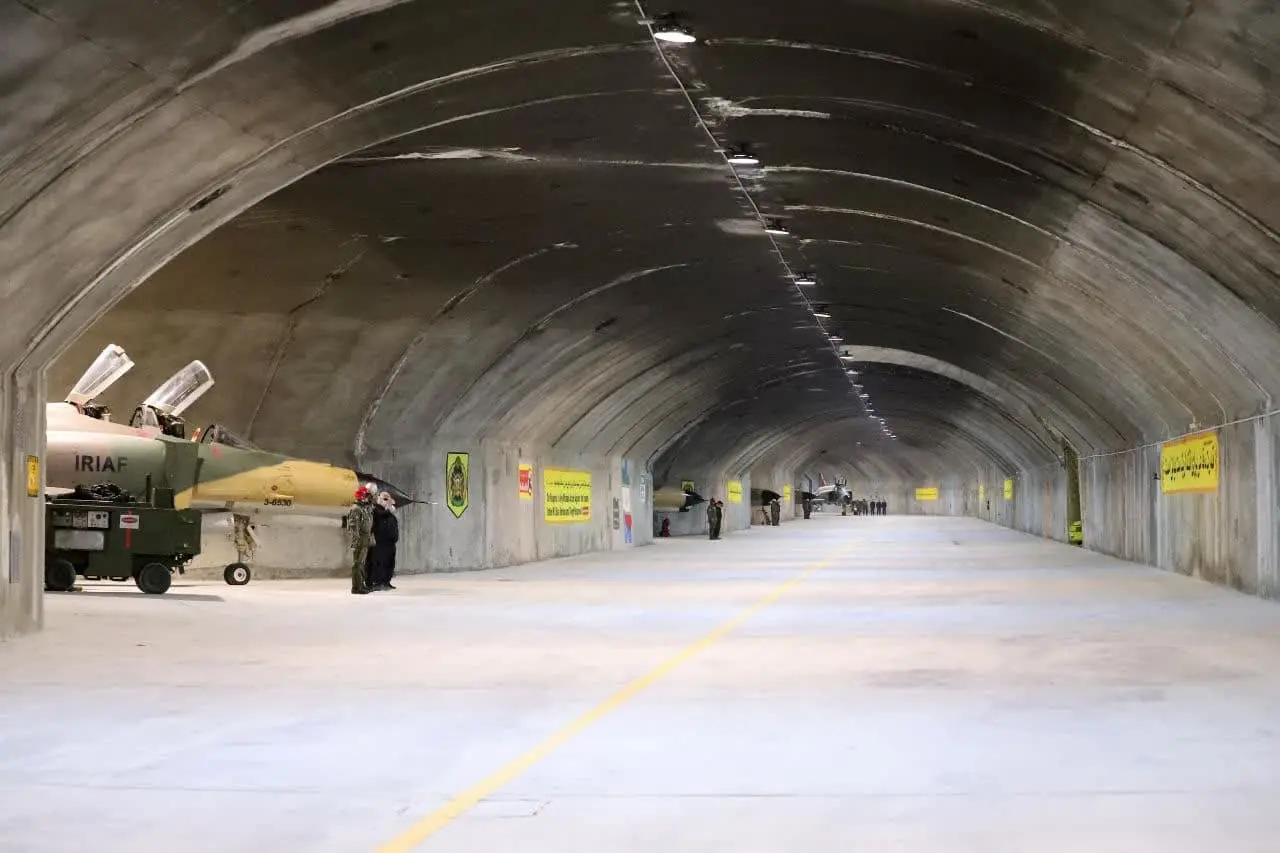
In February 2023, amidst rising tensions with Israel, Iranian state media released a slickly produced propaganda video that shocked Western defence analysts. It showed a reporter travelling deep into the Zagros Mountains, passing through massive blast doors to reveal "Oghab 44" (Eagle 44). Unlike previous "missile cities" which were merely storage silos, this was a fully functioning tactical airbase buried hundreds of metres underground. It had fuel depots, command centres, maintenance hangars, and most critically, fighter jets taxiing through tunnels, ready to sortie.
2. The Location: Hiding in Plain Sight
While Tehran kept the exact location a state secret, open-source intelligence (OSINT) analysts quickly geolocated the base to the Hormozgan province, approximately 120 km northwest of Bandar Abbas. The location is strategic genius: carved into rigid rock, it sits close enough to the Strait of Hormuz to launch attacks on US warships but deep enough inland to be shielded by layers of natural granite and air defence batteries.
3. The Strategy: The "Coffin" vs. The "Castle"
The strategic logic of Eagle 44 is simple: Survivability. Iran knows its Air Force (IRIAF), comprised of aging American F-14 Tomcats and F-4 Phantoms, cannot survive a direct dogfight with US F-35s. Instead of leaving them on open runways to be destroyed in the first hour of a war (like Saddam’s air force in 1991), Iran hides them. The base allows jets to be refuelled, rearmed with Asef long-range cruise missiles, and launched from underground exits to deliver a "second strike" after the initial enemy wave has passed.
4. The Engineering Feat: From Water to War
How did Iran build it? The answer lies in ancient history. For 3,000 years, Persians have been masters of digging Qanats (underground water channels). The IRGC repurposed this civilian tunneling expertise for military use. The tunnels in Eagle 44 are reinforced with concrete and blast shields, designed to withstand not just airstrikes but also chemical or nuclear fallout. They are wide enough for jets to move but narrow enough to minimise the blast wave if a missile breaches the entrance.

5. The Russian Connection: Preparing for the Su-35
The most alarming detail noticed by satellite imagery experts wasn't the old F-4 Phantoms seen in the video; it was what wasn't there yet. Analysts spotted a full-scale mock-up of a Russian Su-35 Flanker jet inside the base’s construction zone. This confirmed that Eagle 44 was not built for the past, but for the future. It was sized specifically to house the advanced Russian fighters Tehran has sought to acquire, protecting their most valuable aerial assets from US preventative strikes.

6. The Achilles' Heel: The Exits
Despite its impressive depth, Eagle 44 has a fatal flaw: Physics. While the jets are safe inside, they must eventually come out. The base relies on a surface runway connecting the tunnel exits. If the US Air Force uses "runway cratering" munitions to destroy the tarmac outside, the mountain fortress becomes a tomb. The jets inside would be trapped, unable to take off, rendering the base useless without a single bunker buster penetrating the main complex.
7. The Ultimate Counter: The GBU-57
The existence of Eagle 44 is the primary reason the US maintains the B-2 Spirit fleet. Standard cruise missiles cannot scratch a base buried this deep. The only conventional weapon in the US arsenal capable of killing Eagle 44 is the GBU-57 Massive Ordnance Penetrator (MOP), a 30,000-pound GPS-guided bomb designed to punch through 60 metres of concrete before detonating. The standoff between Eagle 44 and the B-2 bomber defines the current military calculus: a game of "hide and seek" played with hypersonic missiles and mountain-crushing bombs.
)
)
)
)
)