What is Discord? Inside the chat app tied to Nepal’s Gen Z protests and Charlie Kirk case

Launched in May 2015 by Jason Citron and Stanislav Vishnevskiy, Discord was originally intended as a voice-enabled chat service for gamers, designed to operate without affecting gameplay.
Introduction: From Gaming to Global Uprising
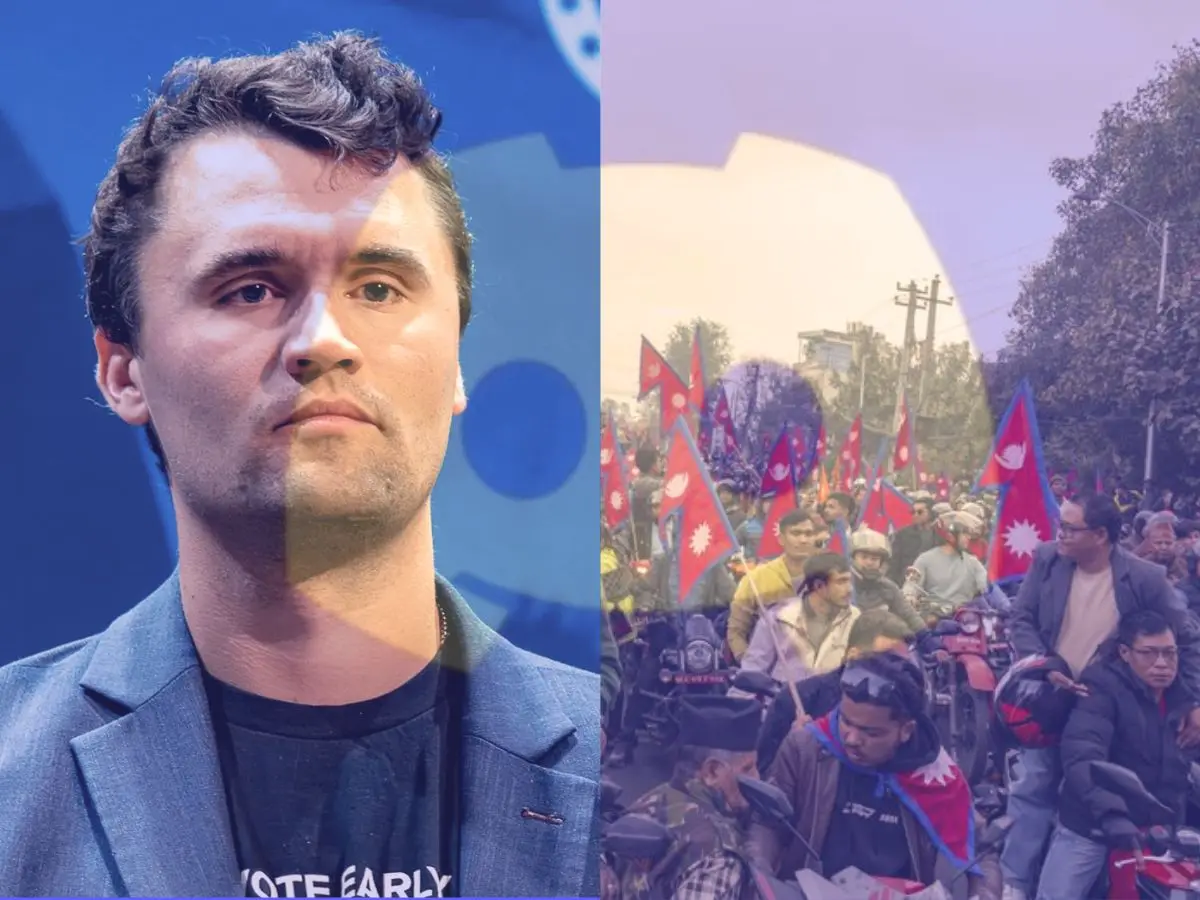
A gaming chat app has unexpectedly entered the centre of global headlines. Discord, once a platform for seamless communication among gamers, has played a key role in political upheaval in Nepal, enabling Gen Z protesters to organise nationwide demonstrations that led to the fall of the KP Sharma Oli government and even influence the selection of an interim prime minister. Simultaneously, the platform surfaced in the investigation of activist Charlie Kirk’s killing in the United States.
What is Discord?
Launched in May 2015 by Jason Citron and Stanislav Vishnevskiy, Discord was originally intended as a voice-enabled chat service for gamers, designed to operate without affecting gameplay. Over the years, the platform evolved into a versatile communication service, offering text, voice, and video channels, as well as screen sharing, streaming, and moderation tools. Discord servers can host up to 5,00,000 users, with 2,50,000 active simultaneously, allowing large-scale coordination and discussion. Its interface, which combines features of Skype, Slack, and Teams, has attracted users beyond gaming, including coders, activists, and student communities.
Discord in Nepal’s Gen Z Protests
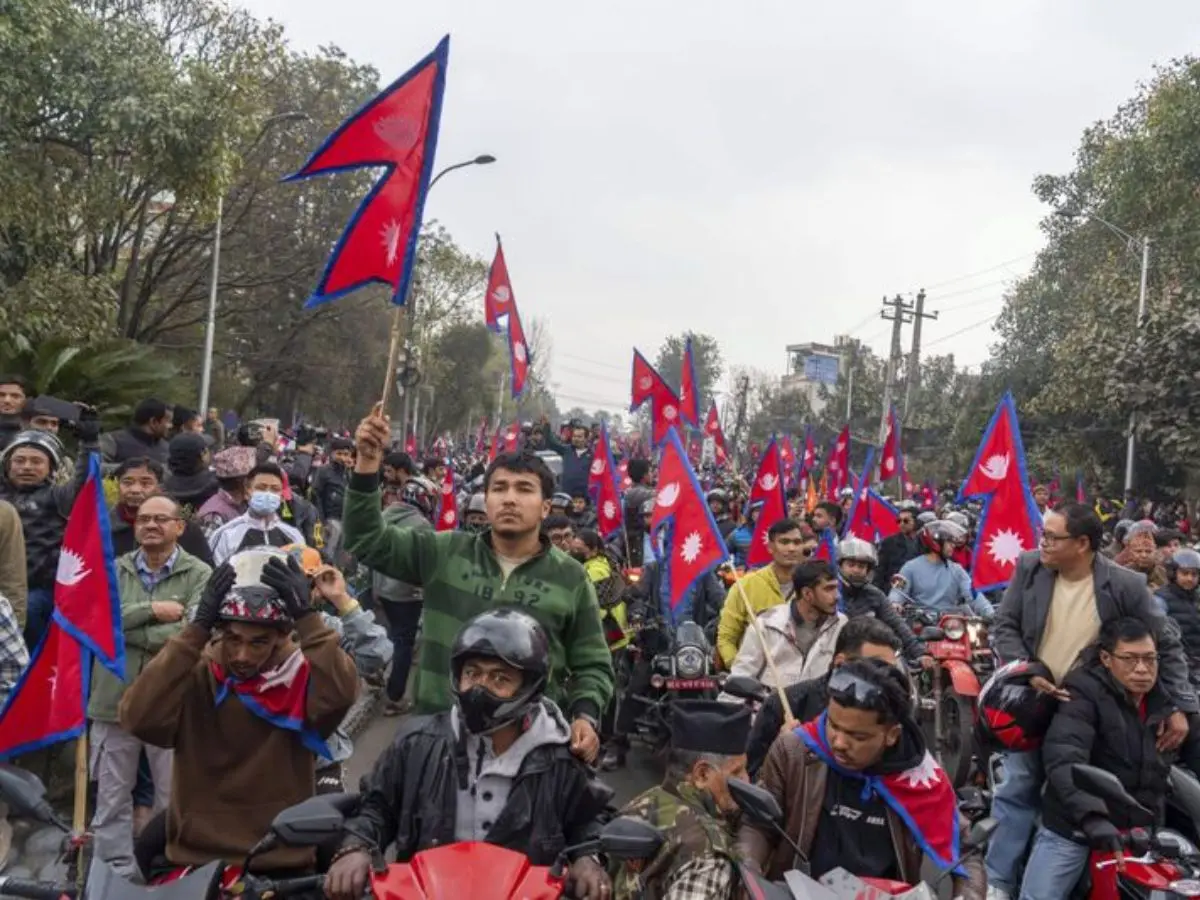
Following the ban on 26 social media platforms, Nepalese youth turned to Discord to organise protests under the ‘Youth Against Corruption’ server. The platform facilitated polls, information dissemination, fact-checking, and emergency coordination.
Server Poll
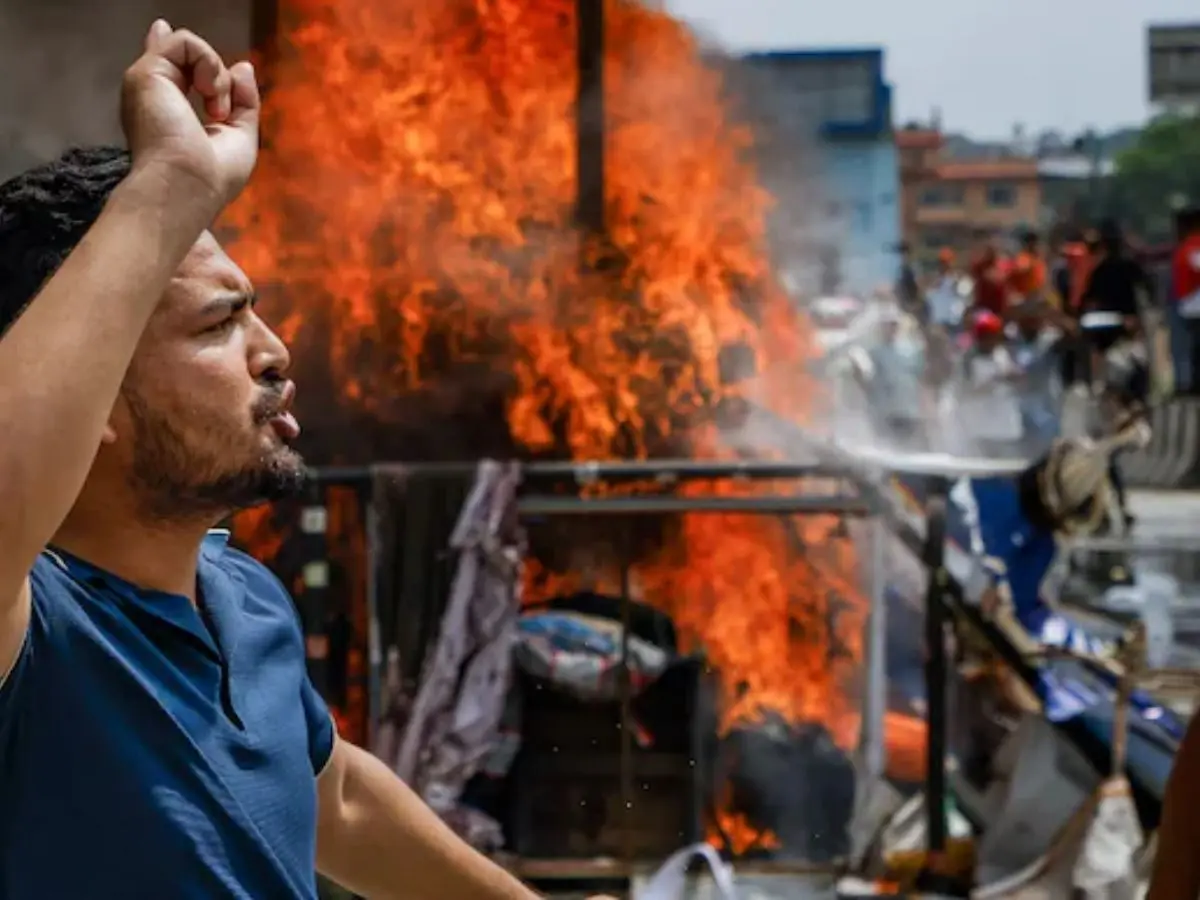
Through a server poll, members elected former Chief Justice Sushila Karki as Nepal’s first female interim prime minister on September 10, 2025. The server reportedly had 1,30,000 members, although locations could not be independently verified. This digital coordination allowed the Gen Z movement to bypass traditional restrictions and maintain momentum despite curfews and internet blocks.

Discord and the Charlie Kirk Case
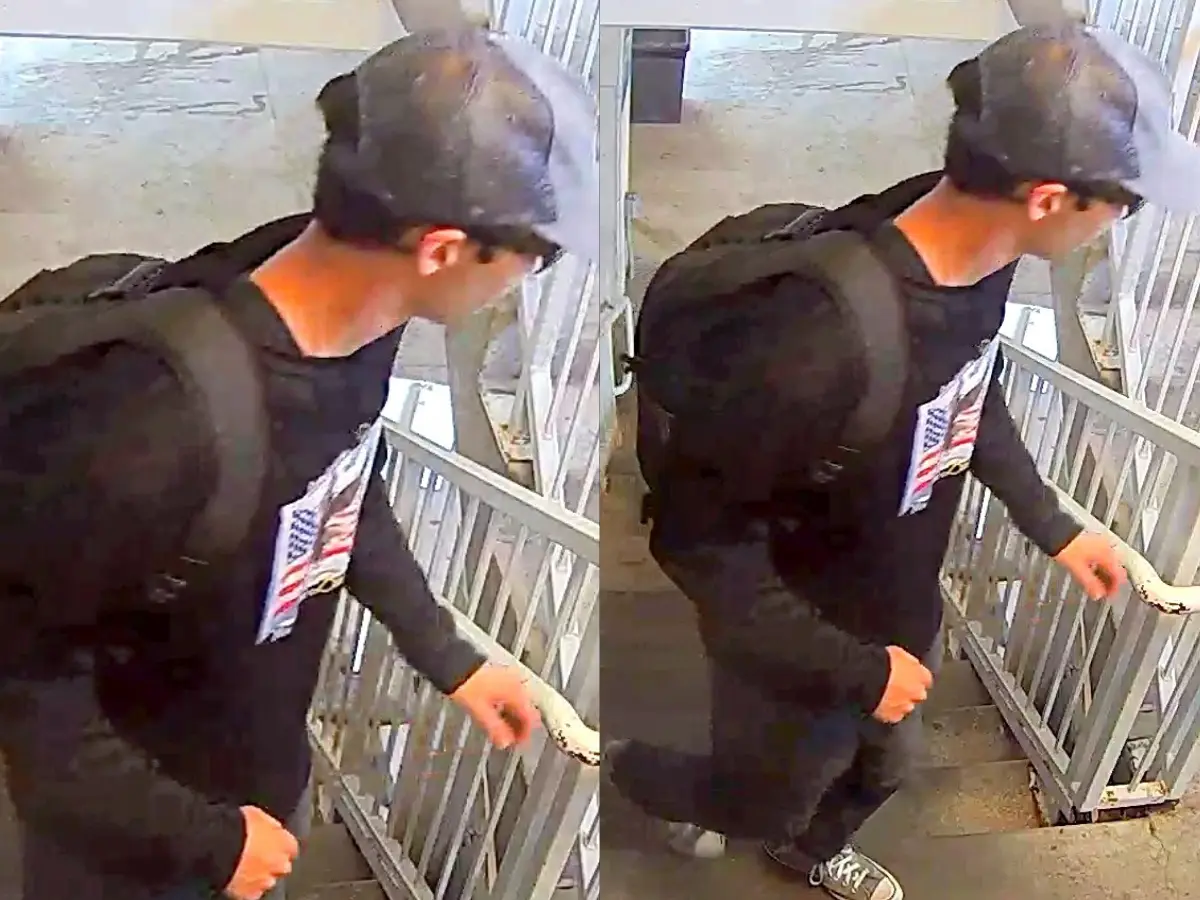
In a separate case in the United States, Discord came under scrutiny following the shooting of activist Charlie Kirk at Utah Valley University. Investigators traced key evidence to messages sent from a Discord account believed to belong to 22-year-old suspect Tyler Robinson, who was subsequently arrested in connection with the murder. Utah Governor Spencer Cox stated in a press briefing that Robinson’s roommate provided access to the account, named ‘Tyler with an emoji,’ which contained messages detailing the retrieval and concealment of a rifle, changing clothing to avoid detection, and preparing ammunition.

Discord response
According to HT, Discord clarified that no evidence was found linking the platform to planning or promoting the attack, stating that reported messages originated from outside the app. The suspect’s account was subsequently removed. While the platform was cited in media reports, Discord emphasised that it did not facilitate the crime.
Why Discord Resonates with Gen Z
Discord’s structure, servers, channels, and large-group communication makes it particularly suitable for mass mobilisation. Unlike Instagram or X, it lacks endless feeds, focusing instead on targeted communication and community management. During the Nepal protests, distinct channels handled announcements, Q&A, emergency support, and updates from the ground, enabling structured coordination across thousands of participants. The platform’s adaptability has made it an essential tool for both activism and large online communities globally.
)
)
)
)
)