What is 'Dead Hand System' and why Russian nukes would keep firing even if the entire planet is dead

Here's how Russia’s “Dead Hand” officially known as Systema "Perimeter" (GRAU Index 15E601) actually works
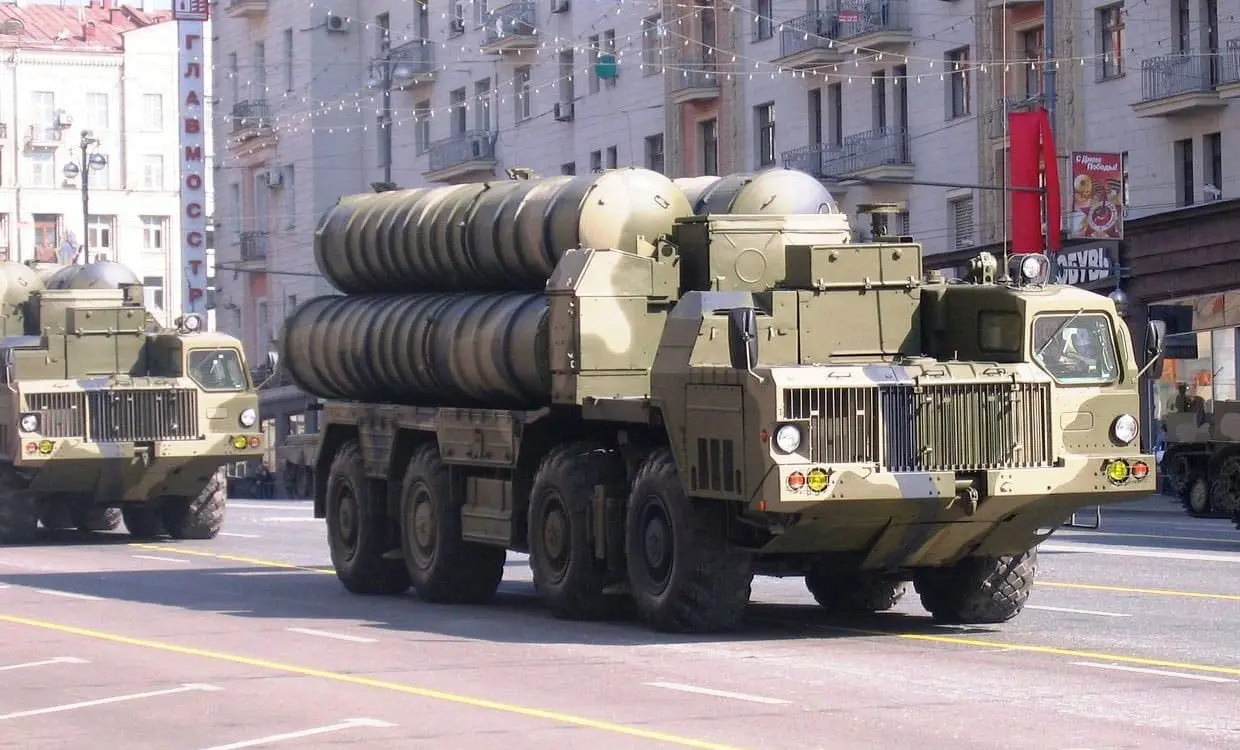
1. The Ultimate "Fail-Deadly" Mechanism
During the Cold War, the Soviet Union grew increasingly paranoid about a “decapitation strike”, a sudden, overwhelming American nuclear attack designed to vaporise Moscow and kill the entire Soviet leadership before they could issue an order to fire back. To ensure Mutually Assured Destruction (MAD), the Soviets built "Perimeter." Often referred to as a "fail-deadly" mechanism (the apocalyptic opposite of fail-safe), it was designed to guarantee a massive nuclear retaliation even if every top military commander and politician was already dead.
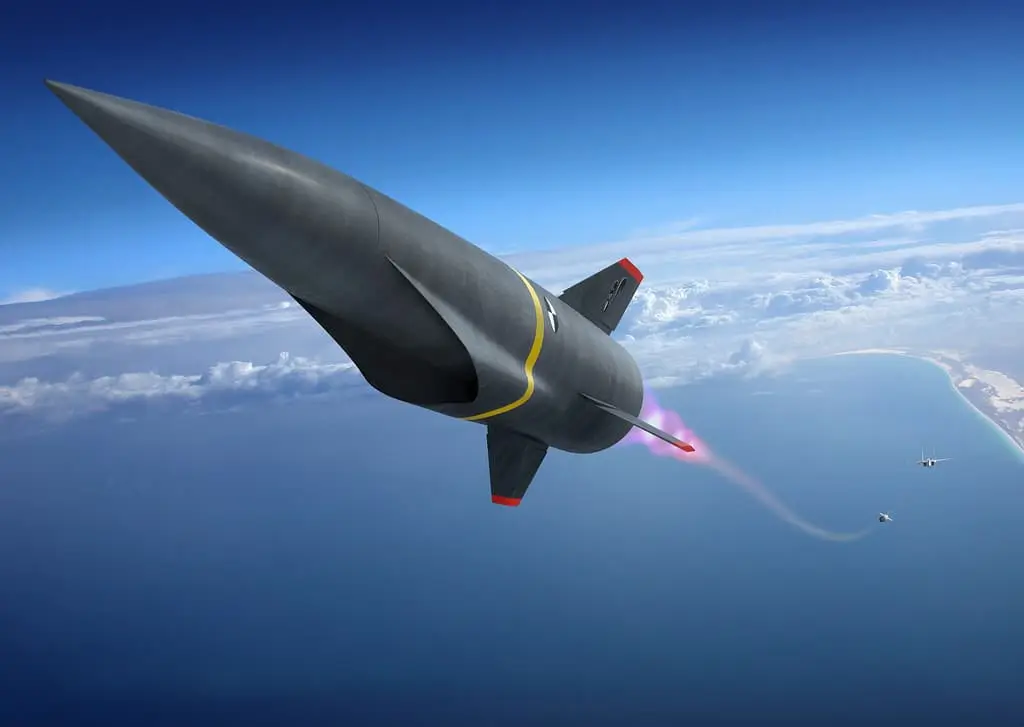
2. A Semi-Dormant Doomsday Machine
Contrary to popular myth, the Dead Hand is not a fully autonomous AI that is always awake and plotting the end of the world. It is a semi-dormant system. In times of relative peace, it remains switched off. It is only when geopolitical tensions reach a boiling point and a nuclear crisis is imminent that the Russian high command actively turns the system "on." This serves as a buffer, preventing a computer glitch from accidentally starting World War III on a random Tuesday.
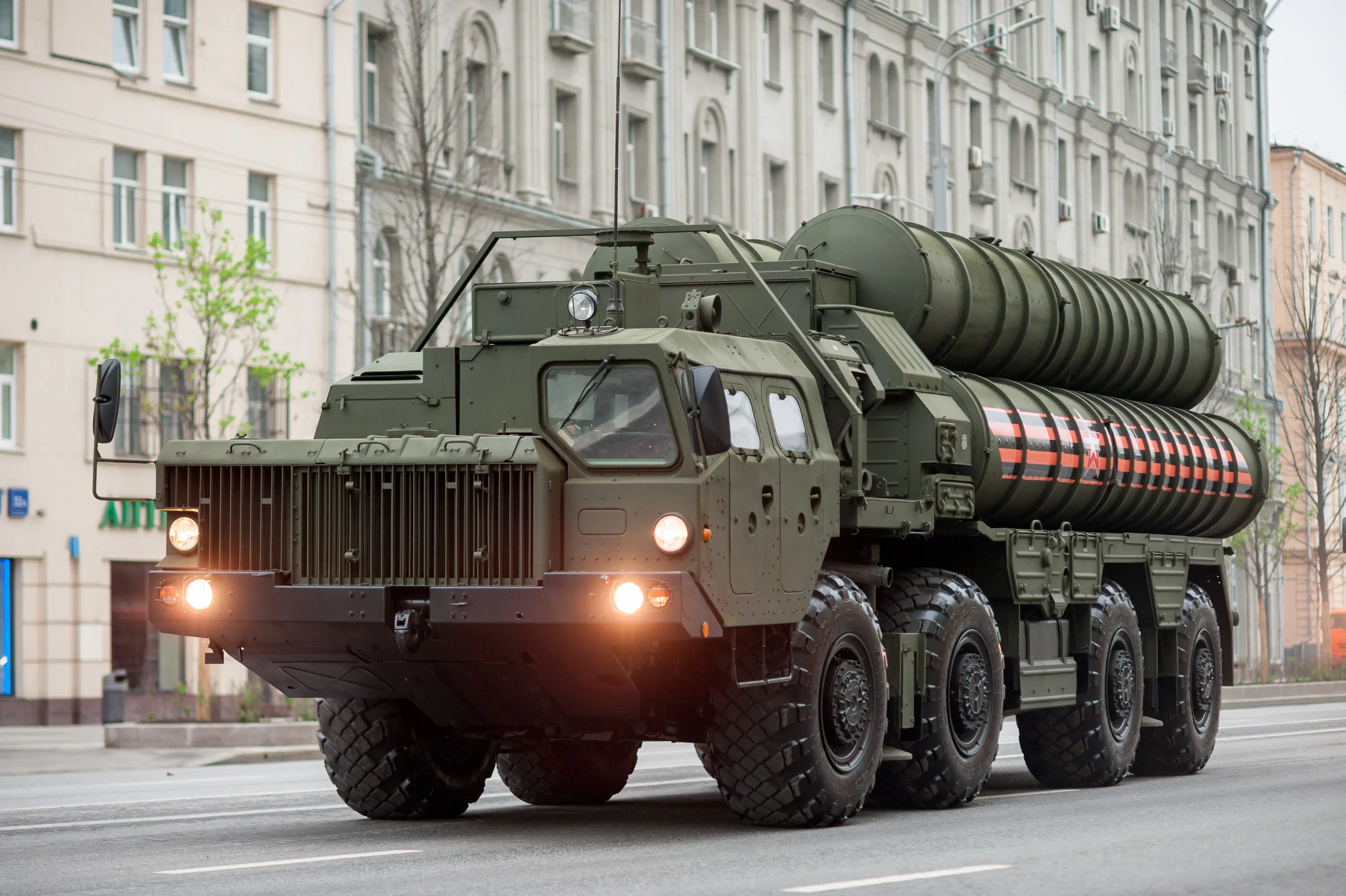
3. The Apocalyptic Sensor Network
Once the Kremlin activates the Dead Hand during a crisis, the system begins "listening" to the country. It is wired into a vast, automated network of sensors scattered across Russian territory. These sensors continuously monitor the environment for the unmistakable signatures of a nuclear detonation: intense flashes of light, sudden spikes in surface radiation, distinct seismic shocks, and massive changes in atmospheric overpressure.
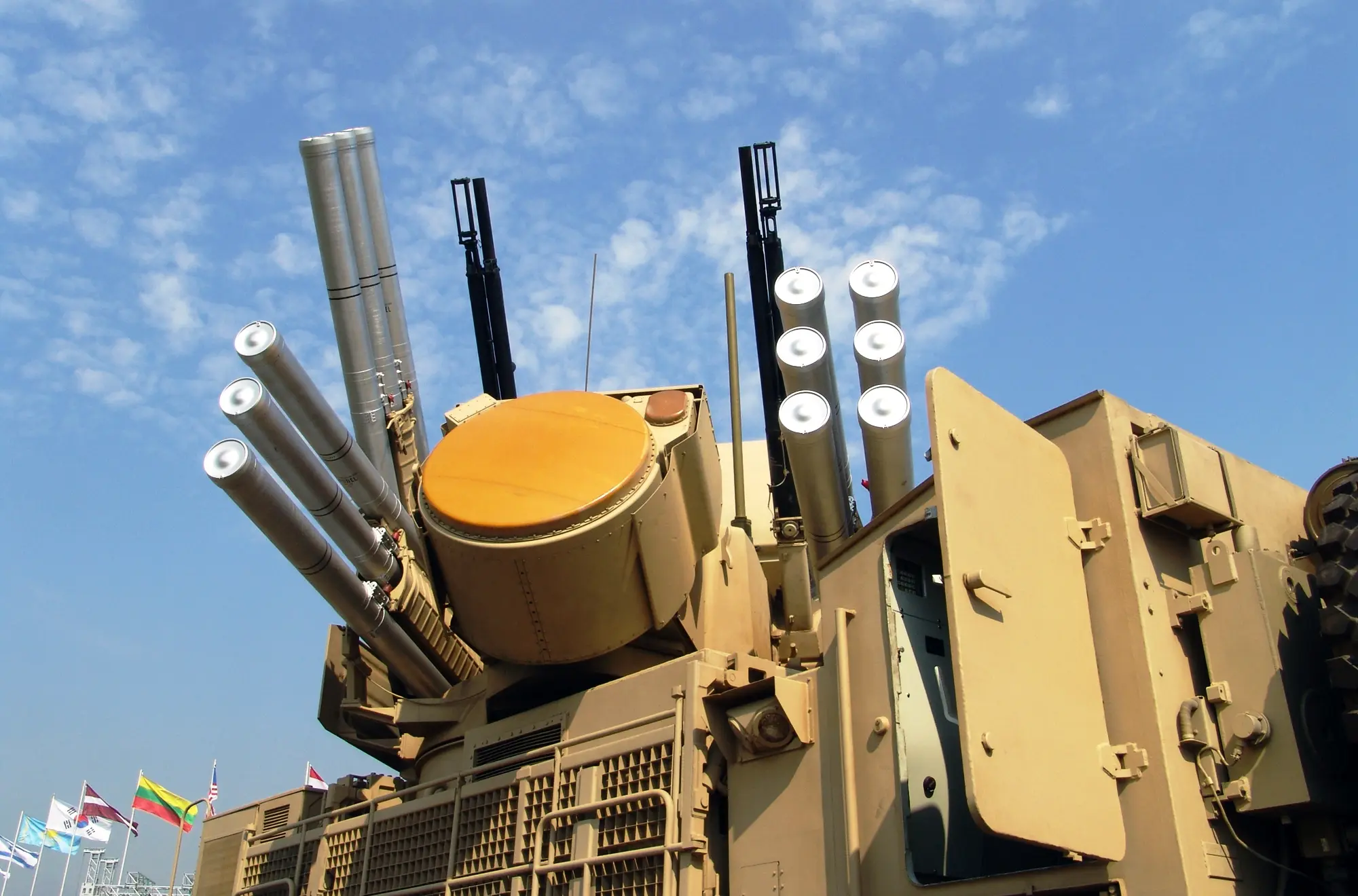
4. Checking for the "Dead Hand"
If the environmental sensors determine that Russian soil has been struck by nuclear weapons, the system initiates its most chilling protocol: it checks the communication lines to the General Staff and the Kremlin's primary command system (known as "Kazbek"). If those lines are completely dead, the system logically infers the worst-case scenario: the leadership has been incinerated, and the apocalypse has arrived.
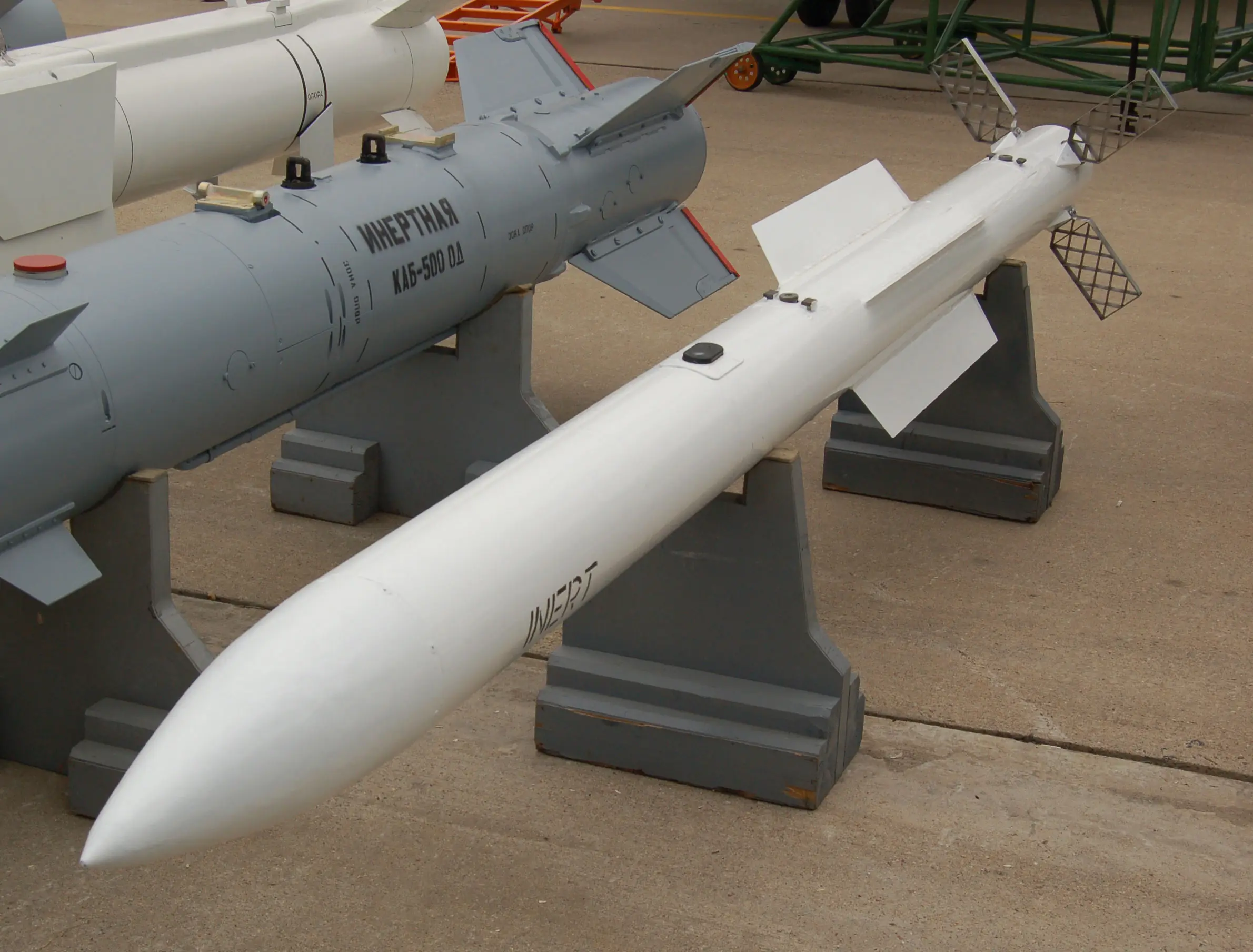
5. The Deep Bunker Human Element
At this critical juncture, most declassified intelligence and arms-control experts indicate the system does not immediately fire the missiles itself. Instead, it automatically transfers total launch authority to a small crew of relatively low-ranking duty officers sealed inside ultra-deep, hardened underground bunkers. Pre-delegated with the authority to end the world, these surviving officers make the final human decision to press the button, knowing their capital is gone and their country is in ruins.
6. The Flight of the Command Rockets
Once authorized (either by the bunker crew or through automated fallback protocols), the Dead Hand does not directly fire the nuclear arsenal at the United States. Instead, it launches specialized "command rockets" (like the 15P011). These rockets do not carry nuclear warheads; they carry powerful radio transmitters. They soar high into the atmosphere, flying over the irradiated expanse of Russia, continuously broadcasting encrypted launch codes downward to all surviving military assets.

7. Automated Retaliation and Global Winter
Deep inside silos spread across the vast Russian landscape, surviving Intercontinental Ballistic Missiles (ICBMs) receive the radio broadcast from the command rockets above. Even if the human crews manning these silos are dead or incapacitated by radiation, the silos are programmed to automatically roll open their concrete lids, ignite their engines, and launch. Hundreds of missiles, commanded effectively by dead men, would rise into the sky and strike pre-programmed targets across the globe, ensuring a global nuclear winter.
)
)
)
)
)