What is 'dangerous fungus' smuggled by Chinese nationals into US: All about head blight disease it causes

Edited By Navashree Nandini
Published: Jun 04, 2025, 16:18 IST | Updated: Jun 04, 2025, 16:18 IST
Two Chinese nationals were arrested in US for smuggling dangerous fungus called Fusarium graminearum. It causes head blight disease: Here's all we need to know

1 / 6
(Photograph: Pexels)
Chinese nationals arrested in US for smuggling dangerous fungus
Two Chinese nationals – a woman and her boyfriend – have been charged for allegedly smuggling a dangerous biological pathogen, Fusarium graminearum, into the United States.
2 / 6
(Photograph: Pexels)
What are biological pathogens?
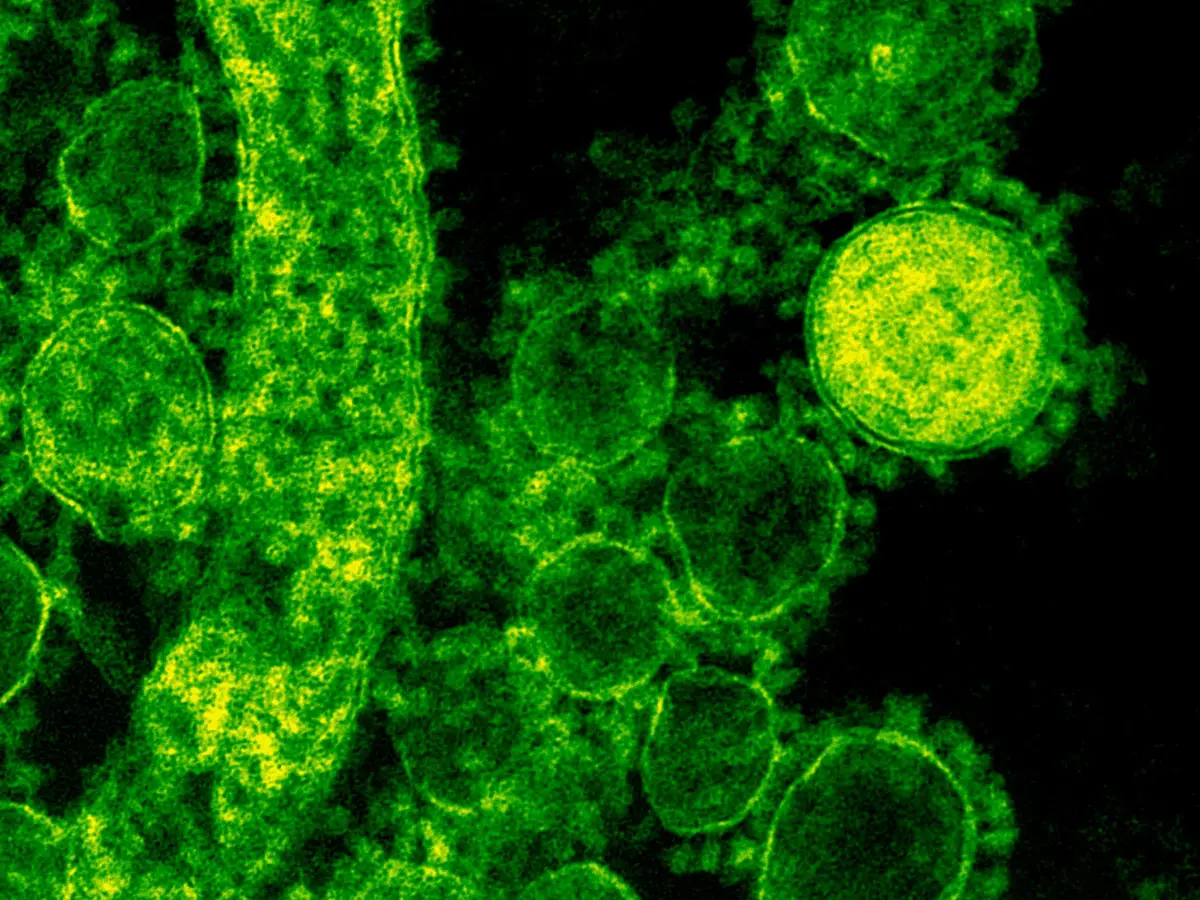
Biological pathogens are microorganisms that can cause disease or harm to other living organisms, including humans, animals, and plants.

3 / 6
(Photograph: Pexels)
What is the 'dangerous fungus'?
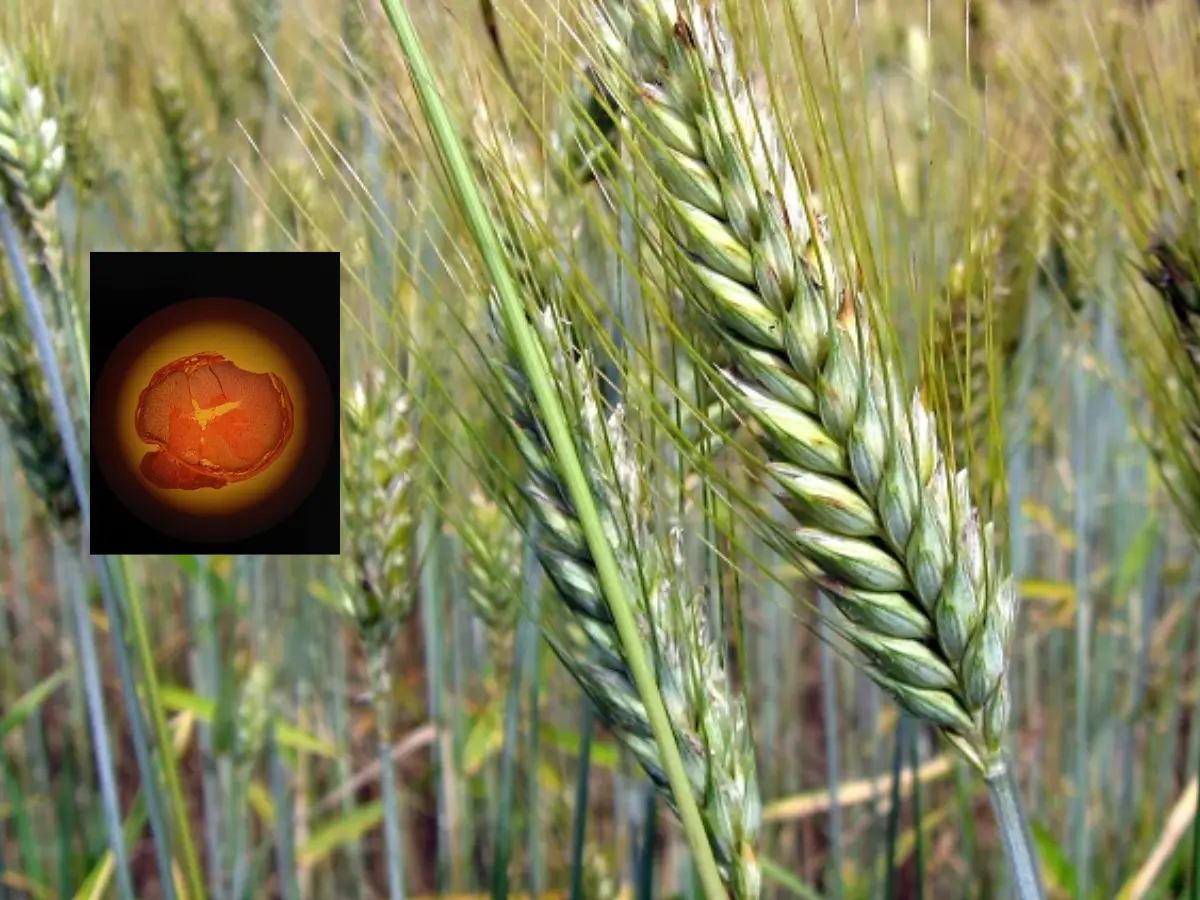
Fusarium graminearum is a harmful fungus that infects cereal crops like wheat, barley, oats, and corn. FBI director Kash Patel said that it causes a disease known as Fusarium head blight (FHB), damaging grain quality and reducing crop yields.

4 / 6
(Photograph: Pexels)
How does the fungus affect the crops?
This fungus produces toxins such as deoxynivalenol and zearalenone, which can contaminate grains. They pose health risks to humans and animals, including vomiting, liver damage, and reproductive issues. Due to its potential to devastate crops and contaminate food supplies, Fusarium graminearum is considered a significant threat to agriculture and food safety.
5 / 6
(Photograph: Pexels)
What is head blight
Head blight is a disease of wheat, barley, maize, and rice, that causes significant health issues in humans and livestock. The FBI director added that head blight is responsible for billions of dollars of losses worldwide each year

6 / 6
(Photograph: Pexels)
What is 'agroterrorism'
Agroterrorism is the deliberate act of introducing plant or animal diseases, pests, or other harmful biological agents into agricultural systems with the intention of causing widespread harm
)
)
)
)
)