What is Cybercab and how Elon Musk's Tesla could challenge Uber's business with it?

Tesla Cybercab is a self-driving taxi service powered by AI and full self-driving tech. With no human driver, it aims to cut ride costs, rival Uber, and reshape city travel using Tesla’s own cars, charging network, and smart software.
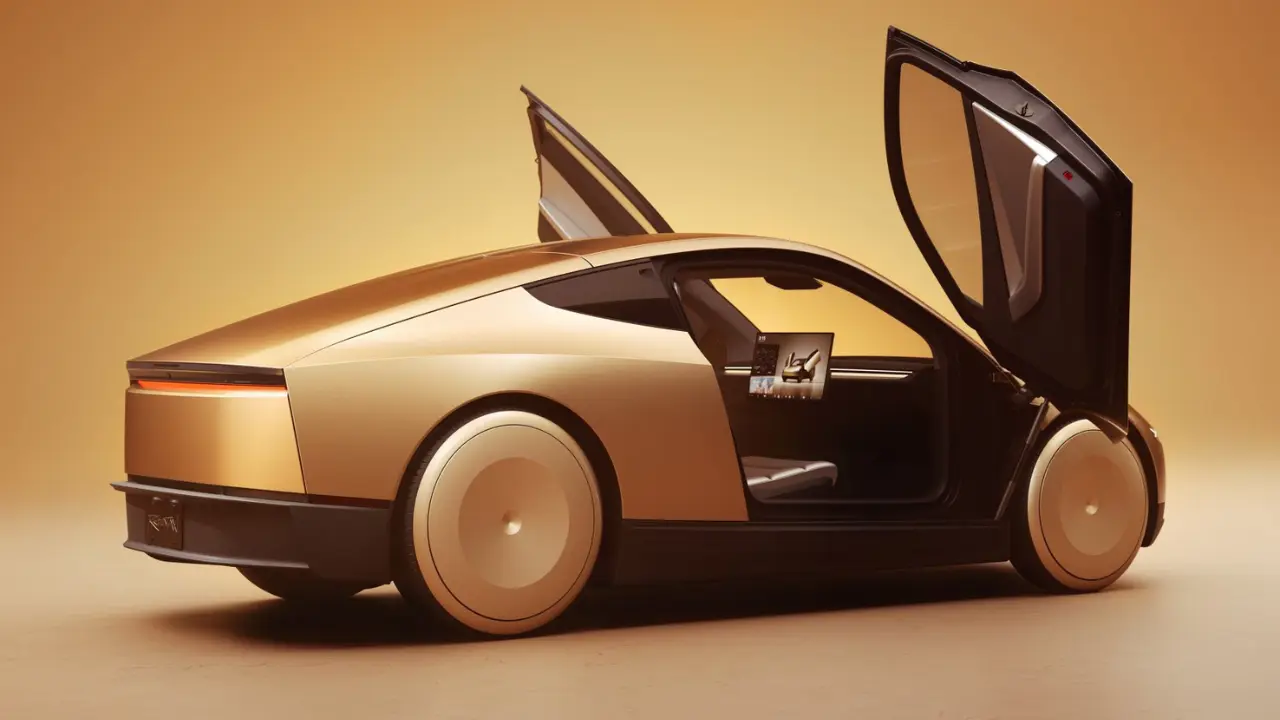
What Is Tesla Cybercab?
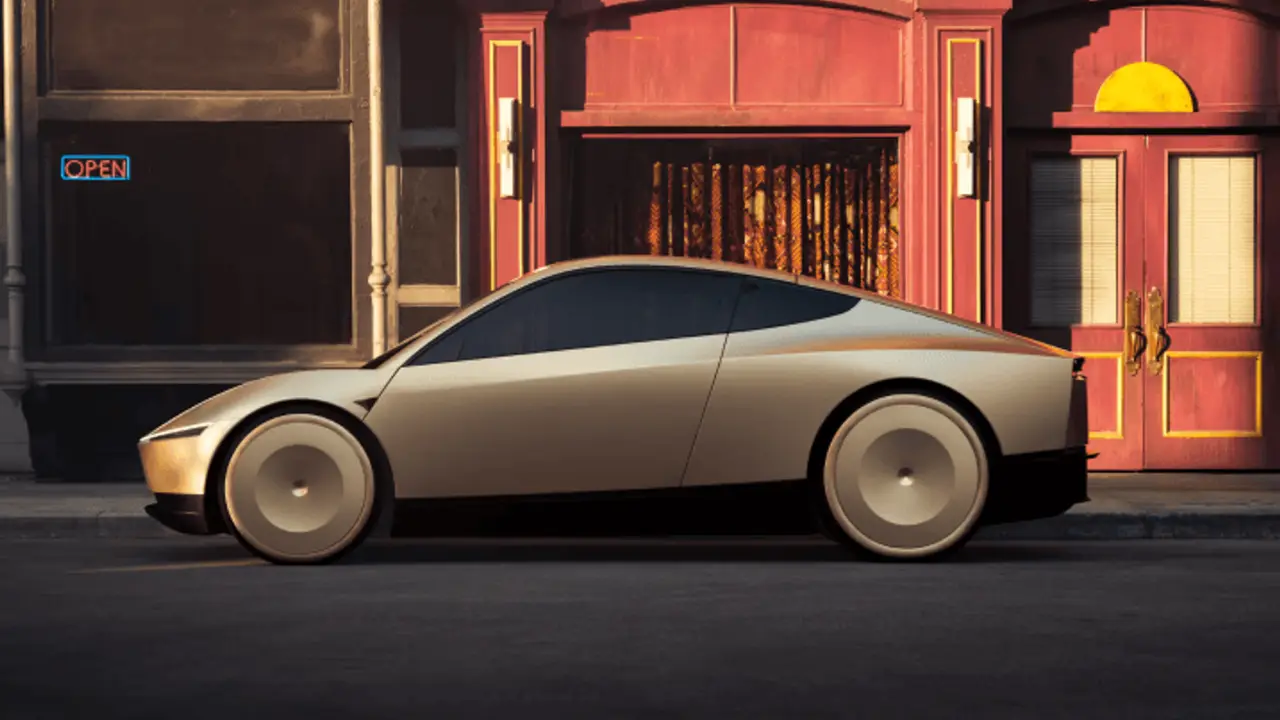
Tesla Cybercab is an upcoming self-driving taxi service. It uses Tesla’s electric cars, powered by advanced autonomous software, to offer rides without a human driver.
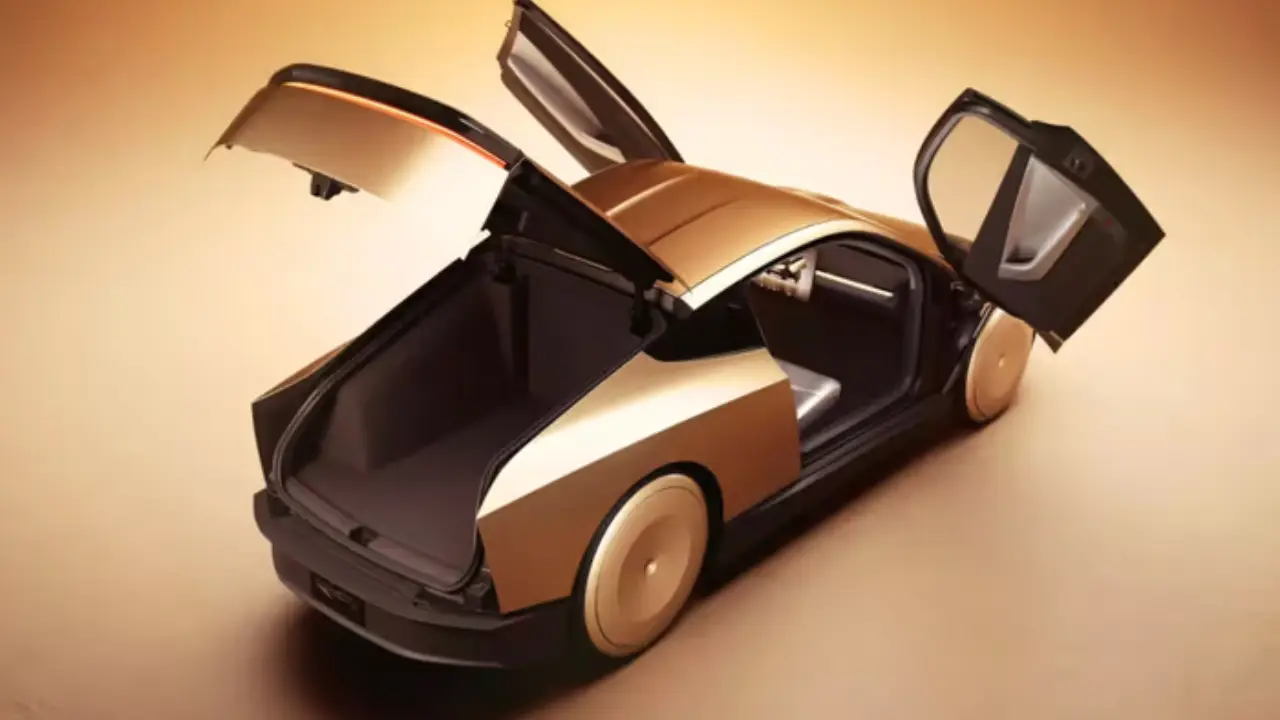
How Does Cybercab Work?
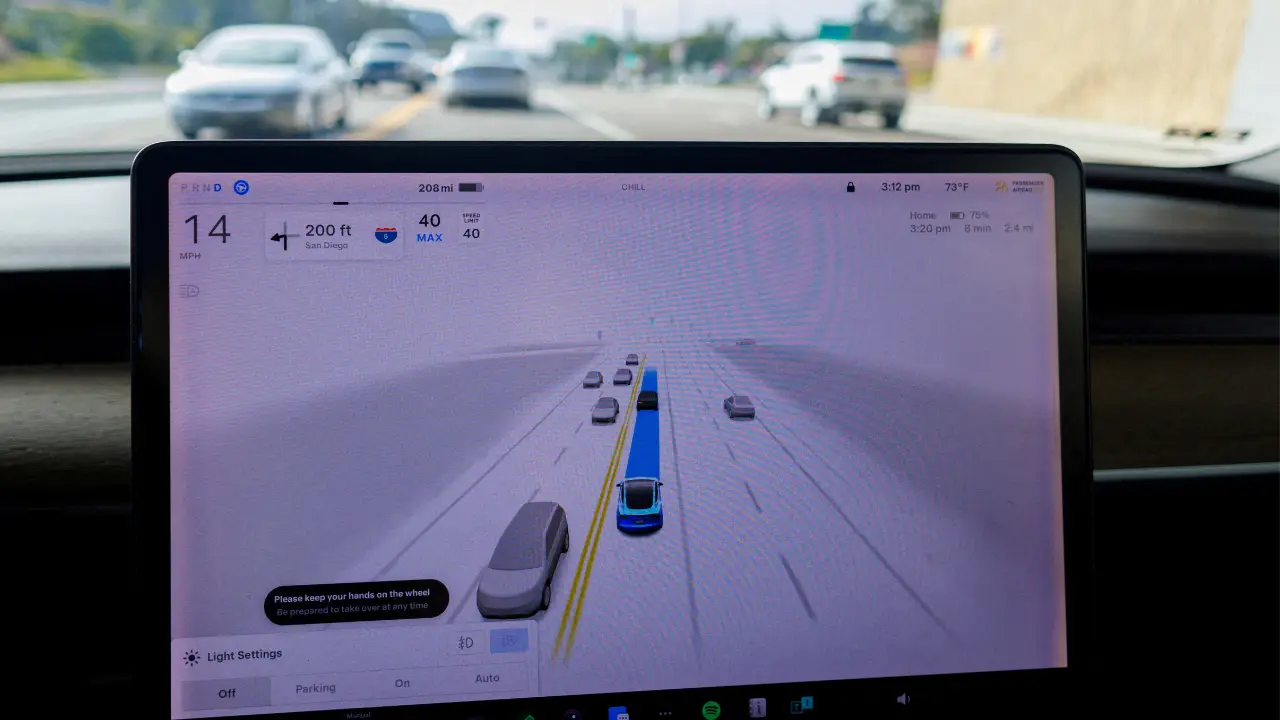
Cybercab relies on Tesla’s Full Self-Driving (FSD) technology. The cars use cameras, sensors, and AI to drive safely, pick up passengers, and drop them off everything automatically.
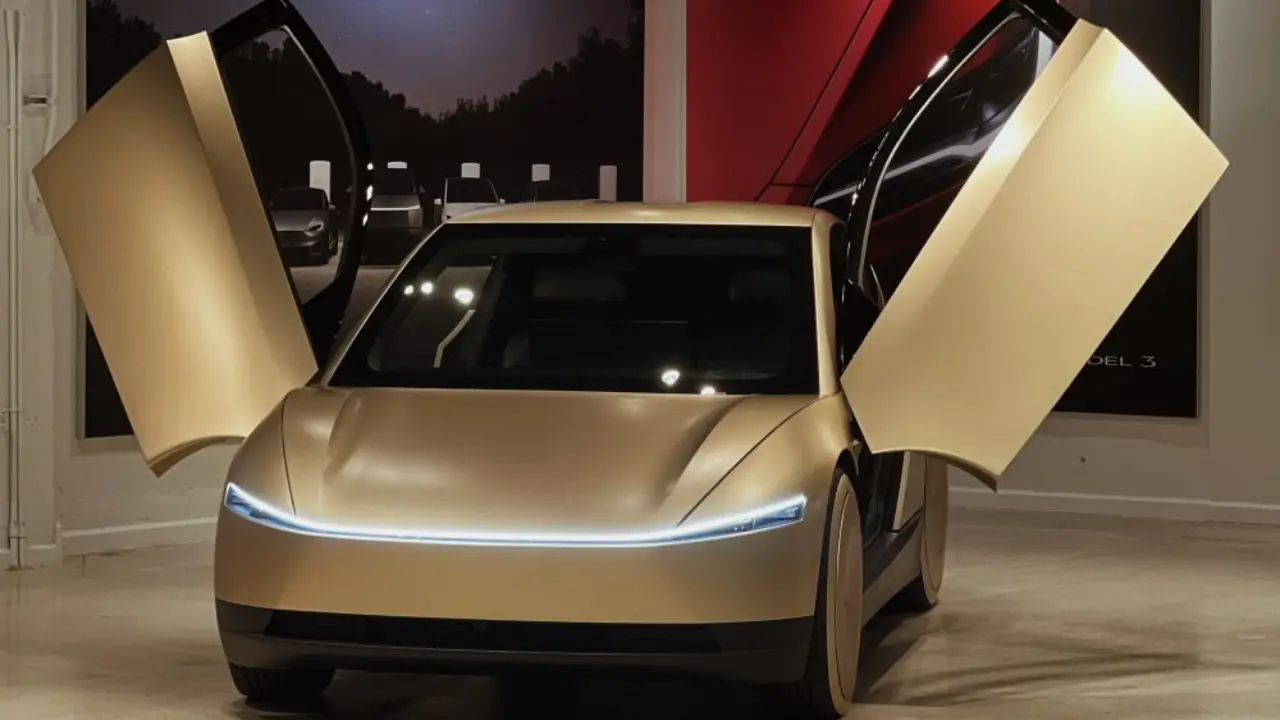
Why Is Cybercab Different?
Unlike regular ride-hailing, Cybercab does not need a driver. This could mean lower costs for riders and more availability, especially during busy times or in remote areas.
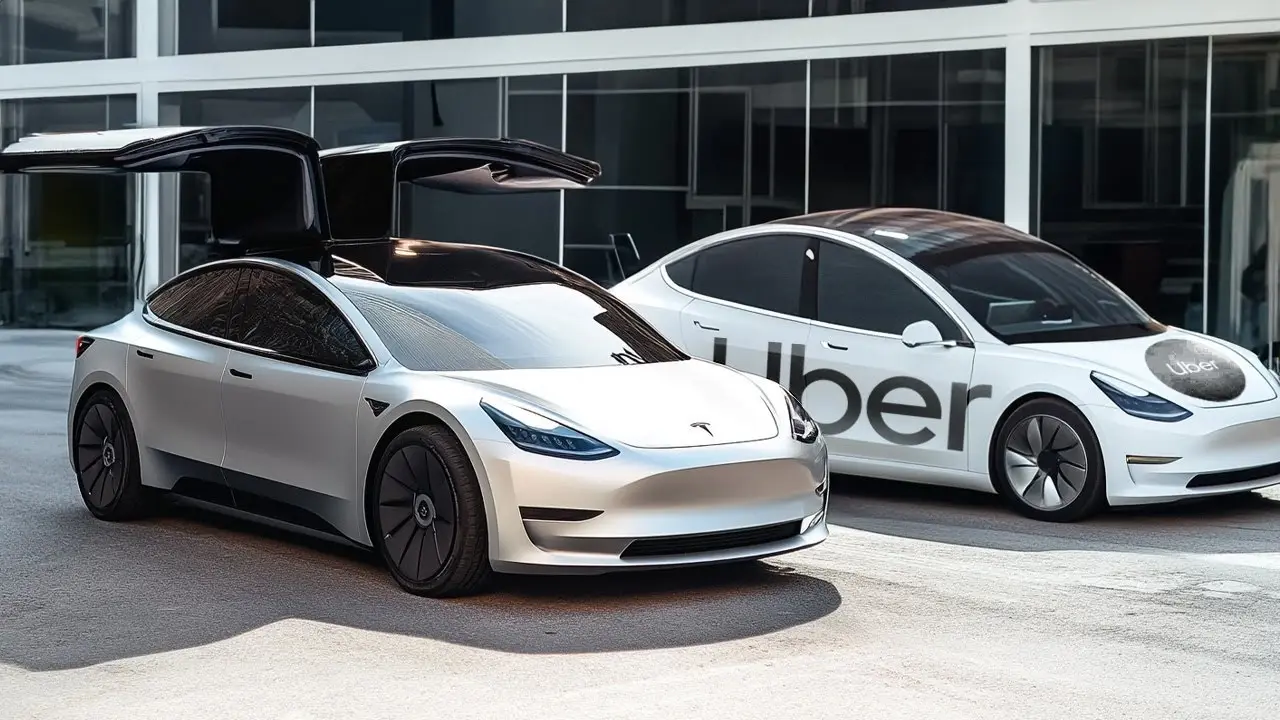
Challenging Uber’s Business
Uber depends on human drivers. Tesla’s Cybercab could offer rides at lower prices, with no need to share fares with drivers, which will attract more users and change the entire taxi market.
Tesla Tech Edge
Tesla’s cars get regular software updates, making Cybercab smarter over time. The system learns from every journey, improving safety and efficiency with each ride.
Building a New Ecosystem
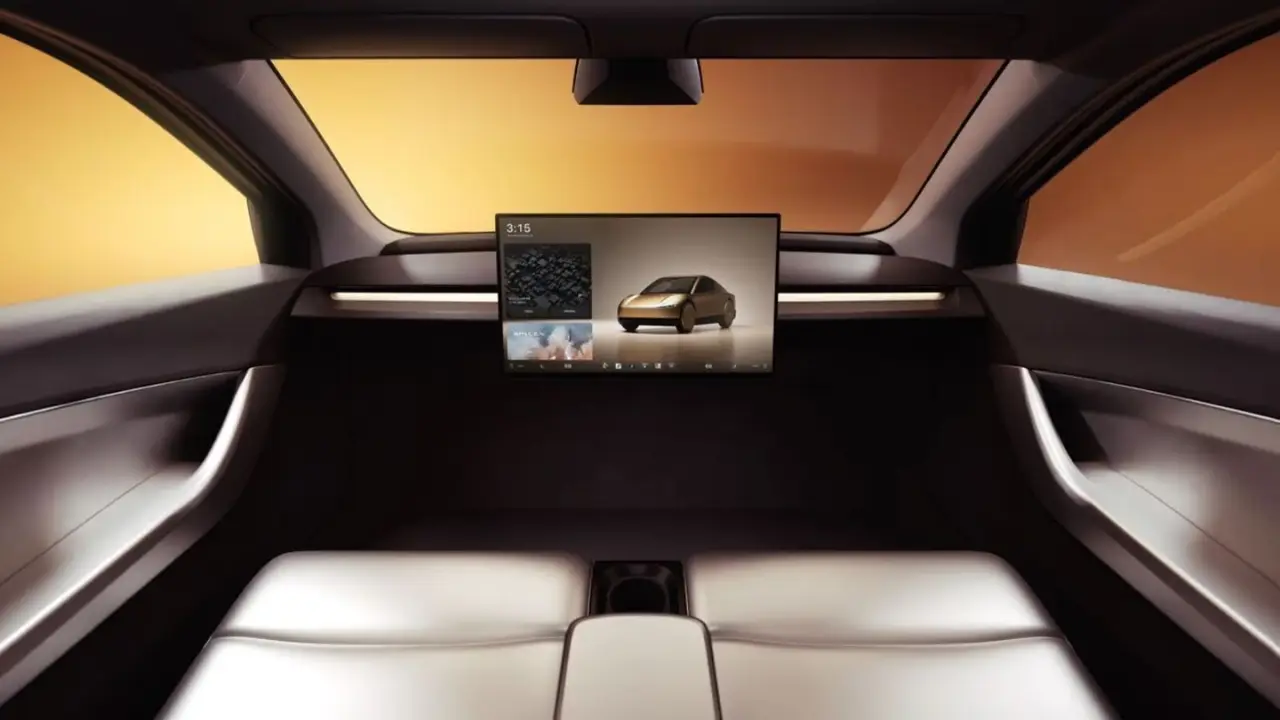
Tesla also has planned to connect Cybercab with its charging network and app. This would give users a seamless booking and travel experience, all managed by Tesla’s technology.
The Future of Urban Travel
If successful, Cybercab could make driverless taxis common in cities. This would not only challenge Uber but could also change how people think about owning and using cars.
)
)
)
)
)