What is 'Condition Red' & why USS Abraham Lincoln's crew is running 24x7

The carrier has less than 5 minutes to react once a launch is detected. "Condition Red" ensures that the ship's Aegis Combat System is already fully powered and tracking, removing the fatal "spin-up" time required to activate defences from a cold start.
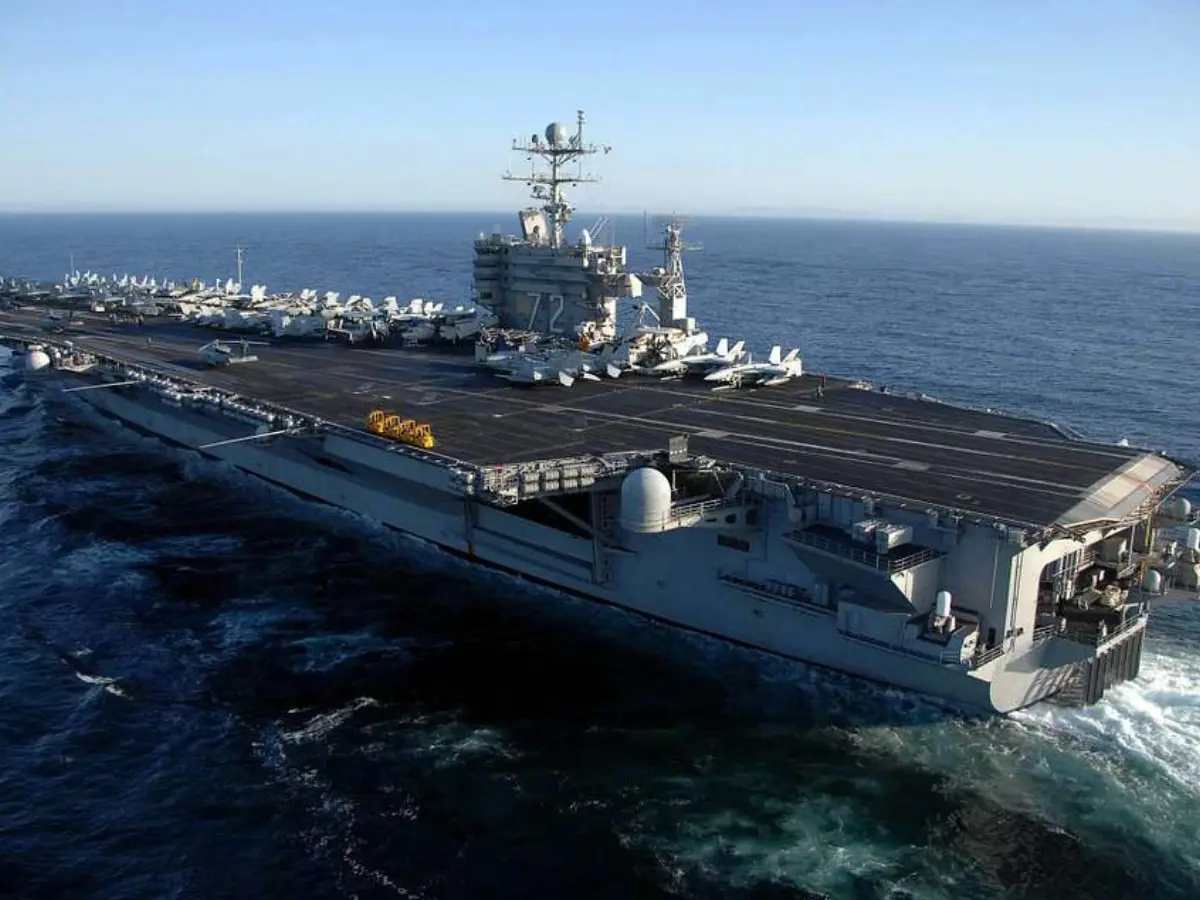
1. Condition Red: "Attack Imminent" Status
"Condition Red" (often synonymous with Redcon-1 or Weapons Free status) is the highest air defense alert level a US Navy vessel can enter. It means the ship’s radar and threat analysis center have determined that an attack is either in progress or imminent (within minutes). In this state, the Rules of Engagement (ROE) shift automatically: the ship's automated defense systems (like the Phalanx and SeaRAM) are unlocked to fire at any unidentified target approaching the "Keep-Out Zone" without needing a human commander's final permission.
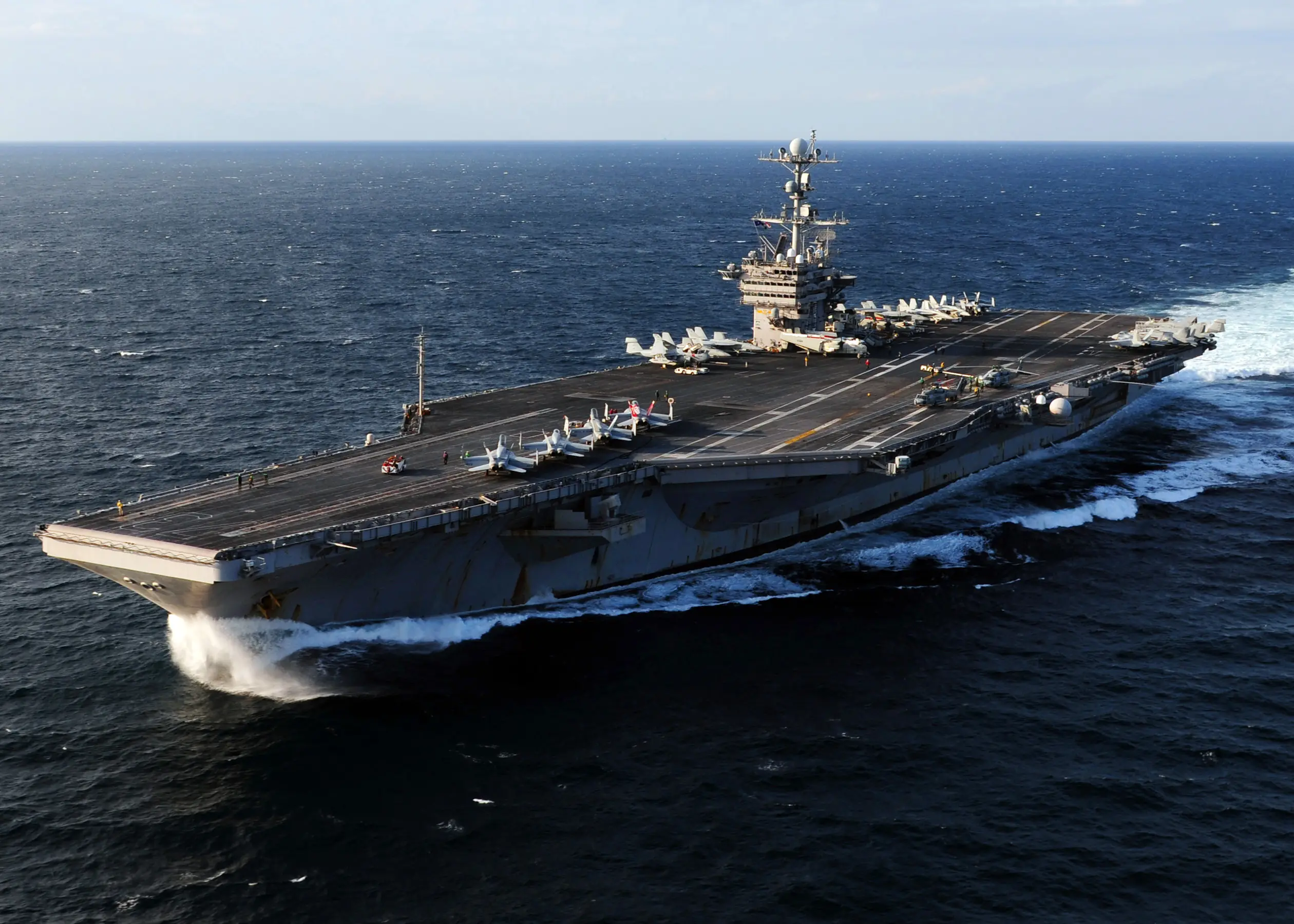
2. "Surge" Operations
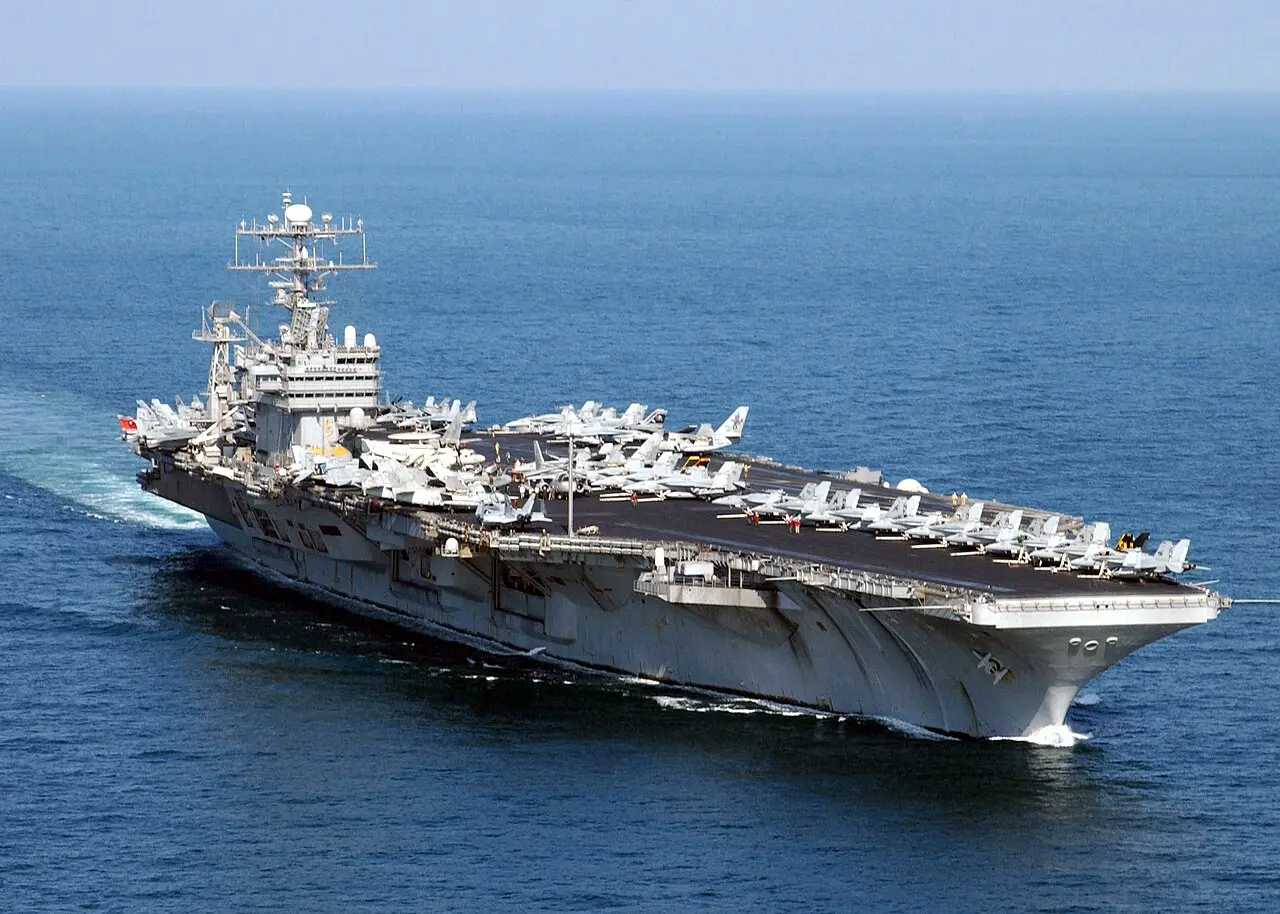
Under normal sailing conditions, an aircraft carrier operates on 12-hour flight cycles (12 hours of flying, 12 hours of maintenance/rest). Running 24x7 (continuous flight operations) is known as "Surge Ops." It is physically punishing and unsustainable for long periods. The fact that the USS Abraham Lincoln has shifted to this tempo signifies that the fleet is no longer just "patrolling"; it is actively securing the airspace around the clock to prevent any gap that a drone or missile could slip through during a shift change.
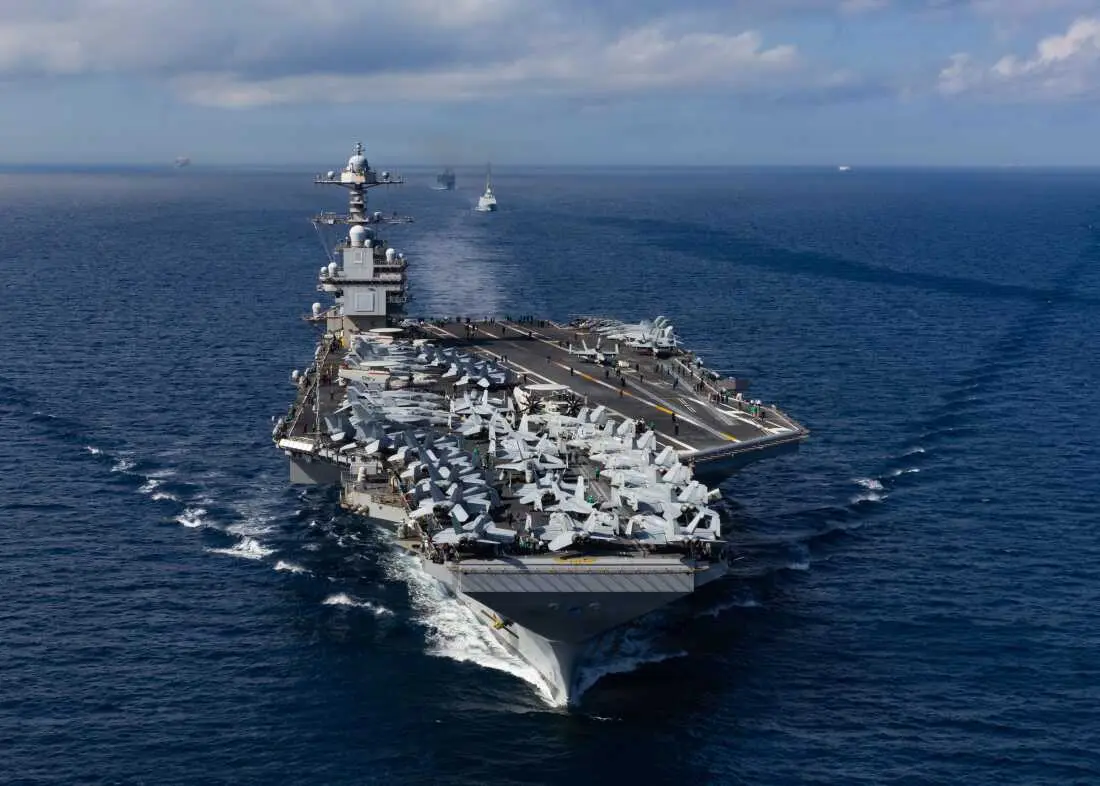
3. The "Steel Dome"
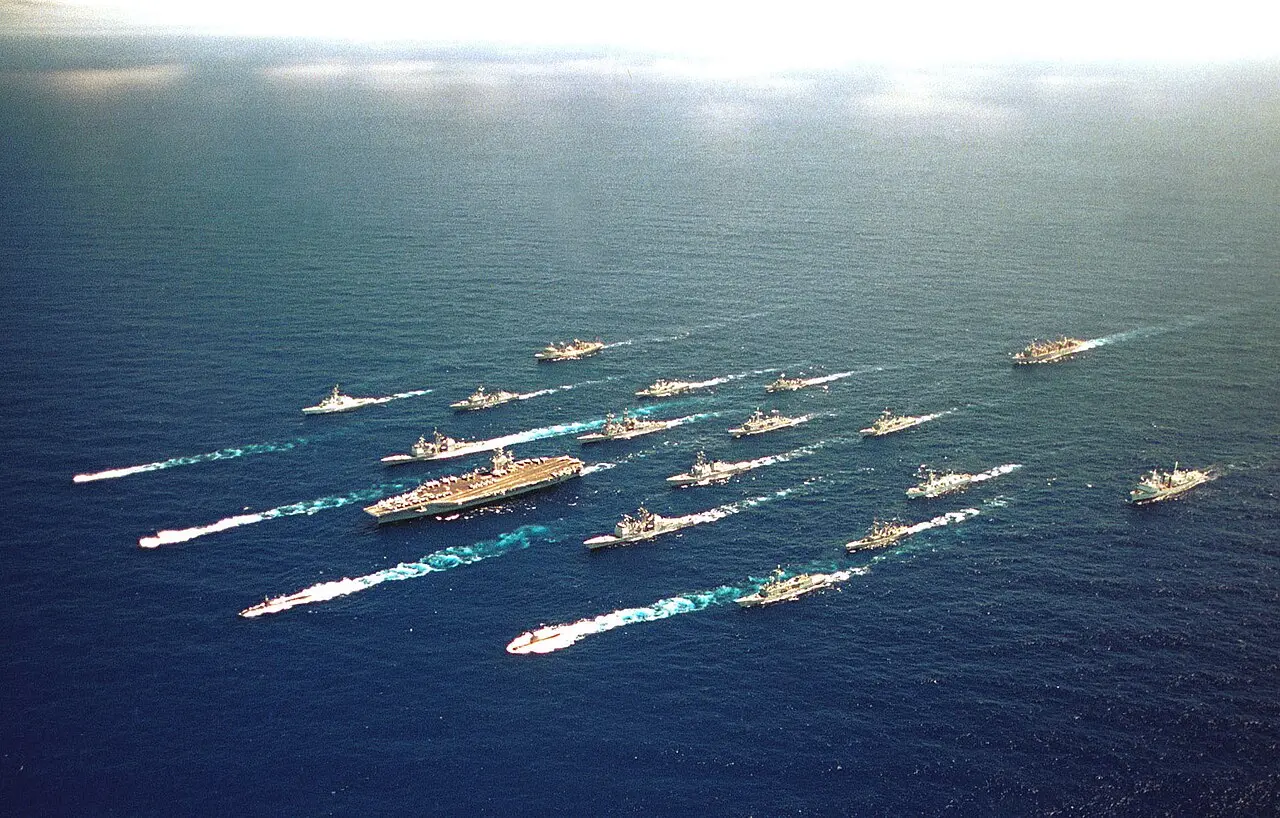
The primary reason for 24x7 operations is to maintain a permanent Combat Air Patrol (CAP). At any given second of the day or night, at least four F-35C or F/A-18 fighters are airborne, circling the fleet. These jets act as a "Steel Dome," extending the carrier’s radar horizon by hundreds of miles. They are the first line of defense, ready to shoot down Iranian drones or cruise missiles long before they get close enough to threaten the ships on the surface.
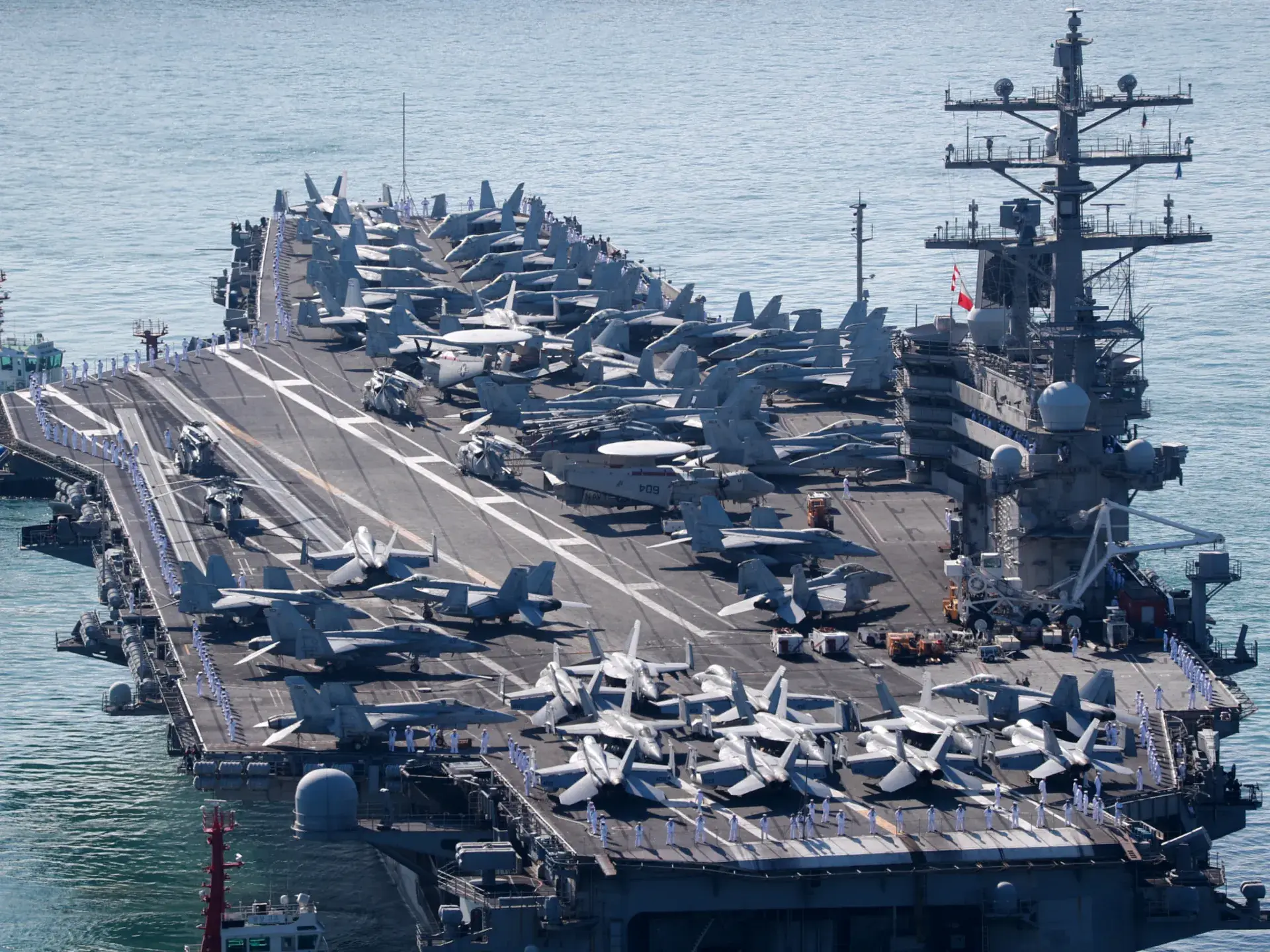
4. Hunting "Pop-Up" Targets
The 24-hour cycle is also offensive. Intelligence suggests that Houthi and IRGC missile teams use "Shoot and Scoot" tactics—driving mobile missile launchers out of tunnels at night to fire and then hiding them. By running 24x7 operations, the USS Abraham Lincoln keeps surveillance drones and strike fighters with thermal imaging over hostile territory constantly, waiting to strike these "pop-up" targets the moment they break cover, regardless of the time.

5. "Hot Pit" Refueling
To maintain this tempo, the flight deck crew is using "Hot Pit" refueling. Instead of shutting down jets after they land, pilots keep the engines running while the crew rushes to pump fuel and reload missiles. The jet then taxis back to the catapult and launches again immediately. This dangerous procedure cuts the turnaround time from hours to minutes, keeping more armed jets in the air to overwhelm enemy defences.
6. Reaction to the Hypersonic Threat
The specific threat of Iran’s Fattah-2 hypersonic missile drives this readiness. Because a hypersonic missile travels at Mach 5+ (over a mile per second), the carrier has less than 5 minutes to react once a launch is detected. "Condition Red" ensures that the ship's Aegis Combat System is already fully powered and tracking, removing the fatal "spin-up" time required to activate defenses from a cold start.
7. The Human Cost
For the 5,000 sailors on board, Condition Red means "General Quarters" stations are manned continuously or on tight rotation. Crew members are likely sleeping in their flash gear (fire-retardant hoods and gloves) and anti-flash masks, often right next to their battle stations rather than in their bunks. The galley (kitchen) switches to "battle rations" (grab-and-go food) because the cooks are also manned at damage control stations.
)
)
)
)
)