What is 'cold-launch' technology and how did India use it for the K-4 missile test in the Bay of Bengal?

Cold-launch technology ejects K-4 missiles from submarine tubes using pressurised gas instead of rocket engines, protecting the submarine and maintaining stealth whilst ensuring safe, reliable ballistic missile deployment from underwater platforms.
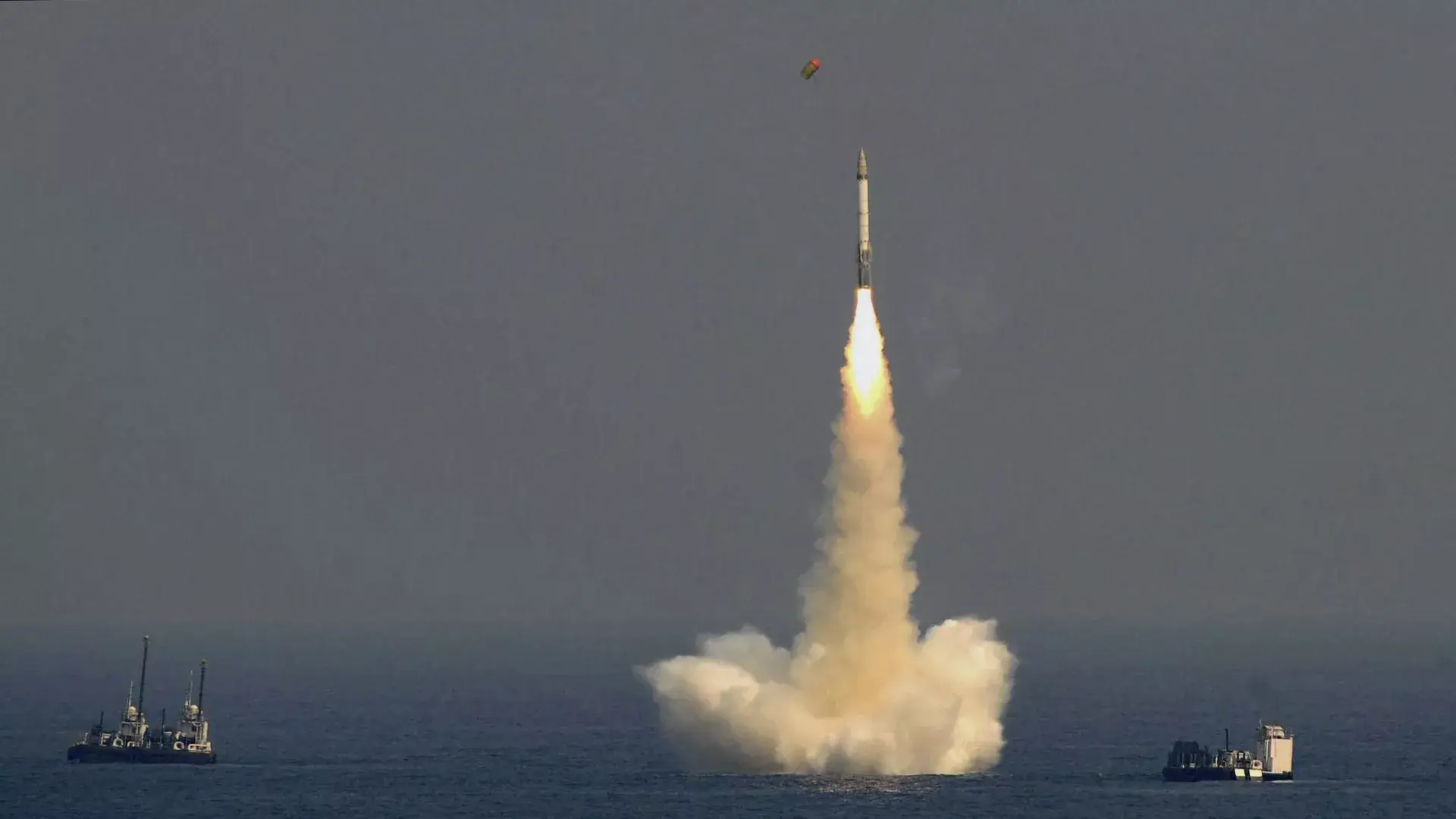
Cold-Launch Technology Overview
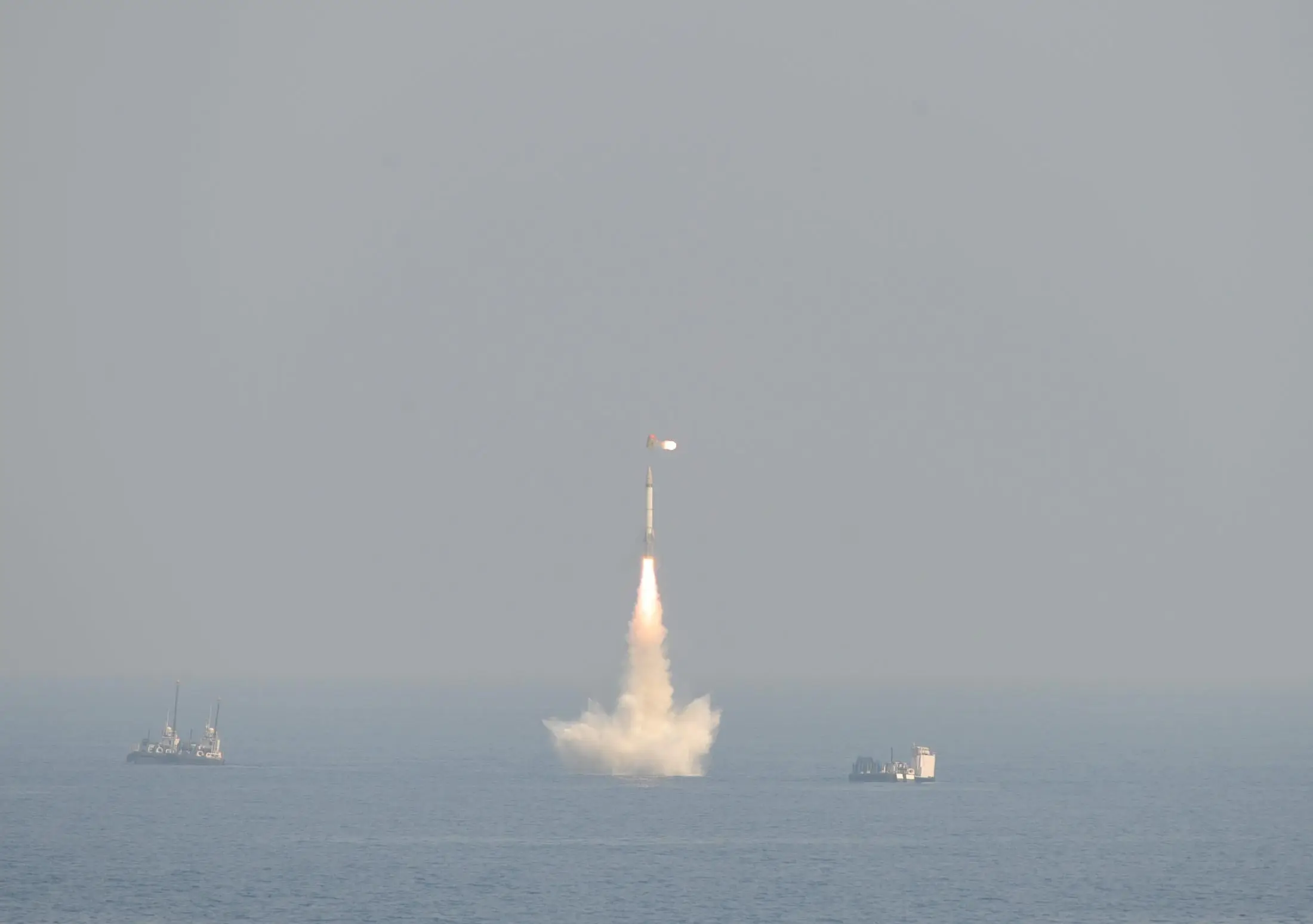
Cold-launch is a missile deployment method that separates ejection from ignition, using compressed gas or steam to expel missiles from launch tubes without firing rocket engines inside the submarine. In this system, a gas generator creates intense pressure that acts like an underwater cannon, pushing the missile upward through the water column. Only after the missile surfaces and clears the ocean does its rocket engine ignite, which is fundamentally different from hot-launch where engines fire whilst the missile remains within the submarine structure.
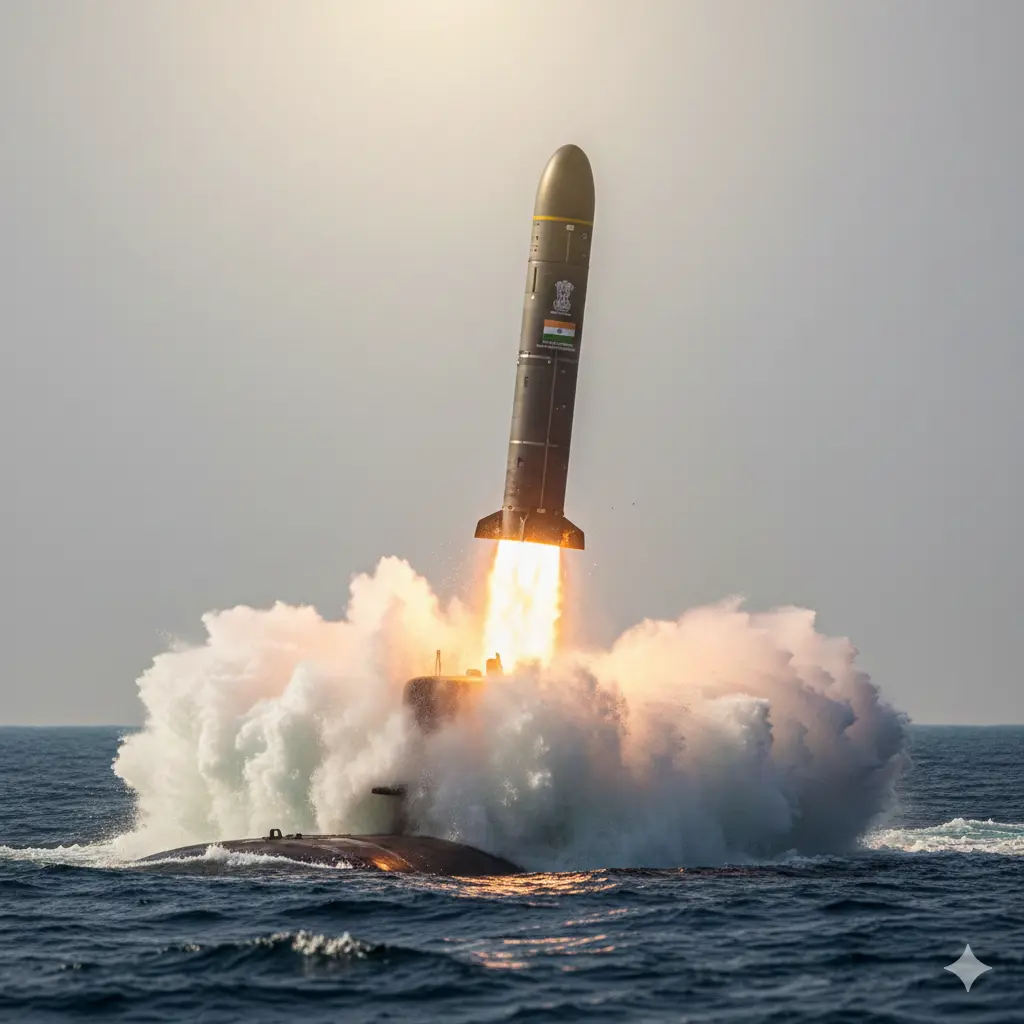
How Gas Generators Work Underwater
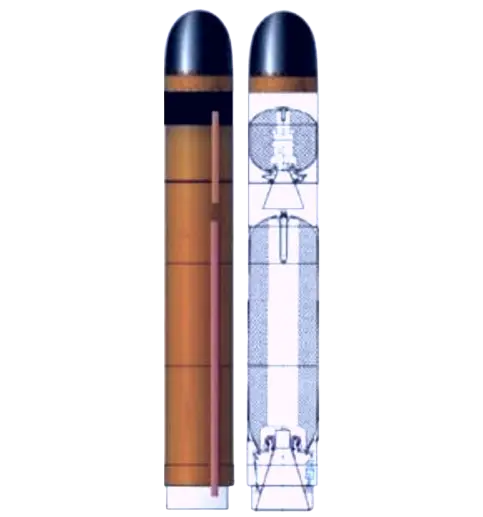
The cold-launch process utilises a gas generator that rapidly heats and expands nitrogen or other gases to create massive pressure within the launch tube. This pressurised gas, rather than rocket exhaust, provides the force to eject the missile vertically from the submarine. The system operates with extreme precision inside pressurised launch tubes specifically engineered to withstand crushing deep-sea pressure.
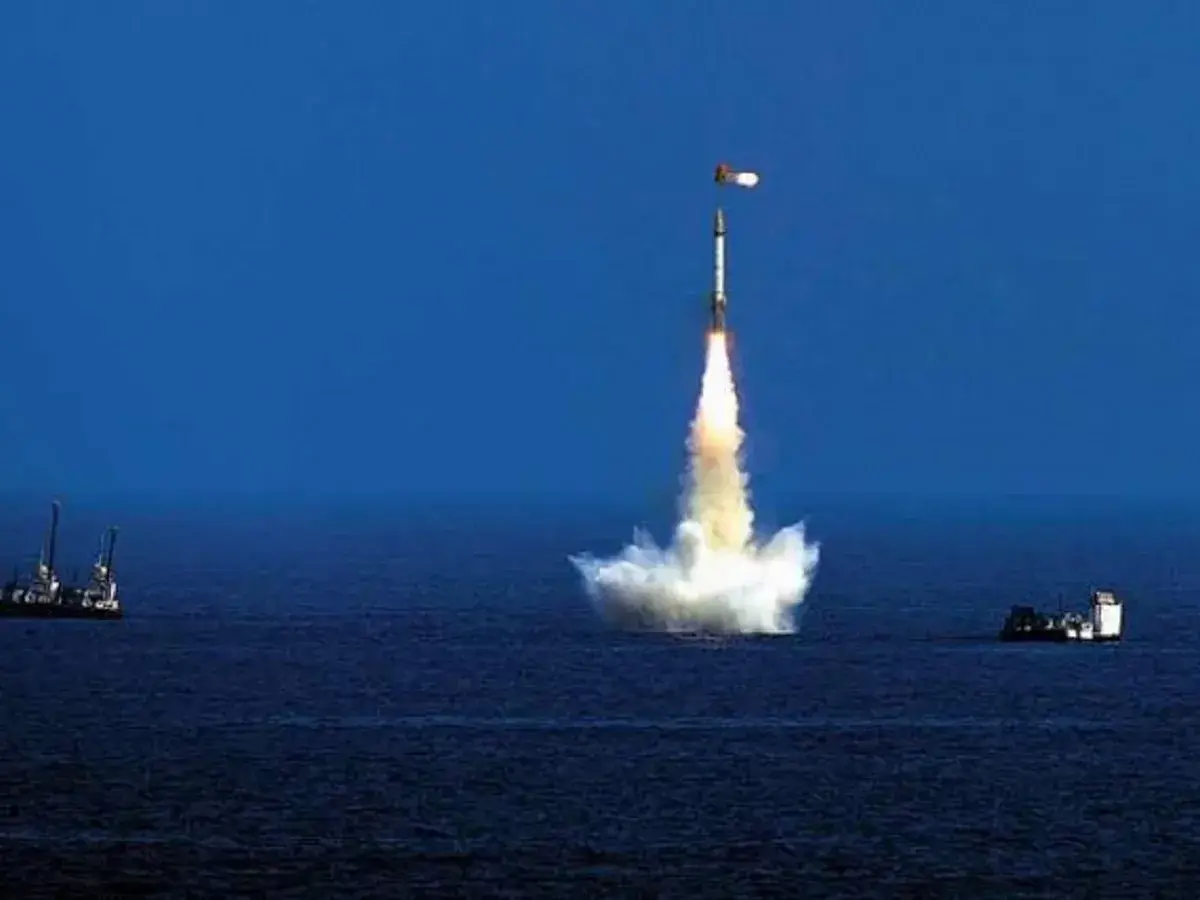
The K-4 Missile Cold-Launch System
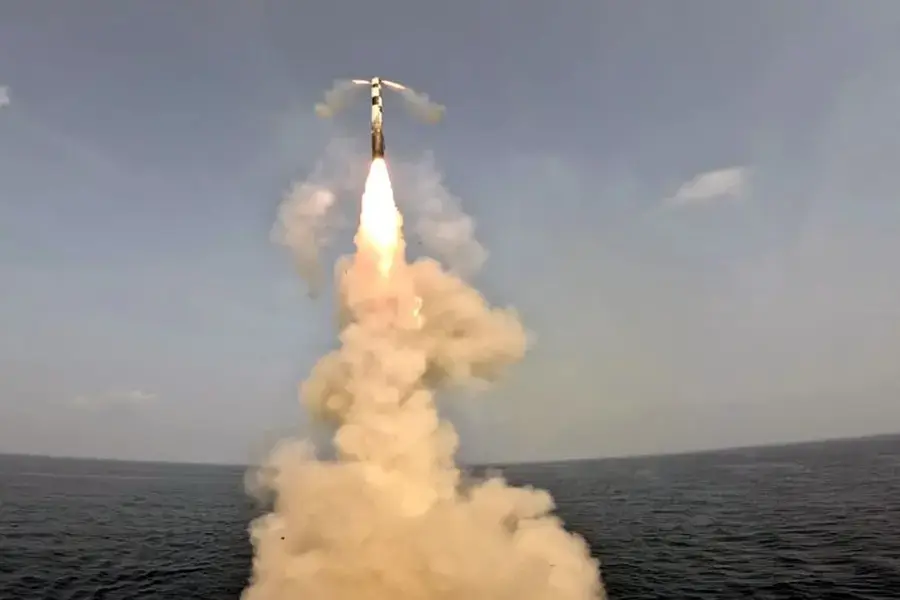
The K-4 missile utilises cold-launch technology as a key design feature, allowing it to be ejected from INS Arighaat's vertical launch tubes without damaging submarine infrastructure. The 12-metre-long, 17-tonne missile sits within pressurised silos designed to contain launch forces. When launch commands are received, gas generators activate and eject the missile with tremendous force through the water column. The missile surfaces, clears the ocean, and rocket motors ignite at altitude.
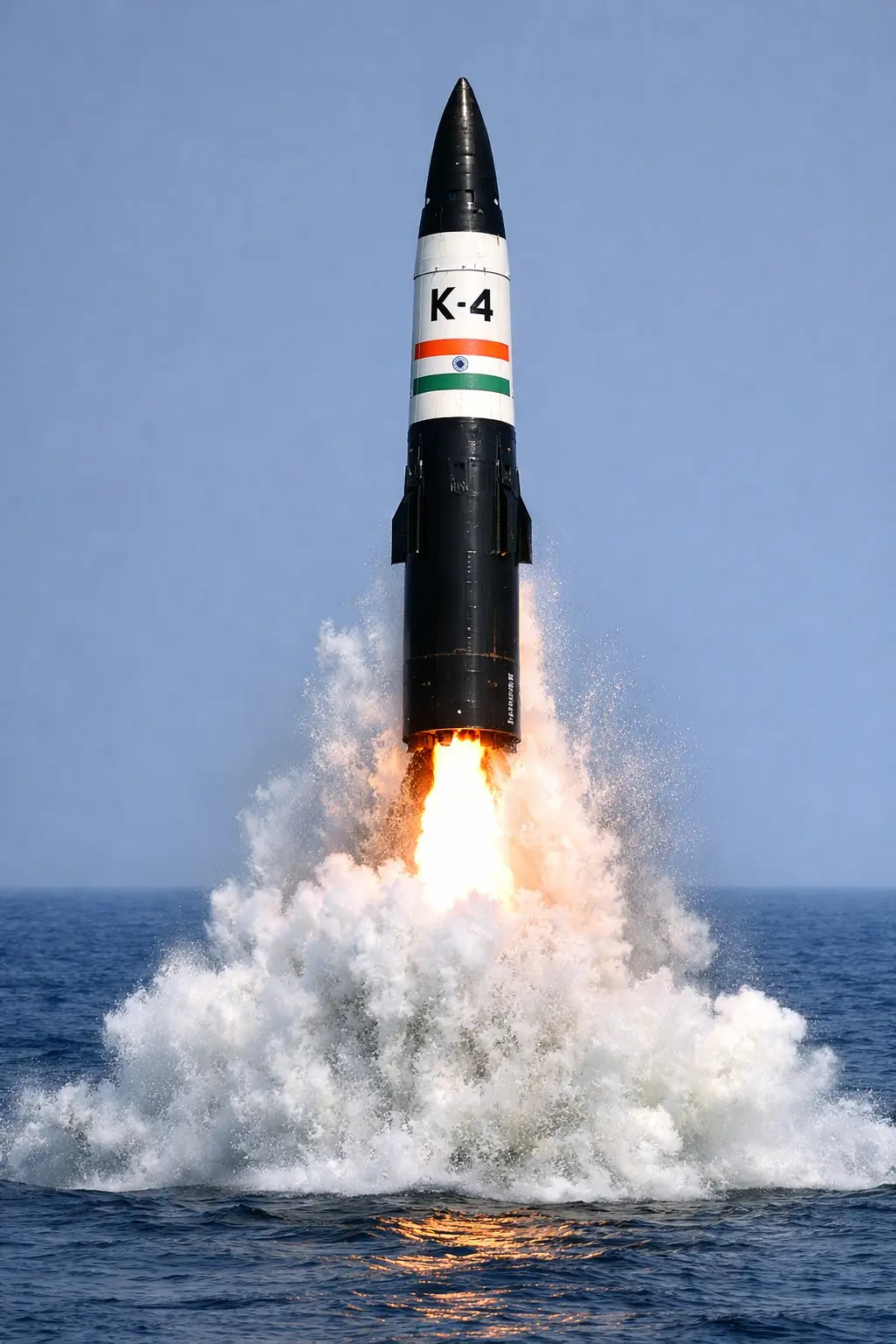
Submarine Protection and Structural Integrity
Cold-launch protects submarines from catastrophic damage that would result from rocket engine exhaust igniting within confined launch tubes. Hot-launch would create extreme temperatures exceeding 1,500 degrees Celsius inside the submarine, destroying structural materials and potentially compromising hull integrity. Cold-launch keeps temperatures relatively low by using external gas pressure instead of onboard propulsion. This design allows submarines to remain fully operational after launching missiles without requiring extensive repairs between launches.
Stealth and Detection Evasion
Cold-launch generates significantly less acoustic signature than hot-launch systems, helping submarines avoid enemy sonar detection. The process is comparatively quiet, compressed gas expansion creates less noise than rocket ignition. This stealth advantage is critical for ballistic missile submarines conducting deterrence patrols in hostile waters. By launching silently and without visible exhaust plumes, submarines can maintain operational surprise and survivability, core requirements for credible nuclear deterrence strategies
Comparison with Hot-Launch Methods
Hot-launch systems ignite rocket engines whilst missiles remain partially inside launch tubes, creating extreme pressures, temperatures and exhaust within the submarine. This approach works effectively for land-based missile silos but proves dangerous underwater where confined spaces amplify thermal and pressure effects. Cold-launch avoids these hazards entirely by separating ejection from ignition. Most modern submarine-launched ballistic missiles worldwide, including Russia's systems and American Trident missiles, employ cold-launch technology for these critical safety and operational reasons.
Strategic Advantages for India's Deterrence
The K-4 missile's cold-launch capability strengthens India's second-strike deterrence by enabling submarines to launch missiles safely whilst maintaining stealth and operational readiness. The technology allows INS Arighaat and future Arihant-class submarines to conduct continuous deterrence patrols without vulnerability to detection or structural damage. Cold-launch reliability directly translates to credible nuclear deterrence, ensuring India's ability to retaliate after a first strike. This engineering achievement demonstrates India's growing indigenous naval technology capabilities.
)
)

)
)