What is cluster bomb? IDF claims Iran fired missile with munitions at civilian area in Israel

IDF accused Iran of firing cluster munitions at a densely populated area in Israel to maximise civilian harm, calling it a war crime. Cluster bombs release multiple submunitions over wide areas, often leaving unexploded ‘duds’ that pose long-term risks to civilians. Know more about it.

IDF accuses Iran of launching cluster sub-munitions.
The international spokesperson of IDF Lieutenant Colonel Nadav Shoshani accused Iran of intentionally firing missiles on Saturday (March 1, 2026) containing cluster sub-munitions at a densely populated civilian area of Israel with an intentions to cause extensive damage to lives. “Iran goes to great lengths in trying to maximise harm to Israeli civilians. Directing attacks at civilians is a war crime. We will continue to operate to protect Israel in accordance with international law,” Lieutenant Colonel Nadav Shoshani added in a post on X.
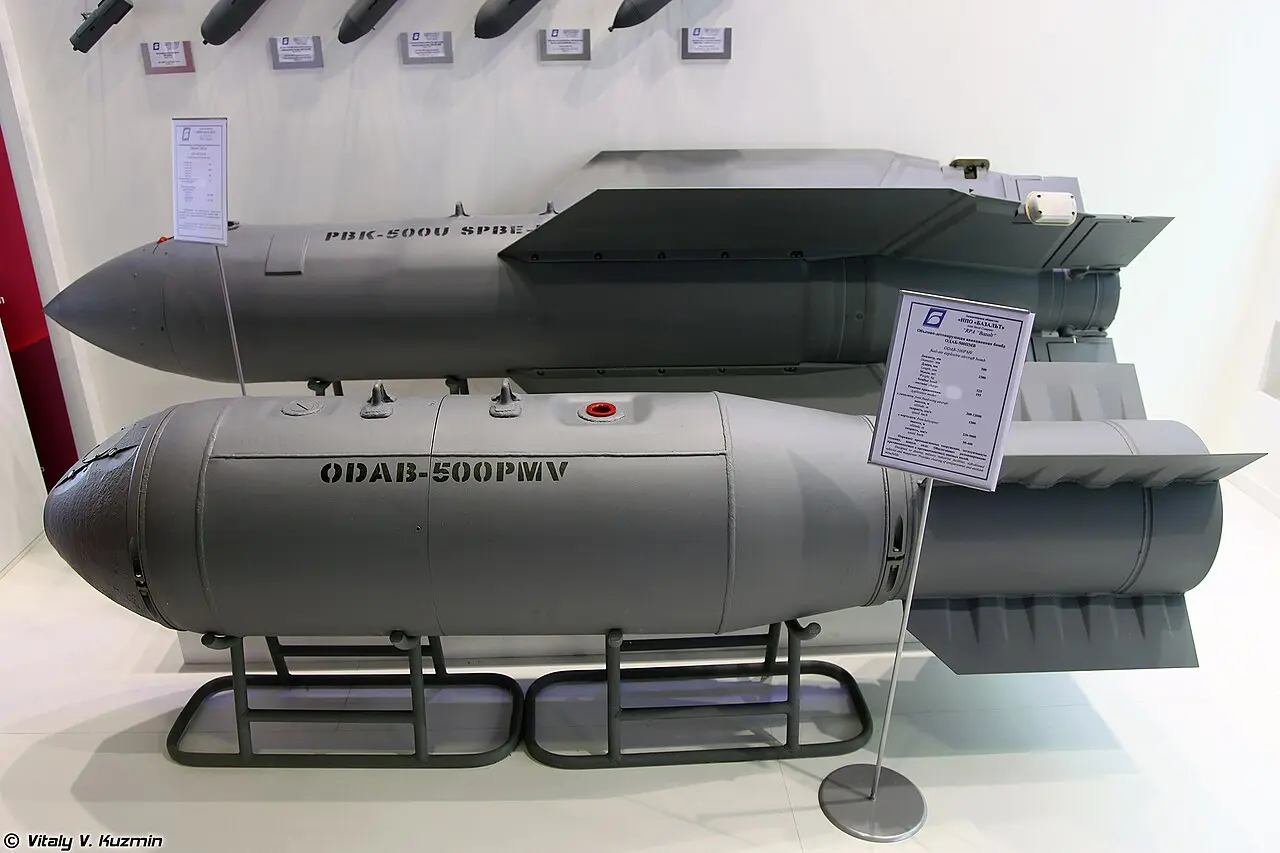
What is cluster munitions?
A cluster munition or bomb is a weapon designed to release smaller bombs or “submunitions” over a large area, which opens mid-air at high altitude and scatters with multiple smaller explosions instead of detonating in a single explosion. These munitions or bombs are not guided or self-propelled but fall to the surface to explode on impact.
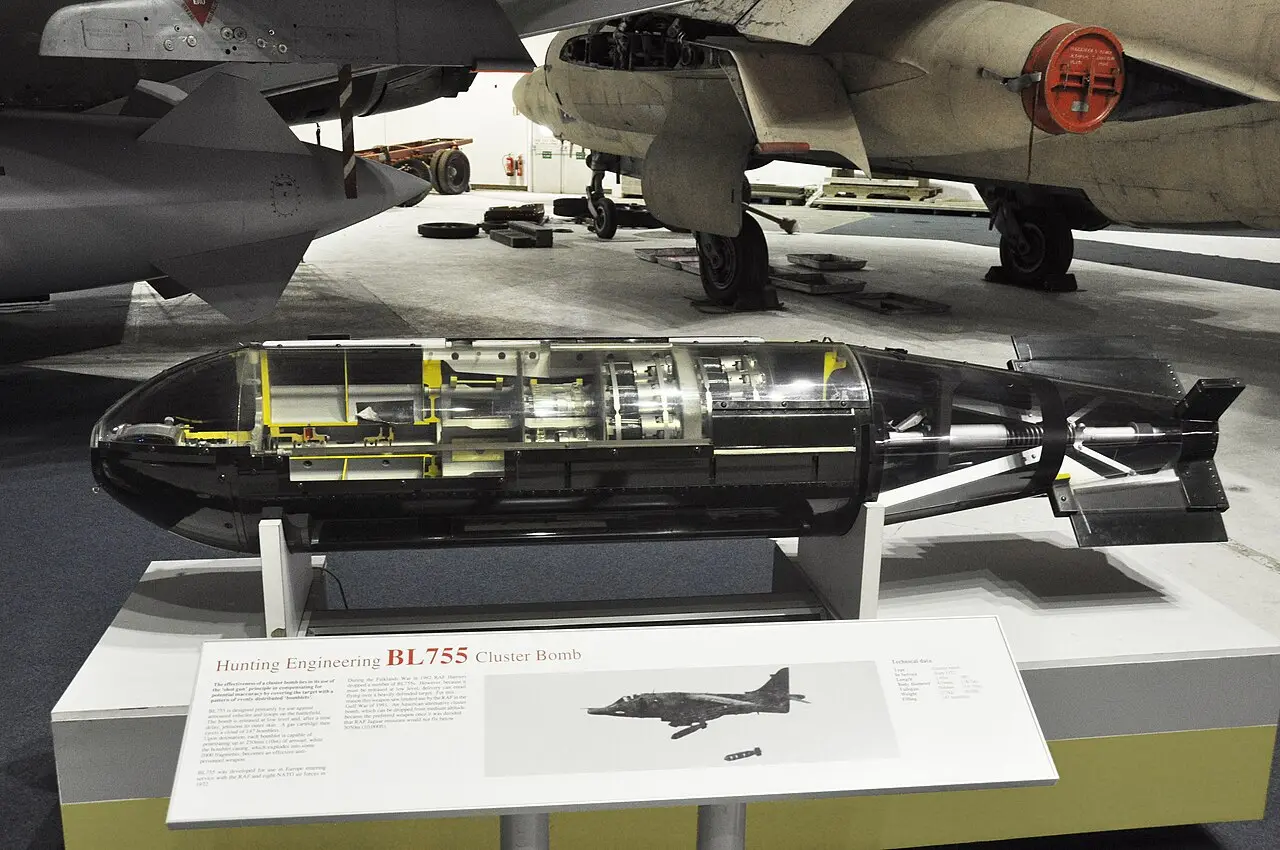
What is the mechanism, dispersal & lethality about cluster weapon?
According to the IDF, the warhead of the missile is designed to split open at an altitude of approximately 7 km (4 miles). Once open, it releases roughly 20 submunitions that scatter over a wide radius of about 8 km (5 miles). While each individual bomblet is less powerful than a standard warhead, the system is designed to maximise harm by saturating a large geographical area.
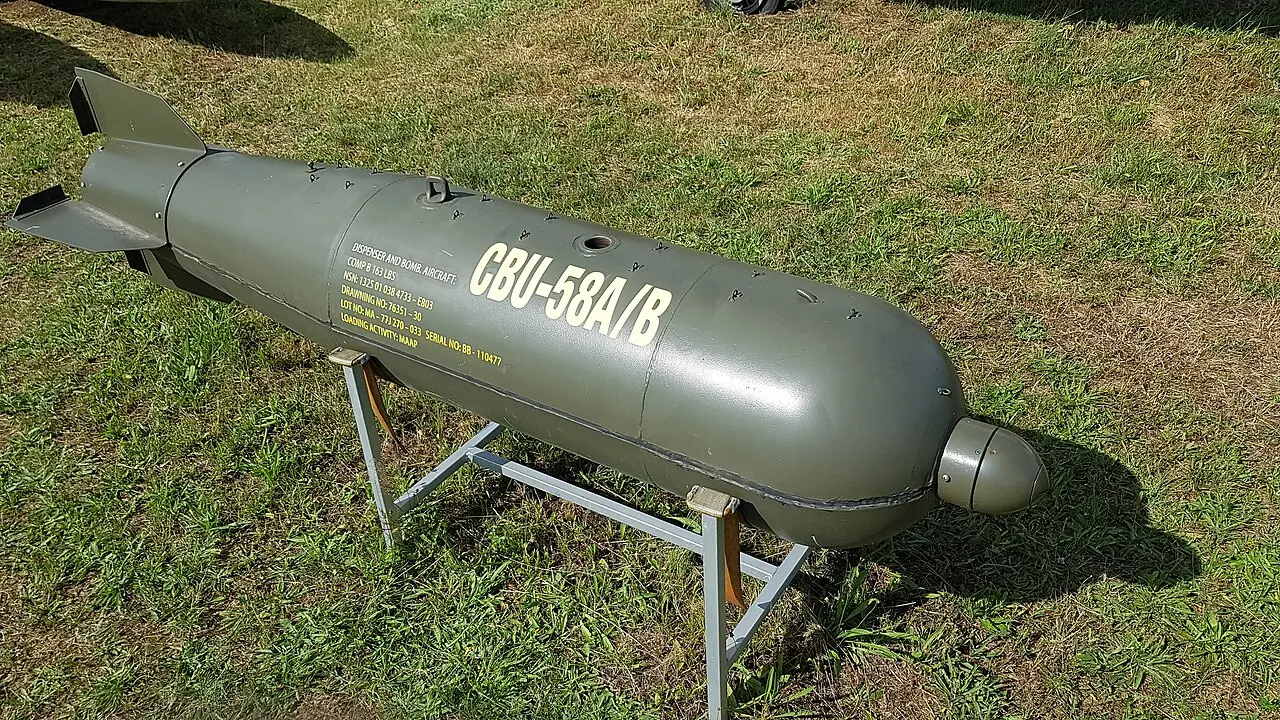
What are controversy?
These munitions come with several controversies falling in their indiscriminate nature and tendency to leave behind unexploded ordnance, which, upon landing, can remain active. These remains, which were failed during an explosion in mid-air, remain active on the surface, posing a danger to civilians who unknowingly come in contact with them.
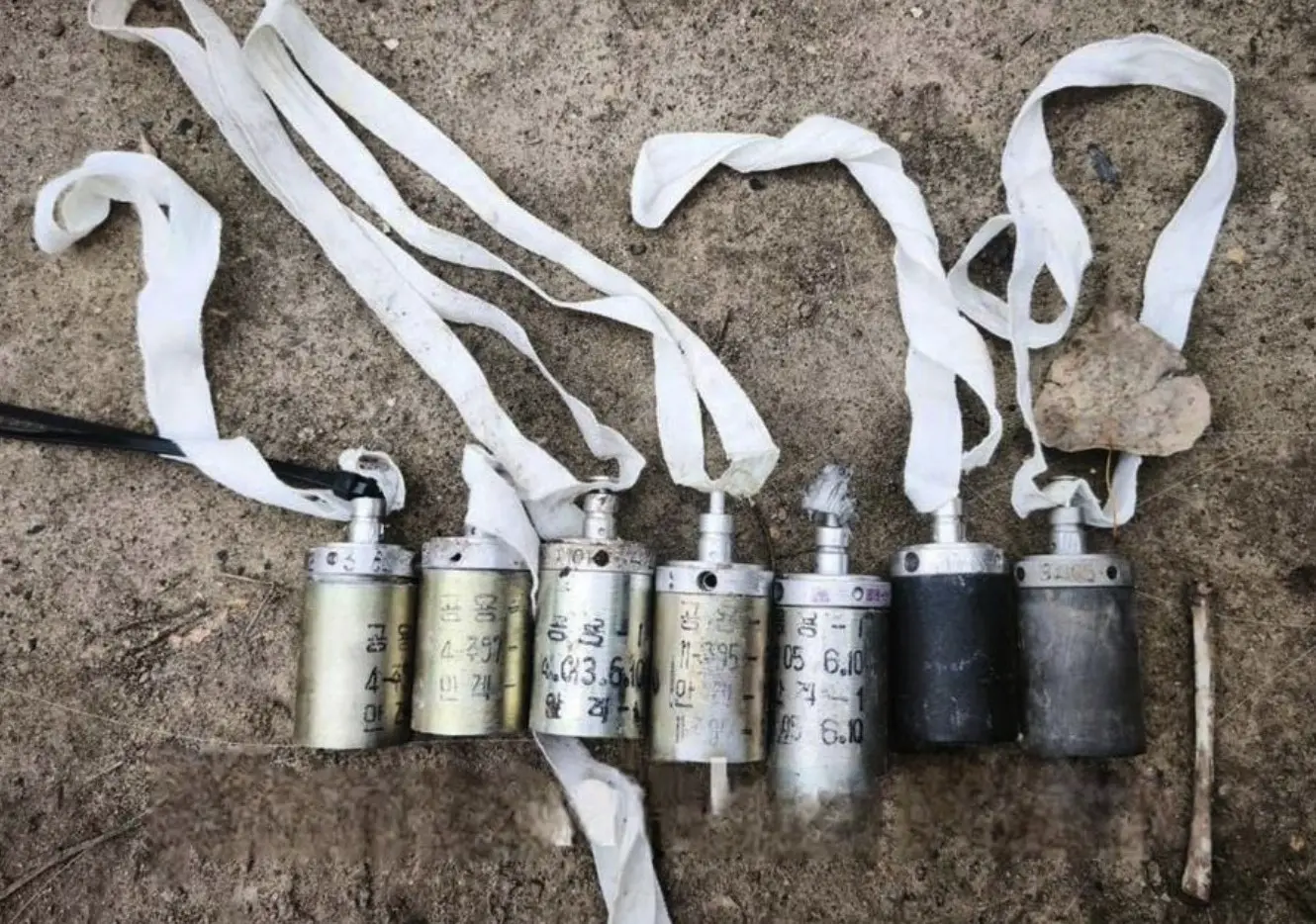
Key risks and impact
Cluster munitions are considered indiscriminate and are widely banned under the Convention on Cluster Munitions because they scatter over such a wide area, though neither Iran nor Israel is a party to the treaty. These munitions act highly danger to civilians as many bomblets fail to explode on impact, remaining on the ground as "duds" that function like landmines, posing a long-term lethal threat to civilians.
)
)
)
)
)