What is Carbon-Chain Depletion and what clues it gives about 3I/ATLAS’ origin

The fact that 3I/ATLAS shows similar depletion hints that interstellar comets may share chemical traits with certain cold-formed Solar System comets or that they undergo similar long-term processing.
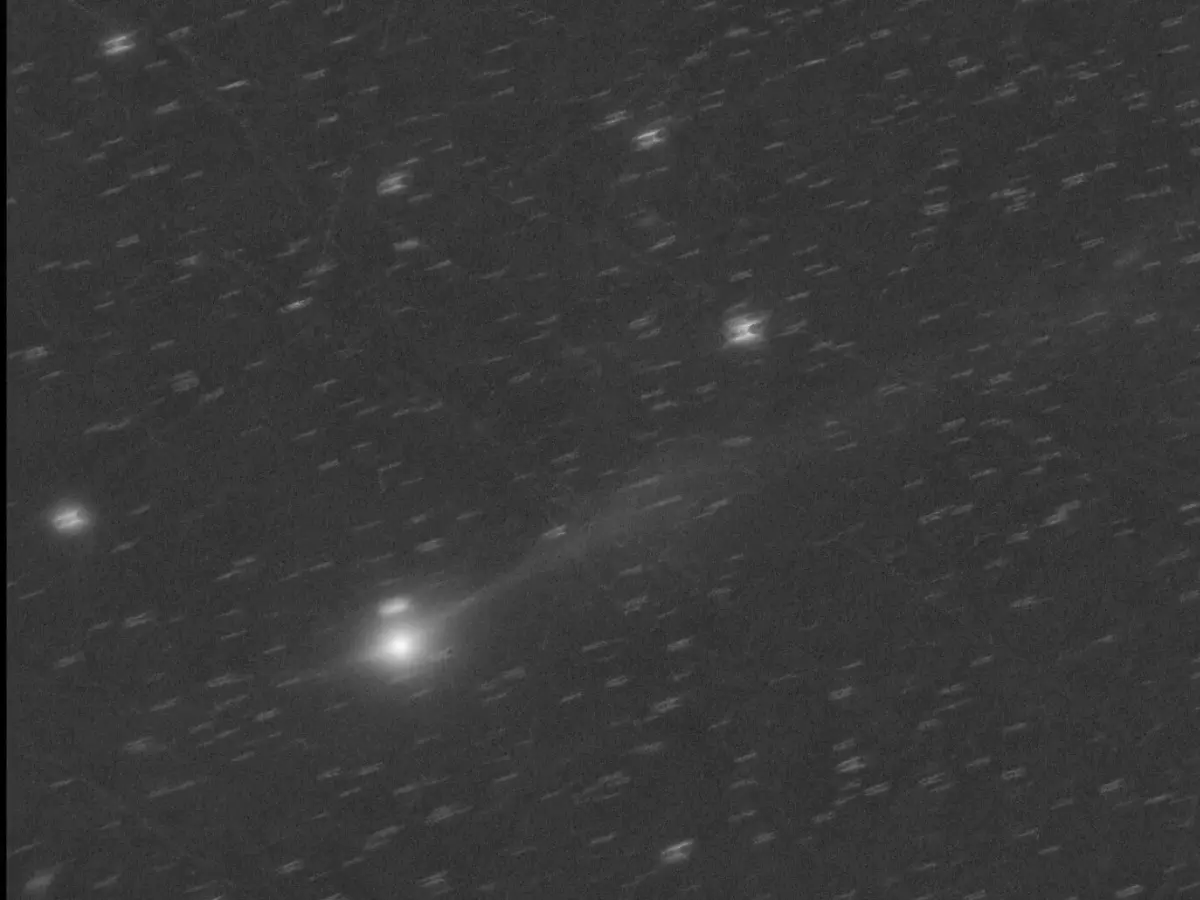
1. Carbon-Chain Depletion Means the Comet Lacks Short Carbon Molecules Like C₂ and C₃
In comet science, carbon-chain depletion refers to unusually low levels of carbon-based radicals such as C₂ (diatomic carbon) and C₃ (triatomic carbon) compared to typical Solar System comets. These molecules normally form when sunlight breaks apart larger organic compounds. When these radicals are weak or absent, astronomers call the comet carbon-chain depleted.
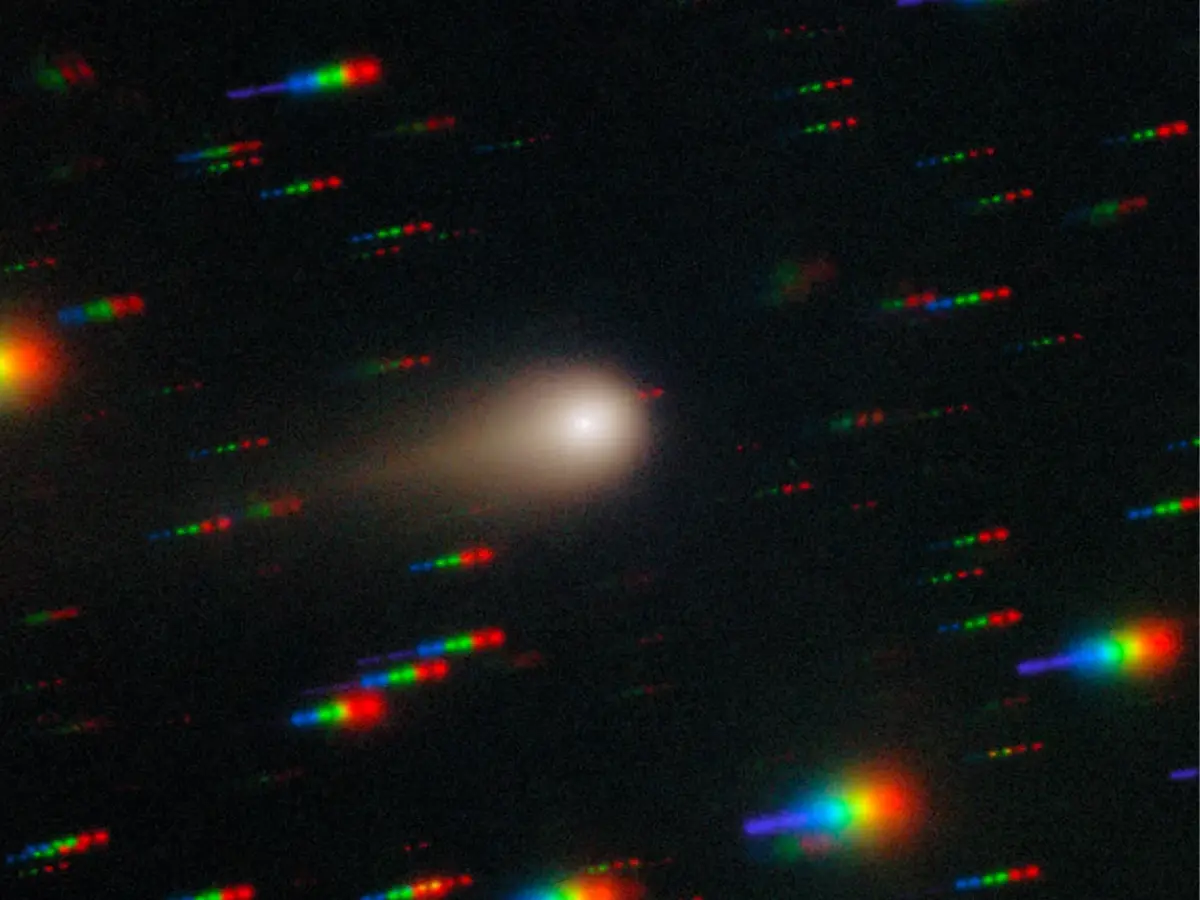
2. This Depletion Is Measured Through Spectroscopy of the Coma
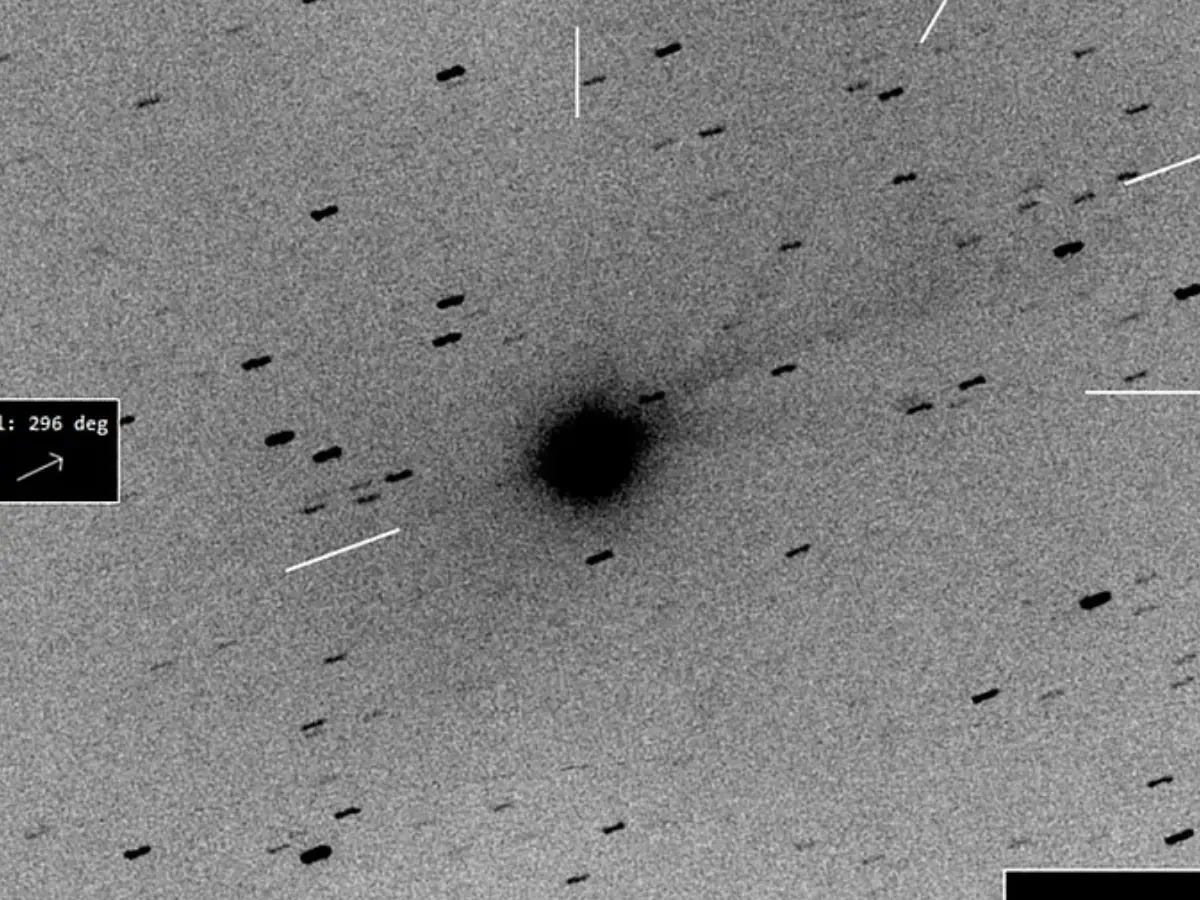
When a comet approaches the Sun, sublimating ices release gases that emit specific wavelengths of light. Telescopes analyse the coma’s spectral bands, especially the Swan bands (C₂) and blue-violet C₃ emissions. For 3I/ATLAS, these bands are significantly weaker, confirming that its nucleus contains fewer carbon-chain organics than standard comets in our Solar System.
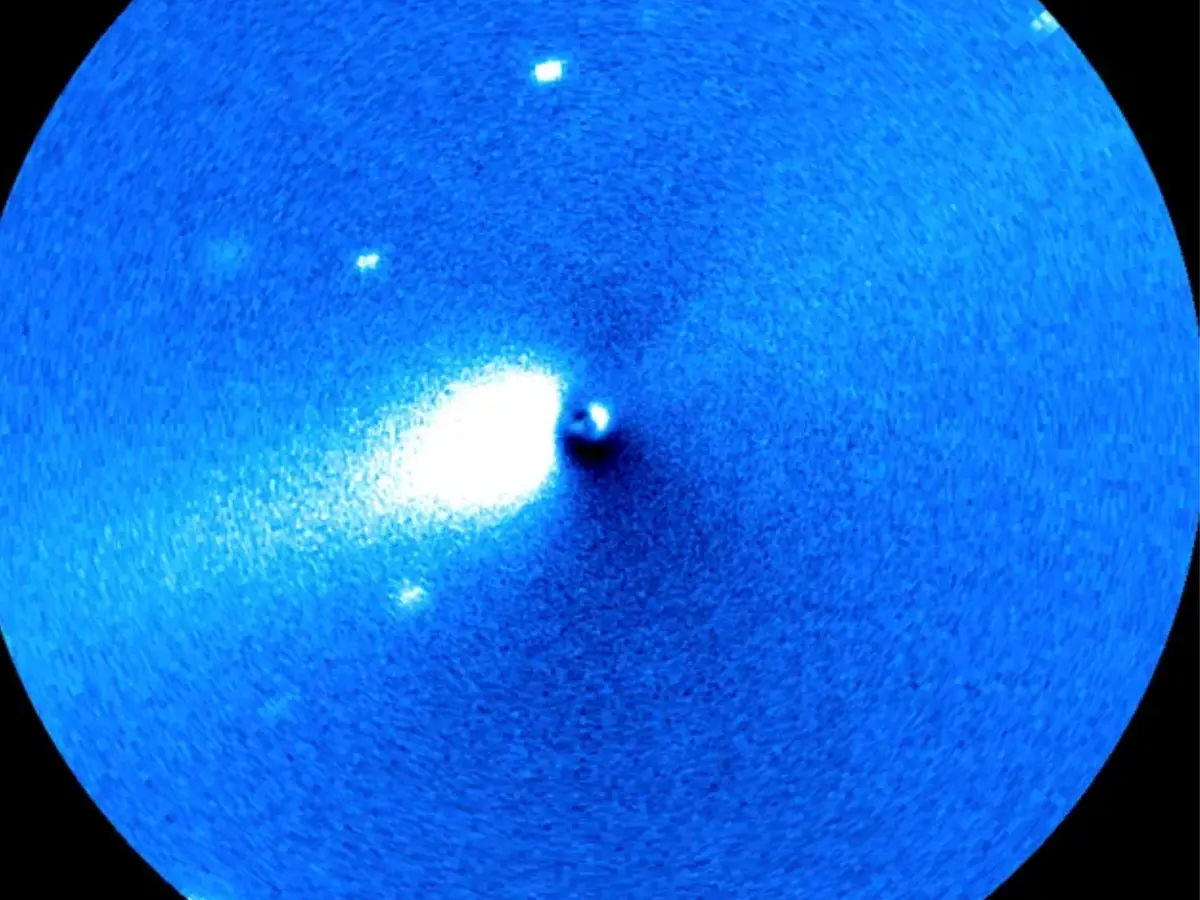
3. Carbon-Chain Depletion Is Rare but Not Unknown in Solar System Comets
Some native comets from the Jupiter-family or Oort Cloud are also carbon-chain depleted. However, they form only a subset of the population. The fact that 3I/ATLAS shows similar depletion hints that interstellar comets may share chemical traits with certain cold-formed Solar System comets or that they undergo similar long-term processing.
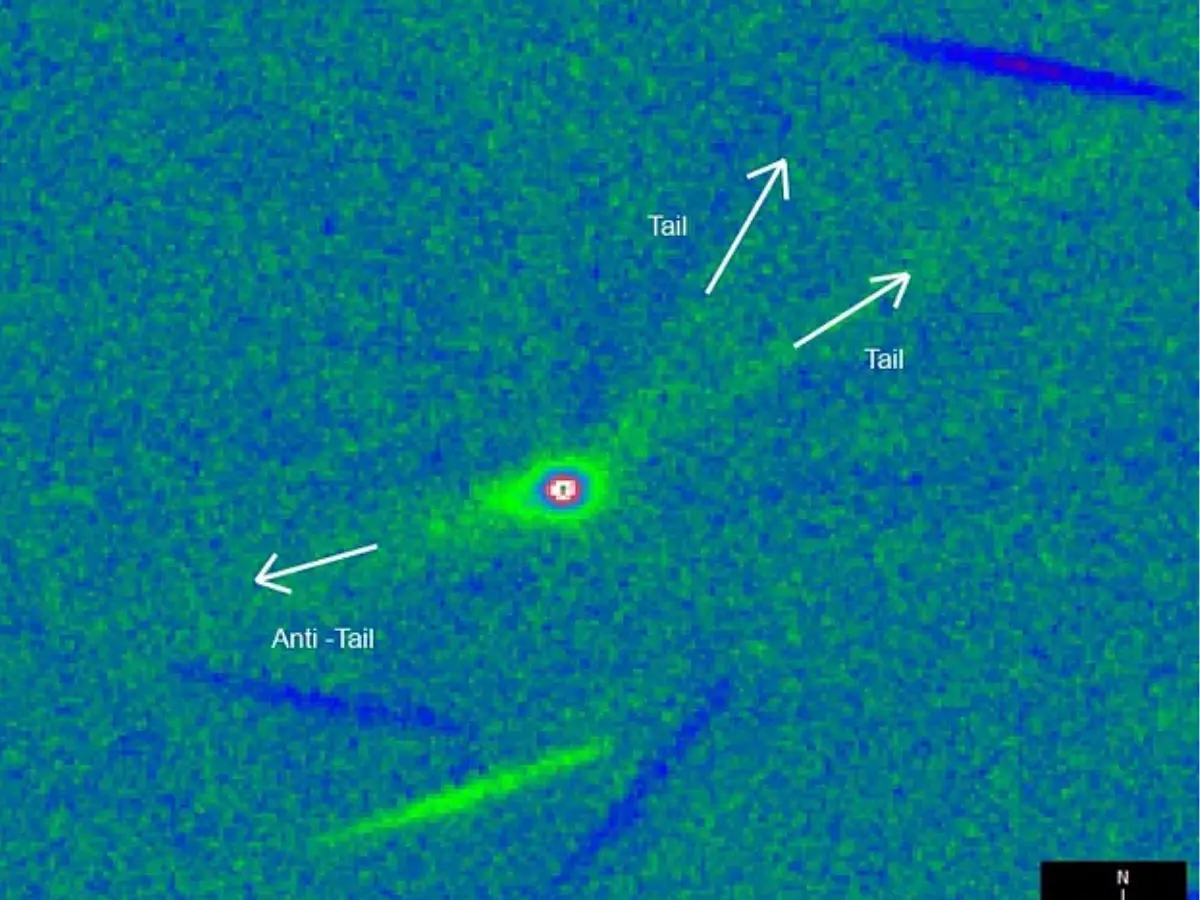
4. Depletion Suggests 3I/ATLAS Formed in an Extremely Cold, Outer Region of Its Home System
Carbon-chain molecules require moderately warm, carbon-rich environments to form. Their absence means 3I/ATLAS likely formed in a zone where temperatures were too low for carbon-bearing organics to efficiently polymerise. This places its birthplace far beyond the snow line, similar to the Kuiper Belt or Oort Cloud analog of another star.
5. Billions of Years of Cosmic-Ray Exposure May Have Destroyed Organic Chains
Interstellar comets spend immense time exposed to constant cosmic-ray bombardment, far beyond any solar magnetic protection. Cosmic rays can break long carbon chains into simpler molecules. This radiation-driven “chemistry erosion” is a plausible explanation for why 3I/ATLAS’ nucleus shows low C₂ and C₃ despite containing other preserved volatiles like CO and CO₂.
6. The Combination of Depleted Organics + High CO₂ Levels Is a Unique Signature
3I/ATLAS is chemically unusual:
- Weak C₂ and C₃ (carbon-chain depleted)
- Strong CO₂ and CO production
This mix suggests a nucleus rich in simple ices but poor in complex organics, a hallmark of formation in cold, low-UV outer disk regions, where carbon remains locked in CO/CO₂ rather than forming organic chains.
7. Carbon-Chain Depletion Helps Prove 3I/ATLAS Is Truly Interstellar
The volatile pattern of 3I/ATLAS does not match any major class of Solar System comet. Its depleted organics, processed surface, and CO₂-rich chemistry point to a formation environment unlike our own. These clues strengthen the conclusion that 3I/ATLAS originated around another star, was ejected early, and spent billions of years drifting through interstellar space before entering our Solar System.
)
)
)
)
)