What is ATAGS and how this indigenous 155mm howitzer is transforming the Indian Army’s artillery?

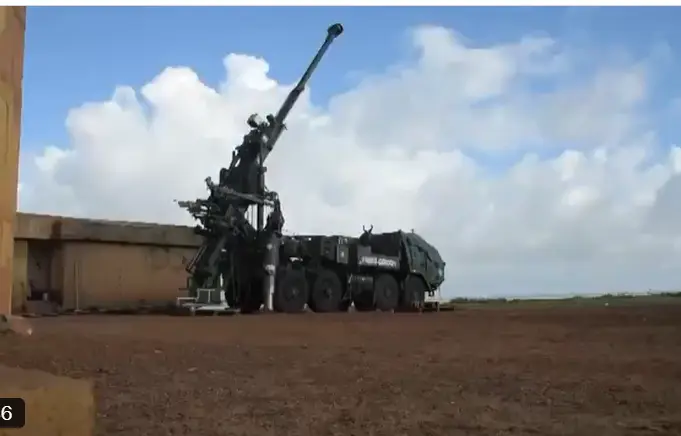
ATAGS is a 155mm, 52-calibre howitzer capable of operating from the deserts of Rajasthan to the heights of Siachen.
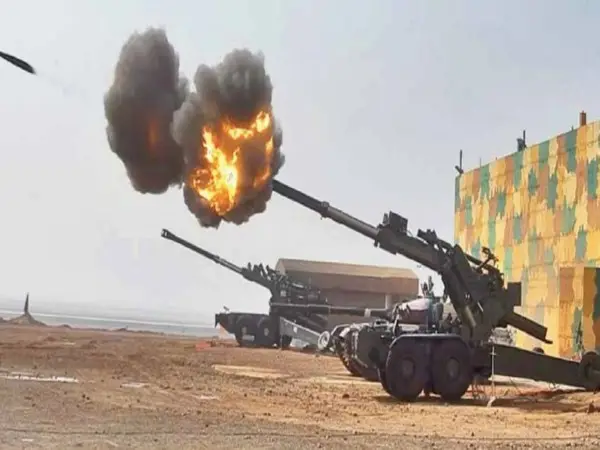
ATAGS: India’s Next-Generation Artillery Gun System
The Indian Army is preparing to induct a major upgrade to its artillery arsenal: the Advanced Towed Artillery Gun System (ATAGS). Developed indigenously under the Defence Research and Development Organisation (DRDO), ATAGS is a 155mm, 52-calibre howitzer capable of operating from the deserts of Rajasthan to the heights of Siachen. In March 2025, the Defence Ministry signed contracts worth nearly Rs. 6,900 crore with Bharat Forge Limited and Tata Advanced Systems Limited (TASL) to procure 307 ATAGS and 327 high-mobility 6x6 gun towing vehicles.
Described by DRDO as an 'exemplary mission mode success,' ATAGS is poised to replace older, smaller calibre guns across Army regiments. “ATAGS, renowned for its exceptional lethality, will play a crucial role in bolstering the Army’s firepower by enabling precise and long-range strikes,” the Defence Ministry noted.
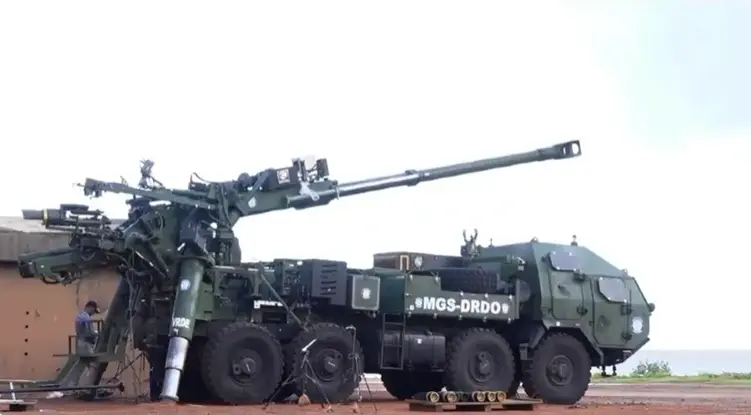
Designed for Modern Warfare
Initiated in 2013 by DRDO’s Armament Research and Development Establishment (ARDE) in Pune, ATAGS was built in collaboration with Bharat Forge and TASL. The project aims to modernise India’s artillery regiments and reduce dependence on imported systems. Delivery of the first regiment of 18 guns is expected within a year after completing mandatory tests.
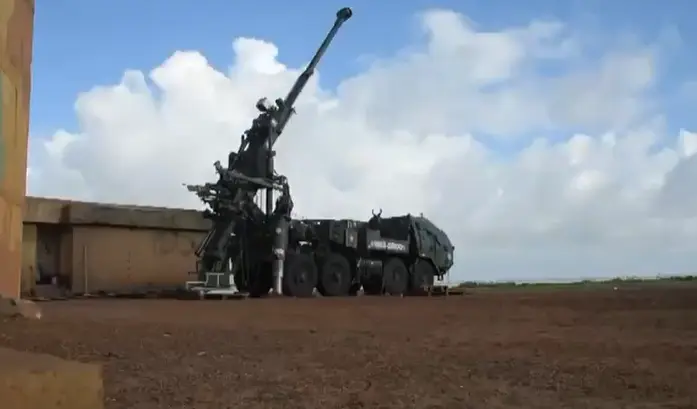
Key Features and Range
ATAGS is a 155mm, 52-calibre towed howitzer. It can achieve a maximum firing range of around 48 km using specialised ammunition such as the High Explosive Base Bleed (HE-BB) shell. In burst mode, it can fire five rounds in 60 seconds, or 10 rounds in 2.5 minutes. It remains compatible with existing 155mm shells in the Indian Army’s stock, including future Long Range Guided Munitions (LRGM).

Mobility and Rapid Deployment
Fitted to a 6×6 high-mobility towing vehicle, ATAGS can be deployed in around 85 seconds and has a power range of 45 kilometres. Designed for all terrains, the system supports the Army’s strategy to quickly reposition artillery after firing, reducing vulnerability to enemy counter-battery fire. By adding mobility, the guns can fire and relocate quickly, a 'shoot and scoot' capability, hence enhancing both survivability and lethality, according to The New Indian Express.
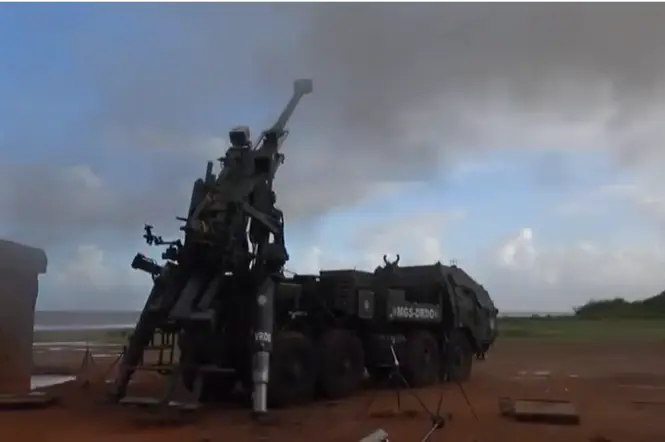
Technology and Fire Control
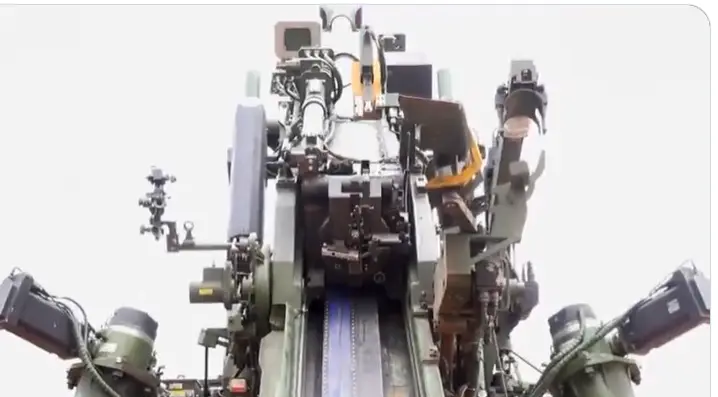
ATAGS features an all-electric drive system for gun laying, shell loading, and ramming, ensuring consistent performance and easier maintenance. Its fire control system includes Automatic Gun Alignment and Positioning System (AGAPS), muzzle velocity radar, and a ballistic computer, delivering accurate targeting. Night operations are supported through an advanced optronic sight and thermal imager.
Strategic Integration
The system integrates seamlessly with the Indian Army’s Artillery Combat Command and Control System (ACCCS), also known as Shakti. This digital network enables real-time targeting, enhancing battlefield coordination and responsiveness.
Boost to Self-Reliance and Defence Capability
With an order for 307 guns and 327 towing vehicles, ATAGS will gradually replace legacy artillery such as 105mm and 130mm guns. The Defence Ministry describes it as a 'major milestone' in the drive towards indigenisation. Alongside systems like the Pinaka rocket launcher and K9 Vajra-T tracked artillery, ATAGS strengthens India’s artillery modernisation and operational readiness across varied terrain.
)
)
)
)
)