What is Artemis 2 mission and why is it important for entire humanity?

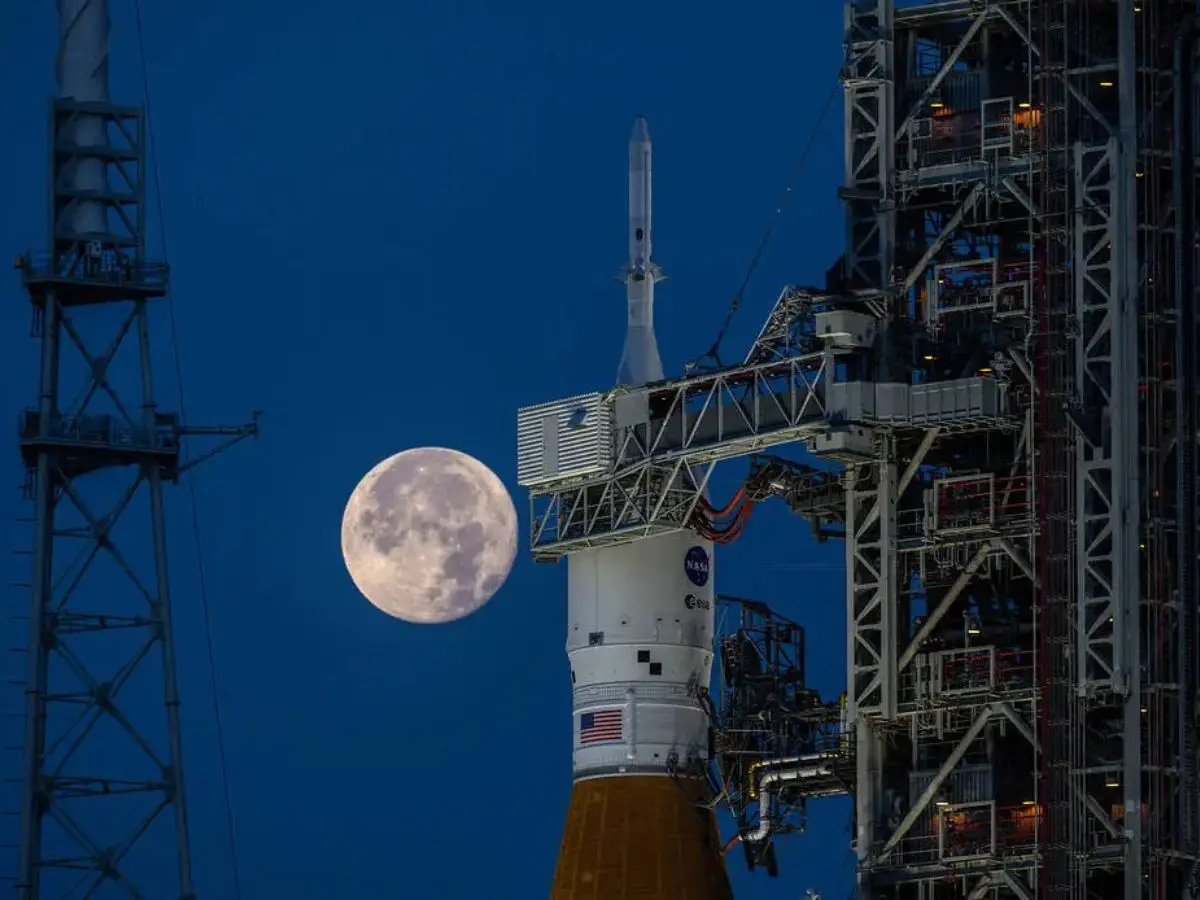
The Artemis 2 mission is humanity's long-awaited "return to the neighborhood." Targeted for launch as early as February 2026, this mission will carry four astronauts on a 10-day journey around the Moon and back
1. The Multi-Generational Return
For over 50 years, the furthest humans have traveled is to the International Space Station, a mere 400 km above us. Artemis 2 shatters this ceiling. It isn’t just a flight; it’s the symbolic and physical reclaiming of deep space. By returning to the Moon's vicinity, we are proving that the knowledge gained during the Apollo era wasn't lost, but merely waiting for the right moment to evolve.
2. The Final Test of the "Orion" Life-Support
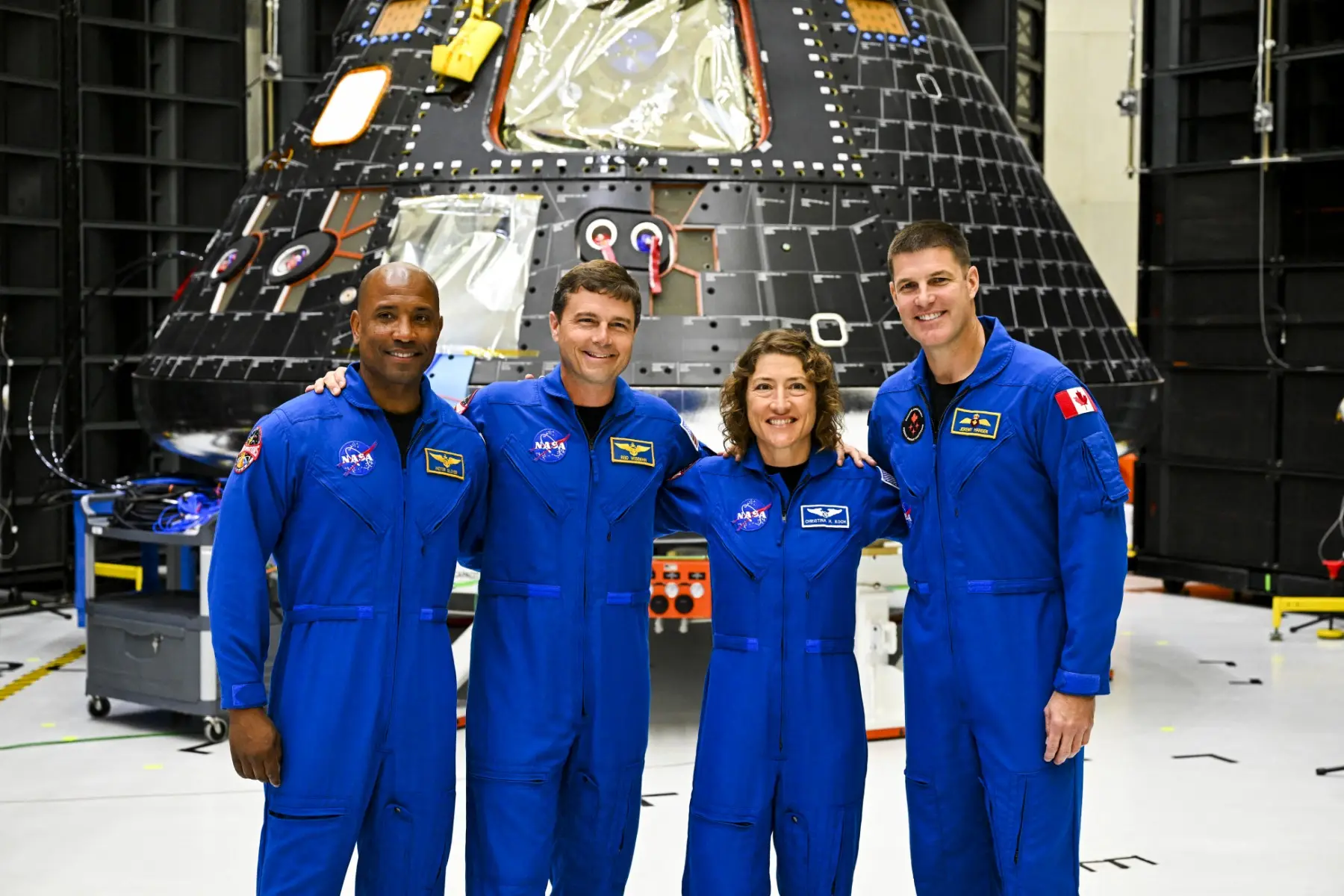
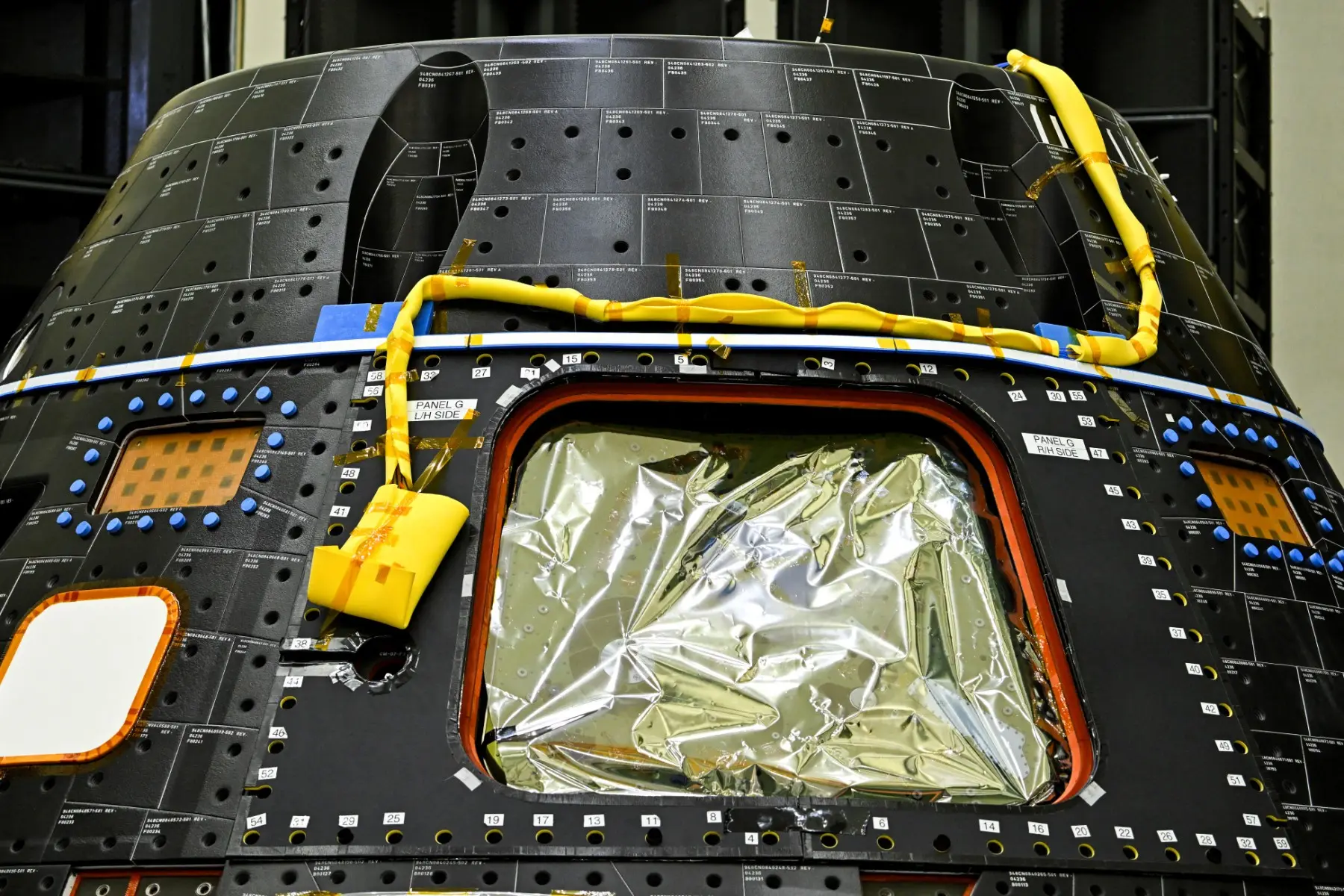
While Artemis 1 proved the Space Launch System (SLS) rocket could fly and the Orion capsule could survive re-entry, it did so with a "Moonikin" (a dummy). Artemis 2 is the ultimate stress test. For 10 days, four humans will rely entirely on Orion’s life-support systems to breathe, eat, and stay protected from deep-space radiation. If these systems hold, the "green light" is given for humans to actually step onto the lunar surface in Artemis 3.
3. A Trajectory of No Return
The mission follows a "free-return trajectory." This means that once the crew is slung toward the Moon, Earth’s gravity will naturally pull them back home, even if their engines fail. This safety-first approach is critical for the "first crewed" mission of a new era. At their furthest point, the crew will be roughly 4,600 miles (7,400 km) beyond the far side of the Moon, further than any human has ever traveled from Earth.

4. Breaking the "Apollo" Demographic
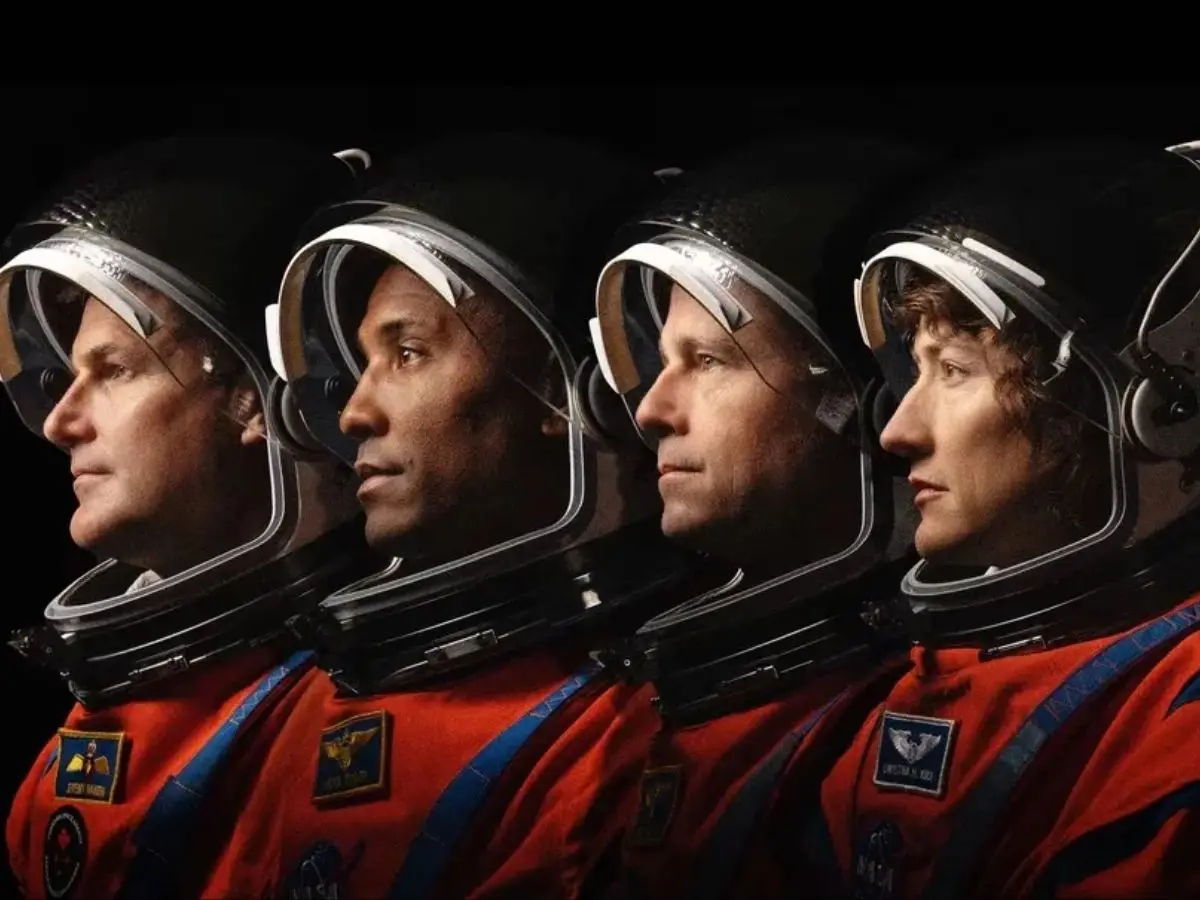
The Artemis 2 crew represents a significant shift in who explores space. The team includes:
- Reid Wiseman (Commander)
- Victor Glover (Pilot) – The first person of color on a lunar mission.
- Christina Koch (Mission Specialist) – The first woman on a lunar mission.
- Jeremy Hansen (Mission Specialist) – The first non-American (Canadian) to leave Earth's orbit. This diversity signals that the Moon is for all of humanity, not just a select few.
5. Relearning the "Art" of Lunar Navigation
Deep space is a different beast than Earth orbit. The crew will perform manual “proximity operations” testing how well they can steer the Orion capsule near the spent rocket stage. They will also validate high-speed communication systems. Because we haven't done this in 50 years, Artemis 2 is essentially a masterclass in "re-learning" how to navigate the void between worlds.
6. The Proving Ground for Mars
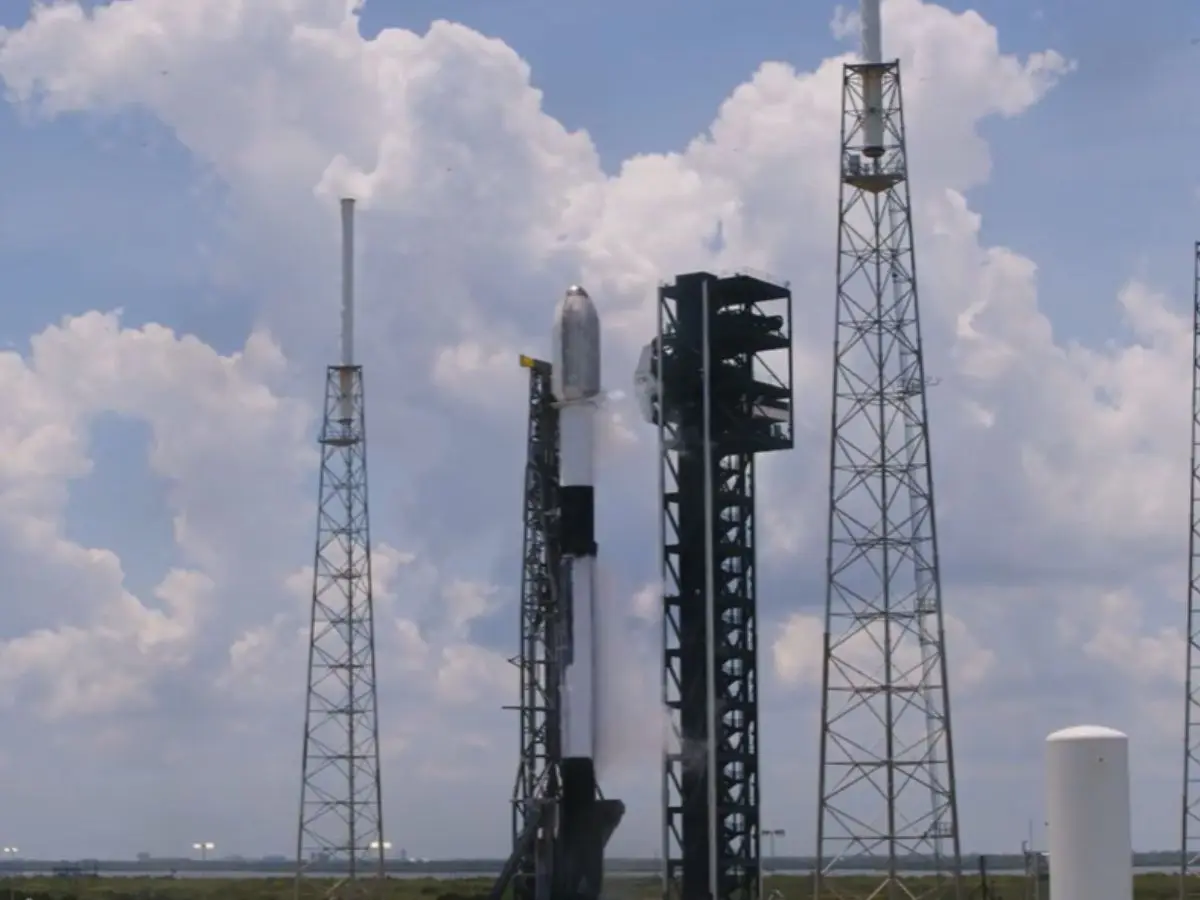
Why go back to the Moon? Because it is our training camp for Mars. Artemis 2 tests the "Orion" as a long-duration vehicle. By spending 10 days in the harsh radiation environment beyond Earth’s magnetic field, scientists can study the "human system" (the crew's bodies) to prepare for the years-long journeys required to reach the Red Planet.
7. Establishing "The Artemis Accords"
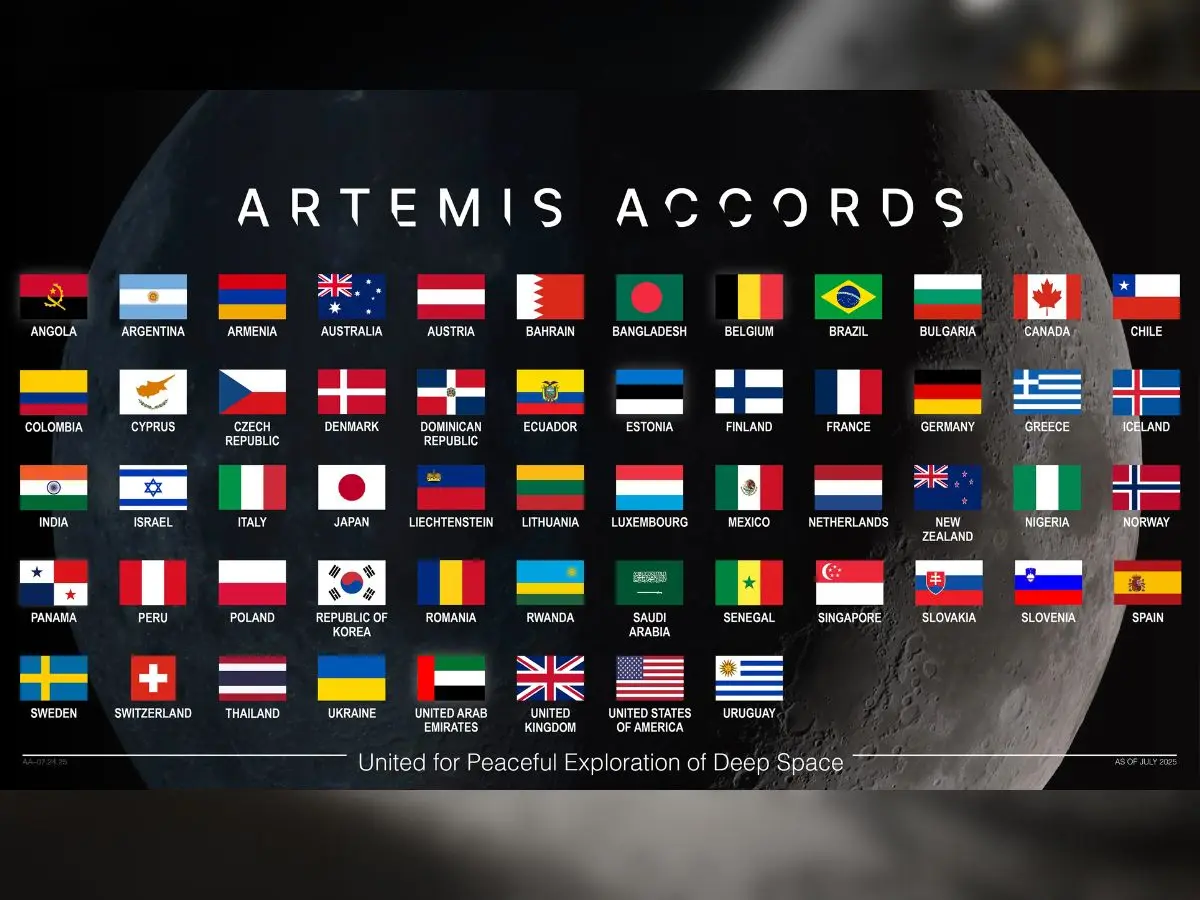
Artemis 2 is the diplomatic anchor for the Artemis Accords, a set of international agreements on how to explore space peacefully and transparently. Unlike the 1960s Space Race, which was a "closed-door" competition, Artemis 2 is a public, multi-national effort. It sets the precedent for how civilisation will share resources and territory as we move from "visiting" space to "living" there.
)
)
)
)
)