What is AK-203 rifle that India & Russia are building together?

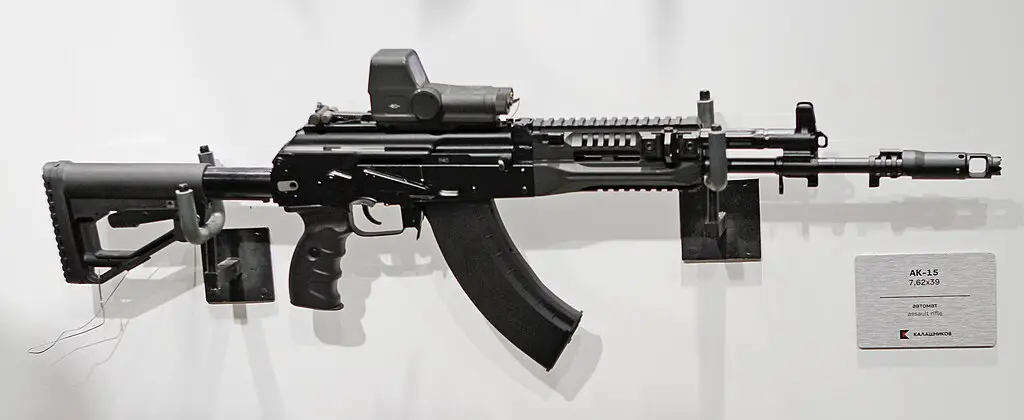
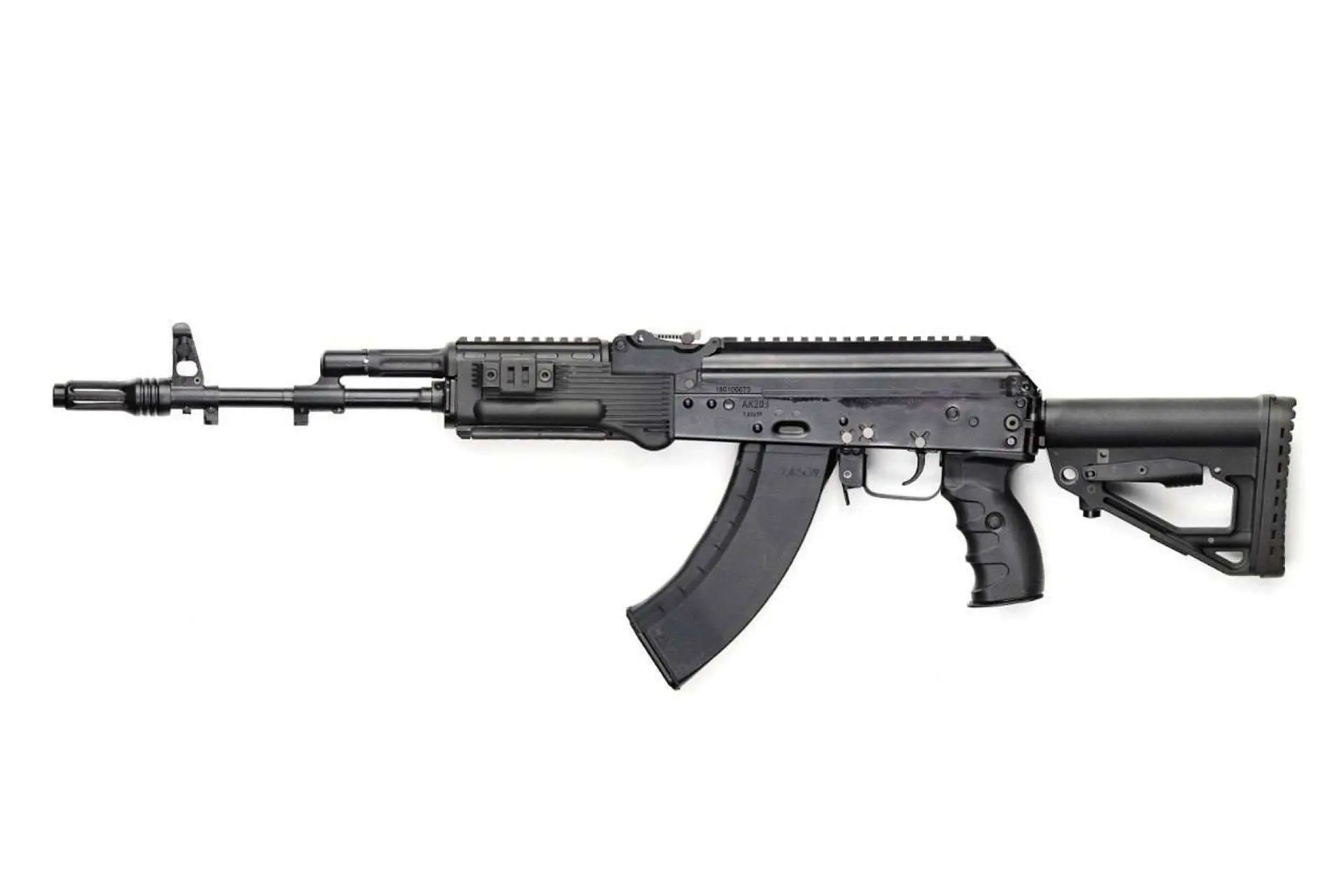
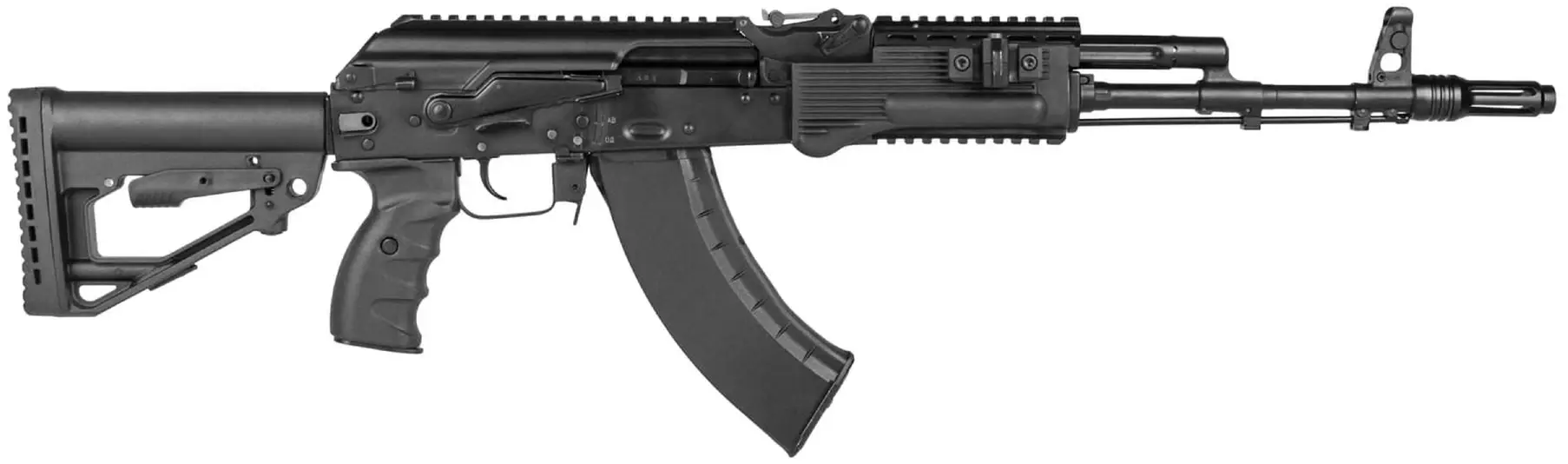
The AK-203 belongs to the newer 200-series of the Kalashnikov platform. It combines the traditional strengths of the AK design, durability, ease of use and functioning in harsh environments, with modern features such as improved ergonomics, accessory compatibility and better accuracy.
1. Joint Venture Between India and Russia to Replace Ageing Infantry Rifles
India and Russia are producing the AK-203 under a joint venture called Indo-Russian Rifles Private Limited (IRRPL). The agreement, formalised in 2018, aims to replace older 5.56 mm INSAS rifles with a more reliable 7.62×39 mm platform suited for frontline soldiers.
2. Production at Korwa, Amethi Under “Make in India” Framework
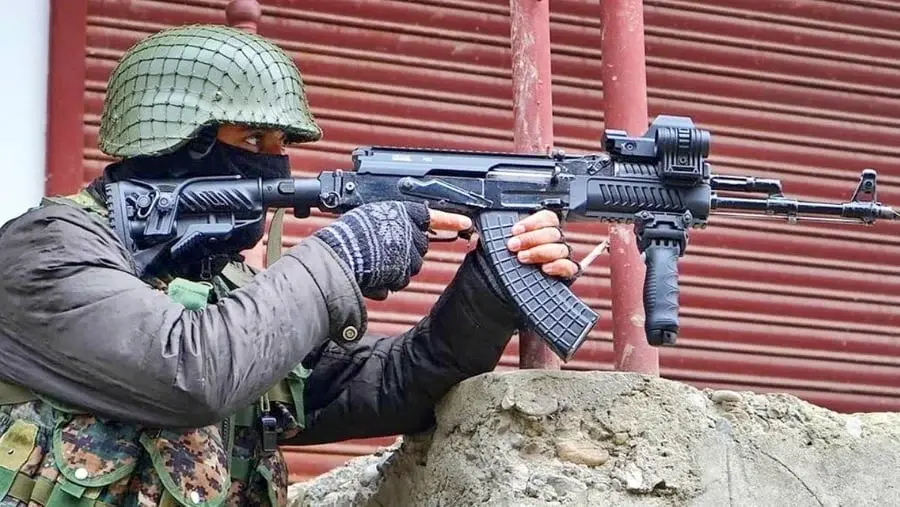
The rifles are being manufactured at a dedicated facility in Korwa, Amethi. This plant is operated by IRRPL and is designed for phased localisation, with the long-term goal of shifting the entire production process to Indian industry.
3. A Modern Version of the Kalashnikov Rifle Family
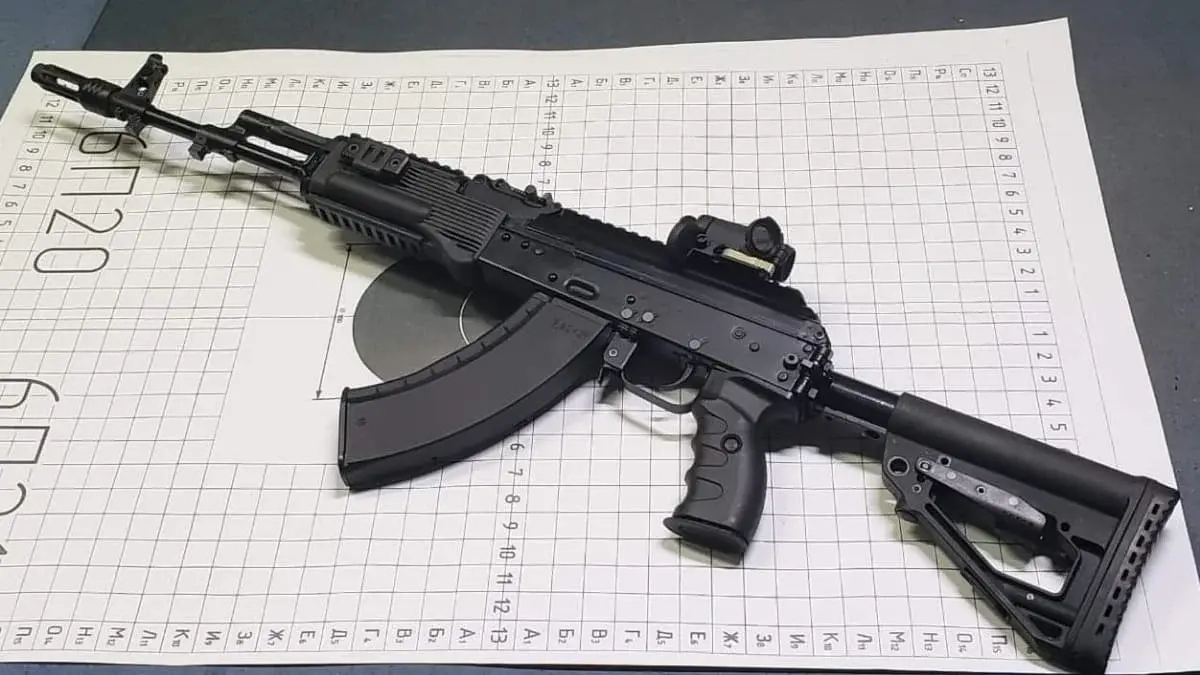
The AK-203 belongs to the newer 200-series of the Kalashnikov platform. It combines the traditional strengths of the AK design, durability, ease of use and functioning in harsh environments, with modern features such as improved ergonomics, accessory compatibility and better accuracy.
4. 7.62×39 mm Calibre Chosen for Terrain and Operational Needs
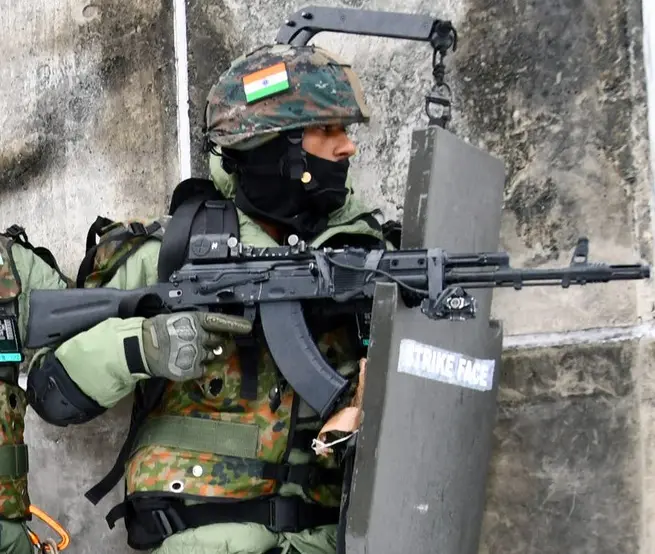
The rifle uses 7.62×39 mm ammunition, offering higher stopping power compared with India’s legacy 5.56 mm rifles. This calibre is considered more effective in close-quarter engagements and in challenging terrain such as mountains, dense vegetation and built-up areas.
5. Deliveries Have Already Begun to the Indian Armed Forces
Licensed production began in 2023, and the first batches have already been delivered to the Ministry of Defence. The joint venture is set to supply more than 600,000 rifles to the armed forces, with deliveries planned in stages as production capacity expands.
6. Gradual Localisation to Move Toward Fully Indigenous Production
IRRPL’s production plan includes steadily increasing the Indian content in the rifle. Over time, components, tooling and assembly processes will shift from imported to domestically produced, supporting India’s broader aim of self-reliance in defence manufacturing.
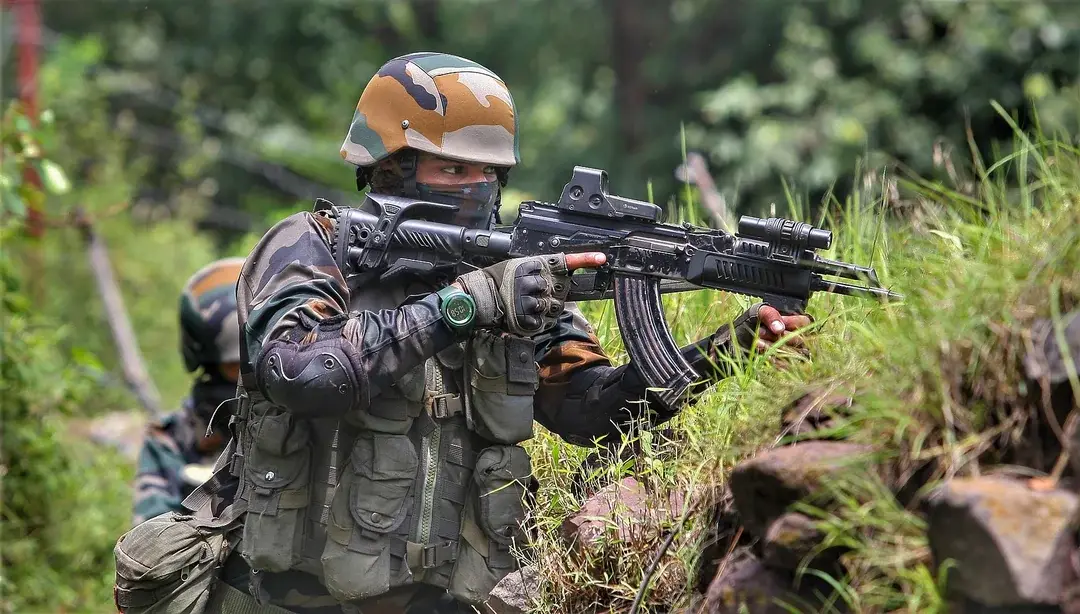
7. Long-Term Potential for Scale, Upgrades and Export
Once full-rate production and localisation are reached, the line may support not just Indian Army requirements but also future upgrades, accessory systems and potential exports. The project represents a long-term technology partnership built on shared manufacturing capability.
)
)
)
)
)