What is Air Force Two? Inside the ultra-secure aircraft that carried US Vice President JD Vance to Pakistan for US-Iran talks

Pakistan’s Deputy Prime Minister Ishaq Dar shared video footage on X, showing Vance disembarking, the aircraft, down a red carpet at the Nur Khan air base, where US special envoy Steve Witkoff and Trump's son-in-law Jared Kushner were already waiting.
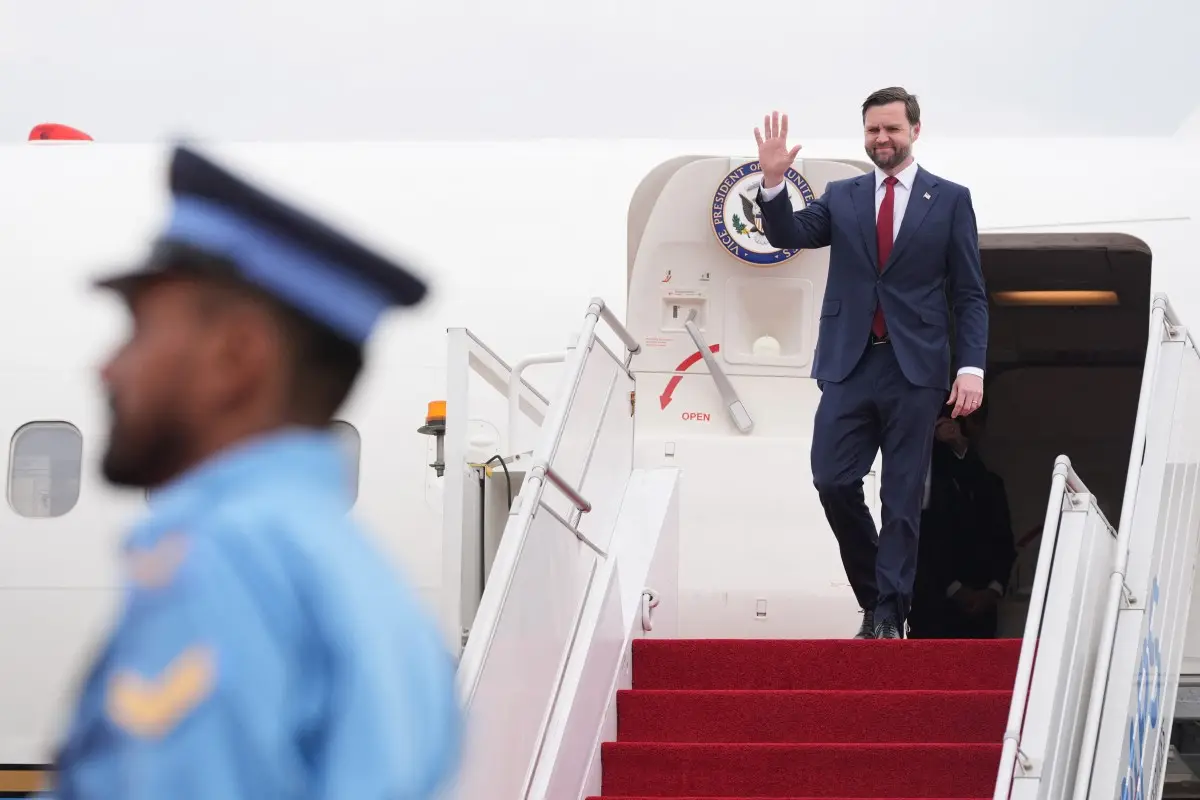
JD Vance arrives in Pakistan
The aircraft drew attention after US Vice President JD Vance arrived in Islamabad aboard a US Air Force aircraft for high-level negotiations involving US and Iranian delegations. Pakistan’s Deputy Prime Minister Ishaq Dar shared video footage on X, showing Vance disembarking, the aircraft, down a red carpet at the Nur Khan air base, where US special envoy Steve Witkoff and Trump's son-in-law Jared Kushner were already waiting.
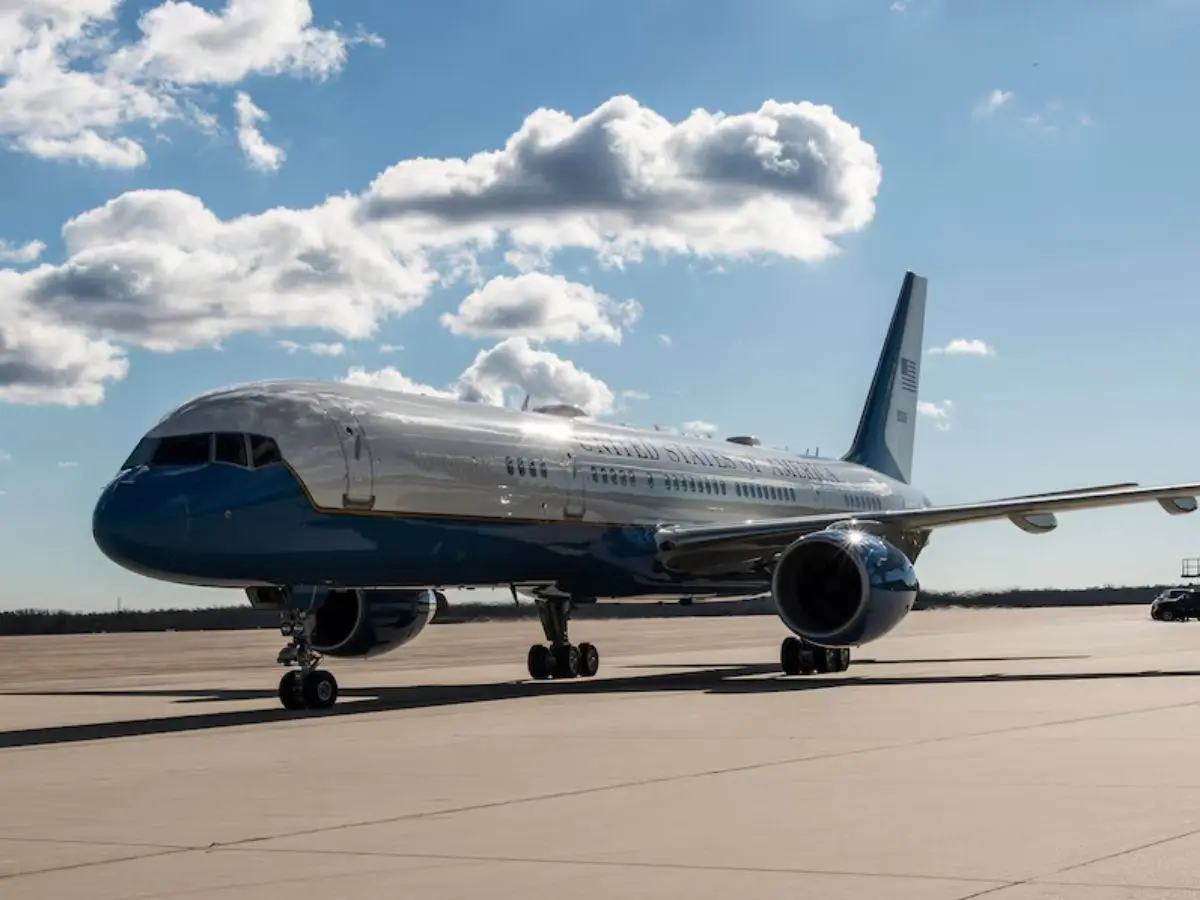
Defining Air Force Two
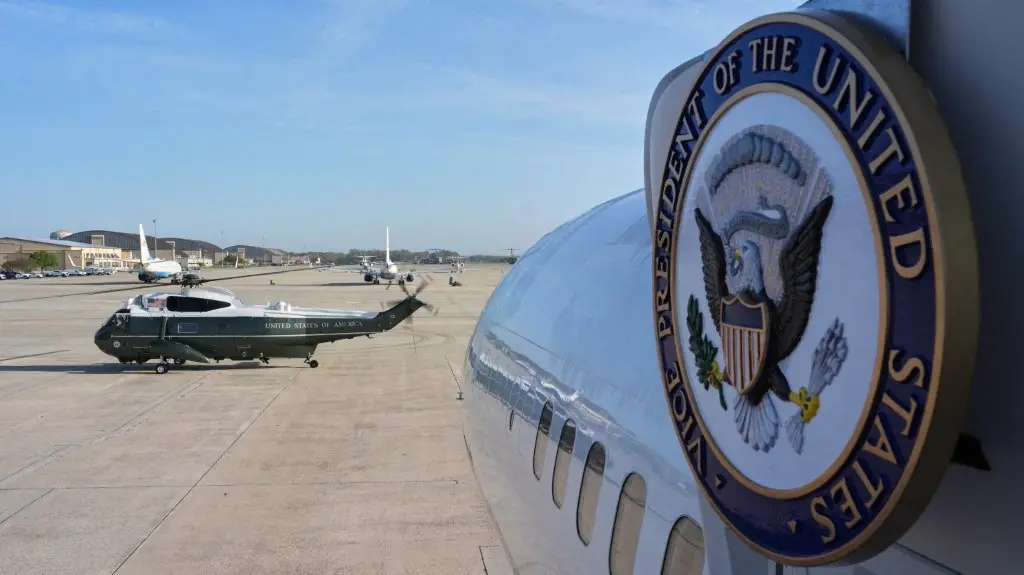
Air Force Two is the official air traffic control call sign used for any United States Air Force aircraft carrying the Vice President of the United States. The designation is not tied to a single aircraft, but to the role being performed. According to the US Air Force fact sheet, it applies when the Vice President is on board, ensuring secure and prioritised handling of the flight across airspace systems.
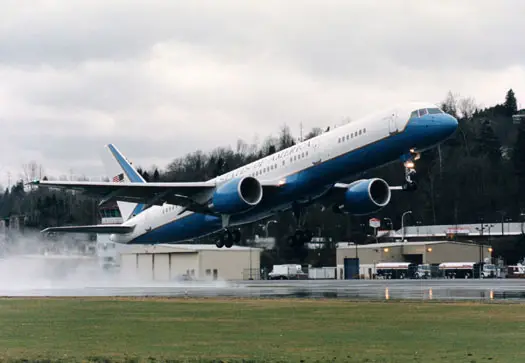
The aircraft in service
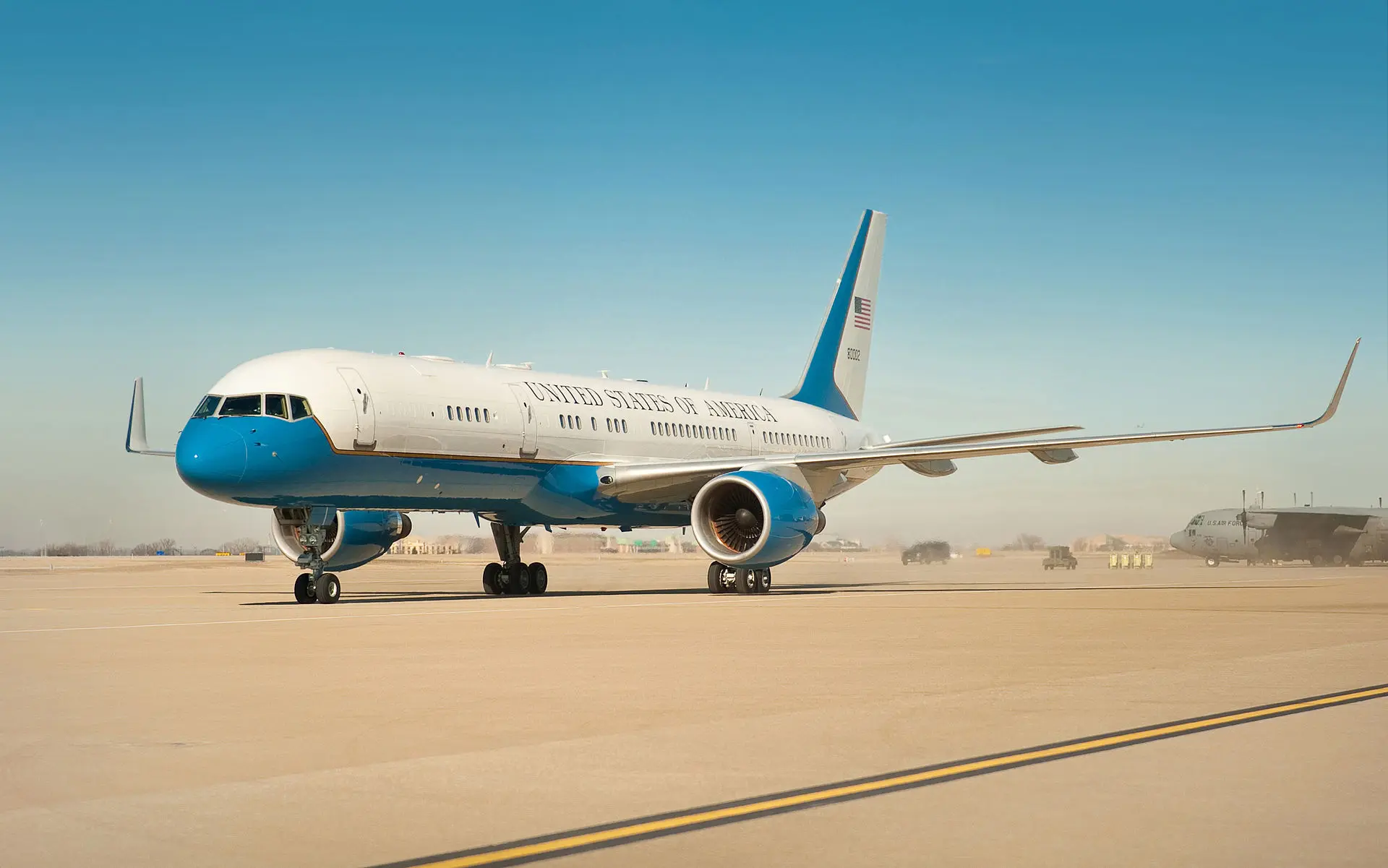
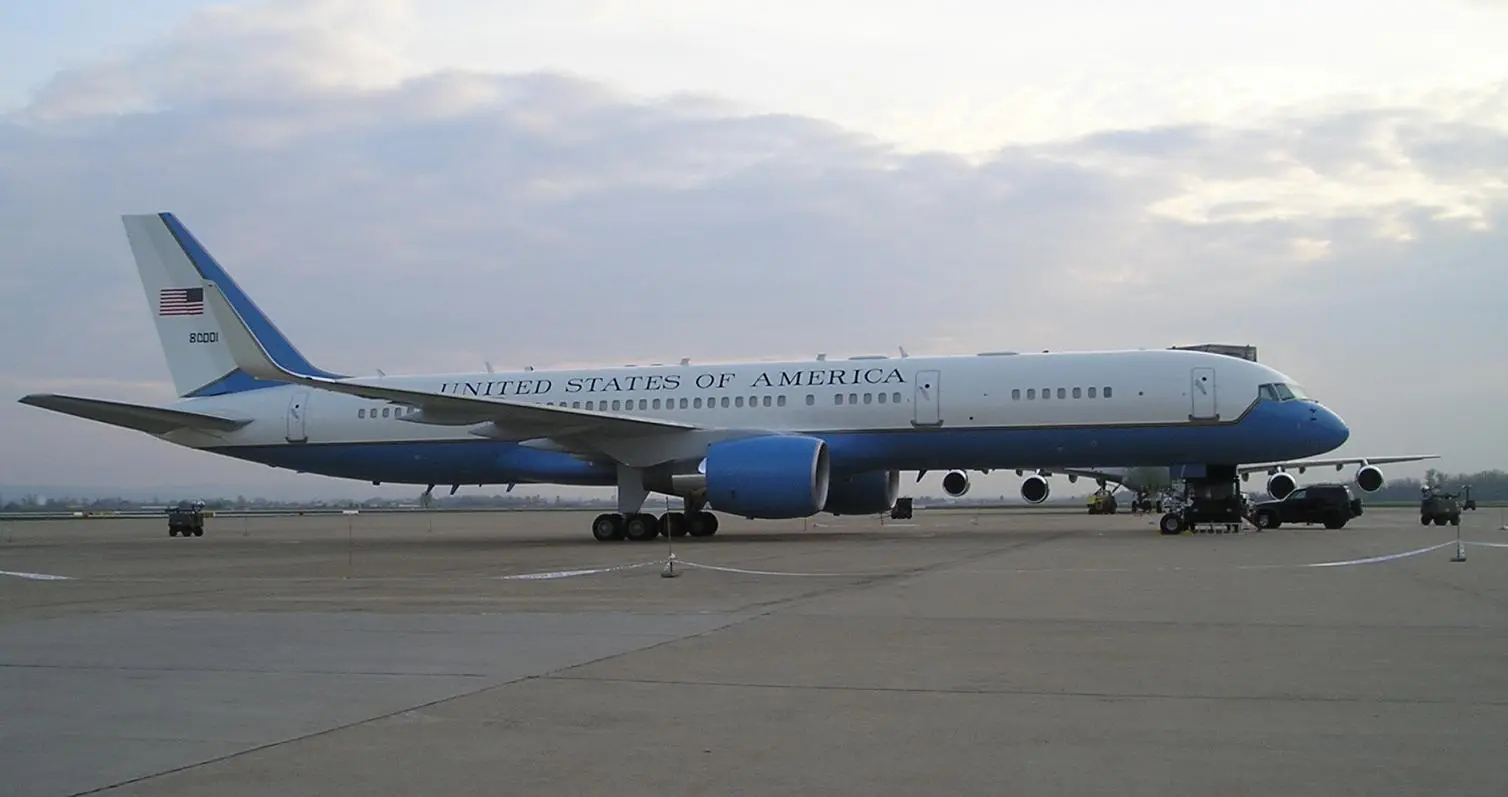
In practice, the Vice President most commonly flies on the Boeing C-32, a military variant of the Boeing 757-200. The aircraft is configured for executive transport, with communications systems enabling secure connectivity during international travel. It operates as part of the US Air Force’s 89th Airlift Wing, which is responsible for transporting senior government officials.
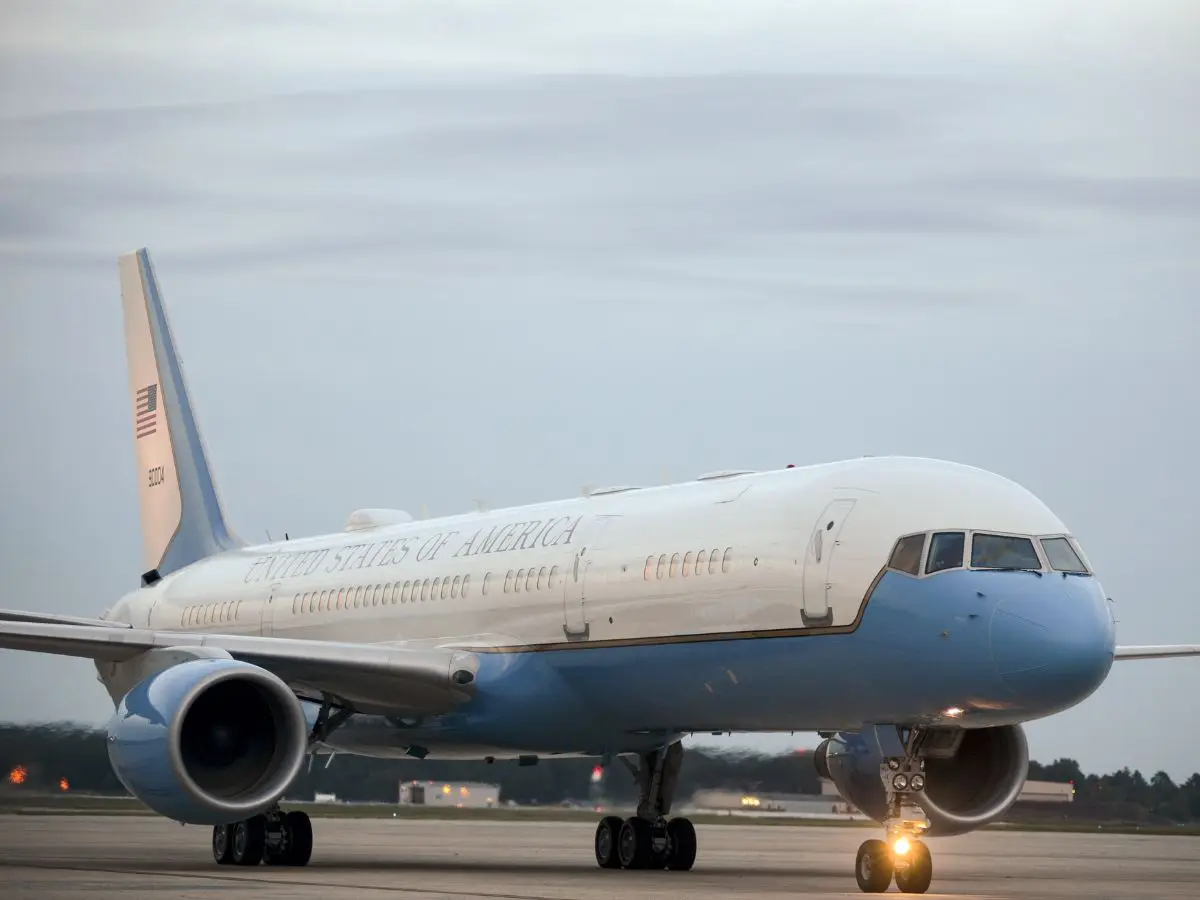
Purpose and function
The C-32, when designated Air Force Two, provides secure, reliable transport for the Vice President on domestic and international missions. Its role is logistical and operational rather than ceremonial, ensuring continuity of government functions while in transit. The designation also ensures coordination with military and civil aviation authorities worldwide.
Inside the aircraft layout and capabilities
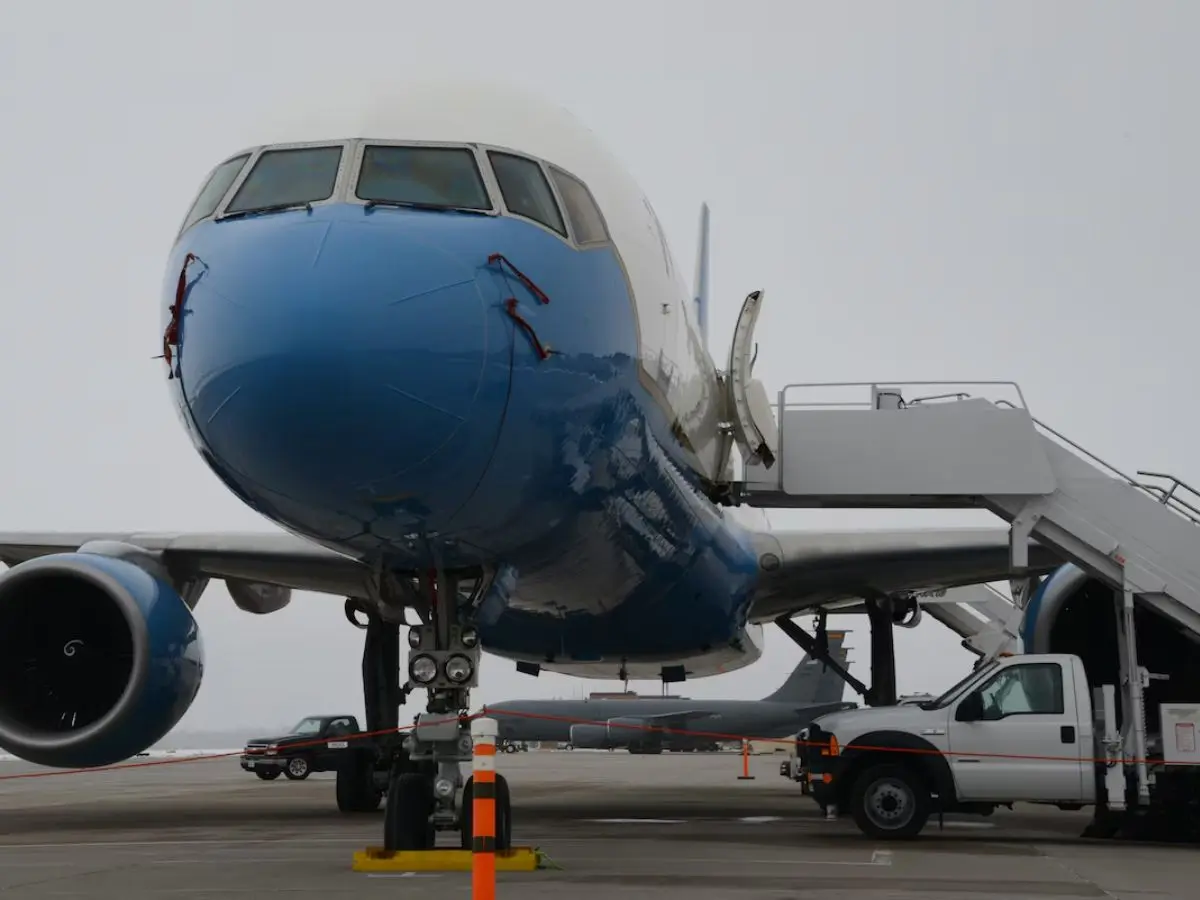
With a fuel capacity of 92,000 pounds (41,731 kilograms), the aircraft can travel up to 5,500 nautical miles without refuelling. It cruises at a speed of approximately 537 miles per hour, enabling efficient long-distance travel for high-level official missions.
Cabin layout and onboard configuration
The aircraft is divided into distinct sections designed for functionality and comfort. The forward area houses a communications centre, galley, lavatory, and 10 business-class seats. Behind it is a fully enclosed stateroom reserved for the primary passenger, featuring a changing area, private lavatory, dedicated entertainment system, two first-class swivel seats, and a convertible divan that can seat three and fold into a bed. The third section serves as a conference and staff facility, equipped with eight business-class seats for official discussions during flight. The rear section accommodates broader staff requirements, offering 32 business-class seats, along with an additional galley, two lavatories, and storage closets, ensuring the aircraft supports both operational and logistical needs during extended journeys.
Why the call sign “Air Force Two” may change
While “Air Force Two” is the standard call sign when the Vice President is on board, it is not always used publicly. In sensitive situations, the aircraft may switch to a Special Air Mission (SAM) designation. During Vice President JD Vance’s arrival in Islamabad, aviation observers noted the use of “SAM095” instead of the usual call sign, says Free Press Journal. This shift is intended to reduce the flight’s visibility in public tracking systems, adding a layer of operational discretion. By limiting immediate identification, authorities aim to enhance security and minimise risks during high-level diplomatic movements. The change in call sign reflects a practical adjustment, prioritising the safety of the delegation and the smooth conduct of sensitive negotiations.
Why the Islamabad talks carry high stakes
The talks in Islamabad are being seen as a decisive diplomatic moment after weeks of conflict in the Middle East. Vance's arrival in Islamabad is being described by the host government as a ‘make or break’ effort to secure a lasting halt to the fighting, says AFP. An Iranian delegation led by parliamentary speaker Mohammad Bagher Ghalibaf arrived separately, highlighting the seriousness of the engagement. Pakistan’s military leadership, including army chief Asim Munir, played a central role in receiving both sides. The convergence of senior figures from Washington and Tehran signals a rare window for direct engagement, with the outcome expected to shape the trajectory of tensions in the region.
)
)

)
)