What is a Nucleas and how it works in 3I/ATLAS comet

Unlike many comets we know, 3I/ATLAS shows carbon-chain depletion (low C₂ and C₃) but high CO₂. This means the nucleus’ chemistry was shaped either by the environment where it formed or by long exposure to cosmic radiation.
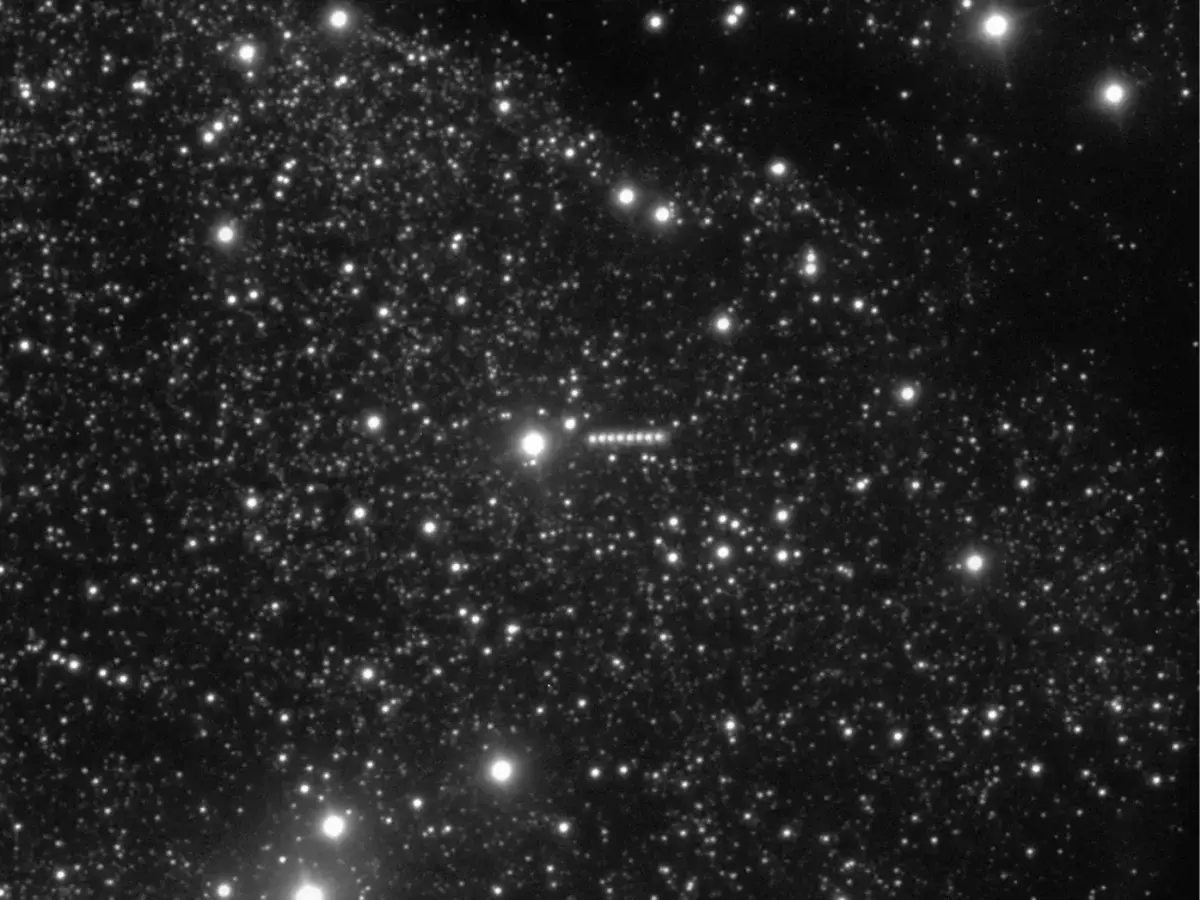
1. A Comet’s Nucleus Is Its Solid Core — The “Real” Comet Beneath the Glow
The nucleus is the central, solid body of a comet, made of frozen gases (ices), dust, rock and organic molecules. It is usually just a few hundred meters to a few kilometers across. Everything we see as a bright tail or coma starts from the nucleus. For 3I/ATLAS, the nucleus is the ancient, icy core that survived billions of years traveling between stars.
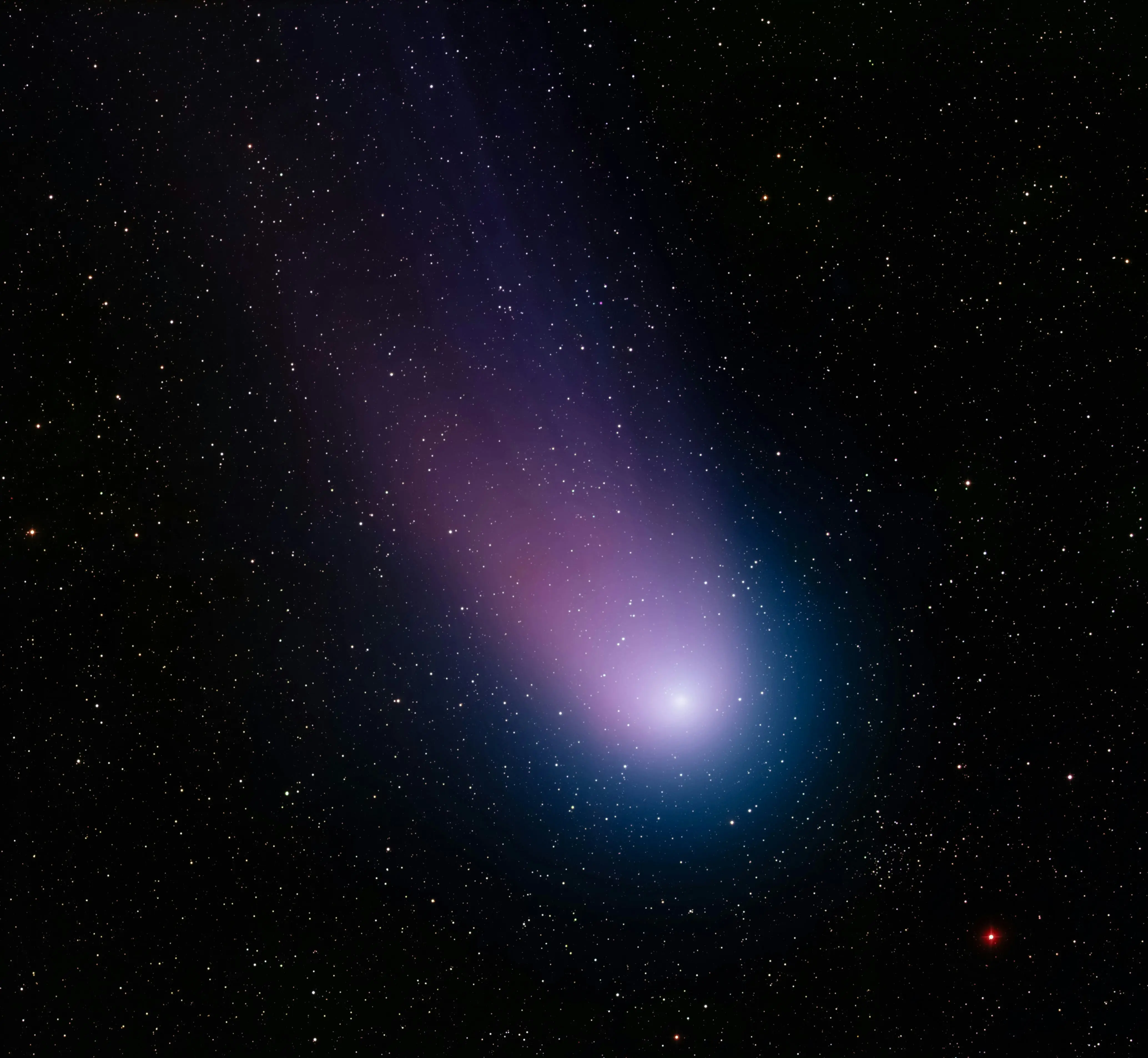
2. 3I/ATLAS’ Nucleus Contains Multiple Volatiles That Erupt When Heated
Spectroscopic observations show that 3I/ATLAS’ nucleus contains water ice (H₂O), carbon dioxide (CO₂), carbon monoxide (CO), and OCS, along with trace nickel-bearing species. As the nucleus warms while passing near the Sun, these ices turn directly into gas (sublimation), creating the coma. Its volatile mix indicates that its nucleus formed in the cold outer region of another star system.
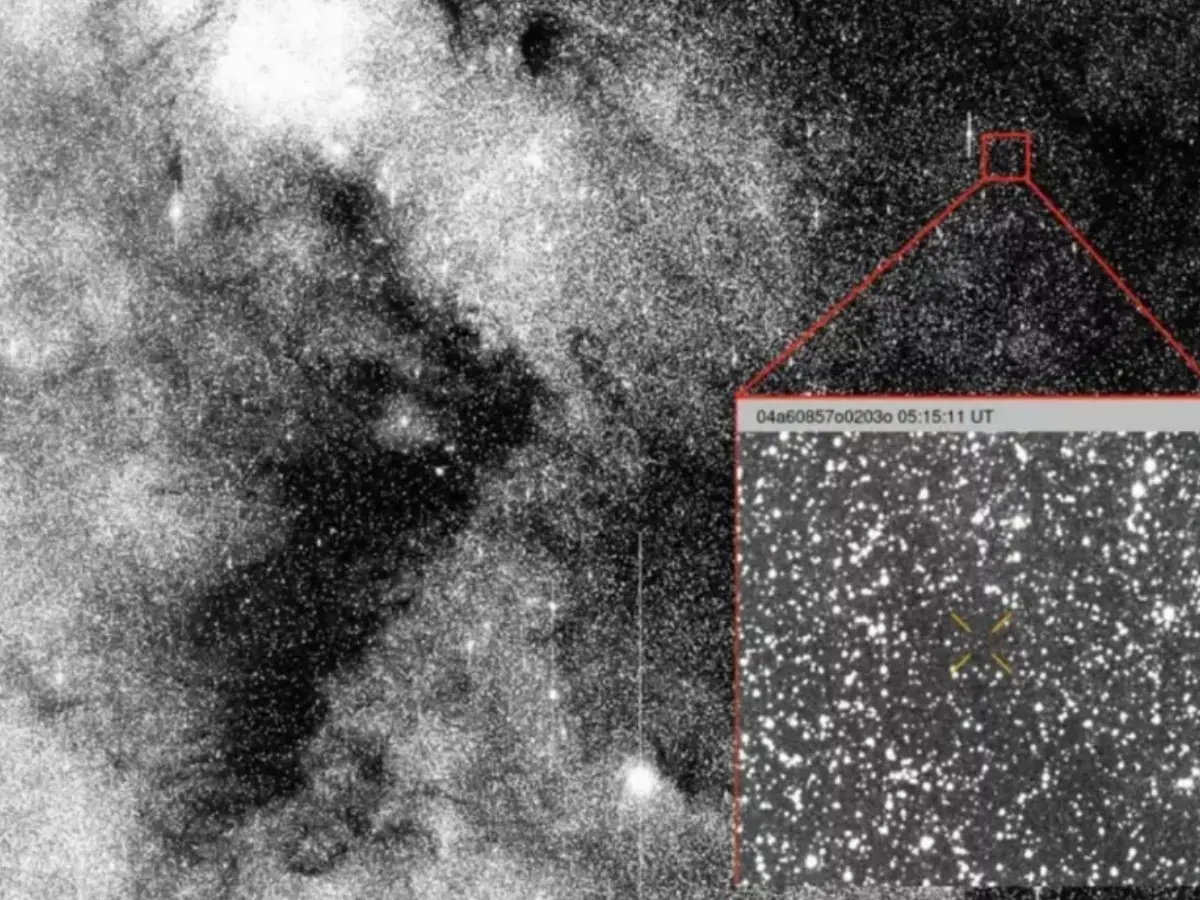
3. The Nucleus Appears Chemically Different From Solar System Comets
Unlike many comets we know, 3I/ATLAS shows carbon-chain depletion (low C₂ and C₃) but high CO₂. This means the nucleus’ chemistry was shaped either by the environment where it formed or by long exposure to cosmic radiation. This chemical signature sets it apart from typical Kuiper Belt or Oort Cloud comets.
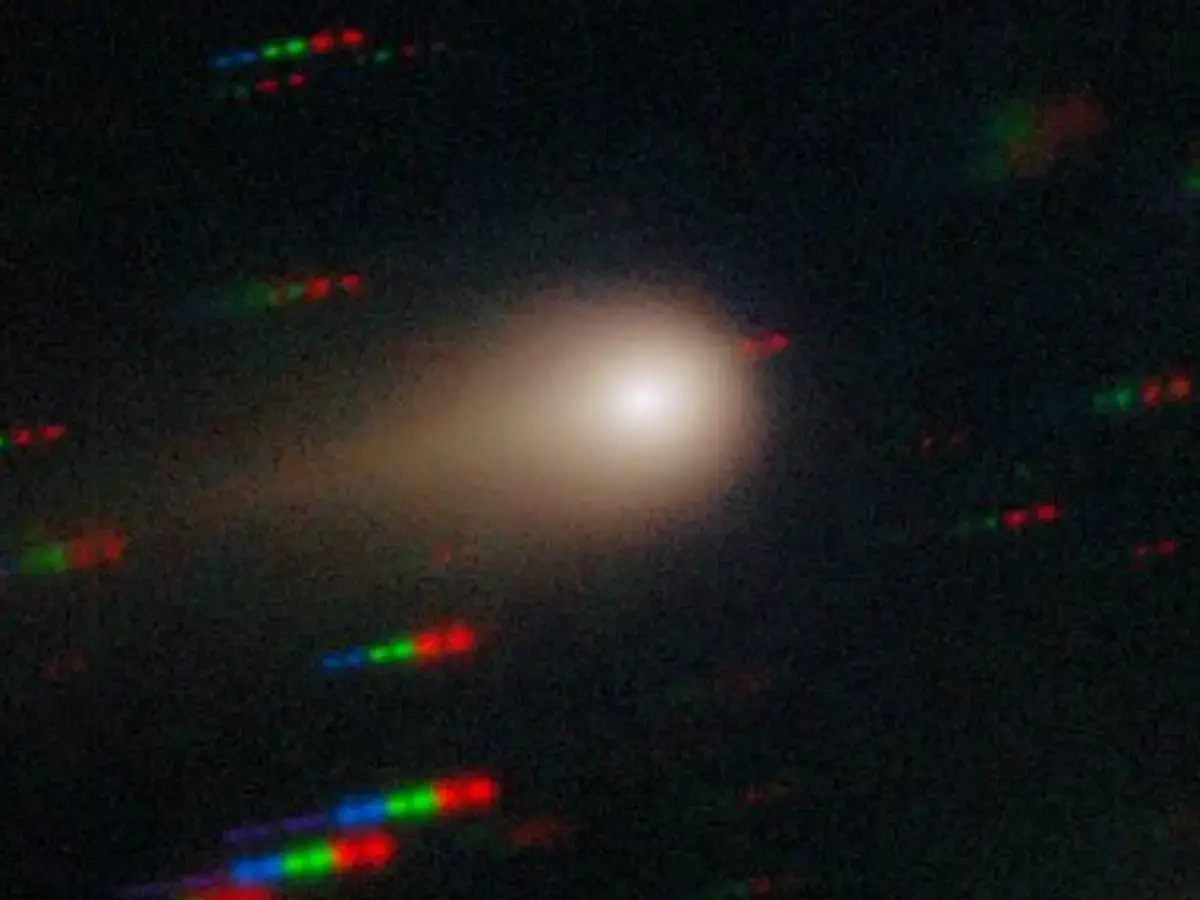
4. Cosmic Rays Have Processed the Surface of the Nucleus for Billions of Years
Interstellar comets spend immense time outside any star’s protective magnetic field. Cosmic rays bombard their nuclei continuously, altering surface chemistry. For 3I/ATLAS, this long radiation exposure likely created a processed, darkened crust that traps organics and suppresses sublimation until closer to the Sun. This is consistent with the carbon-chain depletion detected.
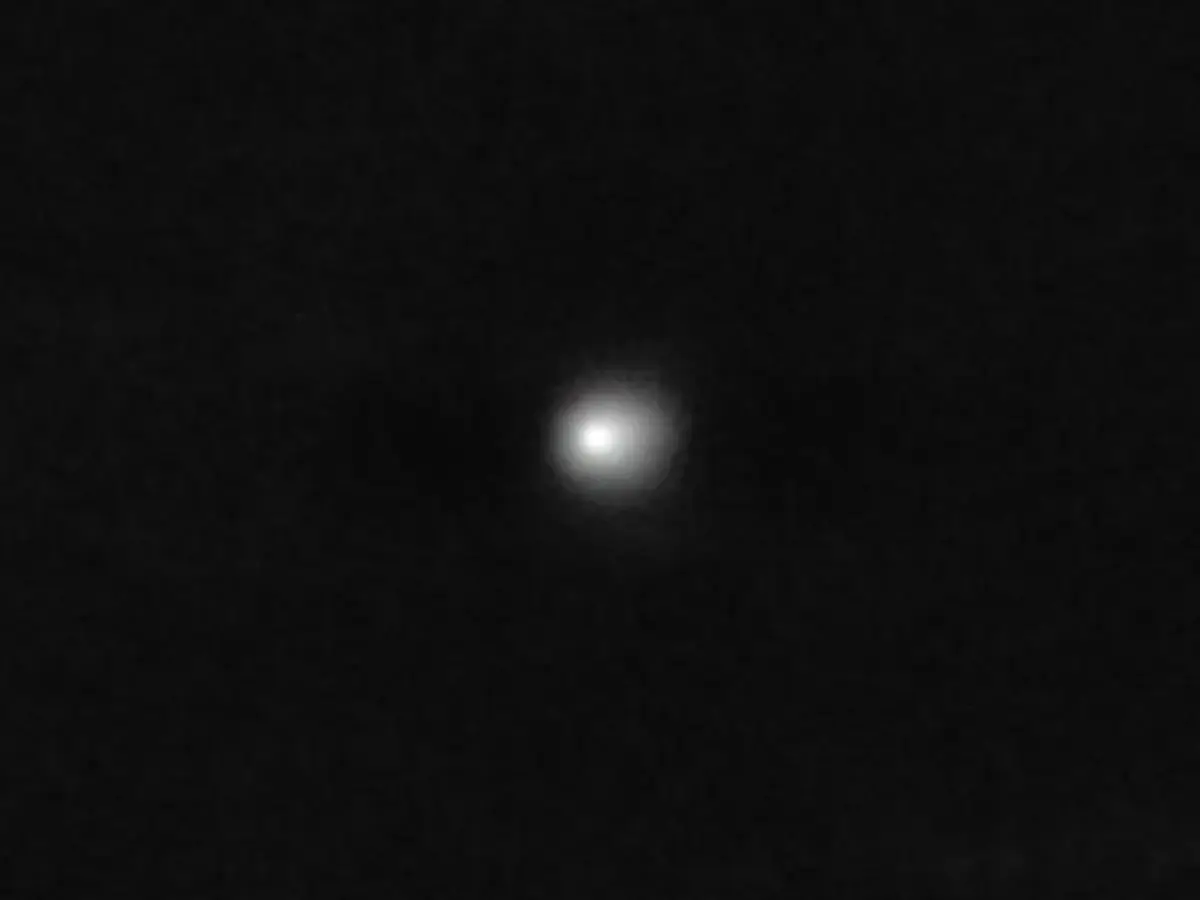
5. As 3I/ATLAS Approaches the Sun, the Nucleus Activates in Layers
Comet nuclei warm from the outside inward. First, super-volatile ices like CO wake up, followed by CO₂, and finally water ice. Observations show that 3I/ATLAS became active early at relatively large distances from the Sun, a sign that CO and CO₂ were sublimating from its surface. This layered activation is typical for comets formed far beyond a snow line.
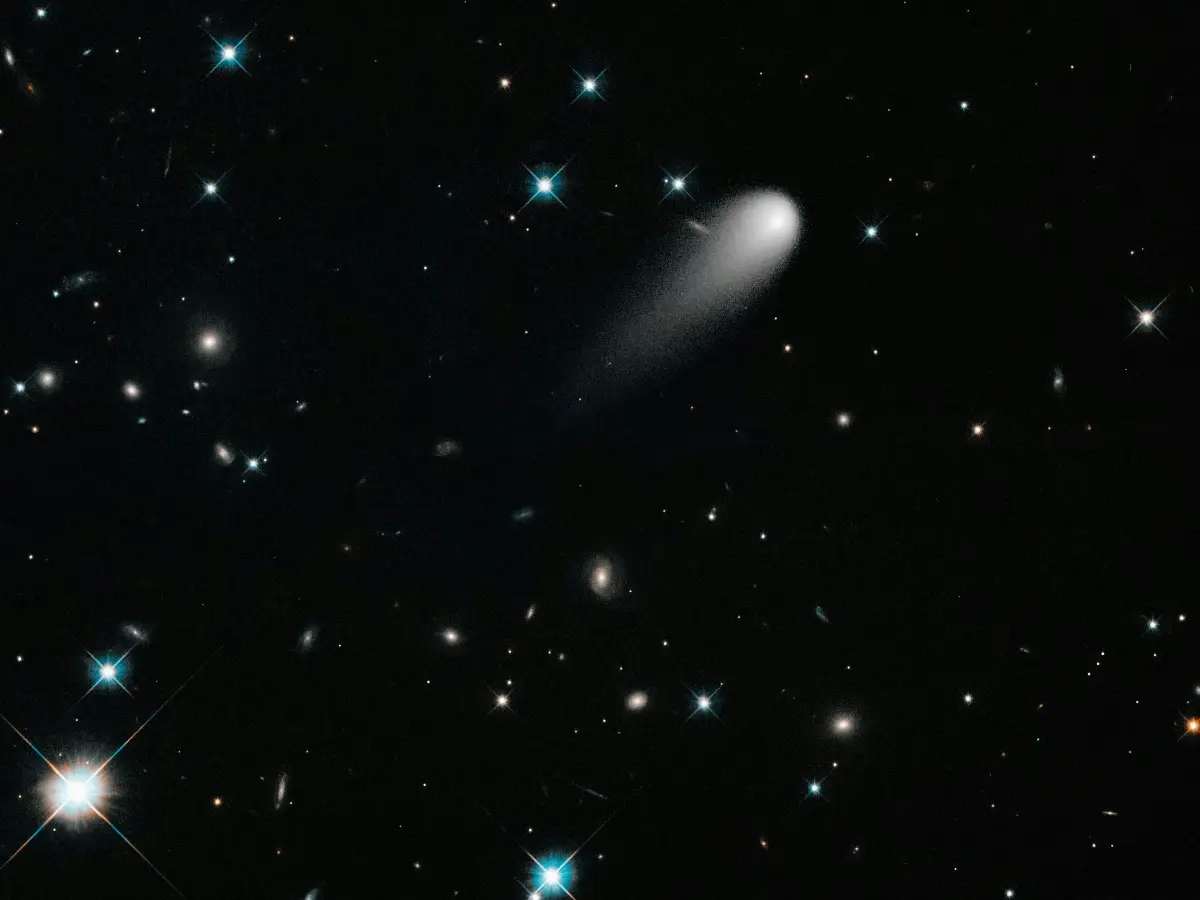
6. The Nucleus Emits Jets That Shape the Coma and Tail
As ices sublimate, the nucleus ejects gas and dust through small vents or fractures. These jets shape the comet’s structure and can push the nucleus into slight rotational changes. 3I/ATLAS displayed a coma brightness pattern consistent with jet-driven activity, meaning it has vents or patches that release specific volatiles as it warms.
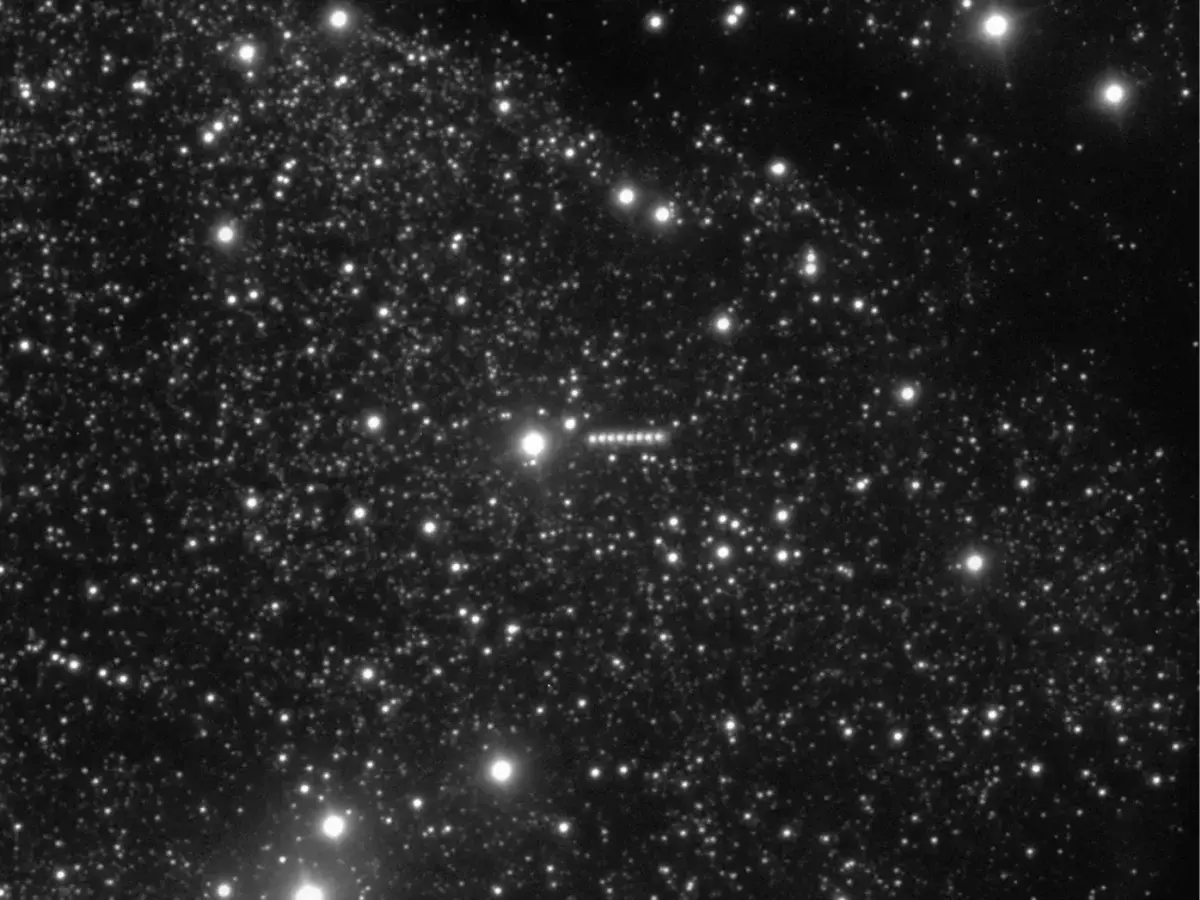
7. 3I/ATLAS’ Nucleus Likely Formed in the Cold Outer Disk of an Alien Star System
The combination of:
- high CO₂/H₂O ratio
- preserved CO and OCS
- carbon-chain depletion
- cosmic-ray processed crust
strongly suggests the nucleus formed in an extremely cold region, similar to the Kuiper Belt or Oort Cloud analog of another star. This makes 3I/ATLAS not just a visitor but a physical sample of an extrasolar system’s primordial building blocks.
)
)
)
)
)