What is a Hyperbolic Escape Trajectory and why is NASA's Voyager 2 on this path?

Voyager 2 did not reach this speed through rocket power alone. Its velocity is the result of carefully planned gravity assists.
Voyager 2’s Current Speed
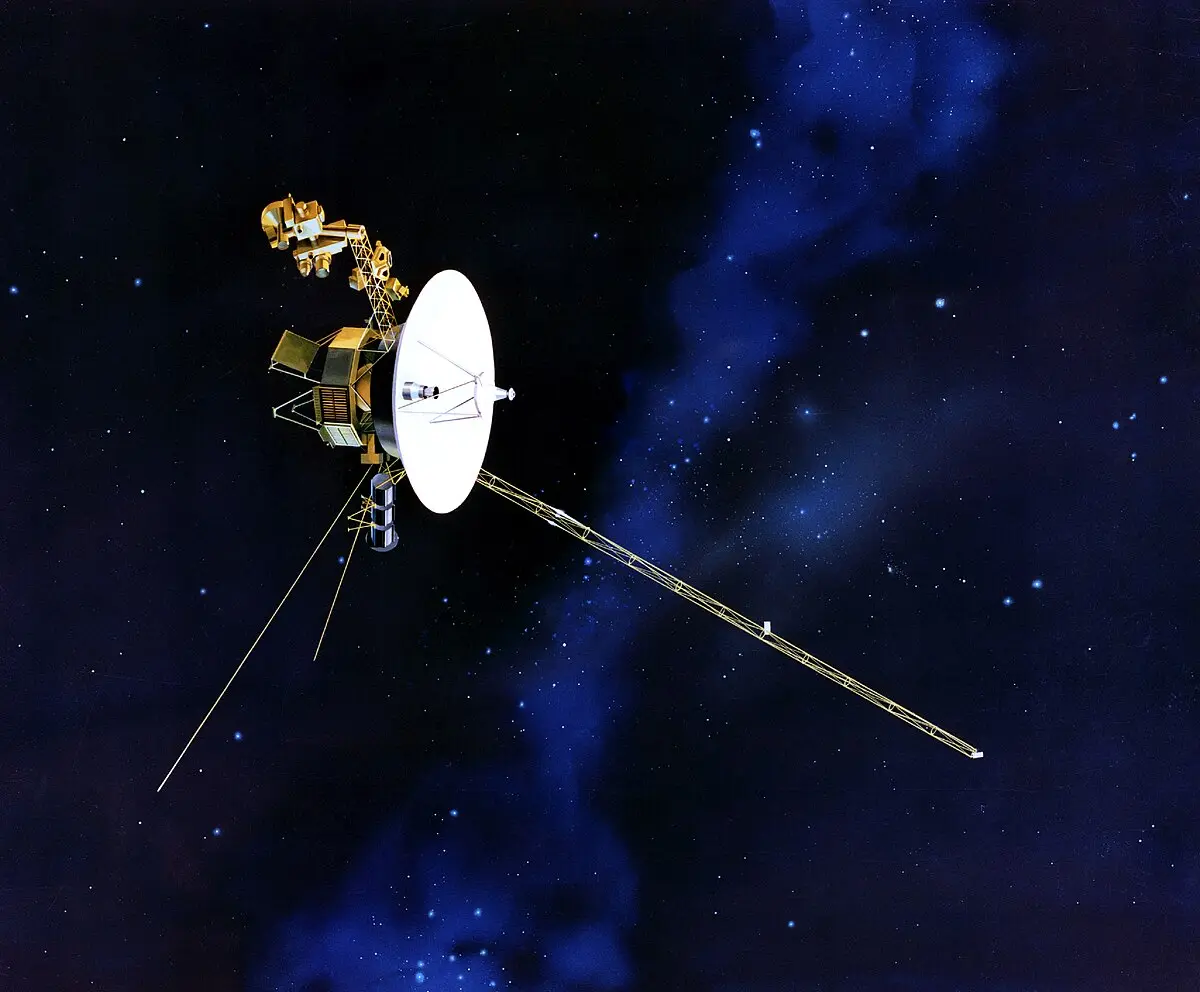
Voyager 2 is travelling at approximately 15.4 kilometres per second relative to the Sun, that’s about 55,000 kilometres per hour. In more familiar terms, it could circle the Earth in less than 45 minutes.
How That Speed Compares on Earth
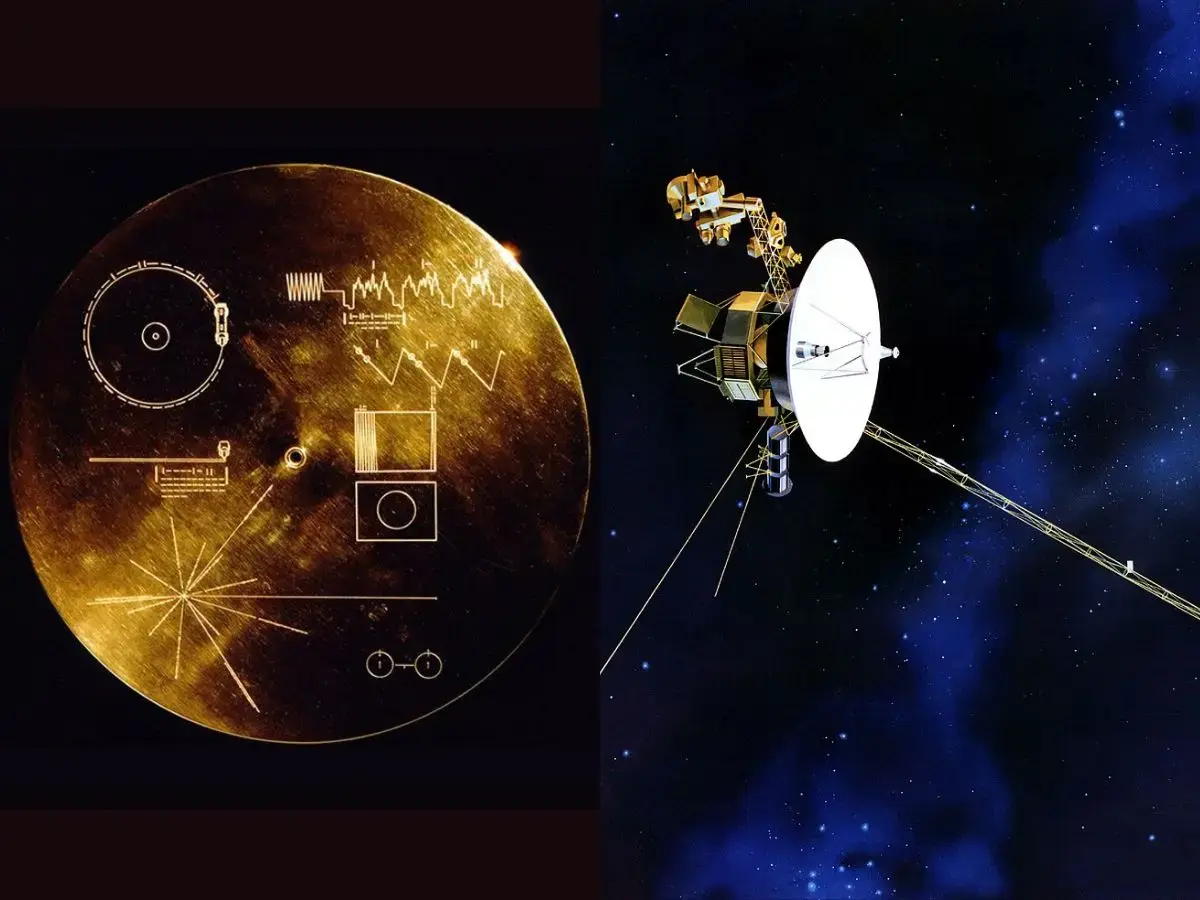
At this velocity, Voyager 2 could cover the distance from Delhi to Mumbai in under a minute. By contrast, a commercial airliner flying the same route takes nearly two hours. This comparison illustrates how extraordinary the spacecraft’s speed is by terrestrial standards.
Gravity Assists That Boosted Voyager 2
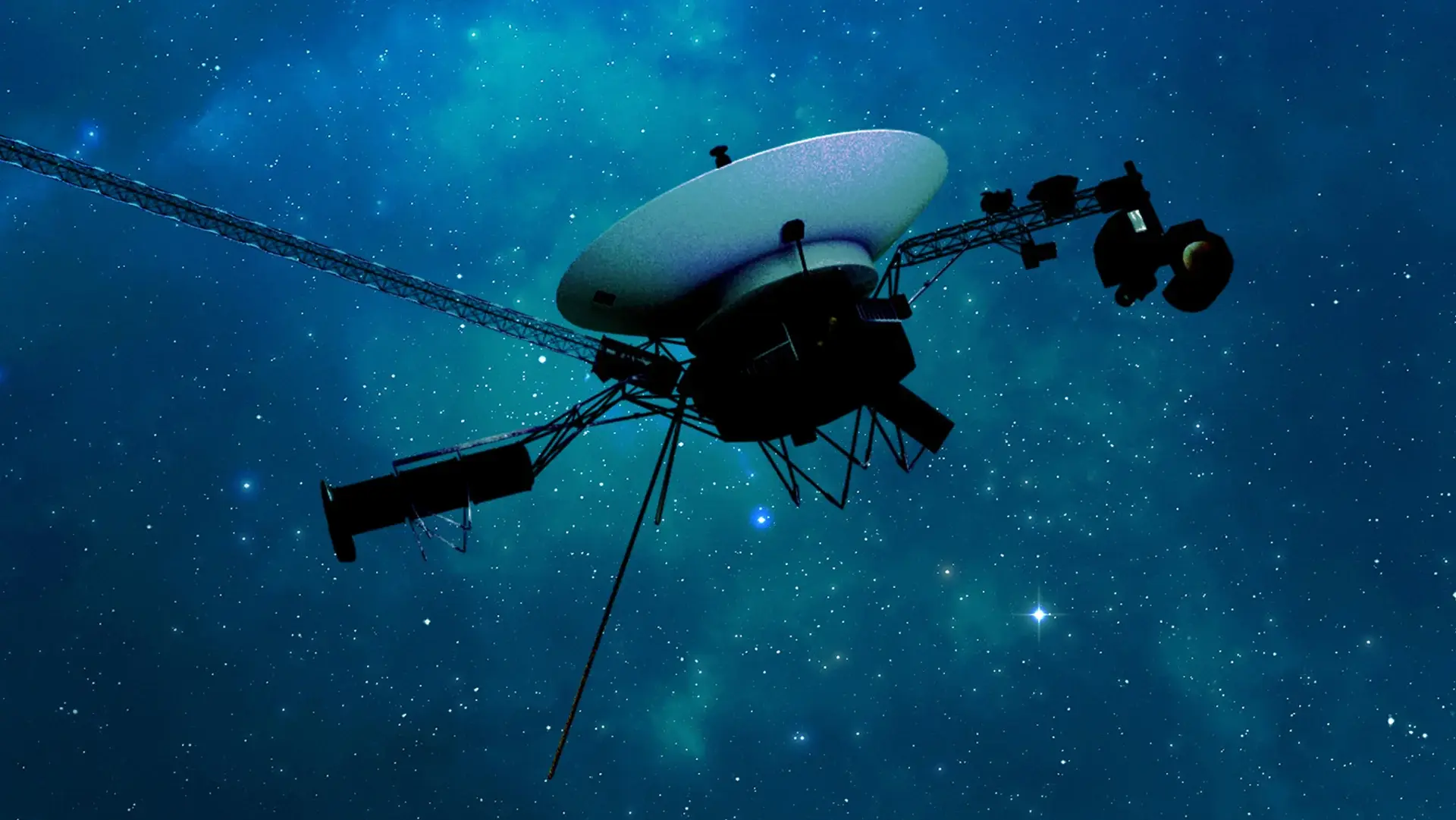
Voyager 2 did not reach this speed through rocket power alone. Its velocity is the result of carefully planned gravity assists. By flying close to Jupiter, Saturn, Uranus, and Neptune, it used their gravity wells like slingshots to gain momentum, a method that allowed it to reach interstellar space.
Comparison With Voyager 1 and Other Spacecraft
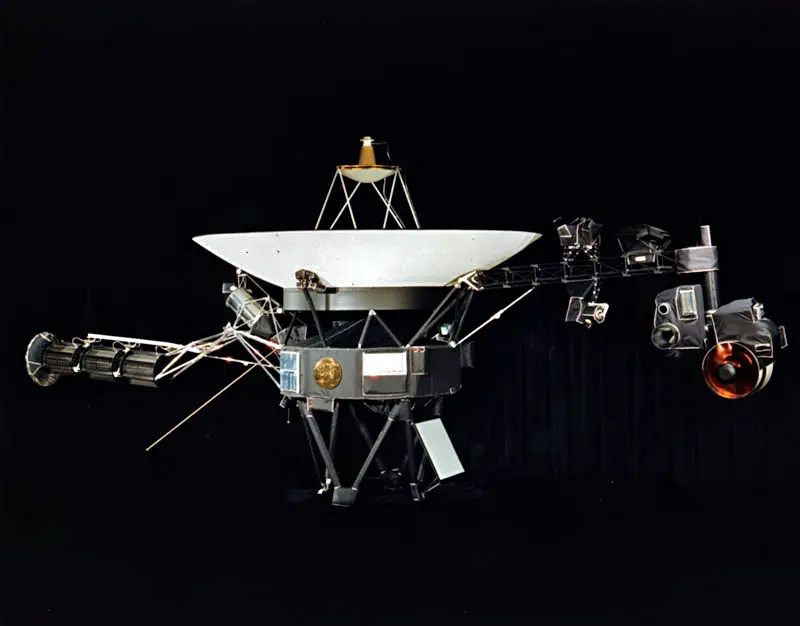
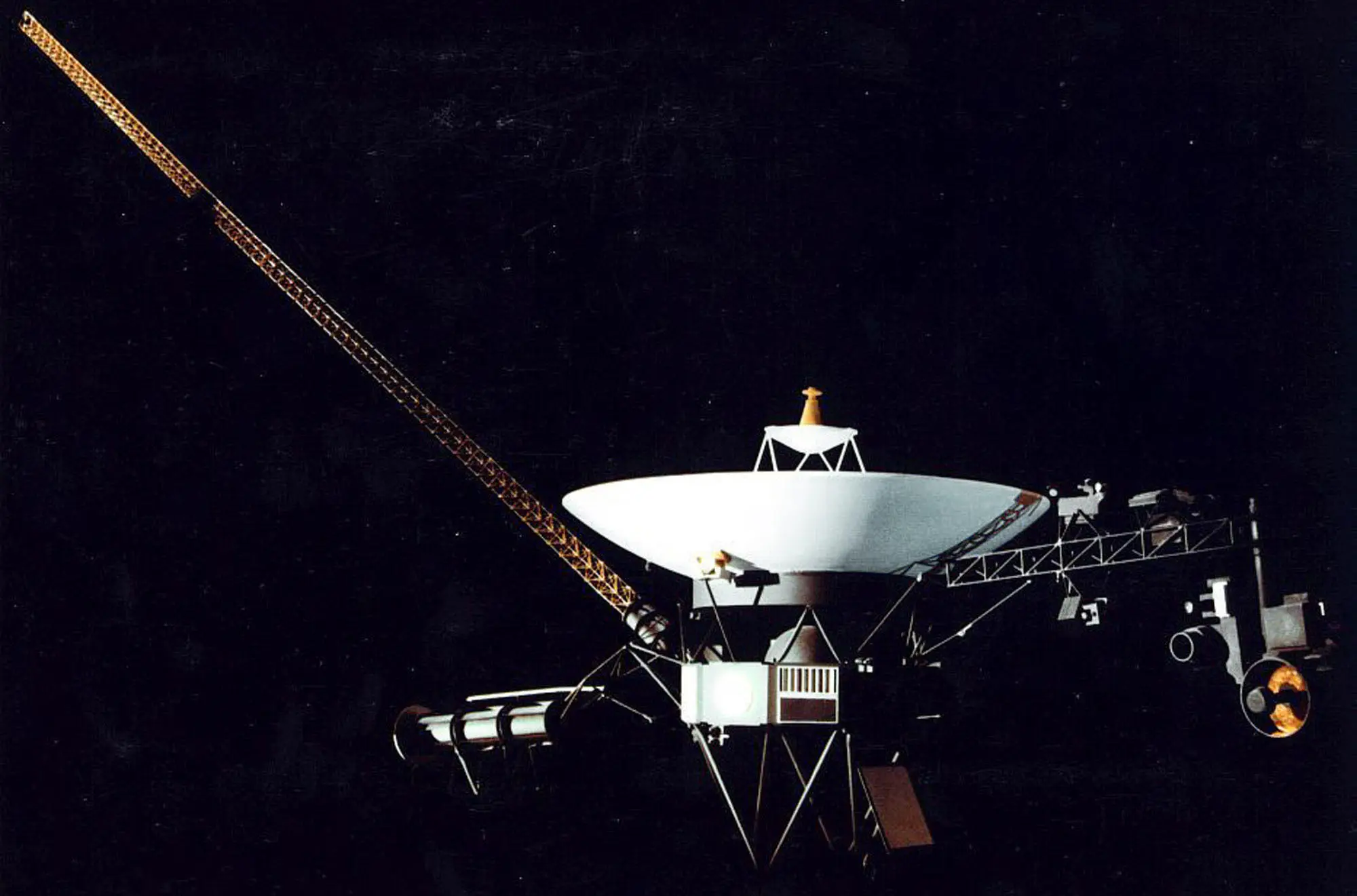
Voyager 2 is slightly slower than Voyager 1, which travels at about 17 km/s. Both, however, are faster than most other probes launched by humanity. For example, New Horizons, the spacecraft that visited Pluto, cruises at about 14 km/s relative to the Sun.
Why It Still Seems Slow in Cosmic Terms
Despite its speed, Voyager 2’s journey demonstrates the vastness of space. At 15.4 km/s, it will still take around 40,000 years to pass near its next close star, Ross 248. In galactic terms, the probe is crawling, showing how even our fastest spacecraft are limited by scale.
The Permanence of Escape
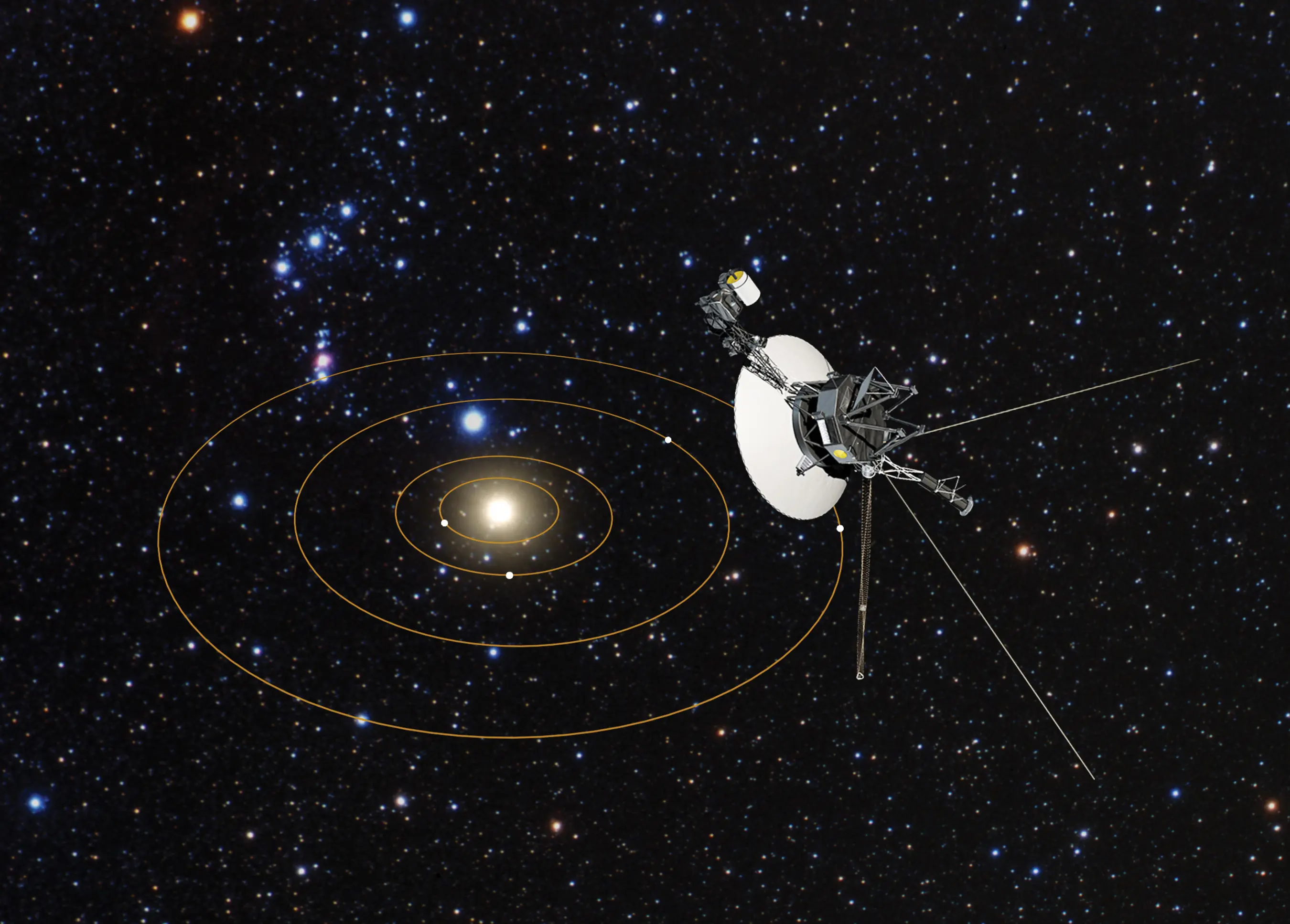
Voyager 2’s speed places it on a hyperbolic escape trajectory. This means it has exceeded the Sun’s escape velocity and will never return to the Solar System. It is destined to wander the galaxy indefinitely.
What the Speed Means for Humanity
For scientists, Voyager 2’s speed is more than just a number. It symbolises the edge of human achievement in deep-space exploration. While it may not bring us closer to other stars anytime soon, its continuing journey demonstrates both the power and the limitations of current spacefaring technology.
)
)
)
)
)