What is 1947 tripartite agreement? The history of Nepali Gorkhas serving in India’s army

These Nepali soldiers have served the Indian Army with distinction for decades, forging a bond through sacrifice in conflicts from Kashmir to China. But their future is now uncertain.
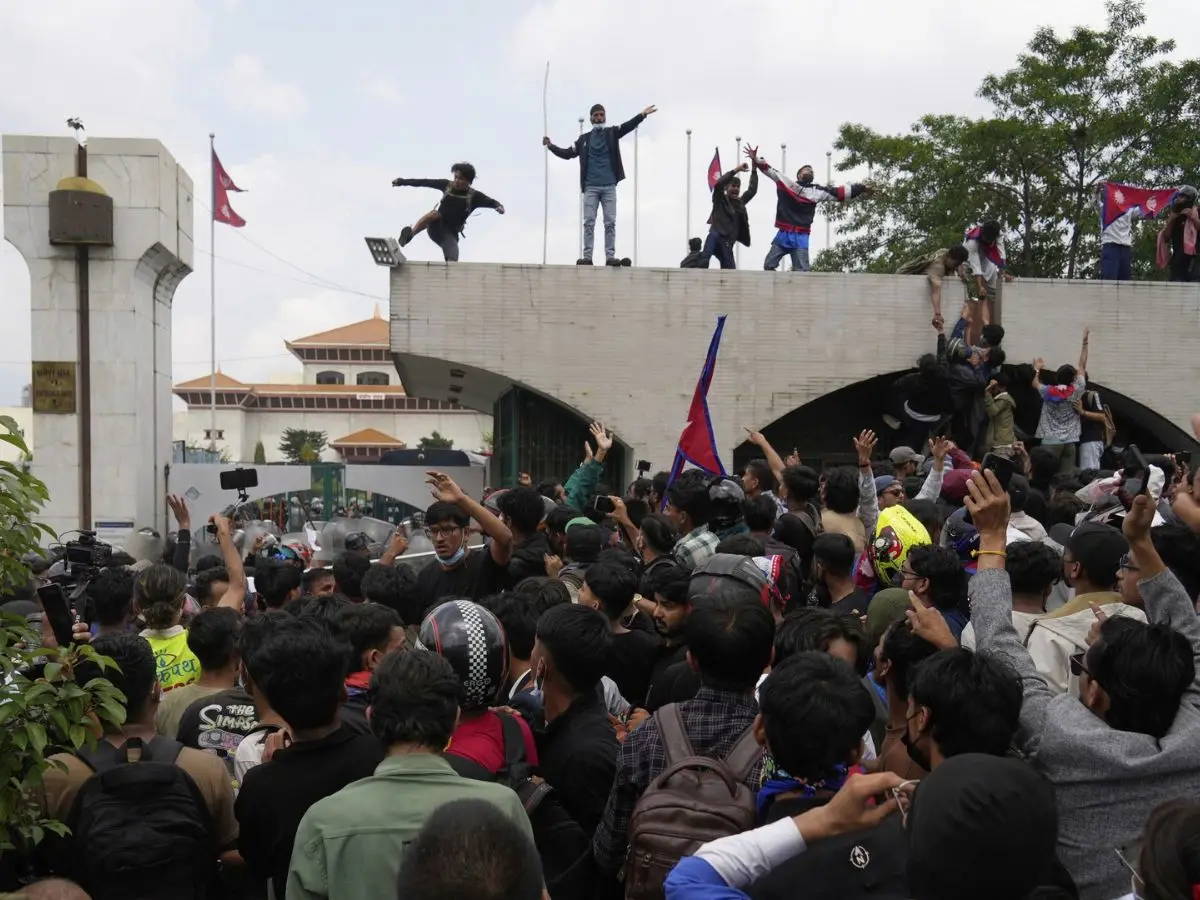
Introduction: From Gen Z Protests to Gorkha Glory
Across the Himalayas, Nepal’s youth are again in the streets, protesting bans on social media, demanding rights and transparency. Yet, amid the upheaval, another legacy looms large: the Gorkhas. These Nepali soldiers have served the Indian Army with distinction for decades, forging a bond through sacrifice in conflicts from Kashmir to China. But their future is now uncertain.
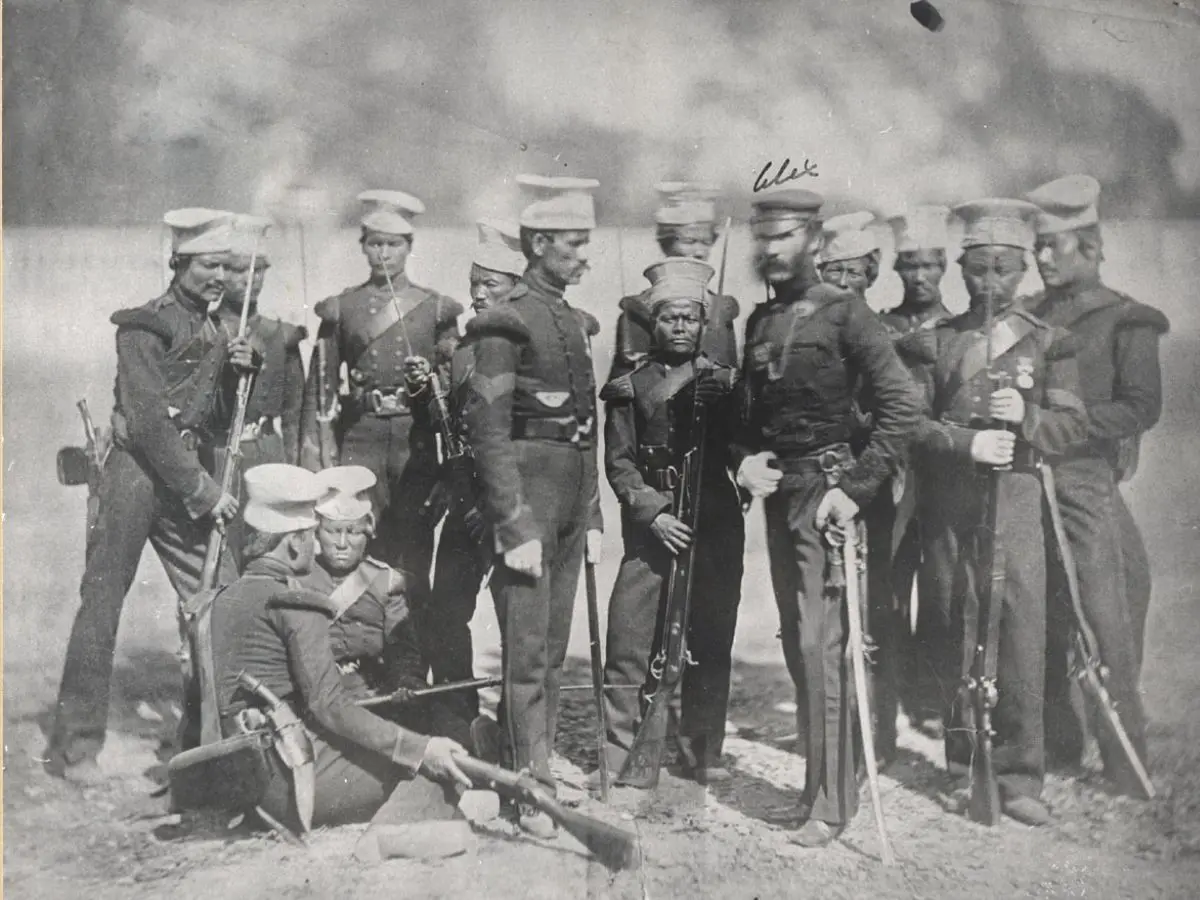
Origins: How Gorkhas Joined the Ranks
The relationship began in the early 19th century, when the British East India Company, after the Anglo-Nepalese War (1814-16), admired the fighting skill of Nepali soldiers and recruited them under the Treaty of Sugauli. Over the years, their numbers swelled; in two world wars, over 250,000 Gurkhas served globally across many theatres, Burma, Italy, North Africa, earning thousands of bravery awards and suffering tens of thousands of casualties.
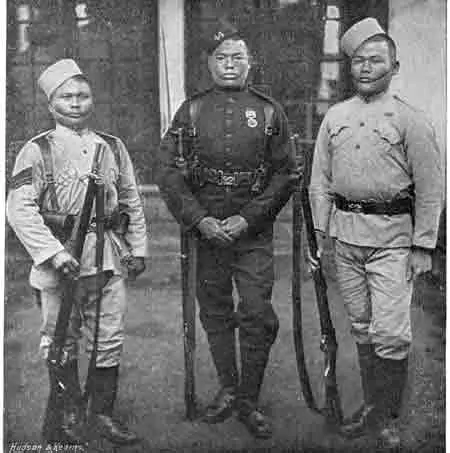
The 1947 Tripartite Agreement: Formalising the Bond
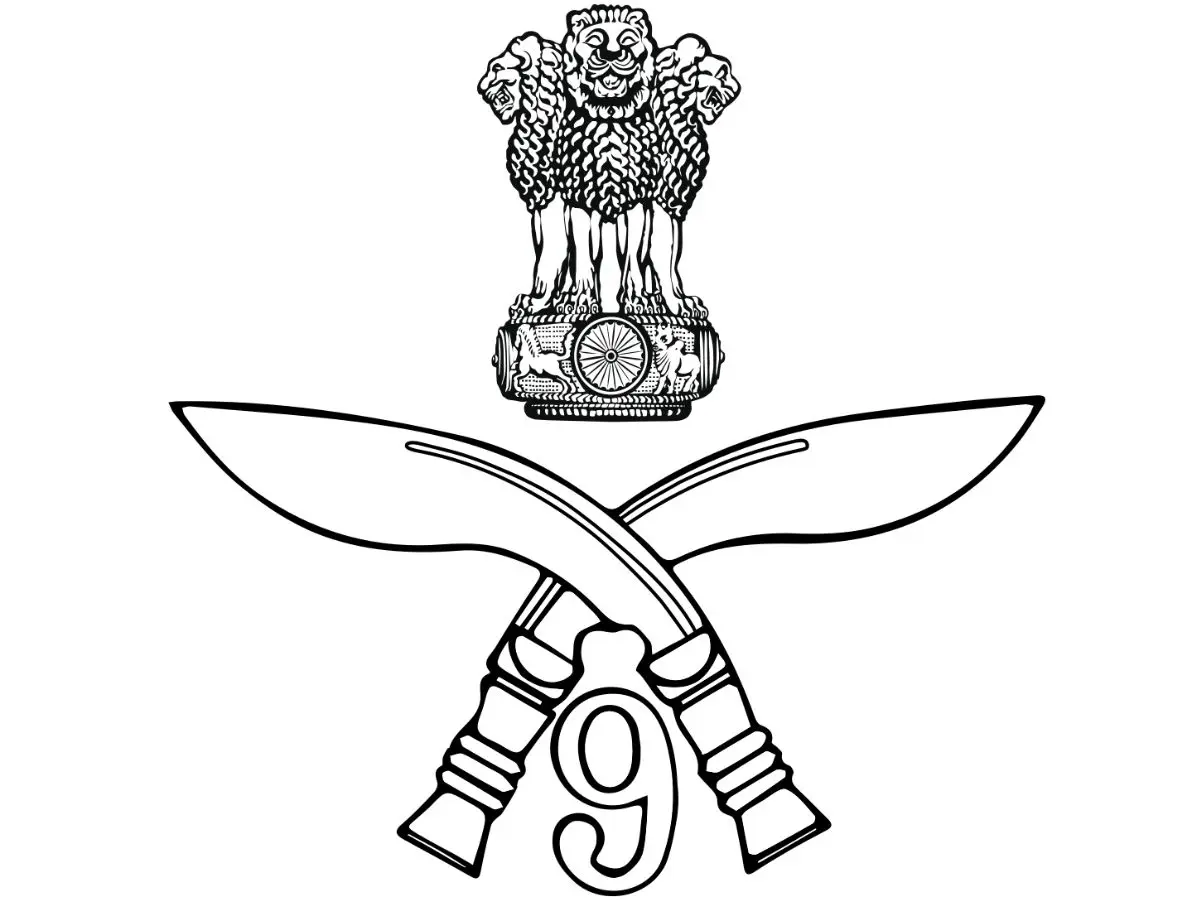
When India gained independence, it, Nepal, and the United Kingdom signed a tripartite agreement in 1947. Under this pact, six Gurkha regiments transferred to India, while four remained with Britain. Crucially, the agreement ensured Nepali recruits would receive the same pay, pensions and conditions as Indian soldiers.
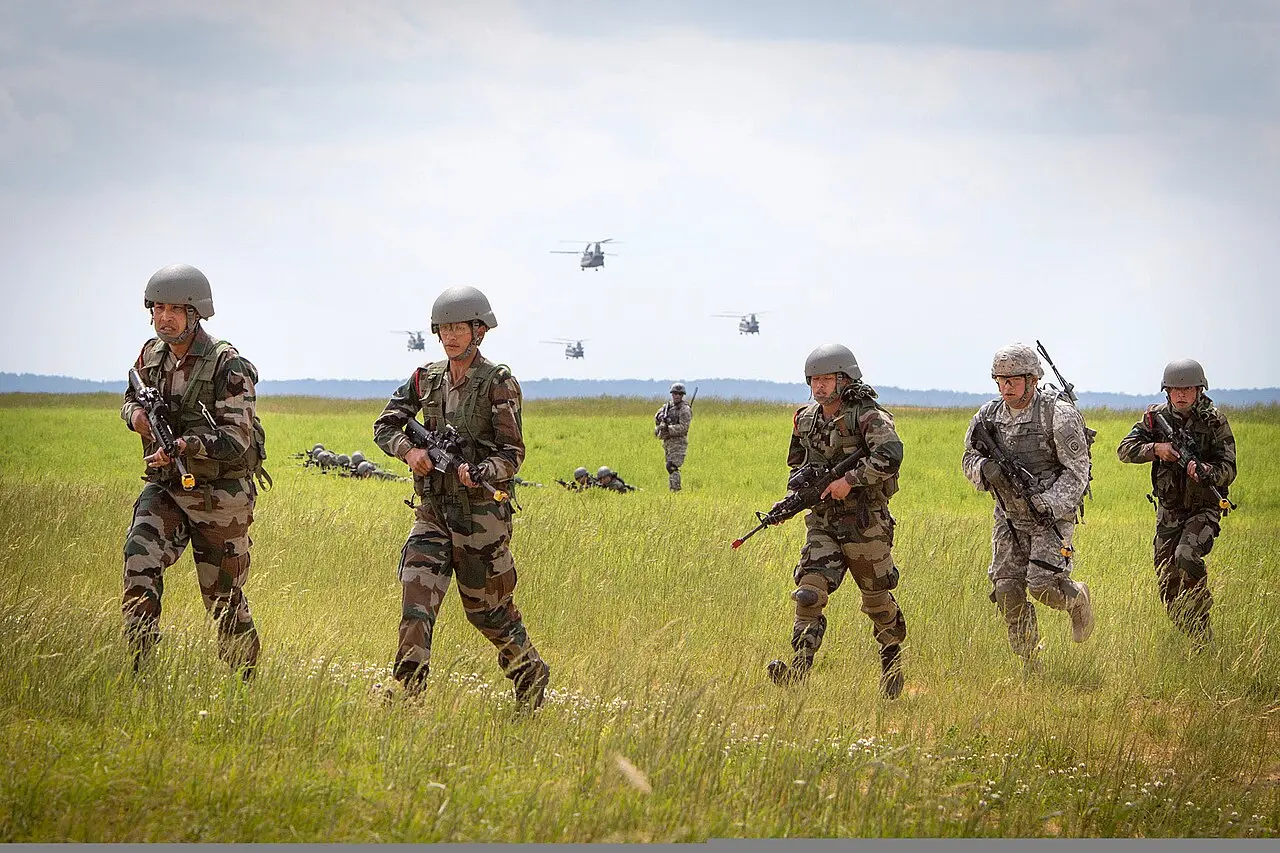
Battles Fought, Battles Won
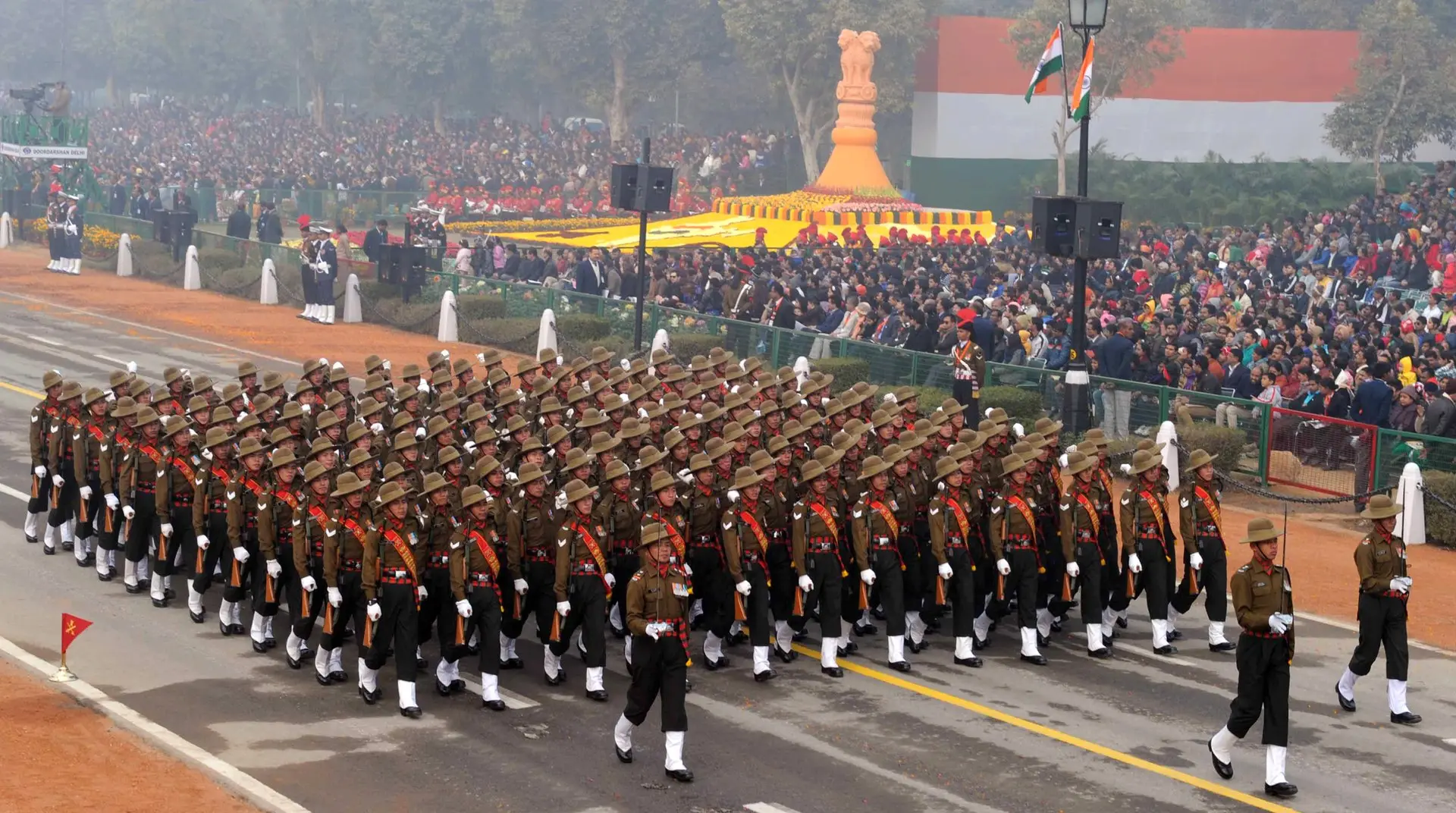
Nepali Gorkhas have been central to India’s military history: from the 1947-48 Kashmir war, the Sino-Indian War of 1962, through wars with Pakistan in 1965 and 1971, to counter-insurgency operations and peacekeeping missions. Estimates suggest there are currently around 30,000–35,000 Nepali Gorkhas serving in India’s seven Gorkha regiments, making up sixty-plus per cent of their strength.
Recruitment Suspended: A Storm over Agnipath
Since around 2020, and more decisively after the introduction of India’s Agnipath scheme in 2022, Nepal has stopped allowing its citizens to enlist under the new short-term service rules. Kathmandu cites violation of the 1947 agreement and concern about ex-soldiers returning without long-term prospects.
Declining Numbers, Uncertain Future
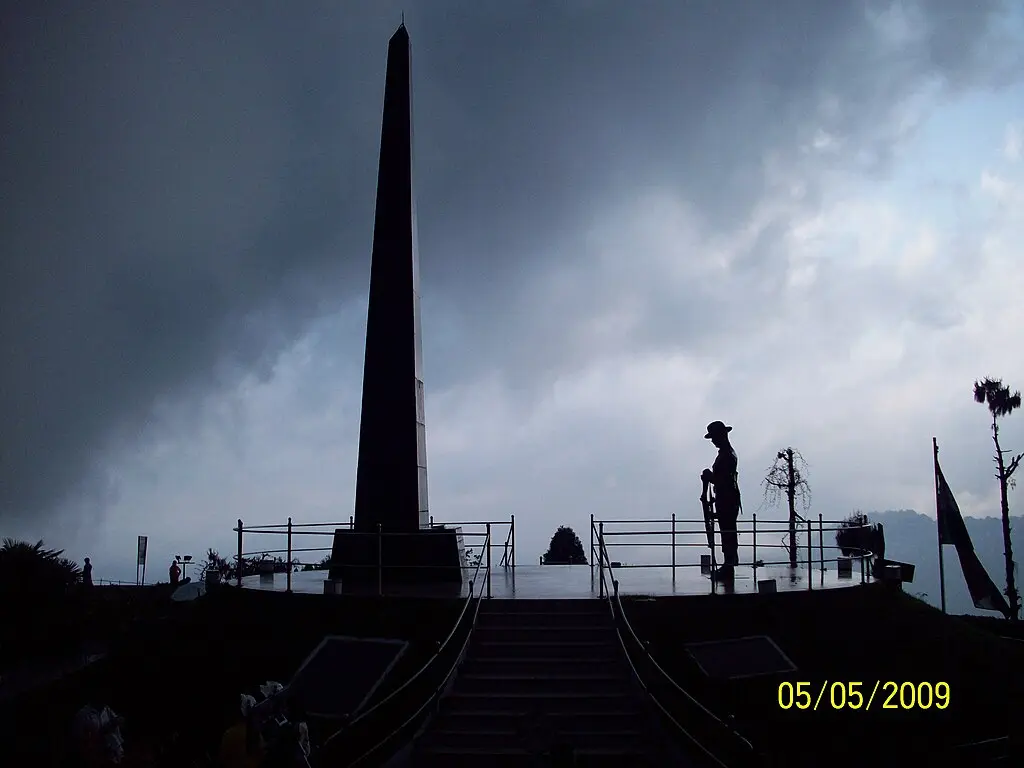
Because of the recruitment freeze, the Gorkha regiments face a shortfall of over 12,000 Nepali soldiers. Projections warn that within ten years, Nepali presence may vanish entirely unless recruitment resumes. Operational strength has not yet suffered significantly, says Indian Army leadership, but the symbolic loss may be profound.
Conclusion: Legacy, Pride, and What’s at Stake
In a time when Nepal is facing turbulence and protests, the Gorkha legacy stands as a reminder of shared sacrifice and honour. These soldiers have fought wars, lost lives, and inspired nations.
)
)
)
)
)