What India’s HAL Tejas Mk2 offers that Bangladesh’s Eurofighter does not

Tejas Mk2 offers indigenous Uttam radar, superior agility, single-engine simplicity, and cost advantage enabling fleet multiplication. Eurofighter provides proven maturity and speed. Different roles, distinct strategic value propositions.
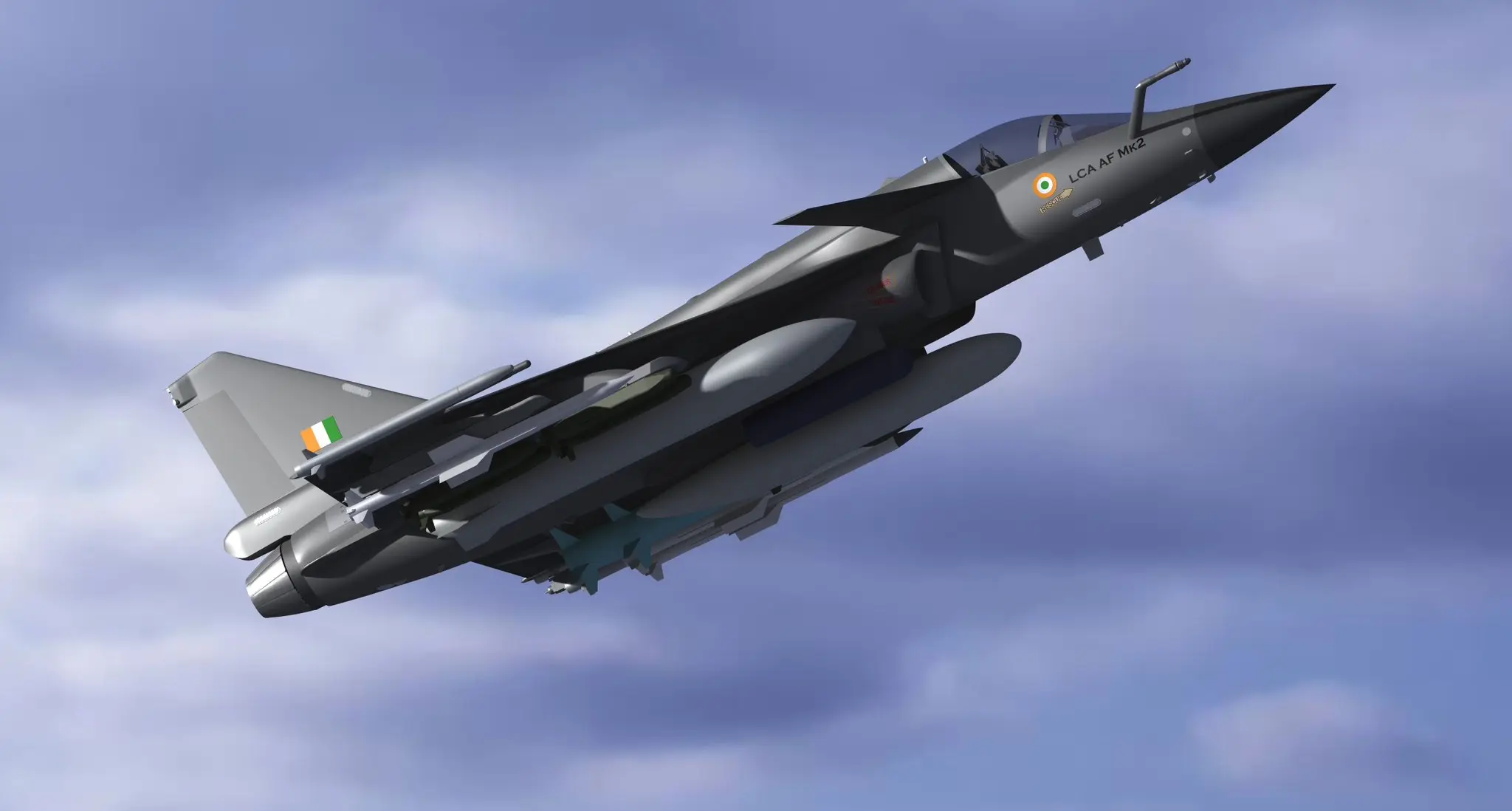
Uttam AESA radar gives India supply independence
Tejas Mk2 is planned to use an advanced variant of the indigenous Uttam AESA radar, developed by DRDO. It provides long-range air search, ground mapping, and track-while-scan capability. Eurofighter Typhoon uses the Captor-E AESA radar, which is highly capable but depends entirely on European suppliers. Tejas Mk2’s indigenous radar gives India full control over upgrades, parts, and long-term support, which Bangladesh will not have with Eurofighter.
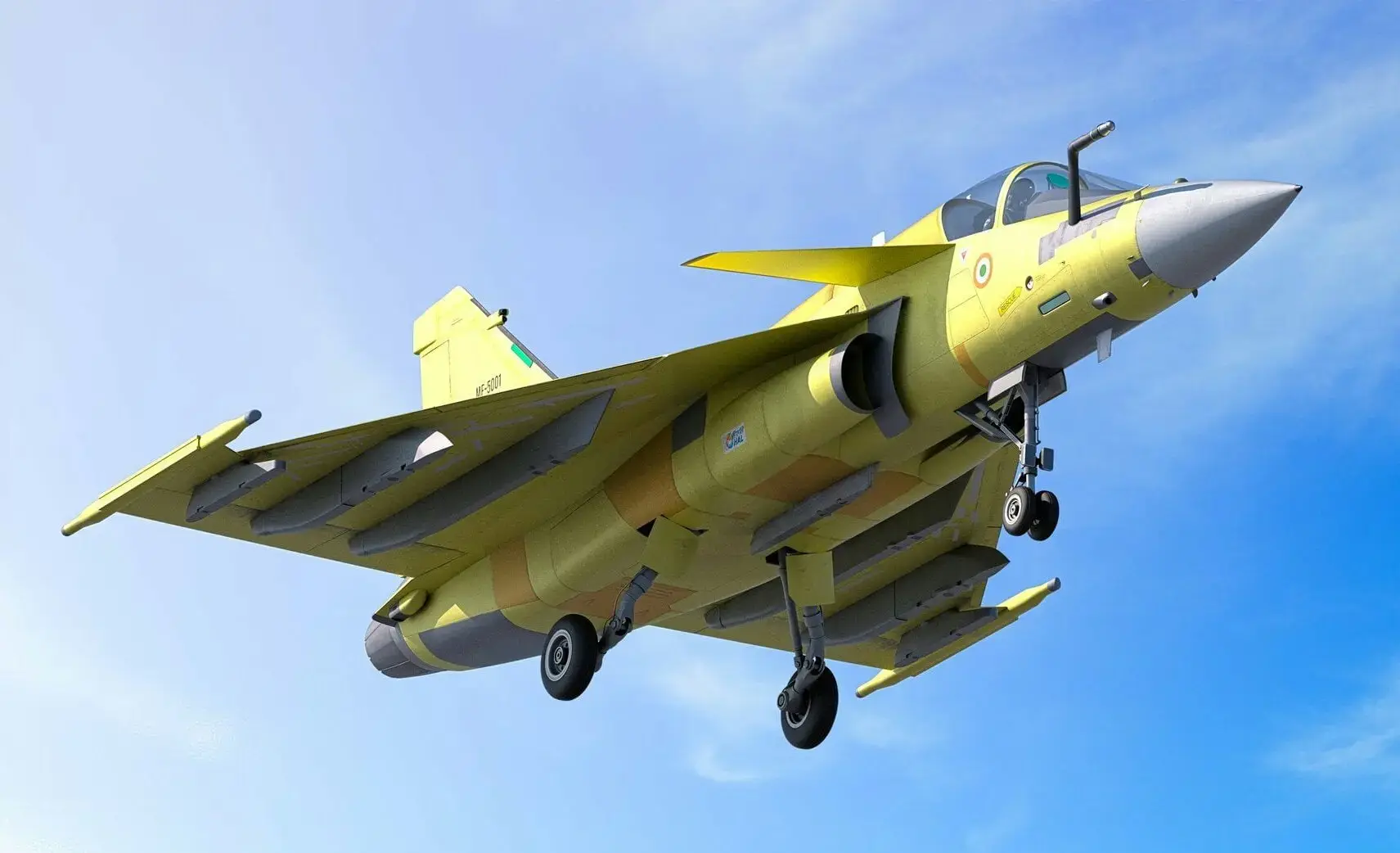
Canard-delta design boosts manoeuvrability
Tejas Mk2 introduces a canard-delta wing layout, improving agility, turning rate, and stability at high angles of attack. This design helps the aircraft operate effectively in tight South Asian airspace and low-altitude combat environments. Eurofighter also uses a canard-delta design, but Tejas Mk2 adapts this configuration for a lighter, single-engine fighter category.
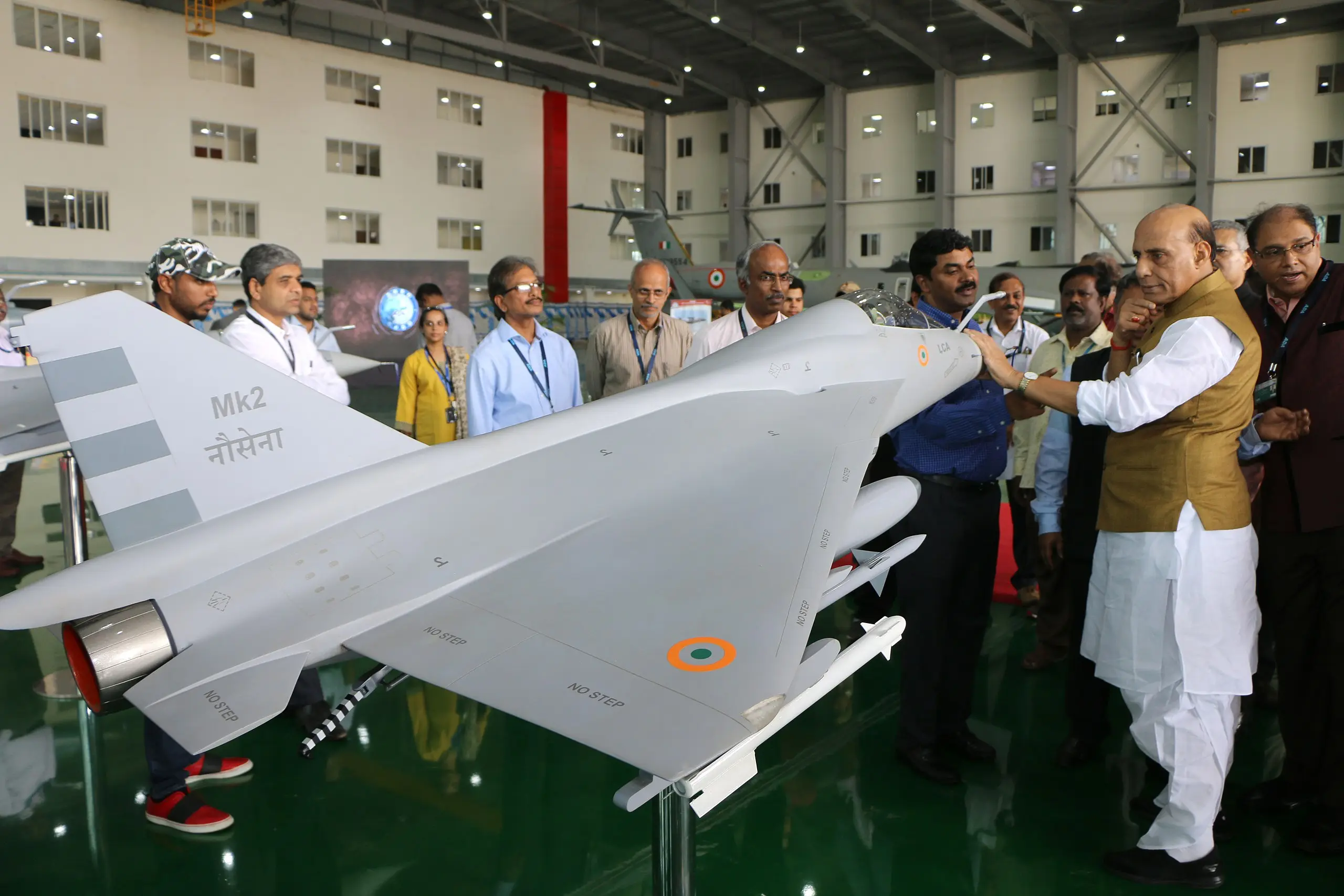
Single-engine layout simplifies operations
Tejas Mk2 is powered by a single GE F414 engine, which reduces maintenance load, logistics requirements, and training time. Compared to twin-engine fighters like Eurofighter, a single-engine design is easier and cheaper to operate, an advantage for air forces that want to expand fleet size without increasing operating costs. Eurofighter’s twin engines offer more thrust but come with higher fuel use and maintenance demands.
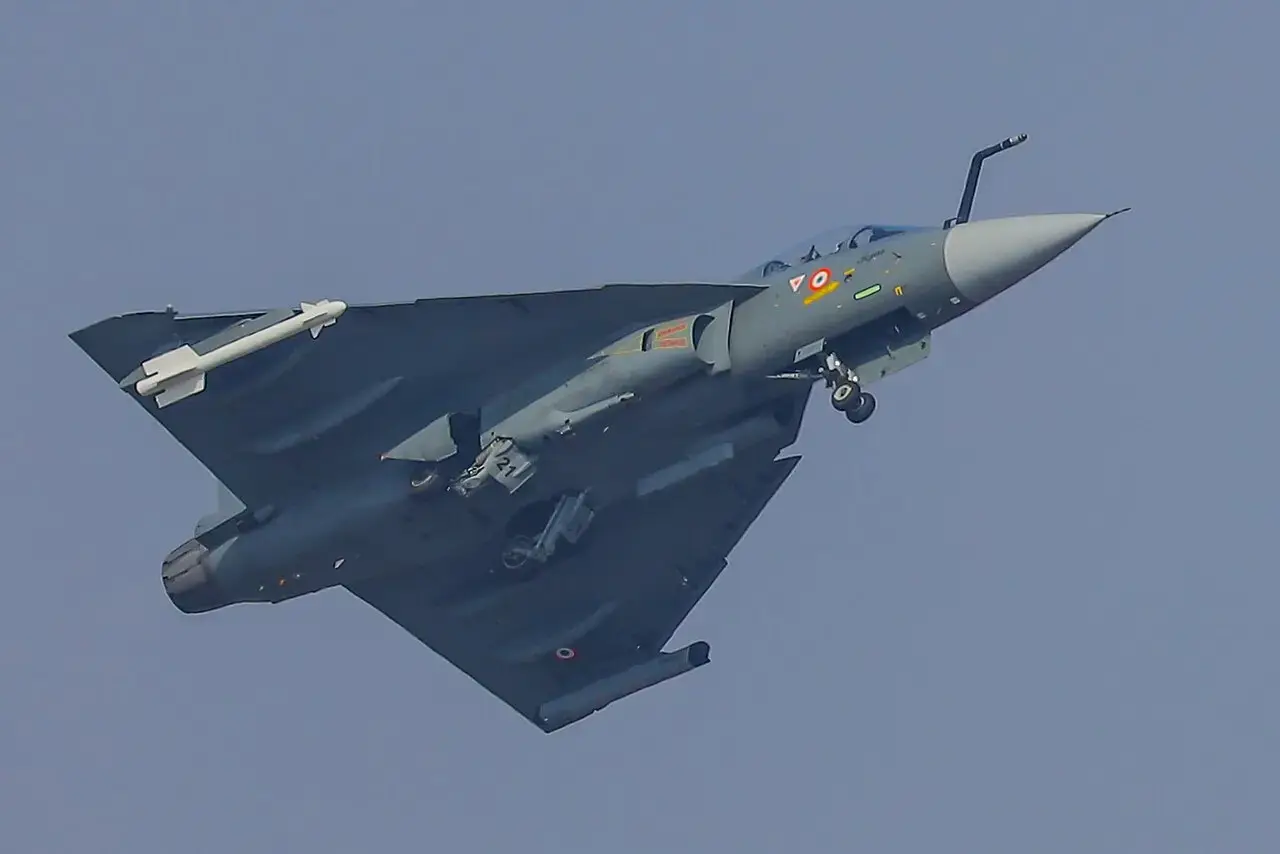
Lower cost allows larger fleet size
Tejas Mk2 is expected to cost $55-65 million per aircraft, allowing a country to buy more units for the same budget. Eurofighter typically costs $130-150+ million, making it harder for smaller air forces to build large squadrons. A bigger fleet means more patrols, more coverage, and greater total air power, even if each jet is lighter than Eurofighter.
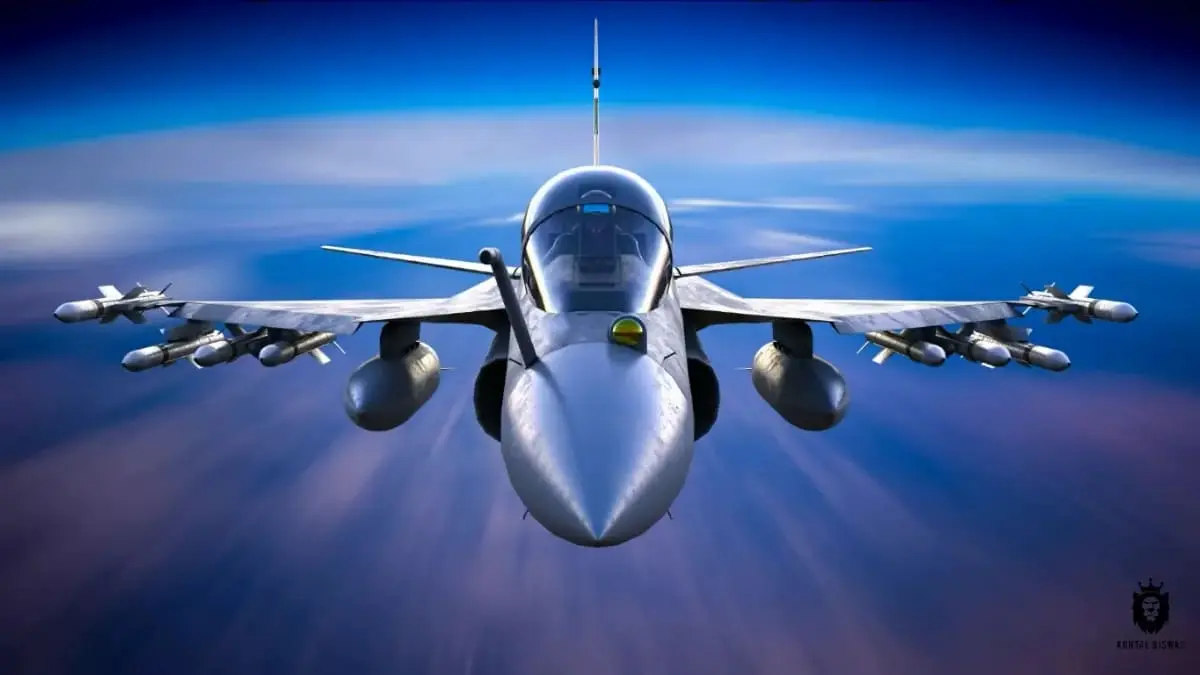
Indigenous production gives strategic freedom
Tejas Mk2 will be manufactured in India by HAL, with significant domestic content and full Indian control over production and upgrades. This ensures long-term availability of spare parts, customisation, and strategic independence. Eurofighter production is shared between multiple European nations, meaning Bangladesh would be dependent on foreign suppliers and political approvals for every major upgrade or spare part.
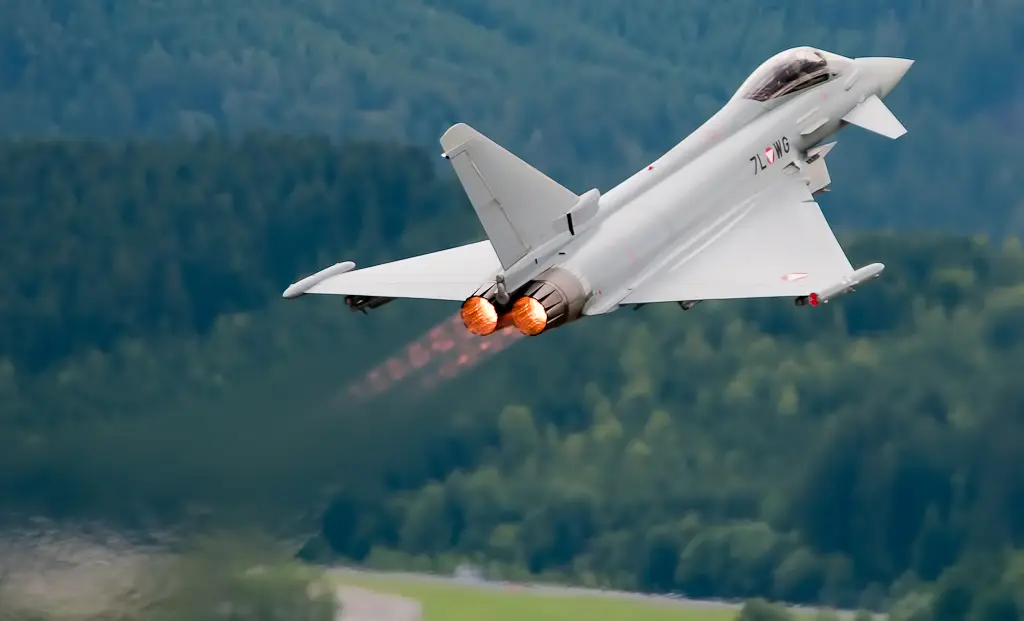
Different aircraft built for different roles
Tejas Mk2 is a medium-weight, agile, multirole fighter designed to meet India’s regional operational needs. Eurofighter Typhoon is a heavier, twin-engine air-superiority aircraft built for long-range interception and high-altitude dominance. Their strategic purposes are different, so comparisons must consider their intended roles.
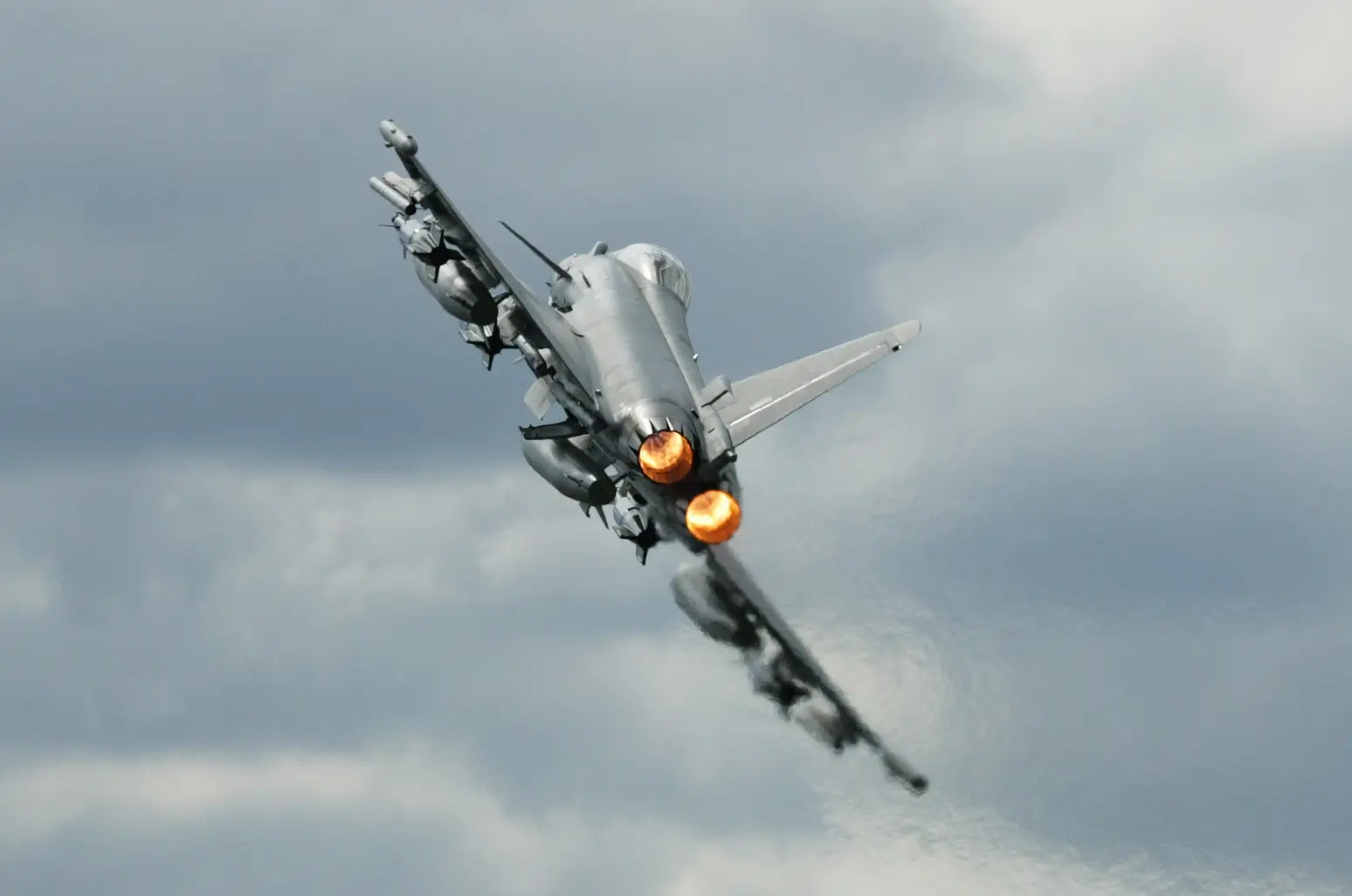
Tejas Mk2 is designed for strong agility and close-combat performance
Tejas Mk2 uses a modern canard-delta wing layout that improves manoeuvrability, stability, and turning performance in close-range combat. This design suits India’s requirement for effective operations in congested South Asian airspace.
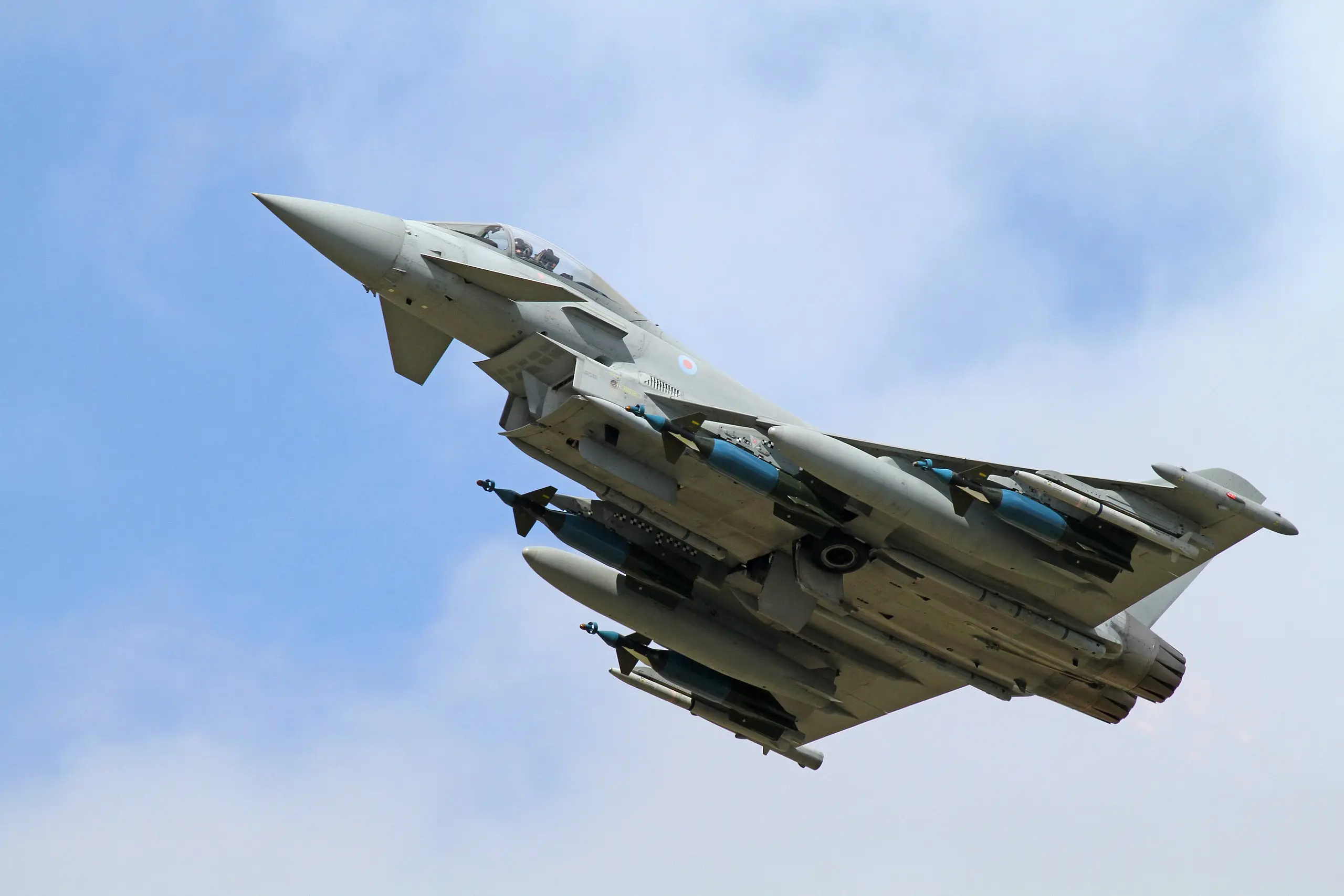
Eurofighter optimised for speed and altitude
Eurofighter is capable of speeds above Mach 2 and operates at altitudes around 55,000 - 60,000 feet. Its design prioritises high-altitude interception, rapid climb rate, and sustained supersonic flight - features essential for European air-defence roles but not central to Tejas Mk2’s mission profile.
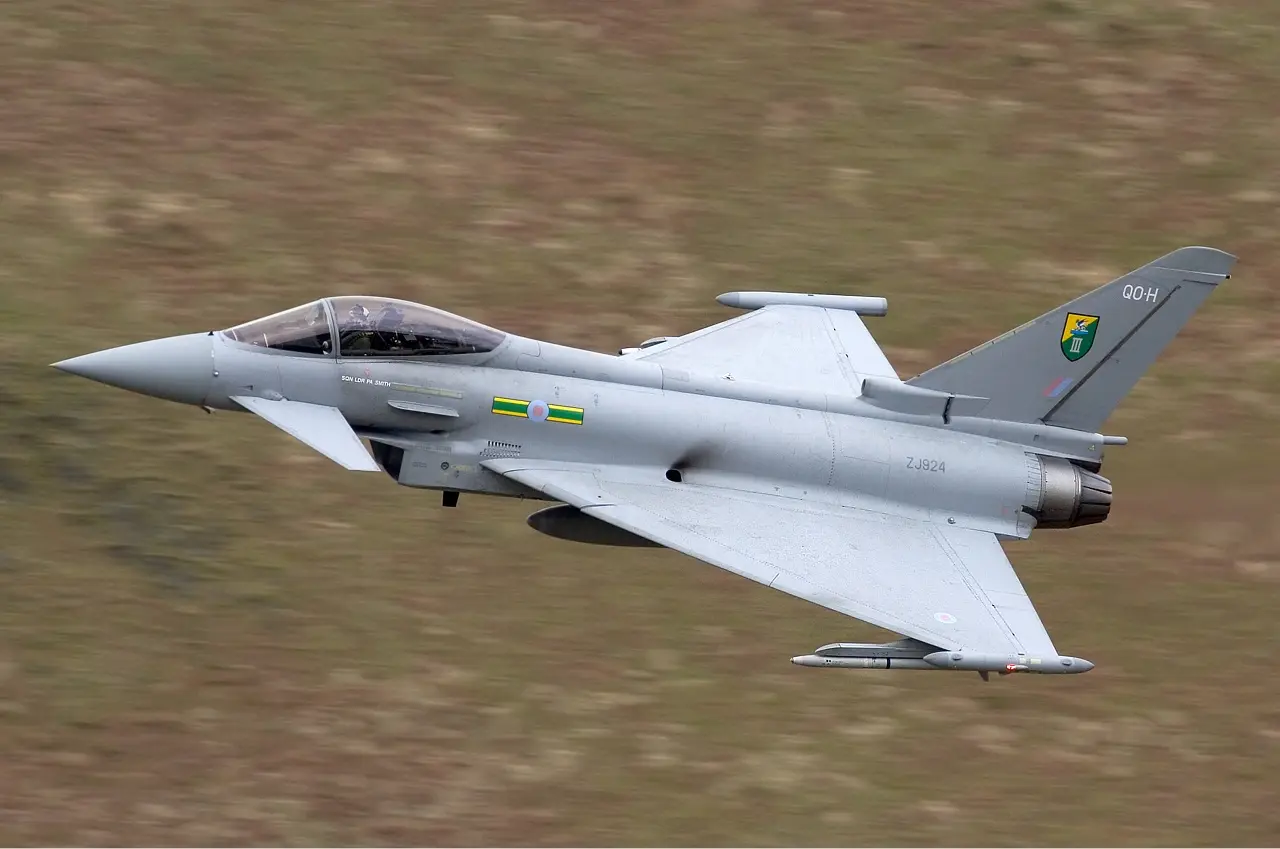
Tejas Mk2 carries a strong payload with a single engine
Tejas Mk2 can carry up to 6,500 kg of weapons across 11 hardpoints. Its GE F414 engine produces 98 kN thrust, giving it strong performance while keeping maintenance simpler than twin-engine aircraft. This design offers a balance of capability, cost efficiency, and operational ease.
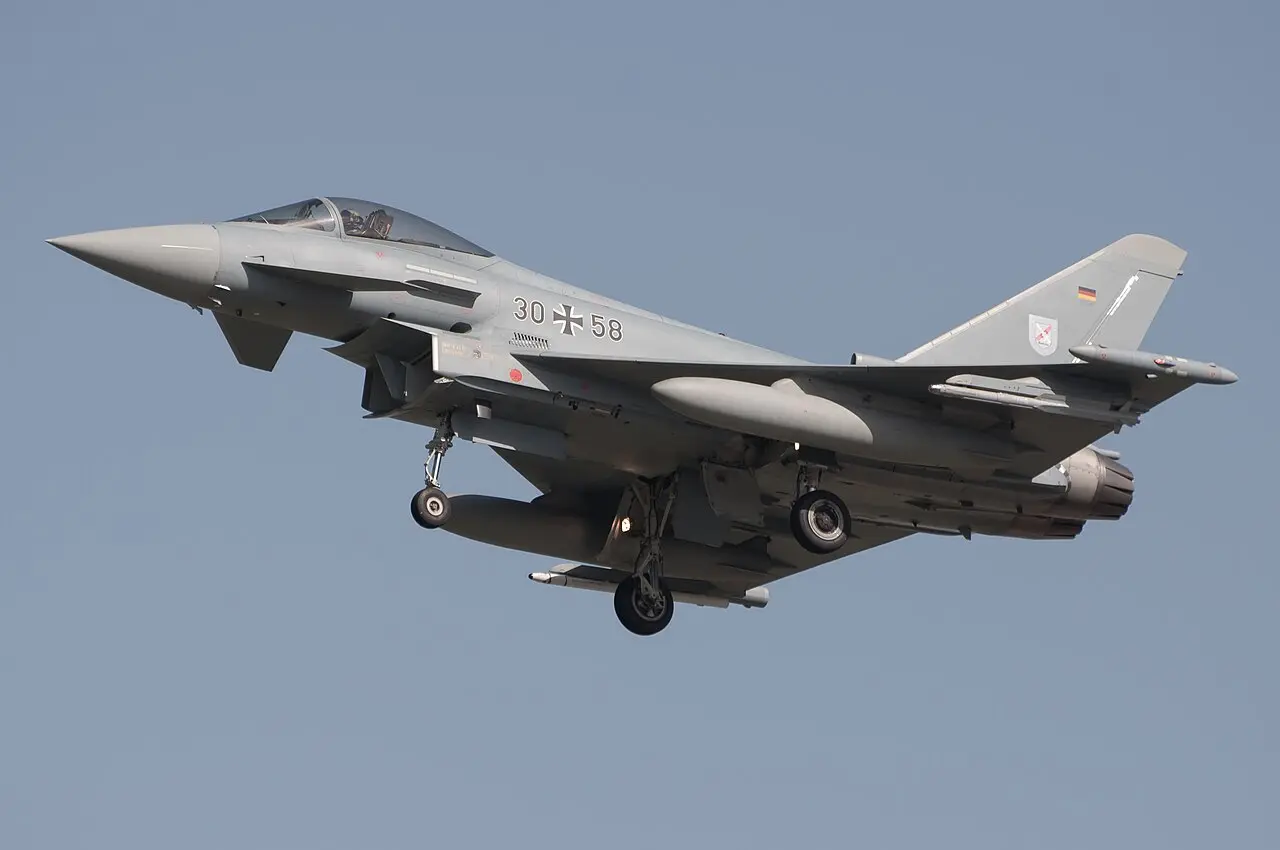
Eurofighter’s twin engines serve a different purpose
Eurofighter’s two EJ200 engines provide greater thrust, high-altitude performance, and engine redundancy. This suits missions like long-range interception and high-speed air superiority but comes with higher maintenance and operational costs than single-engine fighters like Tejas Mk2.
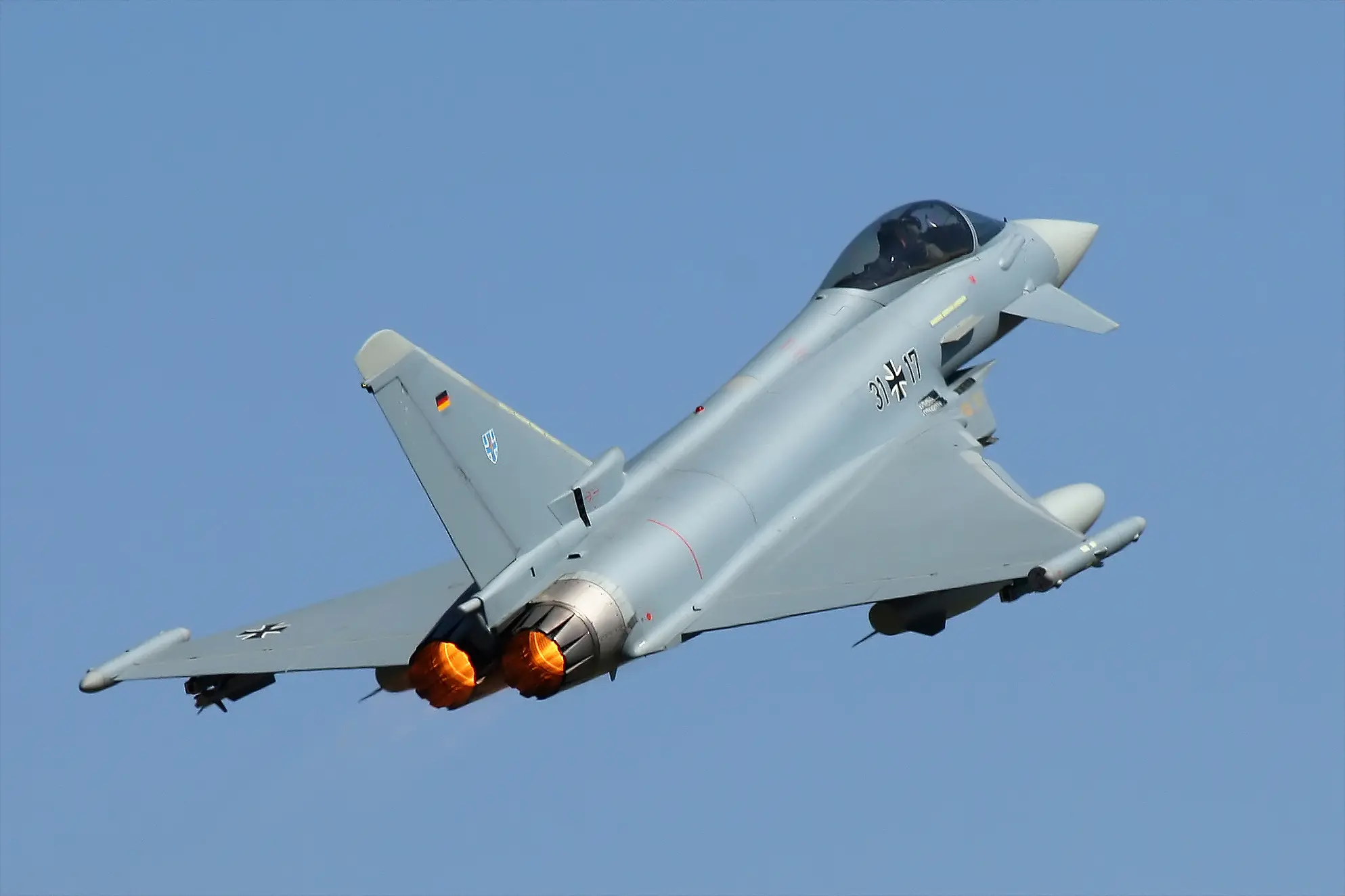
Tejas Mk2 optimised for India’s hot-and-high conditions
Tejas Mk2 is designed to operate effectively from India’s hot deserts, coastal humidity zones, and high-altitude bases. Eurofighter performs well in hot climates too (used by Saudi Arabia, Qatar), but its design emphasis originally focused on European operational environments.
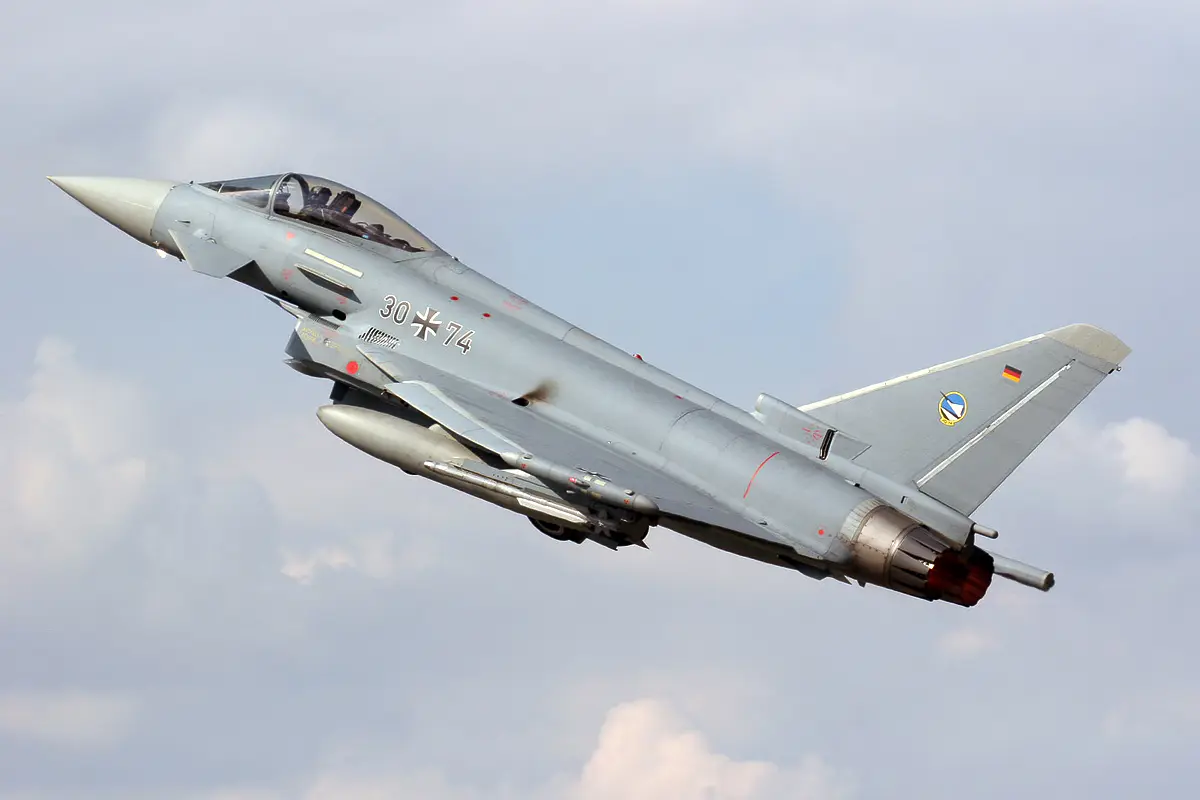
Indigenous systems give Tejas Mk2 strategic autonomy
Tejas Mk2 will use India’s Uttam AESA radar, indigenous avionics, and Indian-developed flight-control systems. These systems provide India long-term control over upgrades, maintenance, and customisation - an advantage not available with foreign-supplied aircraft like Eurofighter, which depends on multiple European companies.
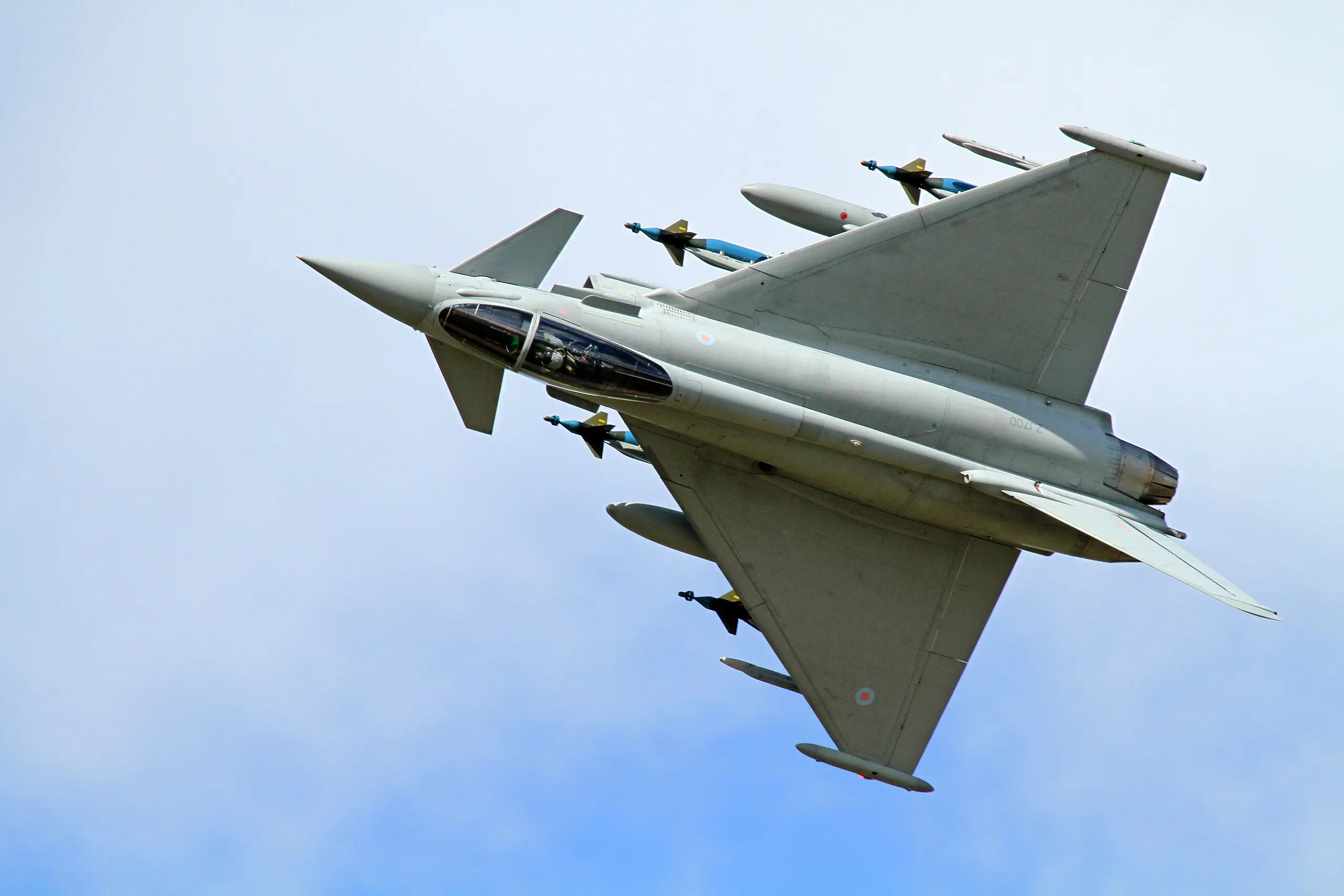
Eurofighter’s maturity provides reliability
Eurofighter is already in service across several countries with proven sensors, weapons integration, and operational experience. Tejas Mk2 is in the advanced development stage but offers future growth potential and customisation based on India’s needs.
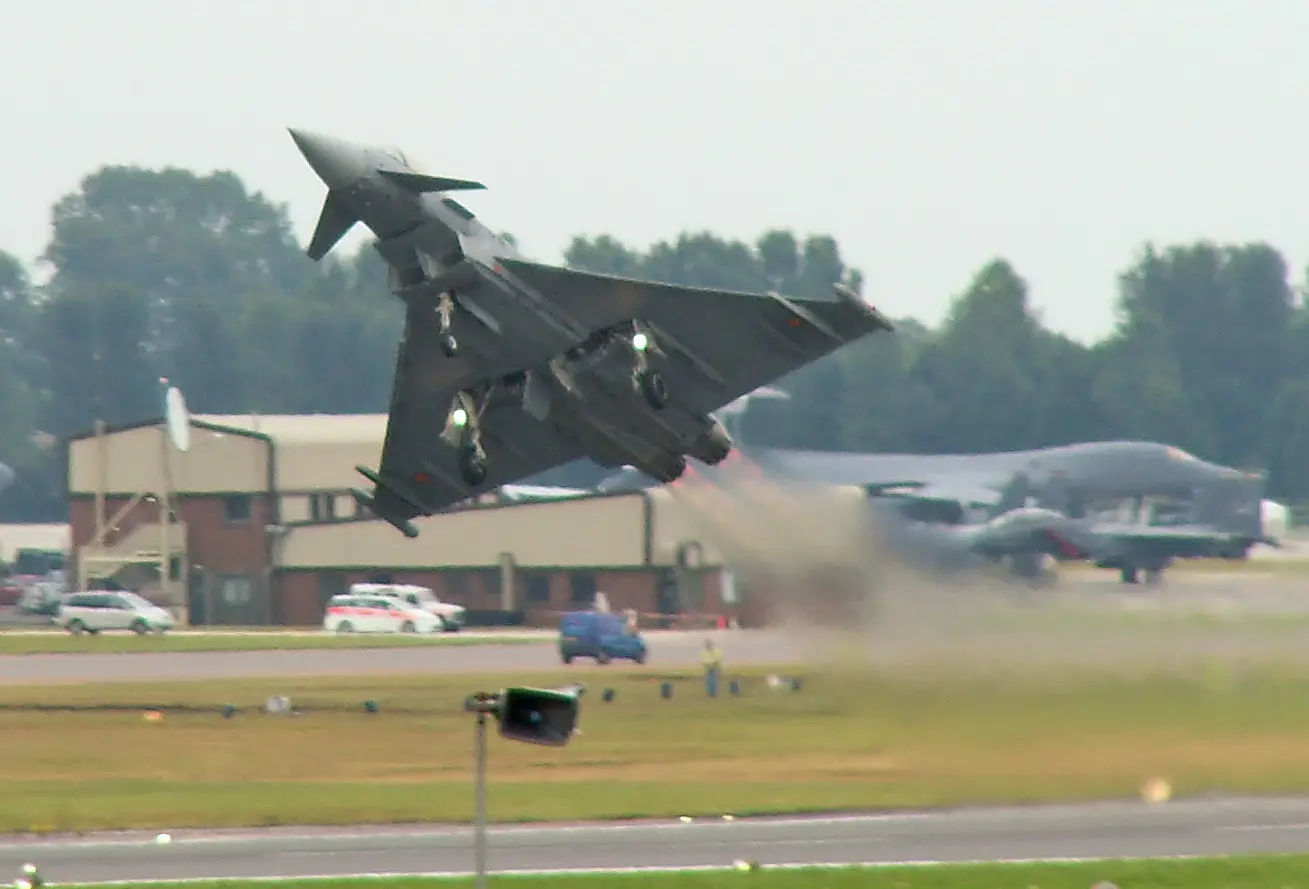
Tejas Mk2 offers major cost advantages
Tejas Mk2 is expected to cost around $55-65 million, making it about 50-60 per cent cheaper than heavy European fighters like Eurofighter or Rafale. This affordability allows countries to field larger fleets, strengthening overall air-power presence and mission flexibility.
Both aircraft succeed in their intended roles
Tejas Mk2 is the right choice for a cost-effective, indigenous, versatile fighter suited for India’s regional defence strategy. Eurofighter is suited for nations seeking a proven, heavyweight air-superiority platform. Each aircraft delivers value in its own mission category.
)
)
)
)
)