What if Voyager returns to Earth after 1,000 years?

Future scientists could study Voyager as an artifact of early space exploration. How well did human engineering survive cosmic conditions? Its materials could reveal insights about radiation shielding and long-term space exposure.

A Ghost From the Past
Imagine humanity in the year 3025, new technologies, new civilisations, maybe even colonies on Mars. Suddenly, a strange object re-enters the solar system. It’s Voyager, our first interstellar messenger, completing an unplanned thousand-year journey.

The State of Voyager After a Millennium
After 1,000 years in deep space, cosmic radiation, dust collisions, and extreme cold would have battered Voyager. Its iconic golden record might be scarred but still intact, while its instruments and antennas would likely be frozen relics.
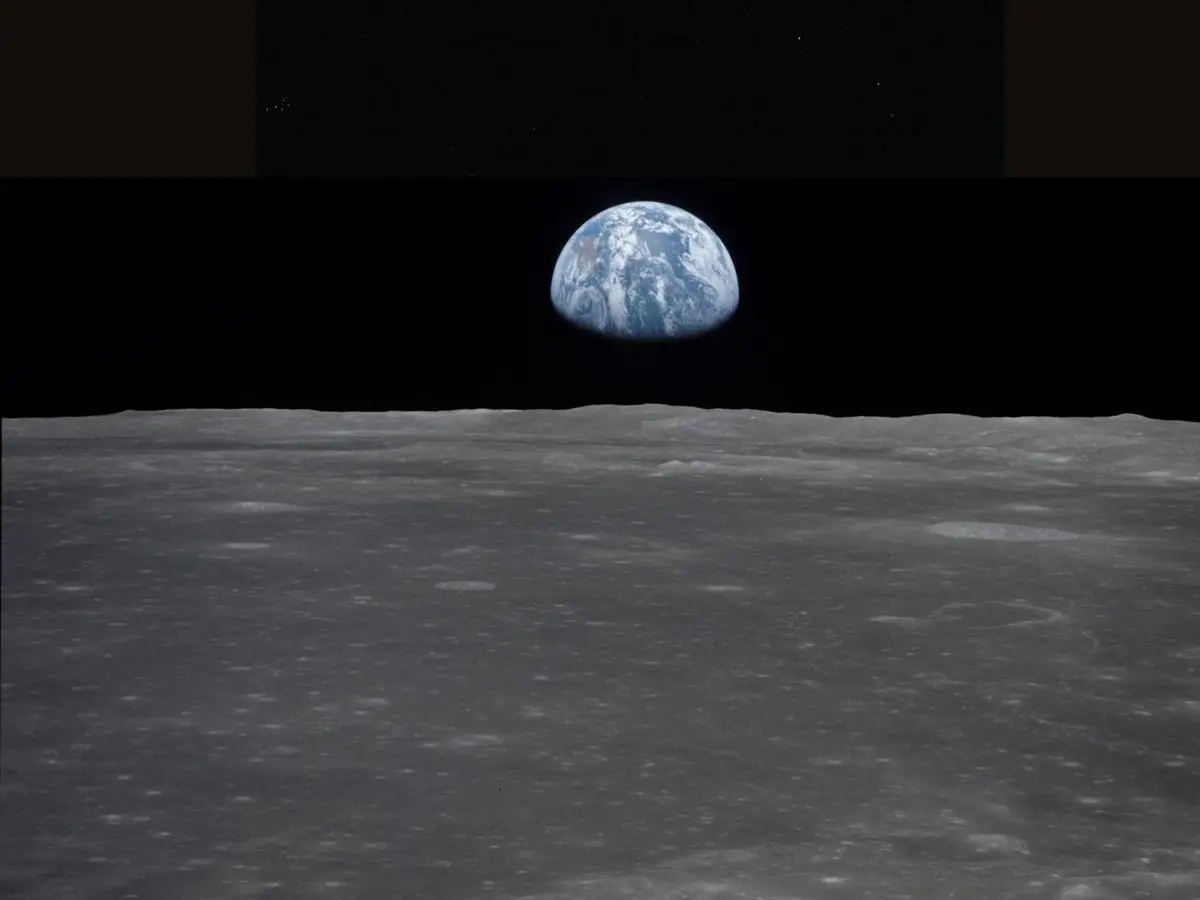
A Time Capsule for Future Humans
The golden record, containing sounds and images of Earth in 1977, would serve as a time capsule. By 3025, languages, culture, and even human biology may have evolved, making the record a window into an ancient Earth civilisation.

Scientific Value of Its Return
Future scientists could study Voyager as an artifact of early space exploration. How well did human engineering survive cosmic conditions? Its materials could reveal insights about radiation shielding and long-term space exposure.

Cultural and Symbolic Impact
The return of Voyager would be seen as poetic, humanity’s oldest explorer coming home after centuries. Religions, governments, and thinkers might treat it as a cosmic sign, sparking philosophical debates about destiny and our place in the universe.

Could It Still “Talk”?
Even if its power source is long dead, some fragments of its data storage might be recoverable. Advanced future technology could decode signals or memory traces, essentially “reviving” Voyager’s final messages from the stars.

A Reminder of Humble Beginnings
In 3025, when humans may be exploring exoplanets or building Dyson spheres, Voyager’s return would remind us where it all started: a small spacecraft launched by a species just learning how to leave its cradle.
)
)
)
)
)