What if Voyager found holes in the 'Firewall' protecting our solar system?

The firewall is shaped by the changing solar wind. During strong solar activity, the shield may strengthen; during weak phases, gaps could appear more often.
The Firewall’s Purpose
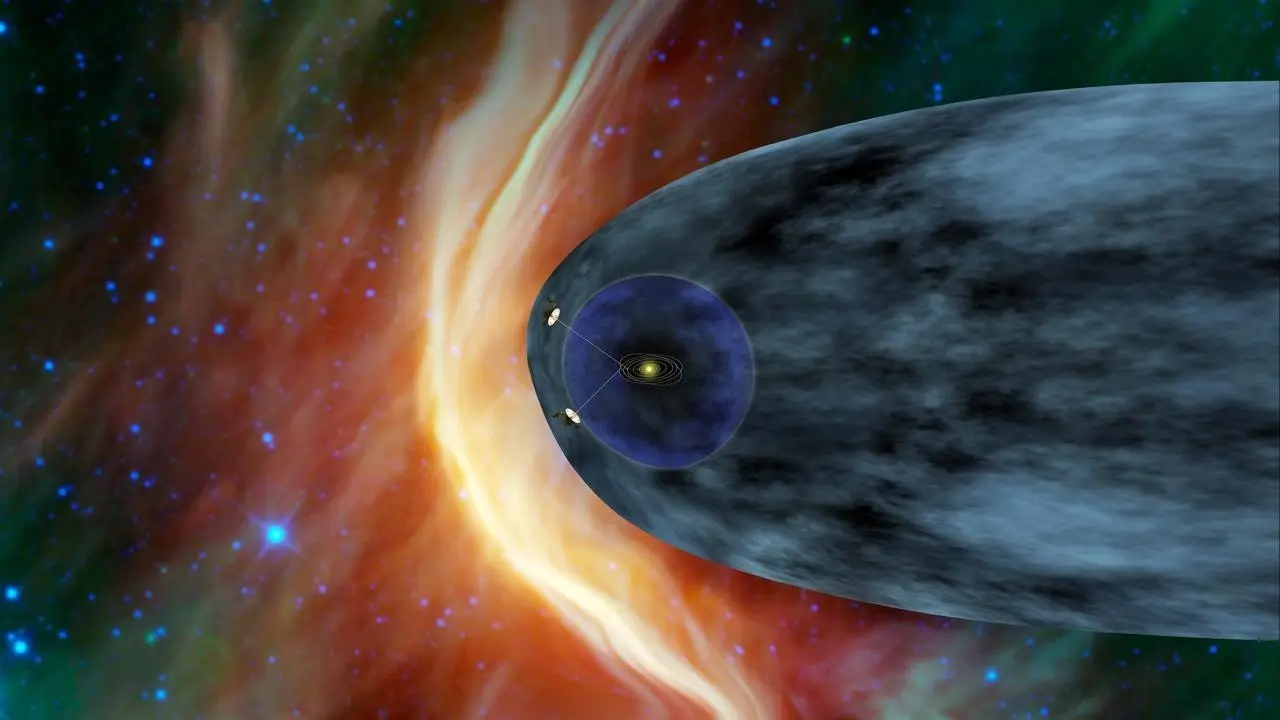
The firewall at the Solar System’s edge is a region where the solar wind collides with interstellar plasma. It acts like a shield, slowing and filtering incoming cosmic radiation.
Voyager’s Observations
As Voyager 1 and 2 passed the heliopause, they detected fluctuations in plasma density. These variations suggest the firewall is not uniform but patchy.
Possible Holes in the Shield
If the firewall has gaps, it could allow high-energy cosmic rays to pass more easily into the inner Solar System, increasing radiation exposure.
How Earth Is Still Protected
Even if the firewall has weak spots, Earth is additionally shielded by the magnetosphere and atmosphere, which absorb or deflect most radiation.
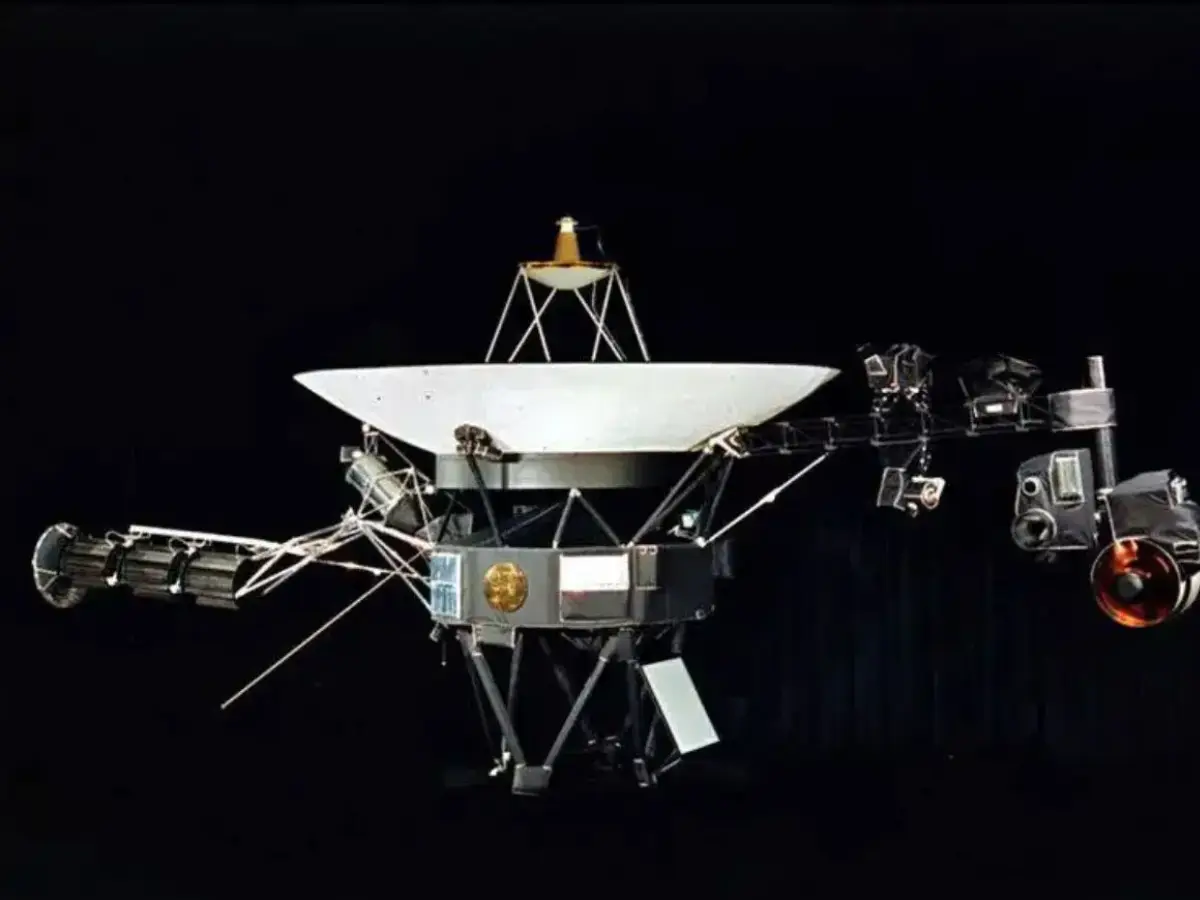
What Voyager’s Data Means
Voyager’s instruments recorded areas where the plasma density dropped unexpectedly. Scientists interpret these as possible “holes” or fluctuations in the boundary.
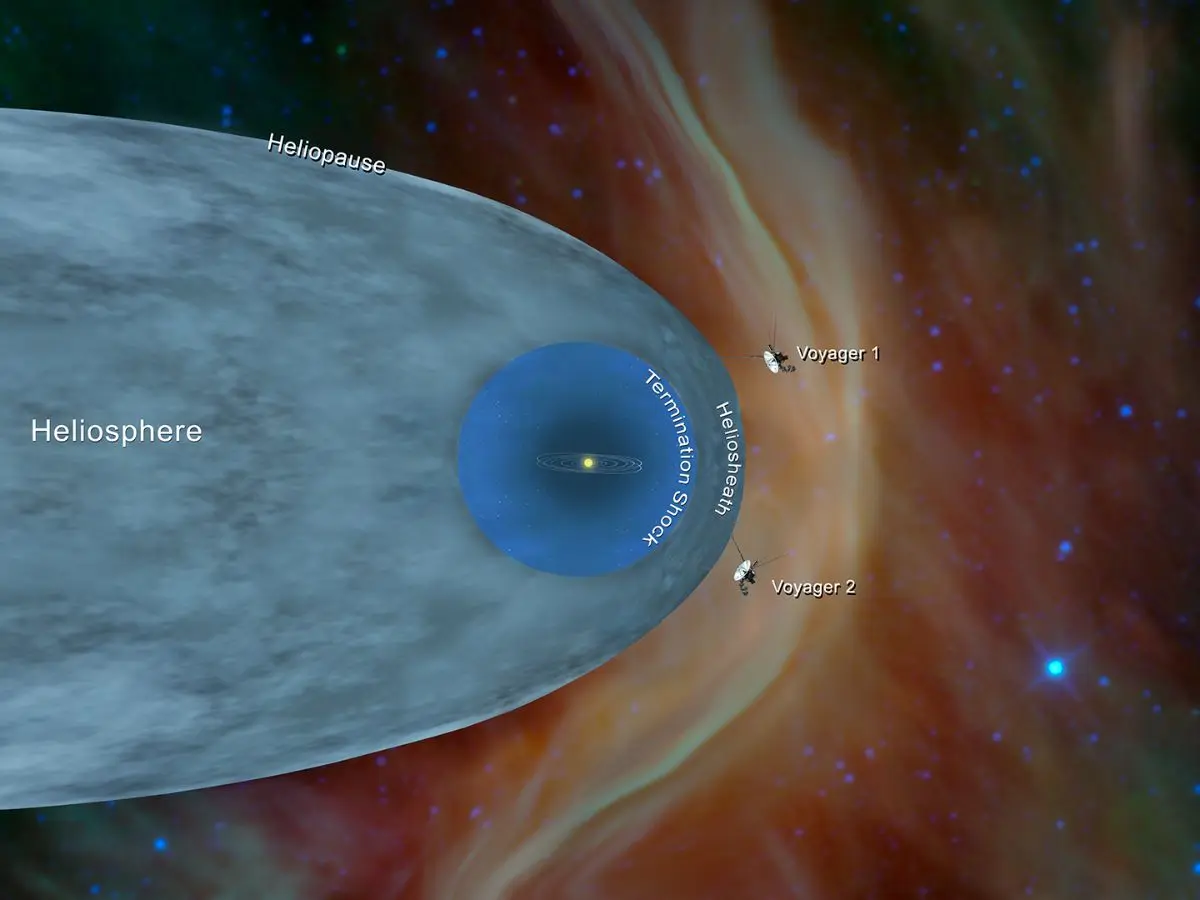
A Dynamic Border
The firewall is shaped by the changing solar wind. During strong solar activity, the shield may strengthen; during weak phases, gaps could appear more often.
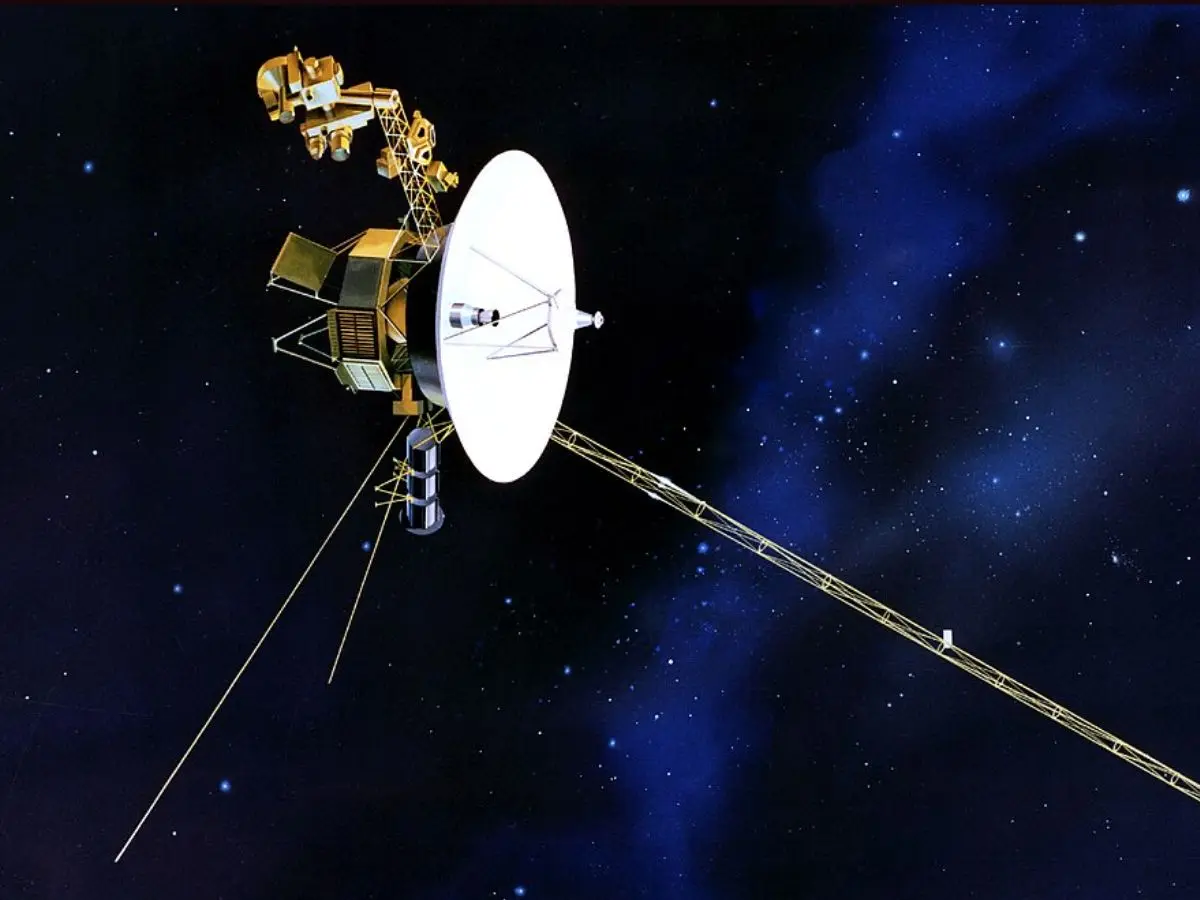
Why It Matters for Space Travel
Understanding holes in the firewall is crucial for planning future interstellar missions, as spacecraft outside the Solar System would face more direct cosmic radiation.
)
)
)
)
)