What if Voyager found a planet with rings 300 times bigger than Saturn’s?

Voyager missions revealed detailed ring systems in our solar system. Imagine them discovering a planet with rings 300 times larger than Saturn’s, like exoplanet J1407b. Such giant rings offer clues about planetary formation and cosmic mysteries. Know more below.
Voyager’s journey and discoveries
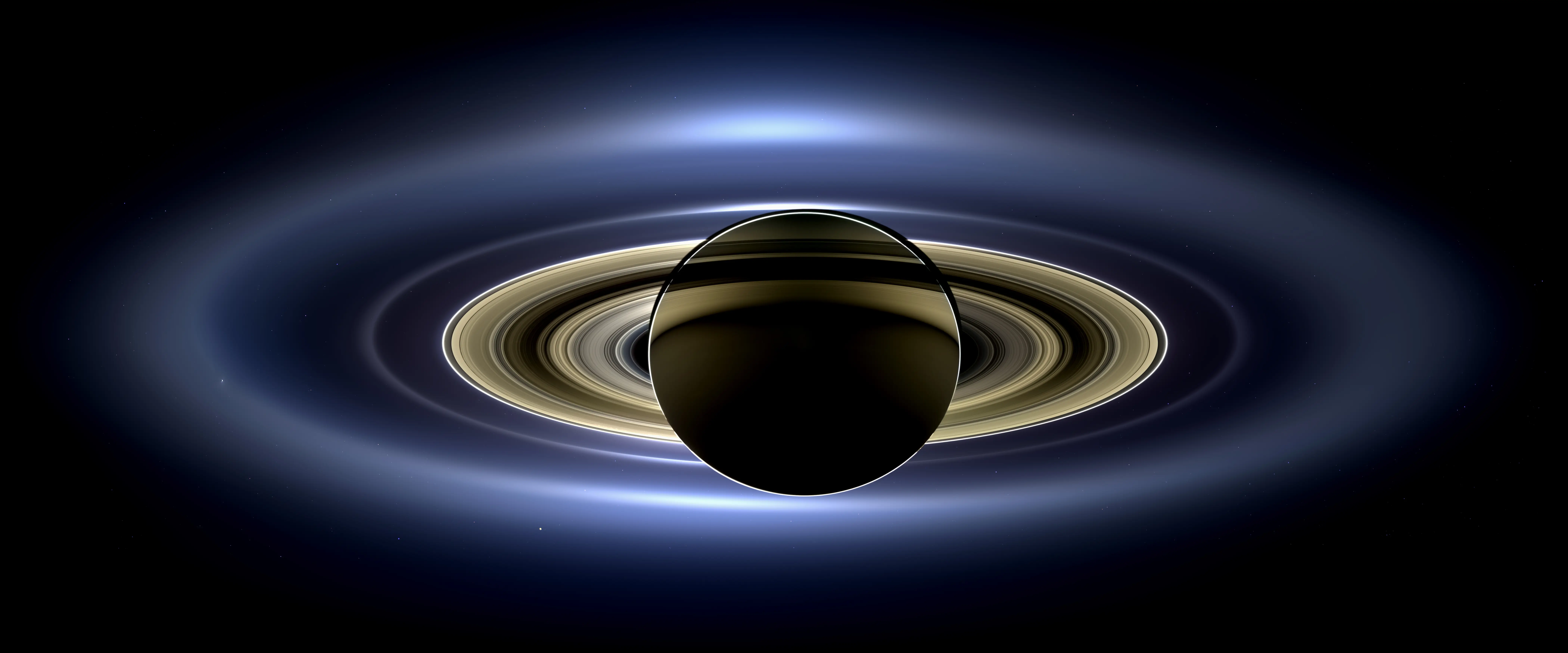
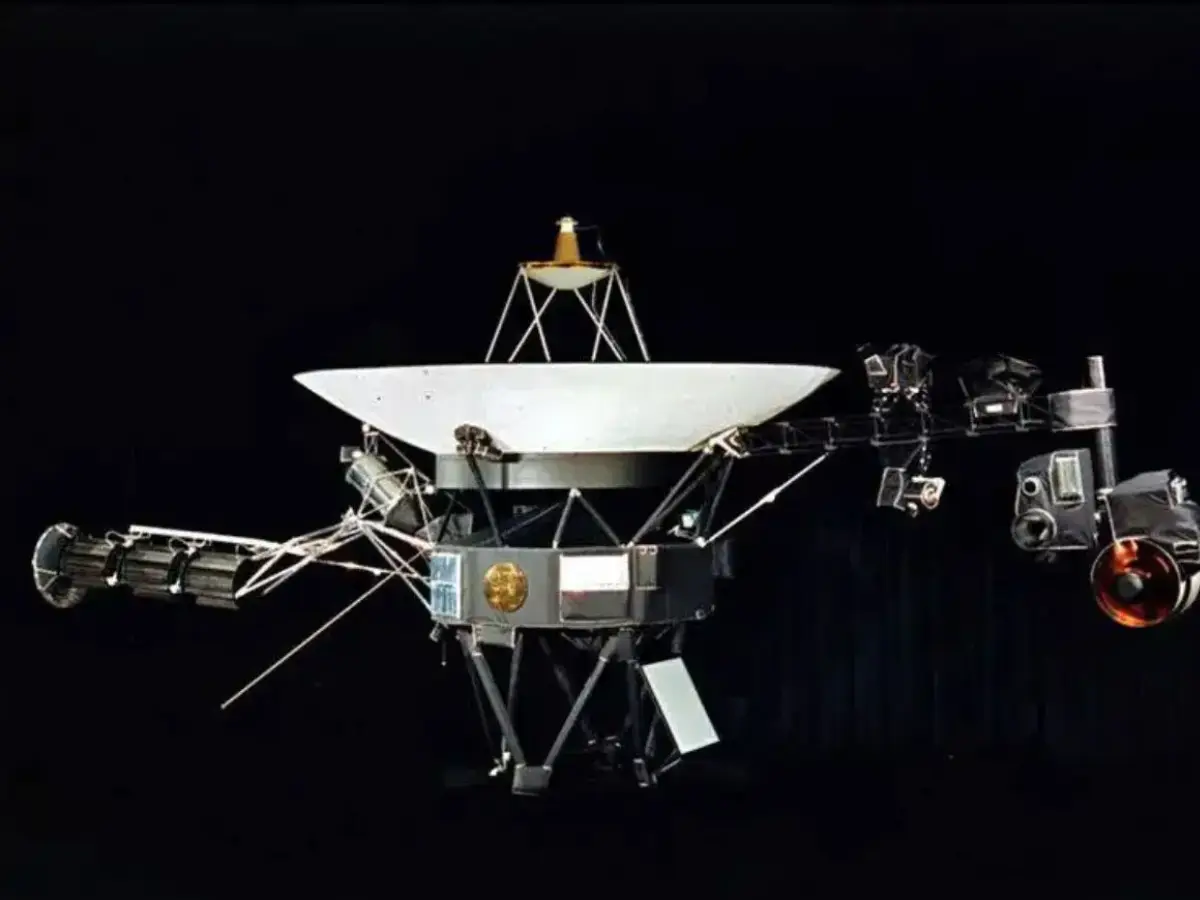
Since 1977, Voyager spacecraft have explored the outer planets and their moons. Their visits revealed unexpected ring systems around four giant planets in our solar system Jupiter, Saturn, Uranus and Neptune.
Saturn’s famous rings
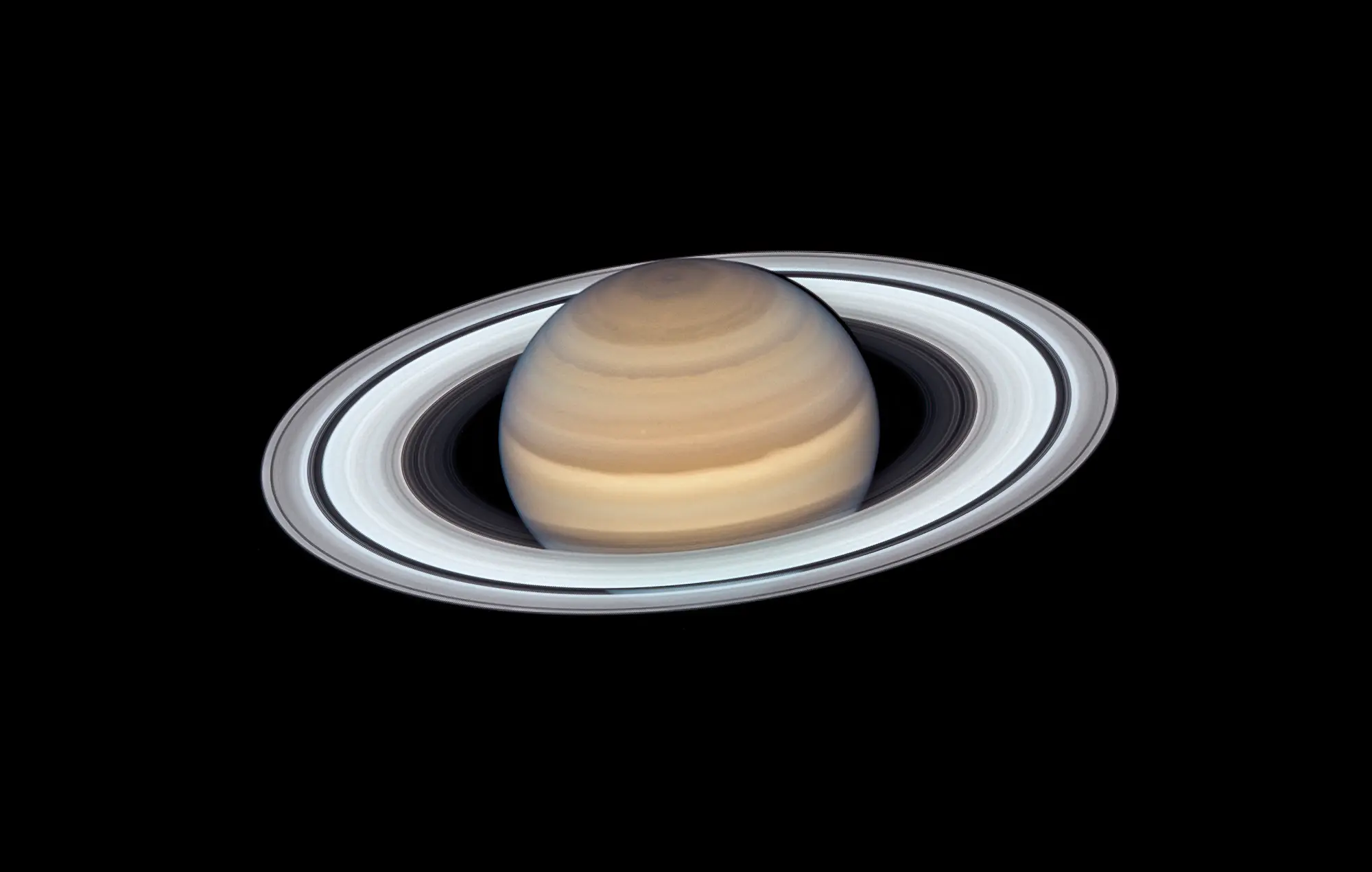
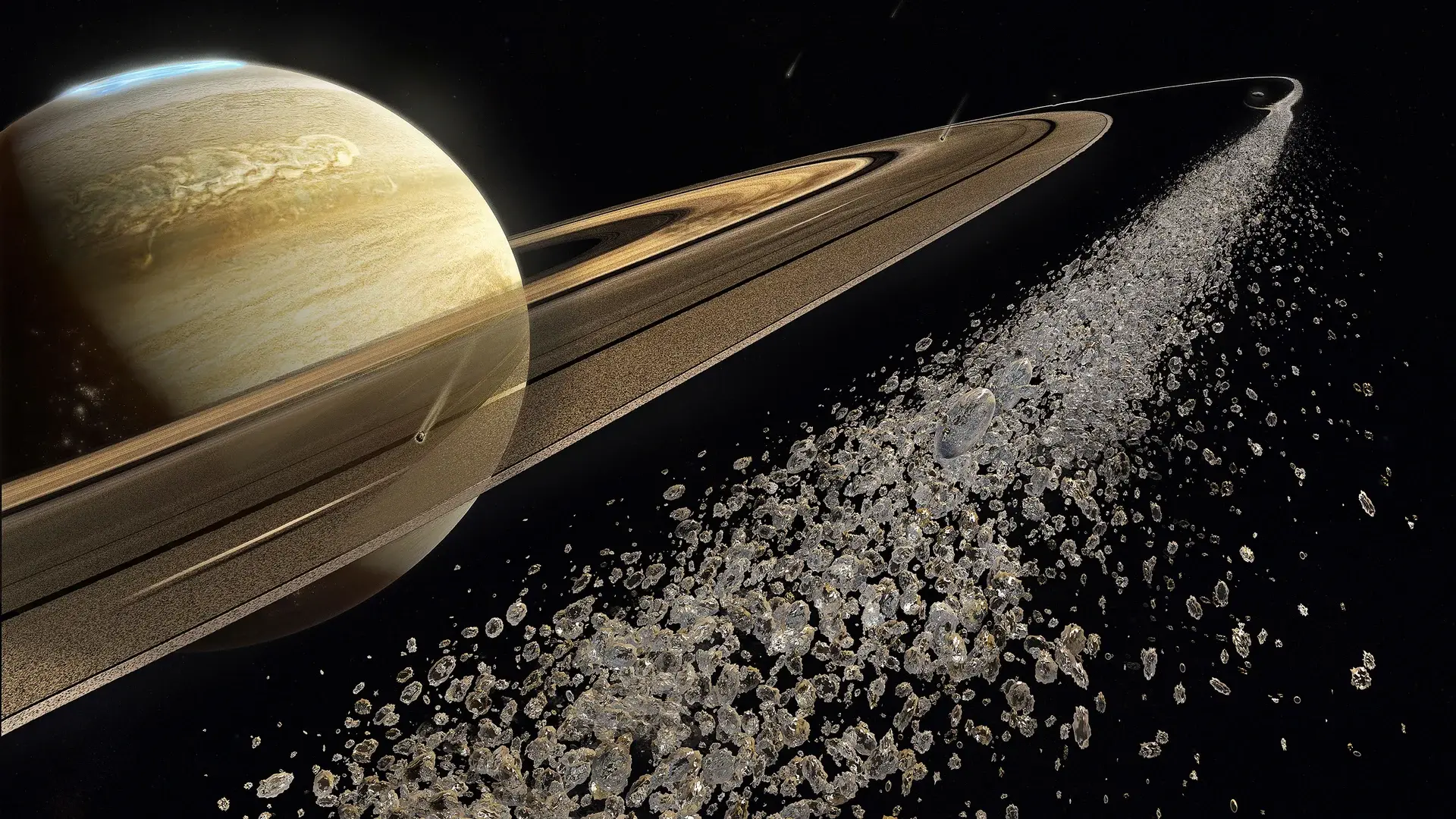
Saturn’s rings are the largest and most visible in our solar system. They stretch about 280,000 km across, consisting of thousands of narrow rings made of ice and dust particles.
What if rings were 300 times larger?
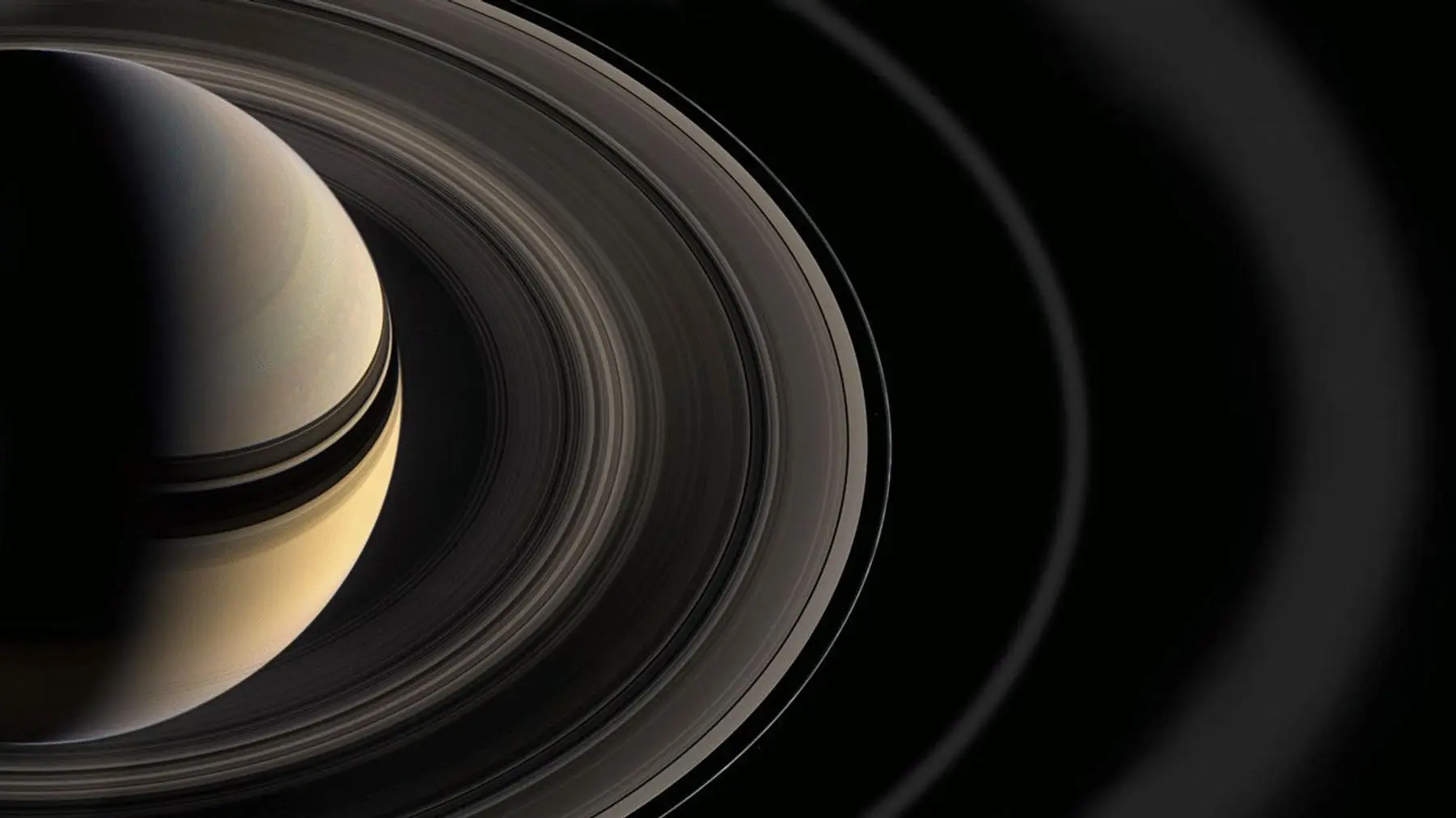
Scientists found an exoplanet called J1407b with rings about 200-300 times wider than Saturn’s. The rings span nearly 120 million kilometres, larger than the distance between Earth and the Sun.
How do such giant rings form?
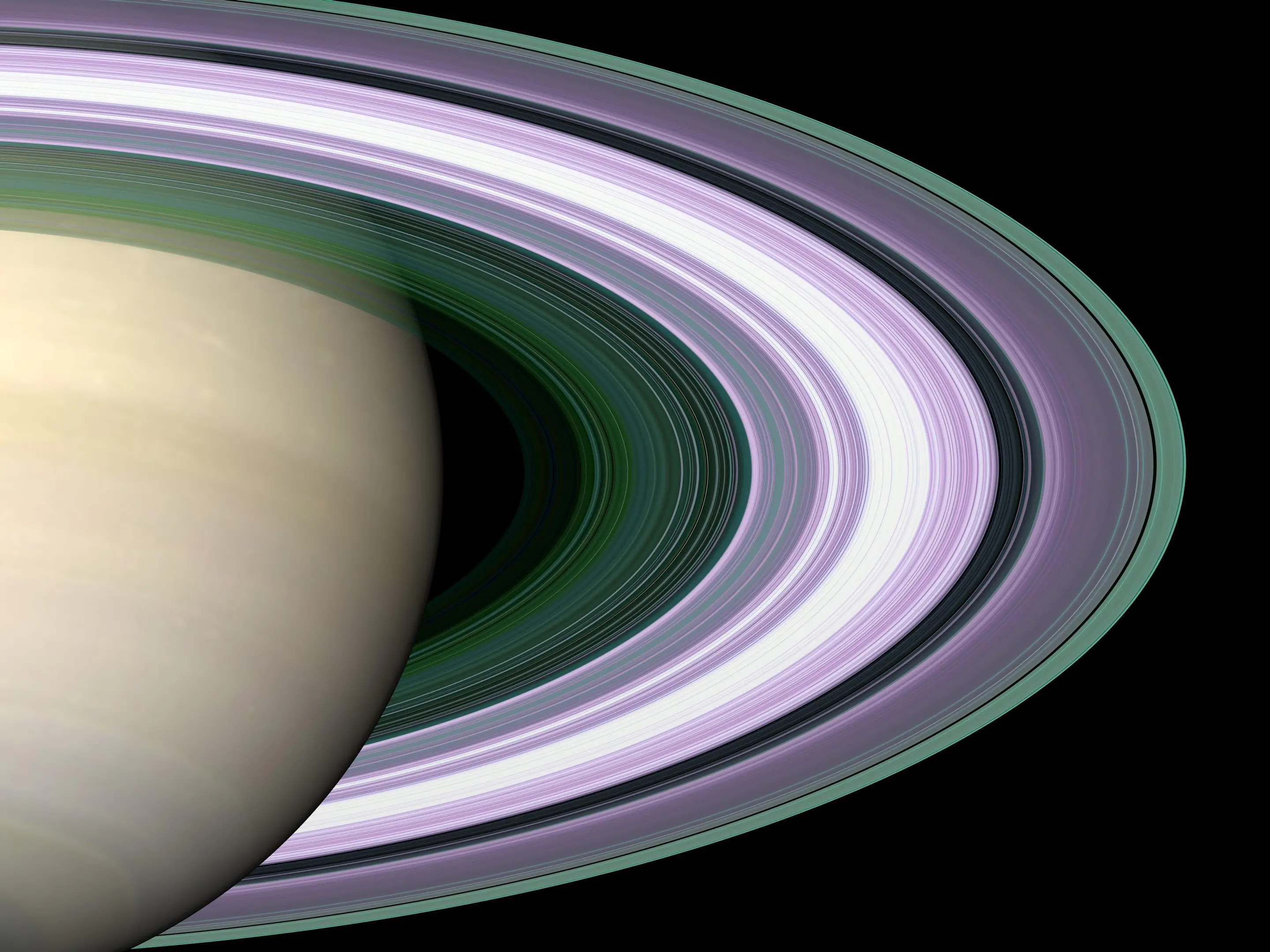
These rings are made of dust and debris, possibly leftovers from moon formation. Gaps in the rings suggest moons are shaping them by clearing paths, a process similar to Saturn's own rings but on a colossal scale.
Could Voyager find similar rings?
Voyager's instruments are designed for detailed studies within our solar system. Detecting such a massive ring system around a distant planet requires new technology, but Voyager’s discoveries inspire ongoing searches for unusual planetary features.
Why are giant rings scientifically important?
Studying large ring systems reveals clues about planet formation, moon development, and dynamics of debris discs. It adds to our understanding of how planetary systems evolve across the universe.
Voyager’s legacy in planetary science
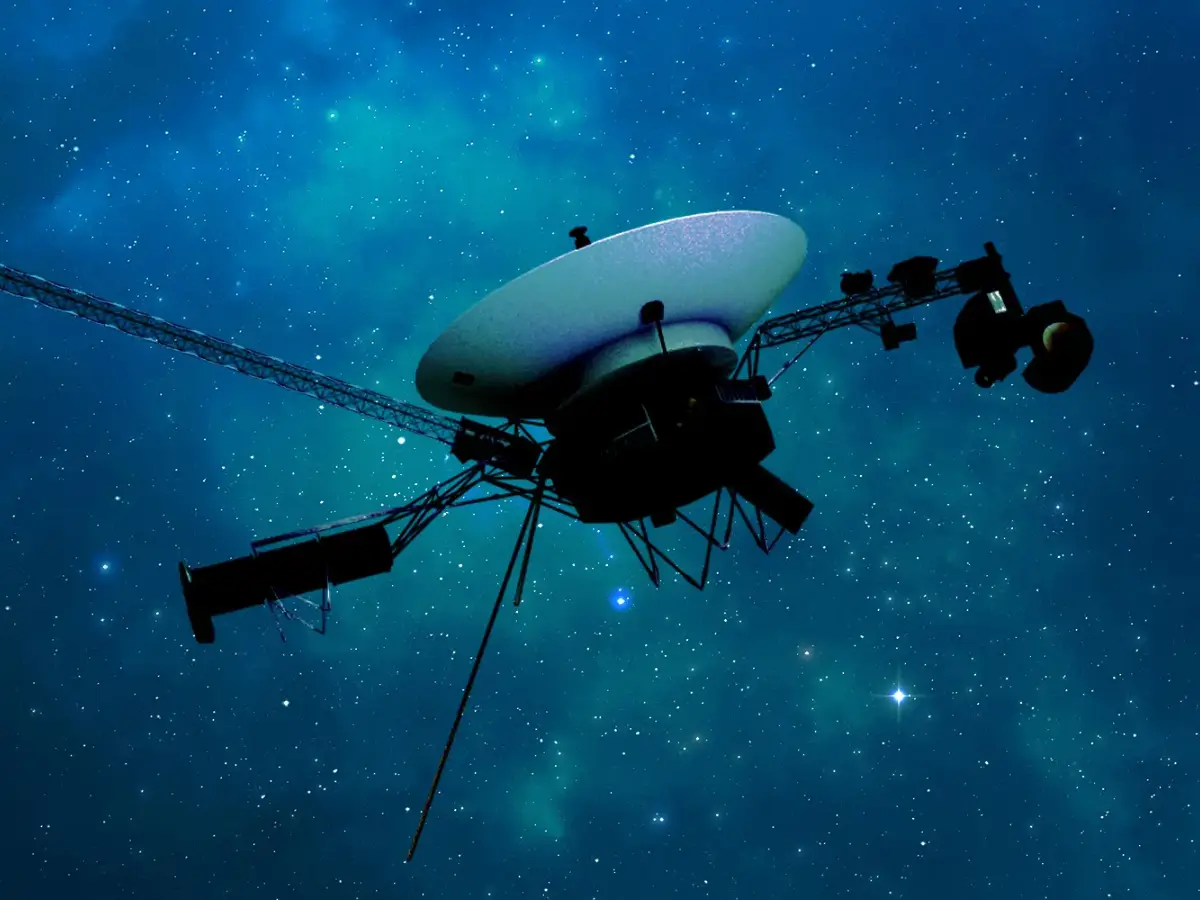
Voyager missions transformed knowledge of planetary rings and moons. Imagining them finding a planet with rings hundreds of times bigger than Saturn’s highlights the vast mysteries still to uncover in space.
)
)
)
)
)